| Author |
 Replies: 28 / Views: 7,374 Replies: 28 / Views: 7,374 |
Page 2 of 2
|
|
|
|
Bedrock of the Community
Canada
11922 Posts |
|
|
Bedrock of the Community
13014 Posts |
I also agree, though hes got to be doing something right if he can afford that many lotto tickets a day
|
|
Pillar of the Community
United States
3486 Posts |
What bothers me about a sad story as this is that we knowledgeable collectors are not asked BEFORE the purchase! It is always after the fact. That happened to me years ago.
A co-worker had bought some 'investment grade' silver dollars and asked me for an opinion. I was put in the spot to telling him in the nicest way possible that the coins were, uh,
somewhat over graded. [They were lousy!]
So, in the future offer to go with a friend to examine a potential purchase.
That is, if there is a next time.
|
|
Pillar of the Community
 United States
1373 Posts |
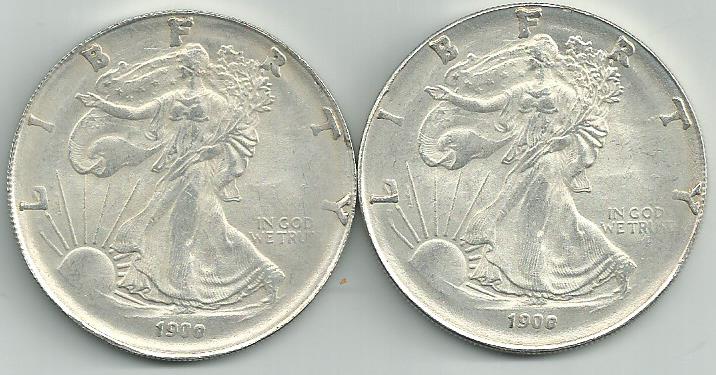
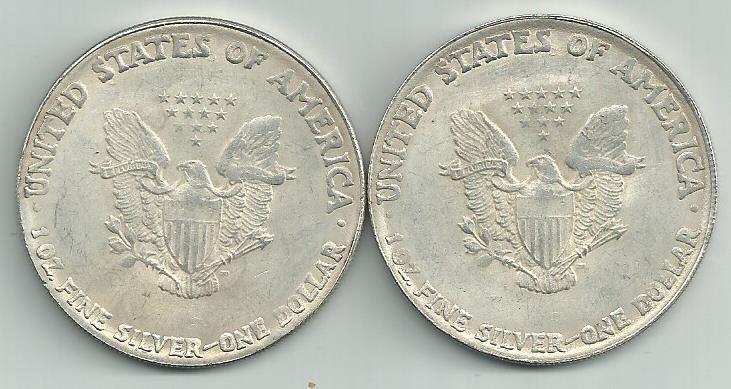
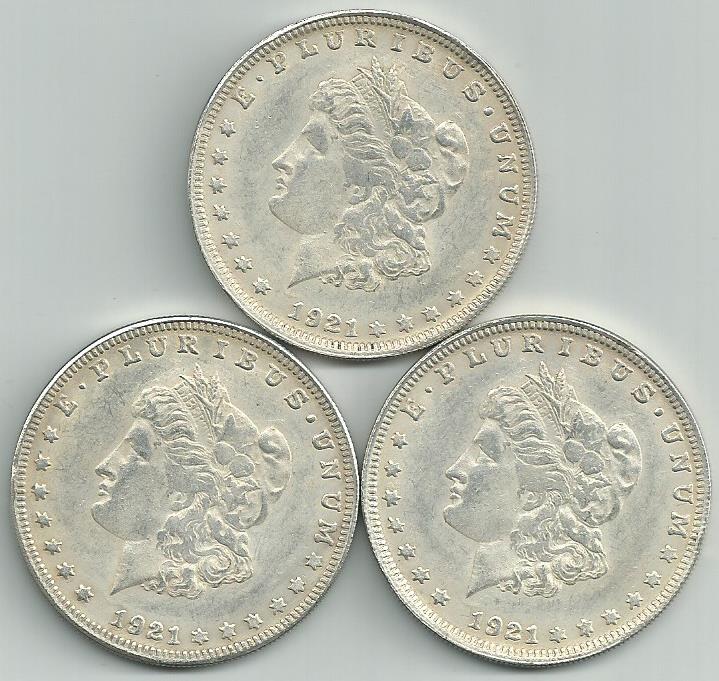
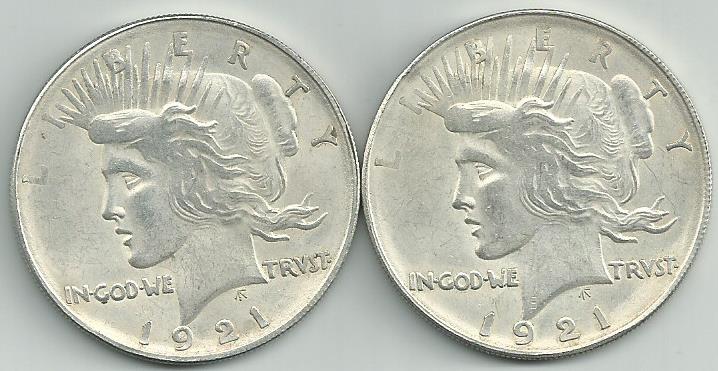
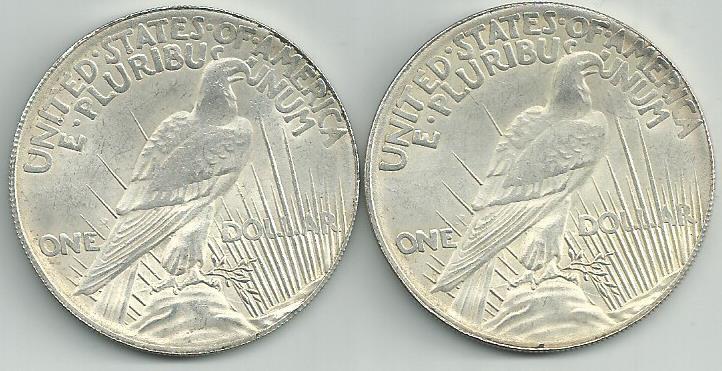
First off, thanks to everyone for the sympathy for my friend! A little more back-story of my friend (Bob) and the purchase. Bob has been on disability for about ten years now. He fell at work and messed up both hips; surgery failed. He still is able to get around but slowly and with assistance (walker, cane, etc). His income from disability and small pension is more than my work wages. He lives with his brother who is retired from one of the car companies and his brother takes home about twice my income from his pension. The house and car are paid for, so both of them have lots of spare cash to 'play' with. Yesterday, when the guy called him from the party store (think 7-11), he just said that a lady had some silver dollars and was Bob interested. Bob asked about the dates, and when the counter clerk said 1921, 1900, and 1879, Bob thought they were all just common Morgans. Bob thought that if any were in real nice shape that he'd switch them out for one's he already had in poorer shape. If not, then he was going to cash them in as scrap silver and get his $7 each back. When he first saw the coins, he thought something was funny as he knew there were no Walking Liberty dollars in 1900. He assumed the Morgans and Peace dollars were ok, but he didn't know anything about the 1800 coins, as he doesn't collect them (he knows about Morgan's and up). I know nothing about any dollars older than Ike's. As promised, he dropped off his 'treasures' to me this morning and I scanned them. I will make two posts. Note that there were only six different coins. Also note there were no Seated Liberty dollars in 1878, the Seated Trade dollar should be a proof, and the 1900 walkers mentioned earlier. 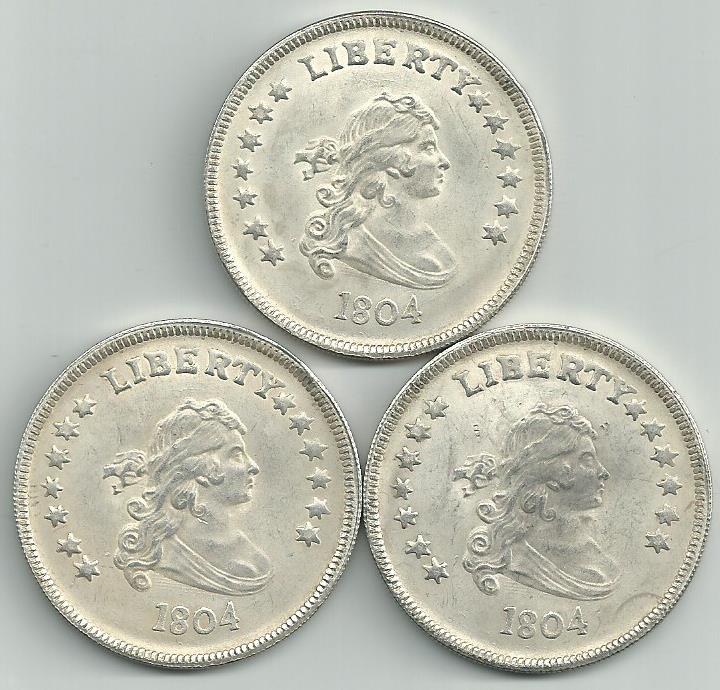 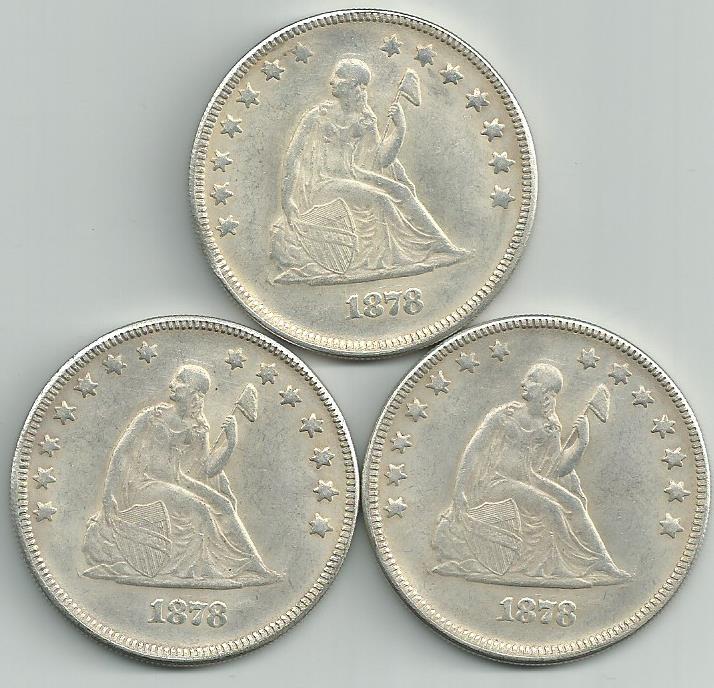 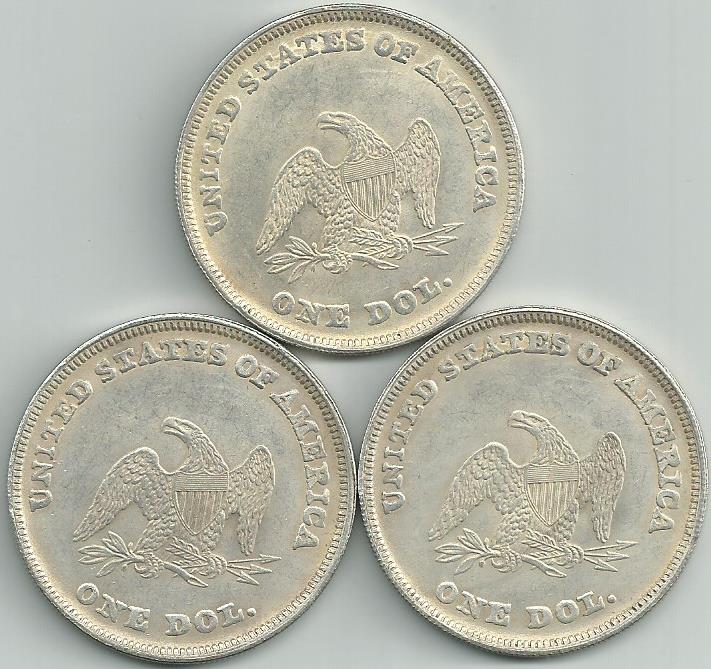 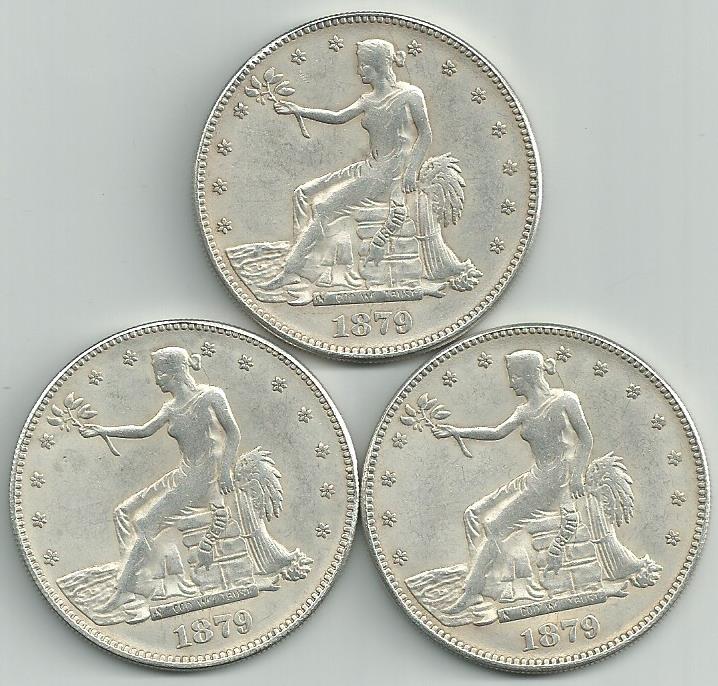 |
|
Pillar of the Community
United States
1373 Posts |
|
|
Pillar of the Community
United States
3184 Posts |
thats too bad this happened.
|
|
Pillar of the Community
United States
1454 Posts |
I'm sure there are plenty of people on this forum who could tell at a glance that those are fakes. I'm not one of them. I'm guessing the average person wouldn't know, either. Give me an internet connection, scale, and a magnet and I'm gold; but otherwise, picking out fake coins without certain specialized tools at my disposal is above my pay grade.
|
|
Pillar of the Community
United States
3486 Posts |
travein, Give yourself some credit. The Peace dollars I spied as fake immediately. But even the bullion coins looked bad to me, and I do not have any. If you study about two dozen of each you can train your eye to spy a fake easier. And, if you can see them and handle them in person then the sight of a genuine coin will stick in your brain. A needed lesson for those who wish to obtain these coins. Edited by matthewvincent
11/26/2013 5:18 pm
|
|
Pillar of the Community
Canada
2805 Posts |
I have seen these bad fakes before... reading "LIBFRTY" on the Walkers.
|
|
Pillar of the Community
United States
1373 Posts |
Nalaberong: Yes, I did notice that spelling boo-boo also. I just know so little about those type of coins that for all I know that's how even real ASE's are minted. My friend doesn't know what to do with these things. We're going to a coin show this weekend and he might bring a couple along to show people, but not sell them, He'd like to get some of his money back, and he knows that some people actually collect fake coins, but he's afraid of selling them to someone who might try to sell them to somebody else as real coins. I told him to put one of each in a shadowbox and hang it on his wall. In case anyone ever breaks into his house, they'd grab the framed coins thinking they were expensive. Then when they tried to sell or pawn them they'd get busted (as long as they tried to sell them to someone who knows more about coins than him or myself). :) |
|
Pillar of the Community
Canada
3692 Posts |
@traevin:
Look at the dull color. A die with a mirror finish, satin finish, etc, will leave the same finish onto the coin. Therefore, these coins are cast. The dullness tells me that there was absolutely no pressure used to imprint the image onto the coin. They didn't even try to polish it so that it would maintain an antique look. IF, however, they had used a die, then consider the fact that a coin wears down and material is therefore removed and the coin will weigh less than its weight upon issuance. In order to make a die for this sort of a fake one must ADD material to the die to mimic wear (removal of material). So the die will give the details on the coin a "fat" look and doesn't look the same as a real coin right off the bat. This type of a fake, though, is more labor-intensive and only the proudest counterfeiter would spend the time to fool connoisseurs. The first time I saw these coins in hand they were being sold by a Chinese vendor (I know this because their booth said they sold items made in China, I know, what a draw, eh?). They came in sealed plastic sheets and I'm sure you can see a sheet of fakes on those stupid storage shows. I told the vendor they were fake coins and she said no they are not. I called her ignorant and left it at that. They're placed into sheets so that they cannot be tested but a simple magnet will do the trick.
Looking at the rims of ANY coin will give it away fast. Rims are probably the best indicator of authenticity and it's very easily overlooked because apparently a coin has two sides but people forget that a cylinder has three.
Look at the dates. If they're keydates or dates that shouldn't exist, call the coin police. The type fonts are important, too, so look at the slogans and numerals in both design and size. If the vendor sells the coins as antiques or as silver, then the transaction is a fraud. If they sell them as imitations there's no harm. But then again fakes should either be framed forever (to learn) or destroyed by the thought police.
If more than one coin has the same pattern of wear, run away. If your coin looks old and worn but is shiny, run away. If your coin is vastly underweight, run away. If a vendor hands you a sealed plastic sheet of coins, run away. If your magnet sticks to any "silver" coins, run away. If you find two of the same key dates, run away. This is why I can never let any of my friends or family buy me coins.
|
|
Pillar of the Community
United States
1454 Posts |
Pretty decent advice, Lib. Thanks. I particularly liked the "rim" tip.
|
|
Pillar of the Community
United States
2368 Posts |
I can't believe people try to pass this garbage off as real!  |
|
Pillar of the Community
Canada
3692 Posts |
|
|
Pillar of the Community
United States
3486 Posts |
"I told him to put one of each in a shadowbox and hang it on his wall."
I like this idea. A decoy. Hide the good stuff and display the junk.
|
|
Page 2 of 2
|
Replies: 28 / Views: 7,374 |
Page 2 of 2
|






 First Page


 Posted 11/22/2013 01:00 am