| Author |
 Replies: 24 / Views: 4,652 Replies: 24 / Views: 4,652 |
Page 2 of 2
|
|
|
|
Pillar of the Community
United States
6478 Posts |
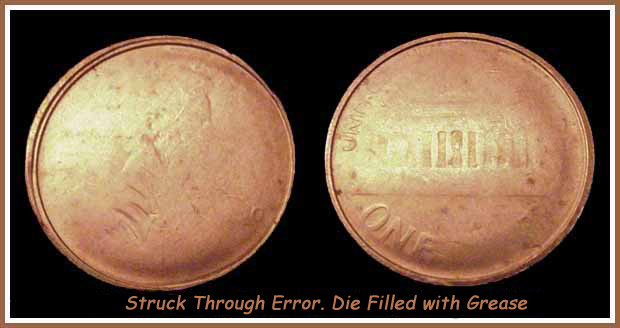
It is a large strike through though. Not a high grade. How would have something got in the dies way too?
|
|
Valued Member
 United States
79 Posts |
Quote:
I was the first to raise the possibility of it being a strike through but ok. Lol. Quite right! Sorry for the oversight in giving credit where it was due.  I appreciate your input about this curious Lincoln. |
|
Pillar of the Community
United States
6478 Posts |
Lol, no problem. I am very interested in this cent. I think we are all learning something from it.
|
|
Valued Member
United States
79 Posts |
Quote:
It is a large strike through though. Not a high grade. After looking closely at the reverse with my microscope and loupe  . It really does look like a piece of debris got in there, but what, I haven't a clue. As to grade, some might say F-15, but I'm thinking more like VG-08 or VG-10. Regardless of what it ultimately proves to be worth it represents the most interesting error coin find I've yet found in circulation, so it's a fun coin to have pop out of a coin roll from the bank. Edited by ConfederateHalf
02/11/2015 12:01 am
|
|
Pillar of the Community
United States
6478 Posts |
I would grade it a strong VG-07 in my opinion. The wear and the large dings and scratches bring it down there for me.
|
|
Valued Member
United States
79 Posts |
Also, I'm still curious what everyone thinks about that long jagged line that crosses the entire reverse of the coin. I have studied it closely under magnification and it definitely is NOT a die crack. If this penny were North America, the thing would be the Continental Divide. Everything to the "east" of the division is at a slightly higher elevation. Everything to the left is at a slightly lower elevation. To me, it gives the appearance of a very thin layer of metal having peeled away from the "west" side of the planchet prior to the striking of the coin.
Edited by ConfederateHalf
02/11/2015 12:06 am
|
|
Pillar of the Community
United States
6478 Posts |
The reason it is weaker on the left is because the thing it struck through made it harder for the rest of the die to get the the coin while the rest of the die went to the rest of the coin.
|
|
Valued Member
United States
79 Posts |
Quote:
I would grade it a strong VG-07 in my opinion. The wear and the large dings and scratches bring it down there for me. Good points. I agree. It's a darn shame this coin is not in higher grade. If it's this interesting in VG-07 I wonder what it must have looked like when it was in mint state?  What a wonder that it has circulated for 73 years without anyone plucking it for their collection. Edited by ConfederateHalf
02/11/2015 12:13 am
|
|
Pillar of the Community
United States
6478 Posts |
Ahh man, it would look amazing.
|
|
Valued Member
United States
79 Posts |
Well...no complaints here. You can't beat the price I acquired it for! <CHUCKLE>
|
|
Valued Member
United States
79 Posts |
Quote:
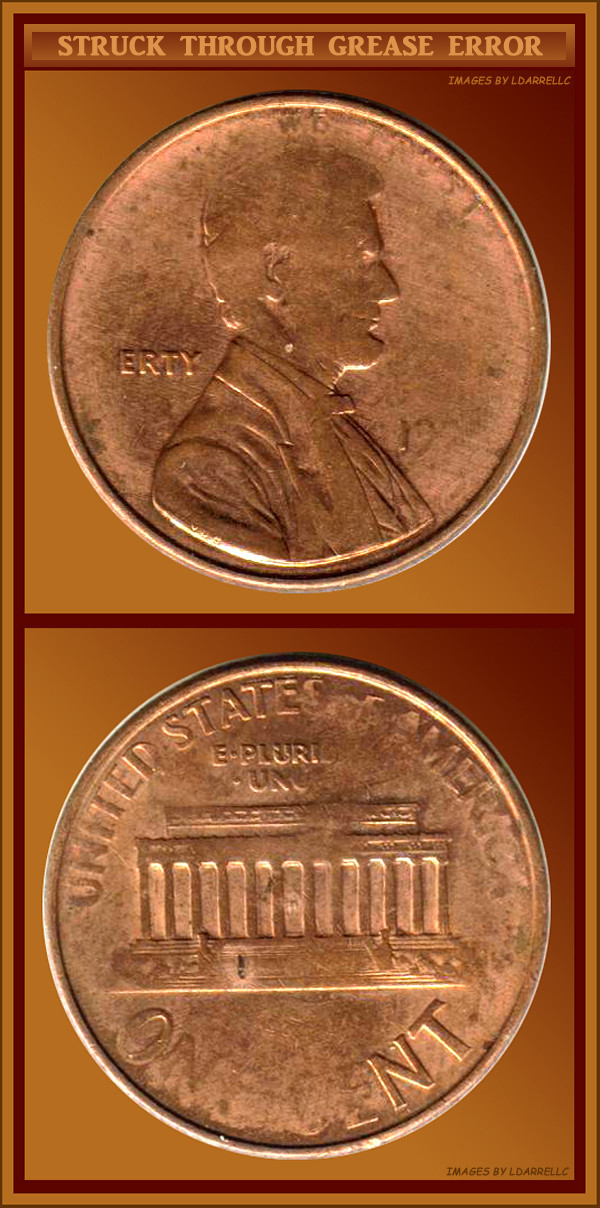
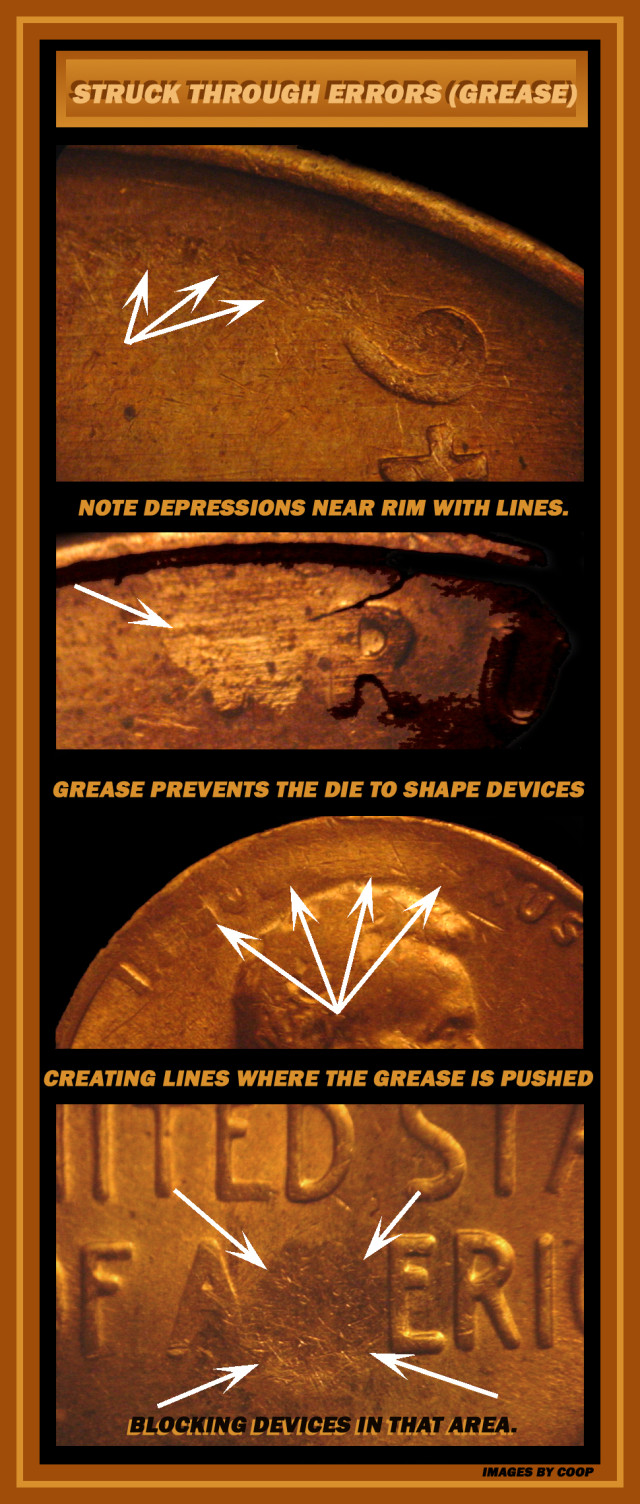
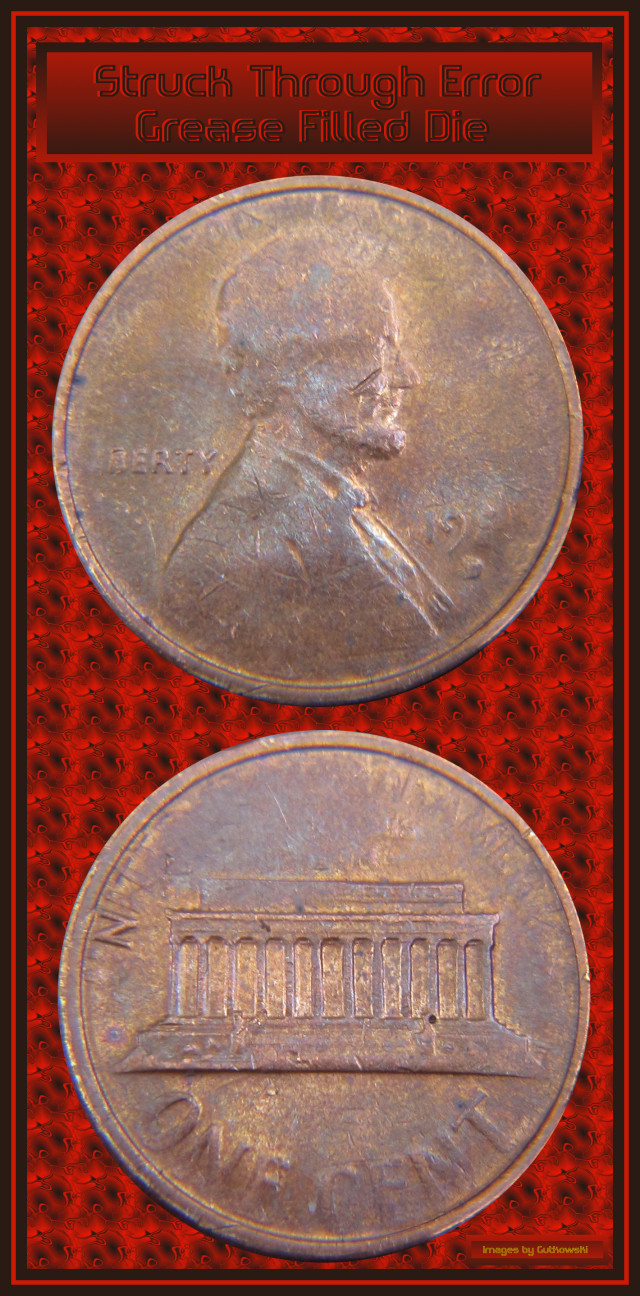
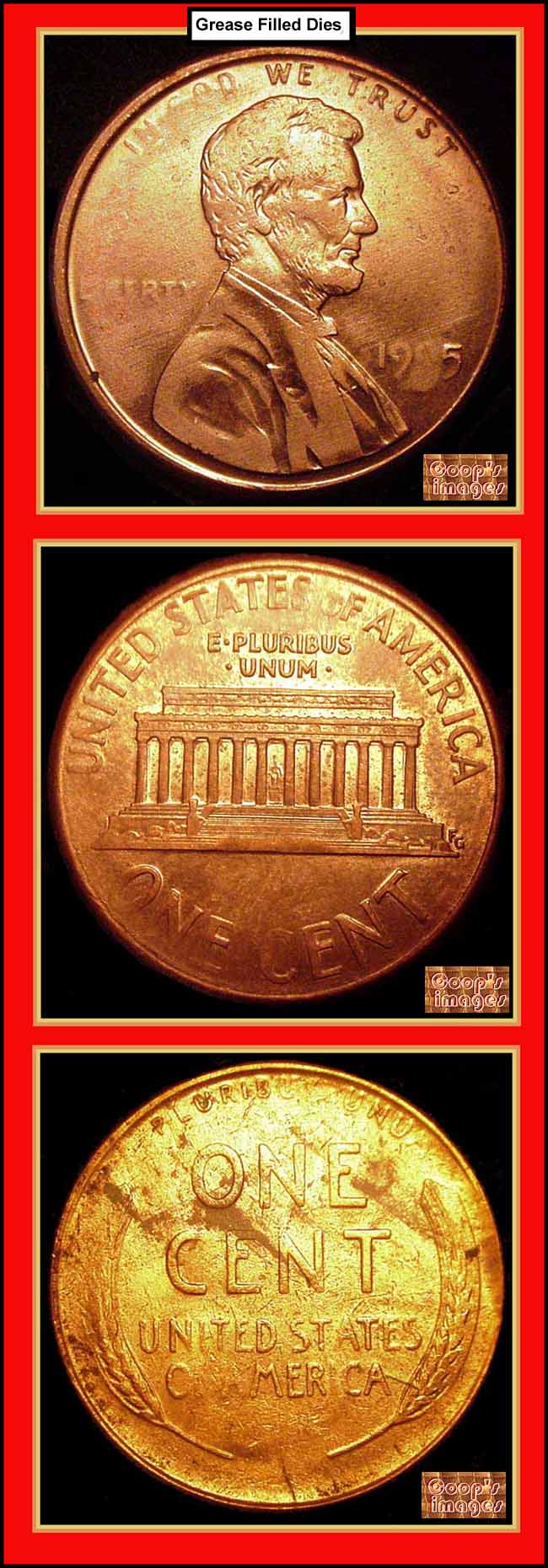
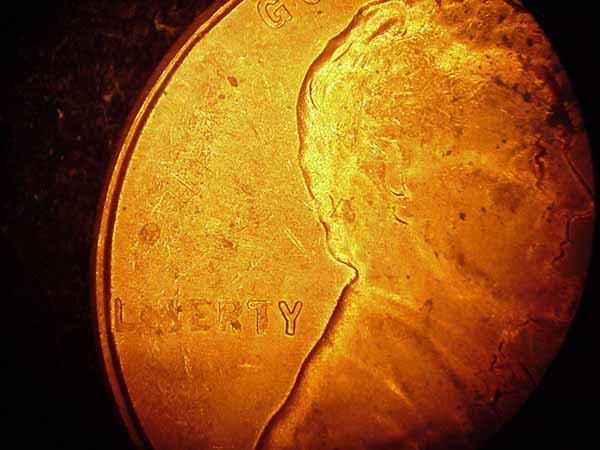
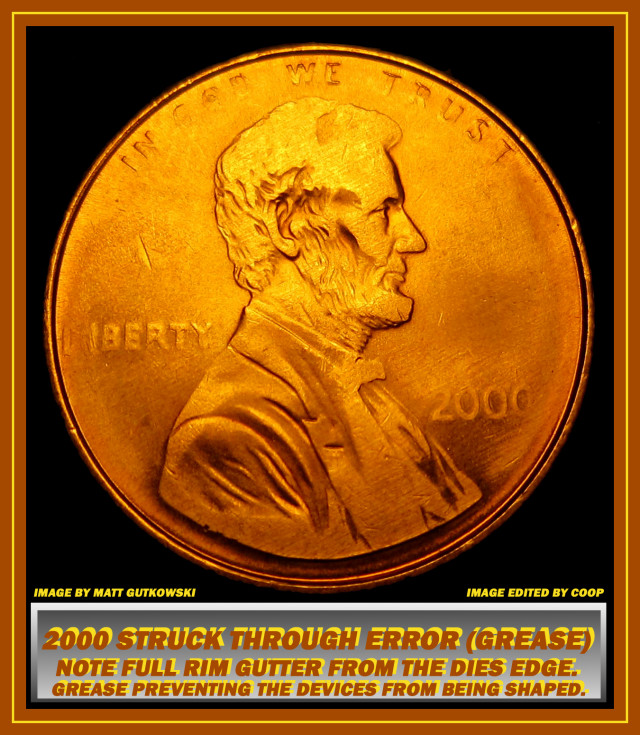
The reason it is weaker on the left is because the thing it struck through made it harder for the rest of the die to get the the coin while the rest of the die went to the rest of the coin. Cool! This is exactly what I had deduced, but I wanted to see if others reached the same conclusion. I'm still thinking about whether or not I agree with the idea that the obverse is due to a grease filled obverse die. I suppose it is very likely that if debris got in there with the planchet then greasy goop could have gotten in there as well, but if the obverse was strictly the result of a Grease Filled Die than why didn't the obverse rim strike up fully in the area missing letters from the mottos IN GOD WE TRUST and from LIBERTY? I've seen other "greasers" and the rim is usually unaffected. I also find it interesting that the rim is ONLY affected in the area directly opposite the damage caused to the reverse by the struck-through debris. The moment you reach the end of the damage and flip the coin over, the rim is good and so is any lettering. So, this being the case, I'm inclined to agree that the errors on the obverse and reverse are ONE BIG ERROR caused by the debris that was struck through. It seems to have screwed with the metal flow on the obverse in a way that caused several letters and the rim not to strike up. If I'm bonkers with this theory then I'm more than willing to hear what really caused the missing letters and rim from those with much more expertise in this area than I possess. I just want to have reasonable certainty about what I have here. |
|
Pillar of the Community
United States
6478 Posts |
I think a greasy object got in the way. The rim is unaffected because it is formed before the design is pressed in. But yes, one big error.
|
|
Bedrock of the Community
United States
62064 Posts |
|
|
Rest in Peace
United States
1943 Posts |
Did anyone consider a prestrike delamination?
|
|
Valued Member
United States
79 Posts |
Wouldn't it be a hoot if this was a 3-errors coin? How wild would that be? 1) Pre-Strikke Lamination on the reverse of the planchet. 2) Struck Through Debris on the reverse. 3) Struck Through Grease on the obverse. If so, are multiple errors regarded as more valuable by the market? |
|
Page 2 of 2
|
Replies: 24 / Views: 4,652 |
Page 2 of 2
|








 First Page


 Posted 02/10/2015 11:56 pm