| Author |
 Replies: 19 / Views: 2,199 Replies: 19 / Views: 2,199 |
Page 2 of 2
|
|
|
|
Pillar of the Community
Canada
2533 Posts |
Most likely, it happened during circulation. Someone would lose a finger if they touched the planchet when the coin was being minted.
|
|
Pillar of the Community
613 Posts |
Sounds like PMD image and field. |
|
Valued Member
 United States
134 Posts |
I will try to download a photo
|
|
Valued Member
United States
134 Posts |
|
|
Valued Member
United States
134 Posts |
Yeah!!!! I am now able to download the right size of pictures!!!
|
|
Pillar of the Community
613 Posts |
|
|
Pillar of the Community
United States
4809 Posts |
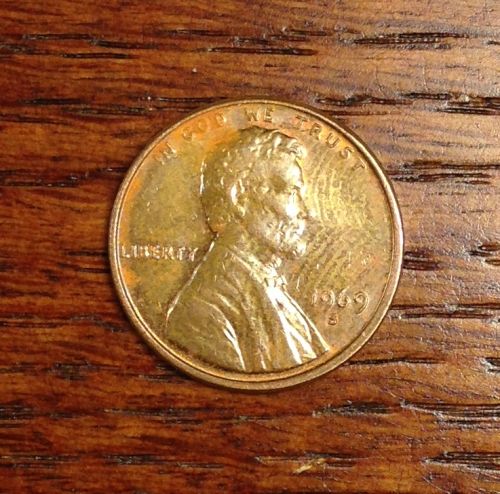
An oily fingerprint that eventually took permanent residency on the coin. Because the coin still has luster, the fingerprints standout more so than on a coin with a full patina.
|
|
Valued Member
United States
134 Posts |
Ingrained Fingerprint....OK thanks Silverworld11
|
|
Pillar of the Community
613 Posts |
|
|
Valued Member
United States
134 Posts |
|
|
Valued Member
United States
134 Posts |
So, is a coin surface porous and absorbs liquids which is why a fingerprint stays on coin permanently?
|
|
Pillar of the Community
613 Posts |
I have no idea on both Q's?.
|
|
Pillar of the Community
United States
4809 Posts |
CRH is for Coin Roll Hunting. In the Navigation box to the left, 4th item down is the Glossary. This is a great resource to use here to learn terms and abbreviations. I also highly recommend using the Search tool in the toolbar above (4th from the right).
The oil left by the finger on the coin surface does a couple things I think; penetrates the surface and collects dirt/dust. As the oil dries out, the deposits become attached thus leaving the fingerprint. I also suspect that acid that is present also etches the shiny surface. Once there and having attacked the substrate, the print is there rather permanently. Many coin hobbyists wear gloves for this reason to avoid putting a permanent mark on their collectables. Acetone within a minute or so of touching might reduce the overall impact, and why some folks will recommend giving a coin a bath before putting it into a flip.
Edited by Rackster
02/28/2015 10:09 pm
|
|
Bedrock of the Community
United States
62064 Posts |
Body oils, salt from perspiration, oils and other contaminants from food. Eventually these make the coin brown when they cover the whole coin. These contaminants eat into the surface of the coins finish.
When I bought this coin, the seller mention someone found it in a bag and the wire was in place, but came off when he touched it. The fingerprint wasn't there when I bought it, it showed up later on when it affected the surface of the coin. So be careful handing coins, holding them by the rim and never touch the faces of the coins. Otherwise you will leave your mark on a coin that time will make worse.
|
|
Pillar of the Community
 United States
5828 Posts |
This is why you use gloves on exspensive coins!
|
|
Page 2 of 2
|
Replies: 19 / Views: 2,199 |
Page 2 of 2
|







 First Page


 Posted 02/28/2015 8:12 pm