| Author |
 Replies: 12 / Views: 571 Replies: 12 / Views: 571 |
|
|
Pillar of the Community
United States
1849 Posts |
Just Kidding! Probably not  , but this coin intrigues me. I haven't seen a stamped IHC before in person, it seems like it would be difficult! 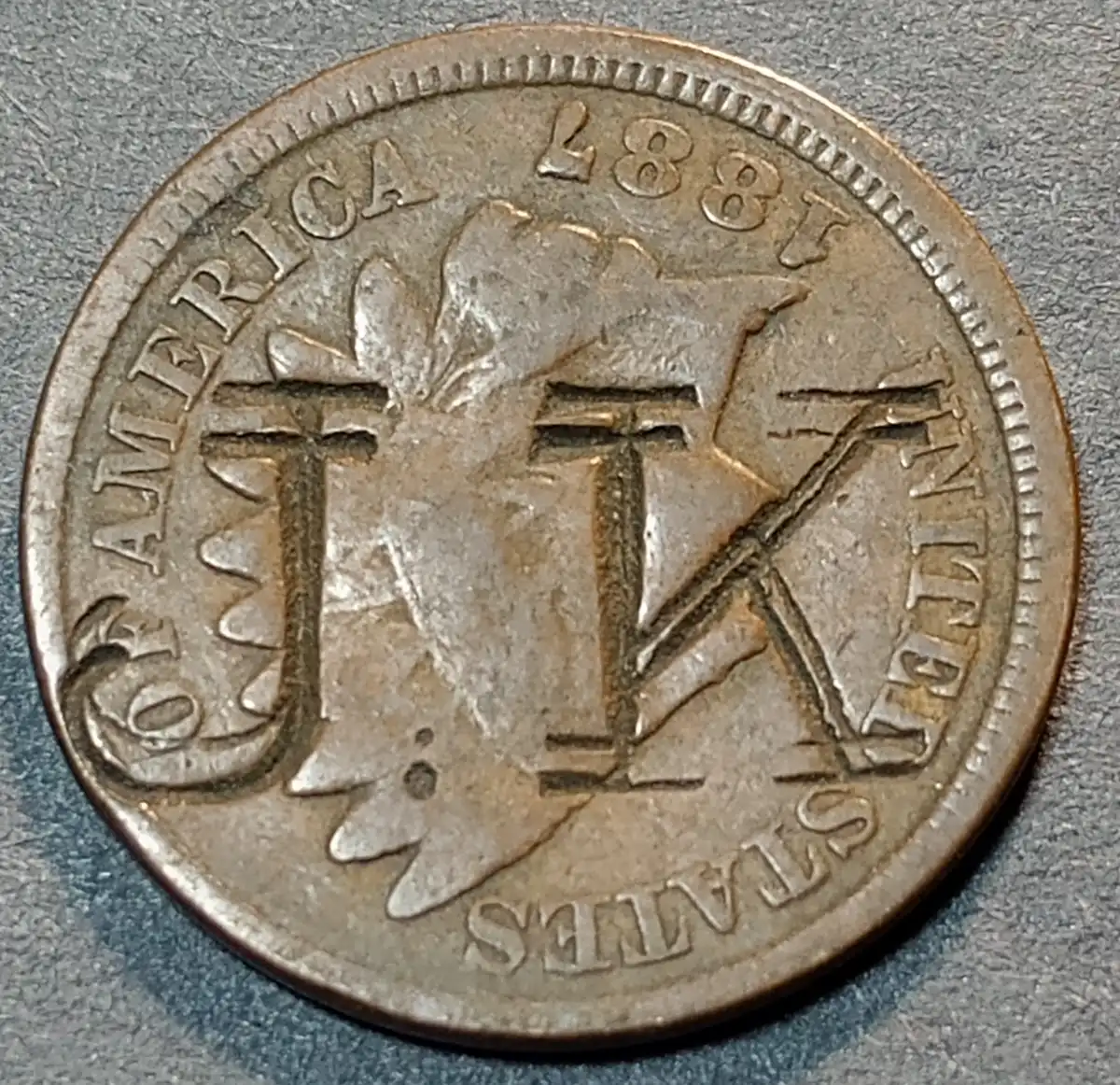 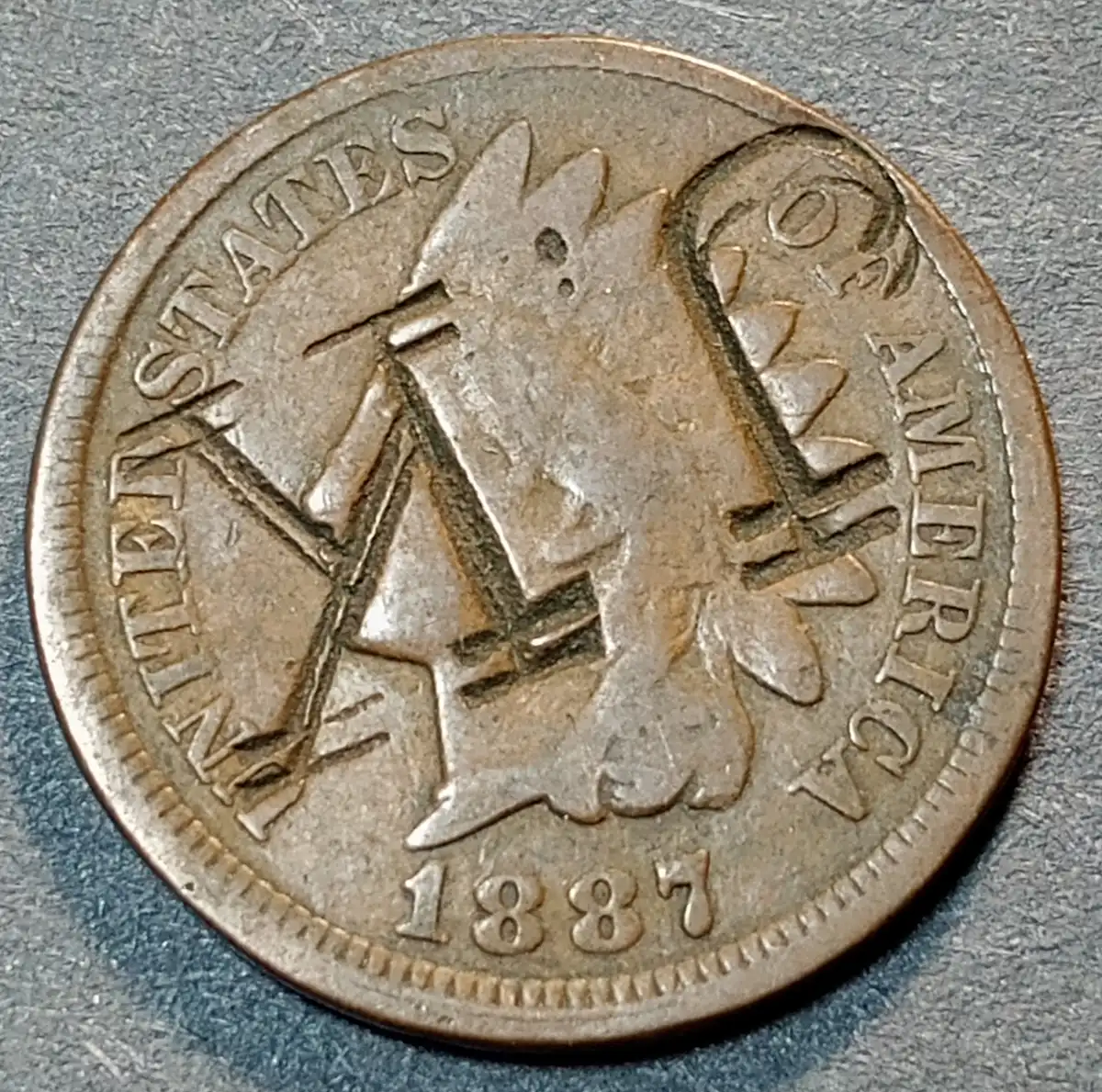 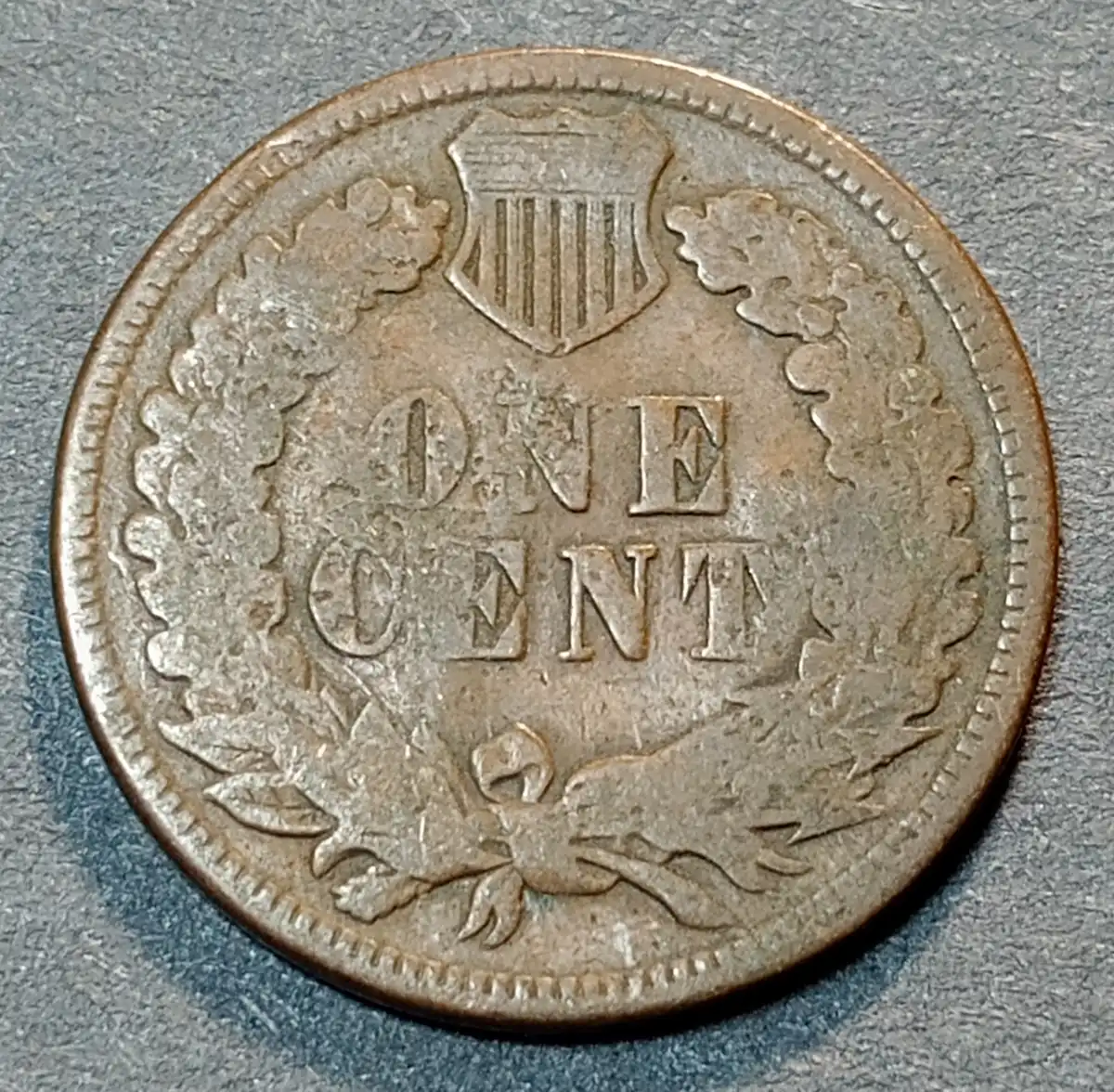 Edited by MintedNotPrinted
06/26/2026 11:27 pm
|
|
|
|
Pillar of the Community
United States
7378 Posts |
Looks like MMD to me..........man-made doubling.....  |
|
Bedrock of the Community
 United States
27514 Posts |
Very interesting coin, MintedNotPrinted! I wonder why they didn't align the c/s with the obverse.
Inordinately fascinated by bits of metal with strange markings and figures
|
|
Pillar of the Community
 United States
1849 Posts |
Quote:
MMD... man-made doubling... I like it!  Actually, I don't have a clue  Thank you, both! Edited by MintedNotPrinted
06/27/2026 02:18 am
|
|
Pillar of the Community
United States
4433 Posts |
Quote:
I wonder why they didn't align the c/s with the obverse. To my experience, the great majority of c/s's were produced for some utilitarian purpose. Placement of the stamp(s) would oftentimes be of no consideration; an example being that the purpose would be to simply test a punch. One of the many uses of c/s'd coins was as a marker to mark one's place in line, say at a shooting match or some other event. Another aspect of counterstamps was the choice of a host coin. Cents were by far the most readily available hosts. I've found that sometimes, the c/s issuer purposely selected a specific date and/or denomination to suit his purpose; for instance, a birth year or patent year. Along this line, well worn coins were preferred host coins for some; this, as the stamp would appear more prominent on said coin's surface. Perhaps, the 1887 date on the subject coin was significant, but we have no way of knowing. Judgimg from appearances, the doubled stamping evidences that this was a prepared, purposeful stamp; this, as opposed to individual letter punches. The isuer may have marked his tools or other possessions with his initials, perhaps? @MintednotPrinted ... You might consider using this cent to start a set of c/s'd Indian cents. It took me about forty years to complete my set. Surprisingly, the last date I managed to acquire was a common 1908. |
|
Pillar of the Community
United States
1849 Posts |
Thank you once more, ExoGuy! I think I'll do so, I'm getting close to only semi-key / key dates remaining in my IHC folder. I actually found this one while hunting for a common 1894 that's eluded me to finish up a page! Good long term project... Do you have yours in a standard Whitman/etc., or in a custom / dateless book for alternative sorting? |
|
Bedrock of the Community
United States
19655 Posts |
Very cool piece...I like it!
|
|
Pillar of the Community
United States
1849 Posts |
|
|
Pillar of the Community
United States
4433 Posts |
Quote:
Do you have yours in a standard Whitman/etc., or in a custom / dateless book for alternative sorting? No, I don't. In a few instances, the host coins were misshapened by a heavy stamping, so album holes don't work. Also, there are some attributed ones that have added value which are noted on the 2x2's. Vinyl binder pages suffice. I have about 400 Eagle and Indian cents therein. I do have one set of large cents in a Dansco album though, 1793-57. It lacks a 1799. I had an unstamped 1799 in that hole for many years. I do have a complete set of c/s'd Two Cent Pieces in an oldtime custom lucite holder. That one took many years to assemble as well. The 1864 SM was the last hole to be filled. I posted this set in another CCF thread some time ago. I've occasionally exhibited sets of c/s'd coins at club meetings and shows so as to fuel collector interest in this historic genre. To me, the ATTRIBUTION of individual c/s's is far more important than the ACCUMULATION of sets. That said, when collectors do get to see an album or other gouping of c/s'd coins, it's typically an eye-opening experience for them. |
|
Pillar of the Community
United States
1849 Posts |
ExoGuy, that has to be a very impressive binder to flip through! The Two Cent display is very unique too. I went back and looked at your Two Cent post, one of my favorite types... Very cool. |
|
Moderator
United States
108833 Posts |
nice doubled counterstamped IHC! nice commentary on this coin @ ExoGuy  |
|
Moderator
United States
197031 Posts |
Very interesting! |
|
Pillar of the Community
United States
1849 Posts |
Thank you, Dearborn & jbuck!
|
| |
Replies: 12 / Views: 571 |
|




 Posted 06/26/2026 11:57 pm





