First Page
 Previous Page


 Posted 12/02/2018 6:05 pm


Quote:
Basebal21, it is probably true that 2 or 3 people examine each coin to determine the grade, but does EACH of them examine it to confirm the particular die variety, or if it has markers that indicate that it is counterfeit?
Basebal21, it is probably true that 2 or 3 people examine each coin to determine the grade, but does EACH of them examine it to confirm the particular die variety, or if it has markers that indicate that it is counterfeit?
They always do for everything. The varieties are a trickier part of it as some are automatic, others you have to pay to have on the label but they will in the sense of authentic or not. Some label mistakes are simply they hit the wrong number keying it in. I know that is frustrating but with all the different numbers and millions of coins a year that does happen sometimes.
Quote:
That probably applies to PCGSs best expert on pre decimals and if he misses that the quality fake isn't real then the 2nd and 3rd grader will have buckley's chance in the 10-30 seconds they have to examine/grade/record their opinion.
That probably applies to PCGSs best expert on pre decimals and if he misses that the quality fake isn't real then the 2nd and 3rd grader will have buckley's chance in the 10-30 seconds they have to examine/grade/record their opinion.
The whole grading time thing is an internet rumor. They obviously don't spend an hour on every coin but they take the time they need to. There is no countdown timer saying time to move on times up. Many coins only take a few seconds others take a lot longer.
Do fakes get through sometimes yes, as fakes have gotten better. It's exactly why they developed the AI gold shield program to help with that knowing that they have to try and stay a step ahead. Coins are a lot like guns and body armor, it's a back and forth where sometimes the other side has to do something before you can know how to beat it.
That said if they certify a fake they will pay up. There is a process and they do stick by it, but you have to go about it the right way which I have tried to help people with in the past. The fake itself when it's that good can often be worth more than the real coin as they are collectable in their own right and they won't overpay to counter that if money is the concern.
Quote:
A dipped coin sold as original is deception by definition.
A dipped coin sold as original is deception by definition.
A properly dipped coin you cannot tell it was. Many people claim they can based off the look, that's just not how it works. They guess because it wasn't toned, but a coin in the middle of a roll or stored well ect looks the exact same. Dipping is perfectly fine and in some cases saves a coin from what was on it when done right with the right coins.
Quote:
No, not even close. Deception, like fraud, requires intent. As stated a properly dipped coin is undetectable so unless the seller dipped it himself, there is no deception.
No, not even close. Deception, like fraud, requires intent. As stated a properly dipped coin is undetectable so unless the seller dipped it himself, there is no deception.

Quote:
So although the ignorant seller has no intention to deceive (lie) they still have committed unintended deception (an untruth) on the buyer.
So although the ignorant seller has no intention to deceive (lie) they still have committed unintended deception (an untruth) on the buyer.
Which everyone on the planet has done including yourself if that is the impossible standard you want to hold something too.
Quote:
Just because the seller is ignorant doesn't mean the buyer hasn't been deceived.
So if an expensive purchase comes back with a No Grade on the slab you would reply "Who cares"?
Also if a coin looks BUnc after dipping but takes on a weird colour after a few years you wouldn't care?
Many of the fakes I own (including those in PCGS slabs) can only be detected with a loupe. So if you can't detect a fake with your naked eye you couldn't care less?
Just because the seller is ignorant doesn't mean the buyer hasn't been deceived.
So if an expensive purchase comes back with a No Grade on the slab you would reply "Who cares"?
Also if a coin looks BUnc after dipping but takes on a weird colour after a few years you wouldn't care?
Many of the fakes I own (including those in PCGS slabs) can only be detected with a loupe. So if you can't detect a fake with your naked eye you couldn't care less?
Fakes have nothing to do with dipping. Non dipped coins can change colors after a few years as well.
If you want to hold things to these standards it would be best to avoid coins all together as anything can change color depending how you store it, where you live ect. You are applying a lot of things to dipping that applies to all coins.
Most people really don't understand what dipped coins look like done right or how they react. They just hear things about them or see some bad ones and assume it is a bad thing. It's only bad when done wrong or if you wanted a toned coin and it took that away.
Dipping is by far the most misunderstood subject when it comes to coins
Edited by basebal21
12/02/2018 6:08 pm
12/02/2018 6:08 pm


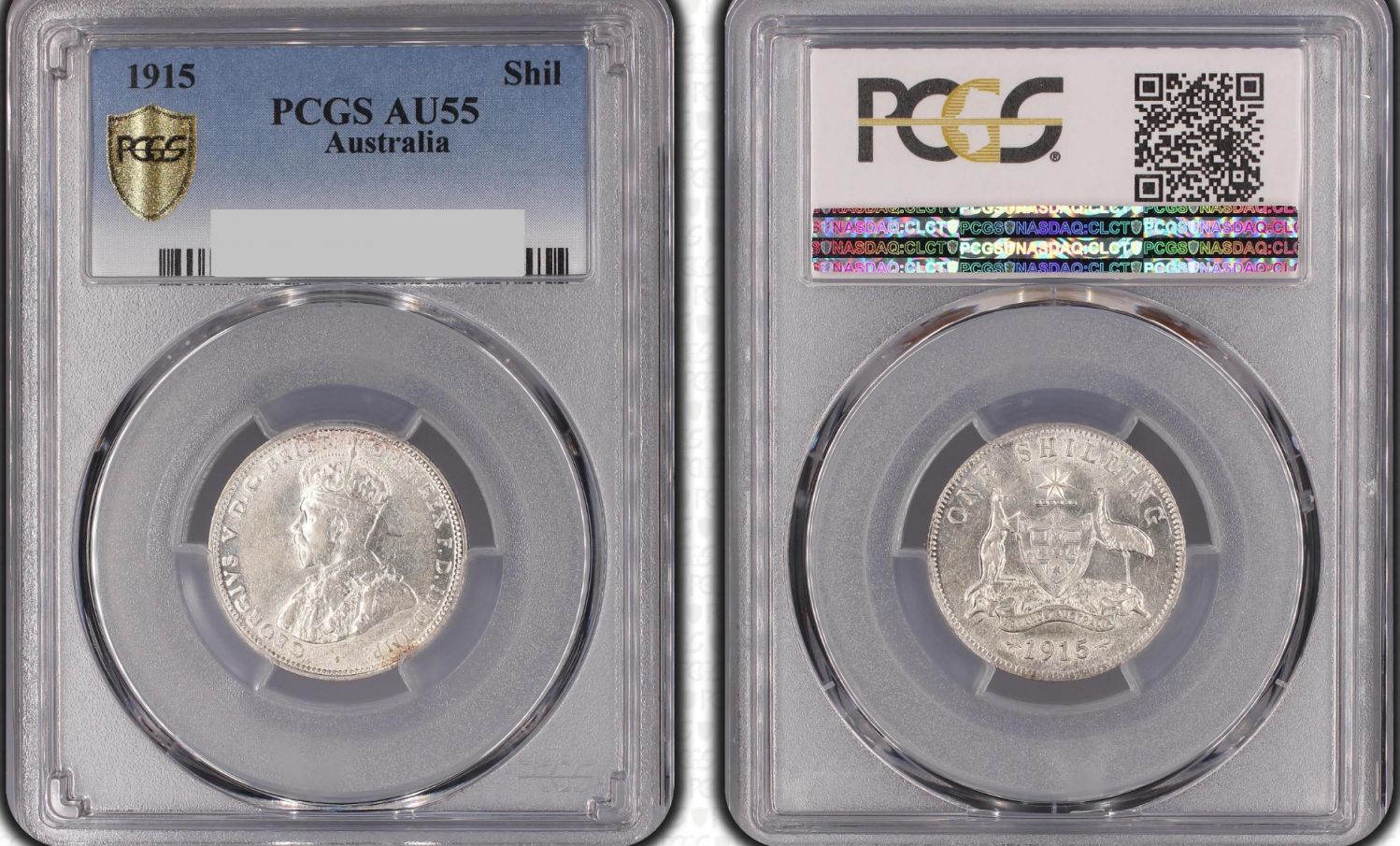
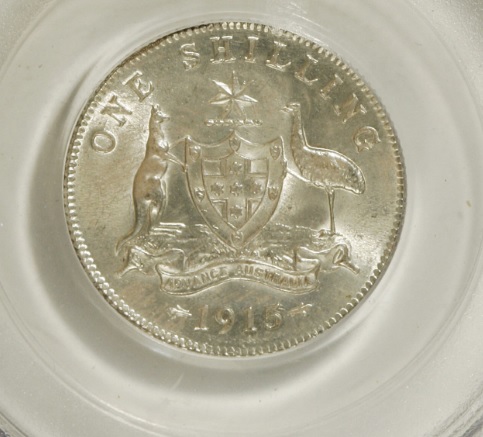
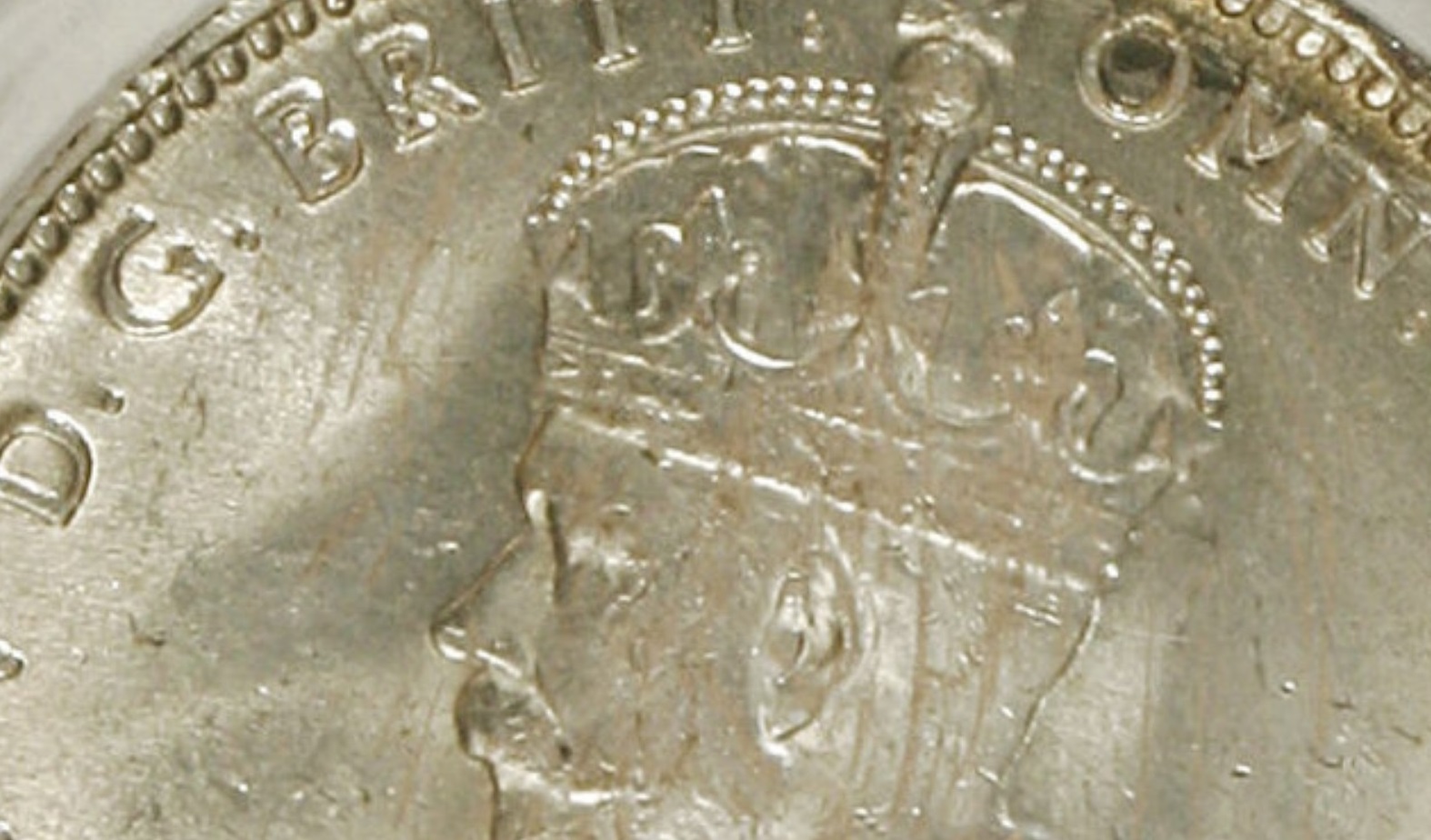
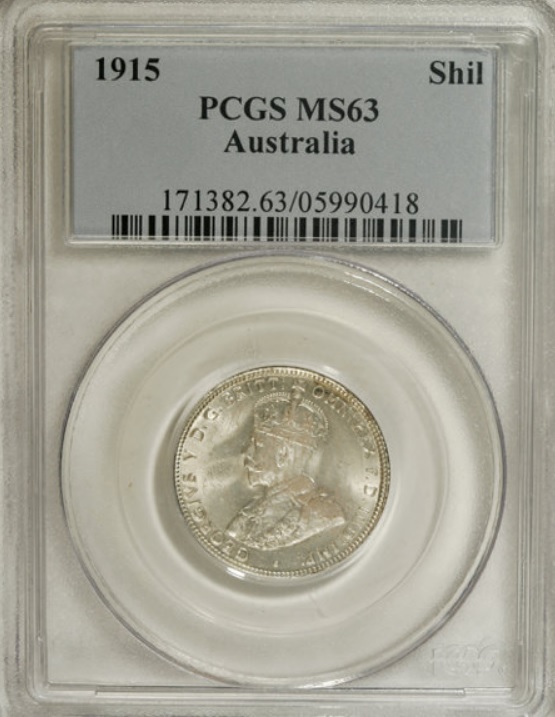
 Here is a real life picture of the second coin. ^^