| Author |
 Replies: 37 / Views: 7,671 Replies: 37 / Views: 7,671 |
Page 3 of 3
|
|
|
|
Forum Dad
 United States
24224 Posts |
YES! I've seen one of those!
|
|
Forum Dad
United States
24224 Posts |
PMD, Post Mower Damage at Citizens Bank Park. There was a witness so we KNOW what happened to this one.  |
|
Valued Member
 United States
252 Posts |
I have a dime that looks like it was ran through a gear box,it has small cog indents on both sides but since I found it in circulation I can't say where it happened.
|
|
Pillar of the Community
United States
1915 Posts |
Bobby, the witness was drunk so it does not count
|
|
Forum Dad
United States
24224 Posts |
Nope, stone sober 9AM the next morning after a Zac Brown Band concert. He was riding the mower.  |
|
Pillar of the Community
United States
5964 Posts |
I'm thinking 90 some percent of attributions is based in science. Knowing the minting processes is knowing the clues on the coins. The experts agree 90 some percent of the time. Numismatics would be in serious trouble without them. They do disagree occasionally, but that is true in all professions. When they do, I think it's prudent to find out why. That way, us laypersons can use our own brains for a change.  |
|
Pillar of the Community
United States
526 Posts |
Just to mention trail dies / way steps (one in the same thing) are now not considered doubled dies by any of the experts that I know. They are a separate anomaly type that is believe to be caused during the making of the die (hub). As to the exact cause, no one and that goes for the U. S. Mint knows how it happens
For general information, the earliest trail die was found on an 1869 coin from Uruguay, so they have been around for awhile!
BJ Neff
Edited by BJ Neff
02/01/2016 10:09 am
|
|
Pillar of the Community
United States
5964 Posts |
Yes, they have been around a long time and are very different from each other. The Trail doesn't duplicate the design, it extends it. Trails are, and always have been made from horizontal movement of the die against the hub. The cause of the movement is where there is room for debate. With the advent of the single squeeze process, there are more and stronger TD's being manufactured, and while more DD's are being made, there are fewer strong DD's. The future is in TD's unless (as Mike Diamond has mentioned), the Mint decides to return to the old process. In that event, the price of the already manufactured TD's will skyrocket. Either way, the future looks good for Trail Dies. I read your book, BJ. I think 90 some percent of what's in it, is agreed upon by the experts.
Edited by CoinMasters
02/01/2016 11:02 pm
|
|
Valued Member
United States
252 Posts |
Thank you bj neff on the info about how long trails has been around,i have found a few, one was strong,the other 2 were light I put 2 of them in my collection and sold 1 of them,i am more of a collector than a seller because if I get rid of something odds are I won't find it again.
|
|
Pillar of the Community
United States
5964 Posts |
Here's one with Wavy Steps, Kevin. Trails in the steps. 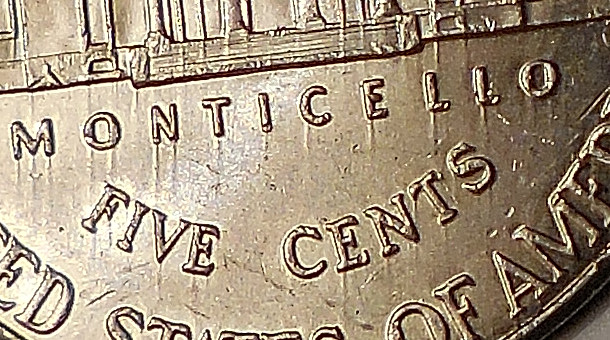 |
|
Valued Member
United States
252 Posts |
|
|
Valued Member
United States
252 Posts |
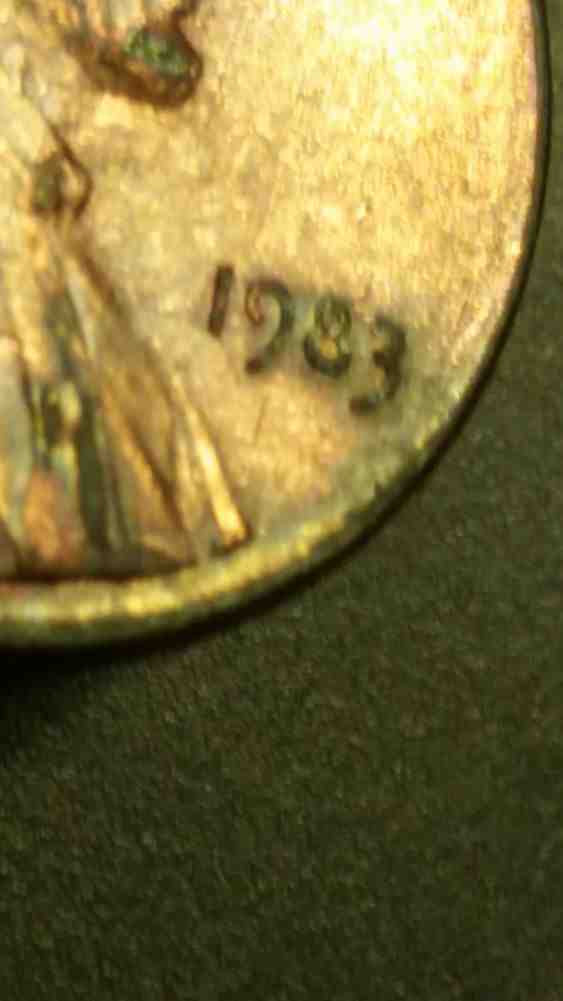
Sorry if the picture isn't that great it is the best I can do,earlier on this post a comment was made that copper coating doesn't get peeled off,well I know from reading info on double dies that there is a md that is caused by the coin sticking to the die,from time to time I have came across coins like this one that the coating looks like it was peeled off,pulled off what ever someone would like to call it and on the letters or numbers you will see the design not as rounded as when the copper is covering it,so my thought and it is a thought is when the design is being etched out on the die if it might move a hair or when the making the working die it might move a hair so that after the die presses into the planchet that it leaves a little notch but doesn't show a double line going up the letter or if it makes some letters wider.
|
|
Pillar of the Community
United States
5964 Posts |
The copper-plating is so thin it often "splits" around devices. The split plating often resembles doubling. The lighting on your pic doesn't look too bad, but you need to keep the camera still when you shoot.
|
|
Valued Member
United States
252 Posts |
The coin in the picture doesn't show any doubling I was using it as an example to how when the copper to me looked like it had been peeled,pulled,and yes splitting how ever it came off,shows more straight,flat,not as rounded images,and just thinking that if that part of the design may resemble more of the features of the die before it is pressed into the coin,i have seen pictures of coin dies from side views so I have to speculate how they look when the design is etched on to them from my past experience in molding or pressing things together leaves a similar but different than the raw design impression,so could it be when we see a little notch at the bottom of a coin or extra thick letters with no out line of a double image is it because that the doubling is so close to the raw design that after pressed it doesn't show the full doubling,that the finished coin that shows the design more rounded covers it up.it is just a theory and I have put it into words the best way I can to try to explain what causes an extra thick letter or a little notch on the bottom,please don't misunderstand I am not saying they are not double dies,i am only speculating as why we may not see a full double image and am looking for any one else that may have a theory or has seen the face of a die and put a coin up to it to see the difference from the raw die to the finished coin.
|
|
Pillar of the Community
United States
5964 Posts |
There are different types of Doubled Dies. They reflect what is on the die. There are different types of "worthless" doubling, some reflect what is on the die and some do not.
|
|
Page 3 of 3
|
Replies: 37 / Views: 7,671 |
Page 3 of 3
|







 First Page
 Previous Page

 Posted 01/30/2016 12:29 pm