Assuming that multiple languages on the same coin count, I definitely have coins with legends in...
Latin (duh)
Greek (duh)
Cyrillic (duh, I'm from Russia)
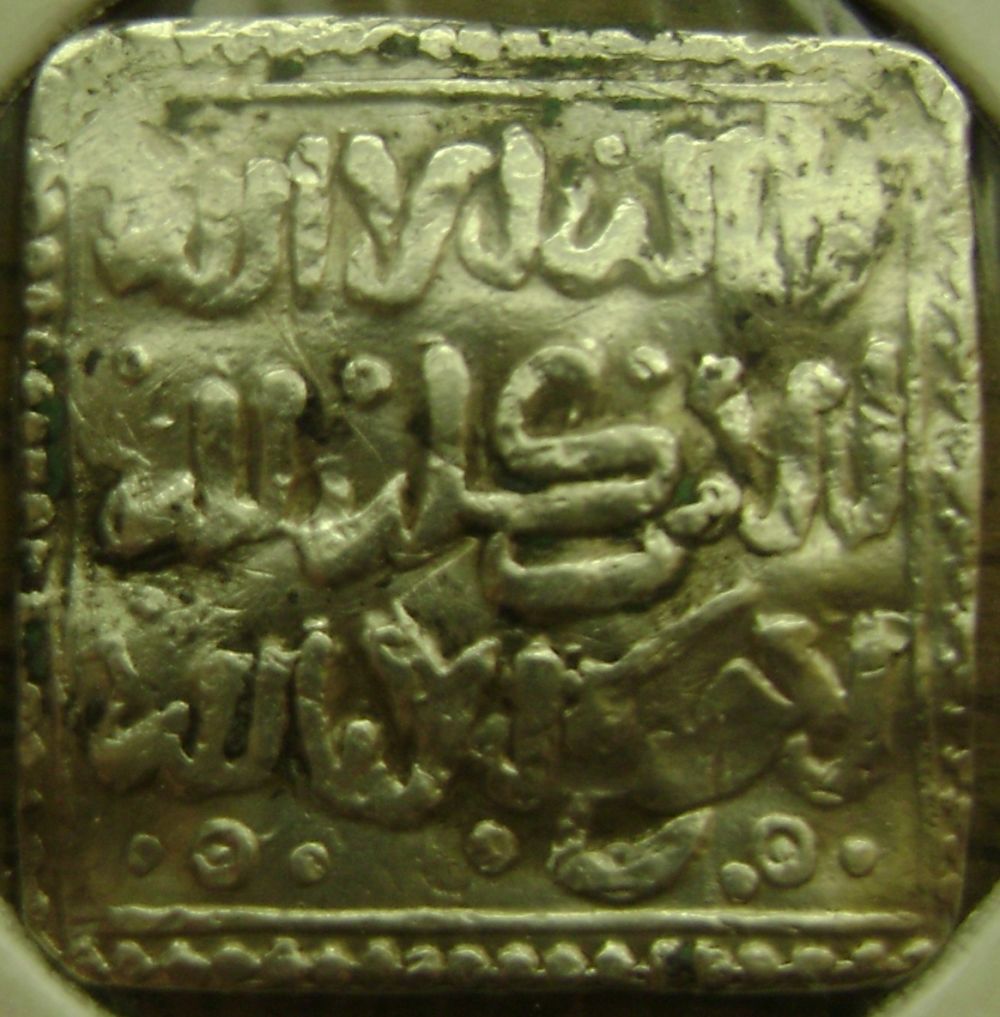
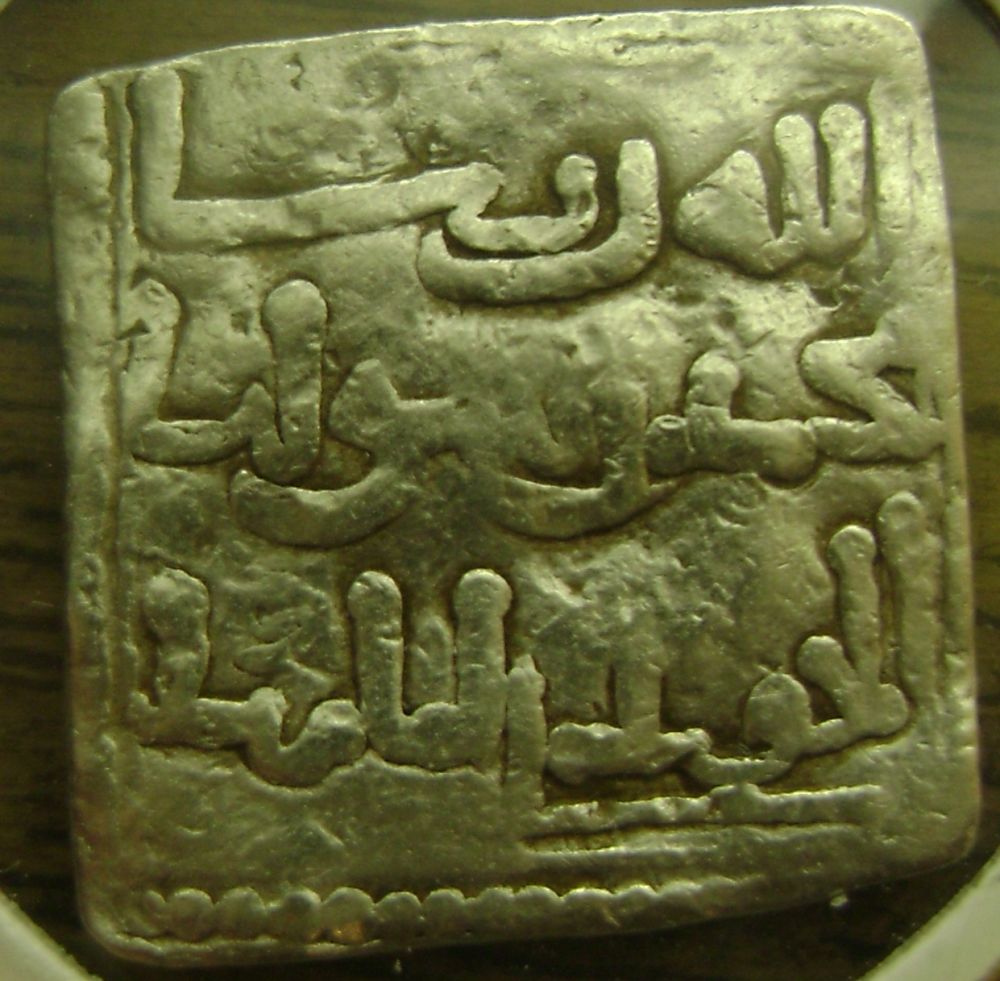
Arabic (including Farsi and Urdu)
Chinese (including Japanese)
Hebrew
Armenian
Georgian
Thai
Lao
Burmese
Cambodian
Devanagari (assorted)
Manchu (on Chinese cash)
Ge'ez (Ethiopia)
Sinhalese, Tamil (Sri Lanka)
Javanese (Netherlands East Indies 1 cent)
Telugu, Bengali (British India 1 anna)
I'll have to check my Korean coins, can't recall if they have any Hangul writing.
Still looking for Mongolian coins with non-Cyrillic Mongolian. (Missed out on a few that I thought were too expensive.) Don't think I have any.
Some circulating Israeli coins have "ancient Hebrew" (Phoenician?) legends (quite a long one on the 10 sheqel), but I'm not sure if that counts as "functional language". (The text on the 10 sheqel exactly repeats the modern Hebrew text nearby.)
Similarly, the 50 cent coin of Cyprus included a short inscription in the ancient Cypriot script. (This almost certainly doesn't count - just including it for completeness' sake

)
I wonder if coins with Glagolitic legends were ever made; the script apparently persisted in some South Slavic areas up to the 19th century.
And this coin from (probably) Arados, Phoenicia is supposed to have some Phoenician (or Punic, not sure what's the difference) legends, but between the ugly condition, the awful photos and the unhelpful references, I can only see one letter - immediately right of the leftmost figure...
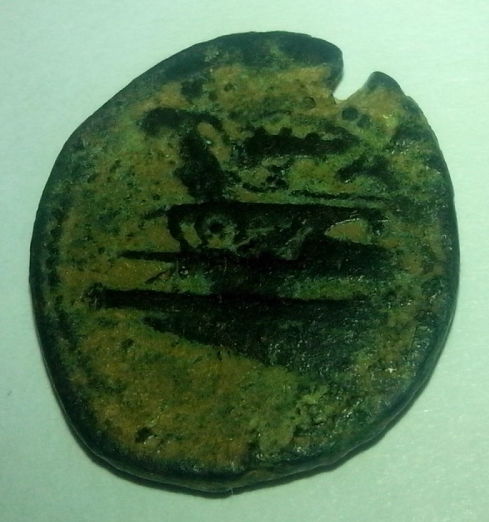
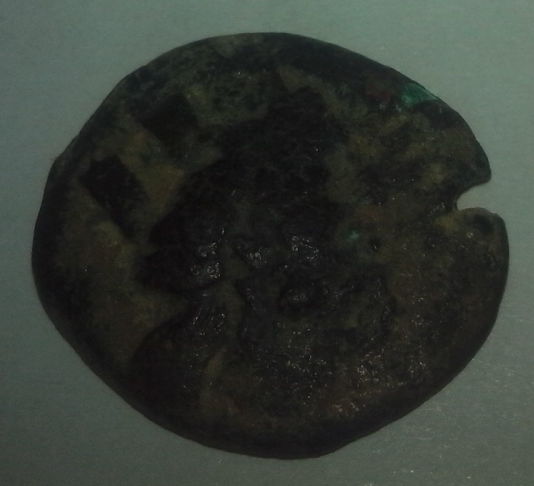
(That's a turreted head of Tyche on the black side, and a galley with Athena left and Poseidon seated right on the green side. There's a definite Phoenician/Punic letter between the two figures, and there should be other letters in other places but I can't see any.
That said, I bought this coin for silly low money, under an obviously bogus attribution of "2nd century antoninianus", so I don't really have a reason to complain. But whatever.)







 First Page




 Posted 05/13/2016 5:51 pm





