Coin Community Family of Web Sites Join Thousands of Coin, Bullion, & Money Collectors
Specializing in Modern Numismatics Join Thousands of Coin, Bullion, & Money Collectors Royal Estate Auctions - $1 Coin AuctionsRoyal Canadian Mint products, Canadian, Polish, American, and world coins and banknotes. Coin, Banknote and Medal Collectors's Online Mall 300,000 items to help build your collection! Vancouvers #1 Coin and Paper Money Dealer


Username:
Password:
Save Password
Forgot your Password?


This page may contain links that result in small commissions to keep this free site up and running.

Welcome Guest! Registering and/or logging in will remove the anchor (bottom) ads. It's Free!

Mexican 8 Reales Recovered From The Wreck Of The SS New York

To participate in the forum you must log in or register.
First Page  Showing last 15 replies.
Author Previous TopicReplies: 19 / Views: 6,081Next Topic Page 2 of 2
Pillar of the Community
United States
5362 Posts
 Posted 01/06/2019  11:49 pm  Show Profile   Bookmark this reply Add swamperbob to your friends list
I am raising this topic once again to provide an updated report on my progress to date and to correct a few of my initial beliefs which need to be modified.

The actual number of records that NGC allows on a look-up averages 7 per hour. Not a lot but it has proven adequate to proceed.

At the present time, I have identified 36 individual invoices that included silver and copper coins. I have also identified 12 invoices that list only gold coins. I have not bothered collecting detailed data on the gold coins since there are published records of the gold recovered.

The 36 invoices are of two distinctly different types. The lowest and highest number invoices (which I presume to represent the initial and final submissions) are the most random in nature. These are also of varying length. There are 11 invoice numbers in that group - the 8 lowest and the three highest.

The 8 lowest invoice numbers fall between 1212989 and 1215094. They vary in the number of coins per invoice from a low of 30 to a high of 140. In all these 8 invoices include 716 coins and most of the World Crowns.

The last three invoices 3297121, 3371377 and 3455823 range from a low of 14 coins to a high of 119 coins (148 total). These are a mixed bag and include the majority of coins returned to the salvors by NGC as "Unsuitable for encapsulation".

The easiest group is the second one, a group of 25 invoices numbered between 1970084 and 1975083. These invoices include 50 coins per invoice and the submissions are alpha-numerically sequenced by country, denomination and date. There are 1250 coins in this group.

So the grand total that I have looked up on NGC is 2115 coins in invoice order. I did a second hand counted tally done by country and denomination that ended up with 2116 entries so I have a failure to check of ONE coin. Not too bad and statistically insignificant.

Most of the data gathered confirms what I suspected to find but some individual statistics were very surprising. I am not sure how much of this data will be of general interest so I will start with overall statistics and then move into more detail as interest dictates.

The only copper coins listed were US Large Cents. Not surprisingly there were only 17 cents the rest were all silver coins 1199 in total. Here is a list of the numbers of US coins by denomination:

US Cents 17 1.07%
US Half Dimes 25 1.58%
US Dimes 99 6.25%
US Quarters 111 7.01%
US Halves 1,330 83.97%
US Dollars 2 0.13%
US coins total 1,584

So about 84% of US coins in the group are Half Dollars.

World coins break down differently. The list is by comparable value based on the Reales system.

Copper cents 0 0.00%
Half Reales 0 0.00%
Reales 31 5.82%
Two Reales 96 18.05%
Four Reales 17 3.20%
Crown (8R) 388 72.93%

World Coins Total 532

Crowns predominate world coins with almost 73% of total.

When I read the auction releases and info about the wreck in publications I expected to find a wider distribution of world coins present. Out of the 532 coins 494 are Spanish Colonial or former Spanish American colonies. 450 are actually Mexican.

There are only 3 World coins of the 2 reales size - two English Shillings and a single fractional Taler. There are only 35 world Crowns and most of these are French 5 Francs.

As I suspected from Riddell's work Mexican coinage predominated. Of the dollar coins found only 1/2 of one percent (2) were US and 9% (35) were World crowns other than Mexican. Mexican crowns were 91% of the coins in circulation.

I still face the same problem of not having seen the encapsulated coins. Of all the coins encapsulated I have managed to see only 102. Of those at least 3 are in fact counterfeit and one is mislabeled Guanajuato when the mint is actually Chihuahua. There are two coins dated AFTER the ship sank - an 1847 Mexican 8R and an 1857 French 5 Franc. The last two are impossible since the ship sank in 1846.

The most common coin recovered from the wreck and encapsulated is the 1844-O Half Dollar (230) and the second most common the 1845-O Half Dollar (223).

I was somewhat surprised that the coins were dated as closely to the wreck as they were. There were as many US coins dated in the three years 1846, 1845 and 1844 as all dates before that. I conclude that when coins circulated as specie (full intrinsic value) and wear caused them to stop circulating quickly, that older coins were even less common than the silver change I grew up with in the 1950s.

The two US dollar coins were dated 1795 and 1798 both Heraldic types. I wonder if these were circulating coins or pocket pieces - I have the same suspicion about the 17 large cents. Of the 17 one cent coins 6 were dated 1845

There was one rare US coin an 1815/2 But Half Dollar and a fairly rare Mexican Durango Hookneck 8R from 1824. There were far more New Orleans mint issues among US coins than Philadelphia - not surprising since the ship ran from Galveston, Texas to New Orleans, Louisiana.

Since I know there were at least 3 counterfeits within the 102 coins I have seen a 3% counterfeit rate is supported. However, I view the sample of 102 coins as too low to be completely accurate. So given that there were 450 Mexican 8Rs recovered I would expect that no fewer than 10 other counterfeit Mexican 8Rs may be in NGC holders.

If anyone can help by locating other invoice numbers or any other data on this wreck I would be very interested.

I can also extract many other details if anyone is interested.

Pillar of the Community
United States
1156 Posts
 Posted 01/08/2019  09:48 am  Show Profile   Bookmark this reply Add jgenn to your friends list
swamperbob said:

Quote:
I can also extract many other details if anyone is interested.

Yes, please let us know what other details you have surfaced through your analysis.
Pillar of the Community
United States
5362 Posts
 Posted 01/08/2019  5:55 pm  Show Profile   Bookmark this reply Add swamperbob to your friends list
jgenn That question is wide open, but I will list the most significant findings.

I have concluded that the silver coinage submitted to NGC (2116 coins) represents all of the coinage that could be precisely identified. In the 2009 sale by Stacks the silver coinage total was estimated as just over 2000 coins. Of the coins submitted to NGC, there were 34 coins that were found to be unsuitable for grading. I believe that these unsuitable coins along with some unidentifiable coins were used in the 36 lots from the 2009 Stack's sale that were encased in lucite blocks along with miscellaneous artifacts. There were 2082 silver coins encapsulated.

I suspect that no detailed list of coins by date was released before the sale because there were so many duplicates of a very few limited dates.

For example of all the US silver coins, 62.25% were dated in the 6 years immediately before the wreck. There were 230 half dollars dated 1844-O and 223 dated 1845-O. If that fact were well known at the outset prices might have been lower. These dates are not rare.

The 10 years 1830-39 account for only 20.7% of the recovery. The 10 years 1820-29 account for only 9.9%. All they years before 1820 represent only 4.4% of the total.

This supports my belief that low grade (older) coins did not circulate in commerce very well. Unlike the 1960's when silver coins were tokens, in the 1840's the value of the coins (then specie) was based on the intrinsic worth of the metal itself. Wear represented a genuine loss of value.

When I started this process I had hoped to see more World coins (coinage that was not Spanish American). However, that was not what was present. Here are the World Coin Totals.

France 26 - 5 Francs
Germany 7 - Talers
Austria 1 - Taler
Italy 1 - 5 Lira
Peru 2 - 8 Reales
No. Peru 1 - 8 reales
Central America 1 - 8 Reales

Mexico 450 - all denominations
Spanish Colonies - 44 all denominations.

The French 5 Francs were only worth 75 cents each not $1 so they would have not circulated well in my opinion. David Bowers believed that the 5 Francs were present because Louisiana and Texas had large numbers of people with a French background. But would there be a connection with France in the 1840's which would have provided 5 Francs in large numbers? I suspect that French coins may have arrived in Galveston in commerce from the Caribbean but were likely headed for the mint in New Orleans for recoinage.

The world coins represent a wider range of dates. The oldest Mexican coin is of the Dos Mundos variety (pre-1770) and the oldest 5 Franc dates to 1793. Many of these older coins may have been destined for the melting pot as well. When a silver coin lost 5% of its value it was recycled to keep the value of circulating coinage intact and the reputation of US specie high in the eyes of world bankers. Worn coins were discounted in commerce and saw more restricted circulation.

Mexican issues have a similar breakdown as US coinage with newer varieties circulating in large numbers. There were 460 Mexican coins recovered, of these 353 were 8 Reales and of those 335 were Cap and Ray types made after 1824.

So once again newer issues predominate. In the minor denominations the 2R was the most commonly seen type.

I treated Spanish American as a group distinct from World. Under world there are only 4 coins from the Republics that arose from Spanish Colonies. This goes along with statements from the US mint that the Republics other than Mexico were not as relaible in silver content.

Here are breakdowns.

All Spanish American Coins 494 (plus 4 from the Republics)

The 494 coins consist of 460 Mexican and 34 from the other colonies of all denominations.

The Non-Mexican issues (34) break down to:

6 eight reales
6 four reales
20 Two reales
2 Reales

Only 2 of the 6 eight reales are colonial 4 are Republican. The colonial 8Rs are one Potosi and one Guatemala. The Republican issues were noted above three Peru (including 1 North Peru) and a Central American 8R.

The 6 four reales are all colonial types. Three came from Bolivia, two from Lima and one from Guatemala.

The 20 two reales are 19 colonial and one penninsular issue from Spain. The 19 colonials are two from Bolivia, 10 from Peru and 7 from Guatemala.

The 2 reales are from Lima and Colombia (NR).

The Mexican issues are predominantly 8Rs 353 in all as noted above. There are 17 four reales, 93 two reales and 31 reales. There are 19 coins in this group that fall into unsuitable. Some of the unsuitable did not have mint marks.

This confirms that as late as 1846 that Mexican 8Rs were the dominant dollar coin in circulation and that other 8R coins were insignificant.

As noted earlier, I have seen 102 coins in all but of these only 42 are Mexican 8Rs. I have seen three circulating counterfeits two of which were listed in Riddell's book. The counterfeit rate for this extremely limited view of the Mexican coins is almost 11% which equates well with Riddell's estimated rate. Projected over the total of 353 coins, I would anticipate that there 32 more counterfeits left to be identified.

Now all I need to do is to locate all of the owners of Mexican 8Rs and to review photos of their coins.

All in all a nearly impossible task without a lot of help.

Edited by swamperbob
01/08/2019 6:03 pm
Pillar of the Community
United States
1156 Posts
 Posted 01/10/2019  12:15 am  Show Profile   Bookmark this reply Add jgenn to your friends list
I'm not sure how much I can help but I can post to other coin forums about your interest in encapsulated SS New York Cap & Ray 8 reales. Let me know how to provide your contact info if you want me to proceed.
Edited by jgenn
01/10/2019 12:17 am
Pillar of the Community
United States
5362 Posts
 Posted 01/10/2019  4:02 pm  Show Profile   Bookmark this reply Add swamperbob to your friends list
jgenn I have no problem giving out my email address for contacts swamperbob22@aol.com

They can also write to Swamperbob Associates
Po Box 425, Hope Mills, NC 28348

or call me at 910-425-1124
Pillar of the Community
United States
1156 Posts
 Posted 01/10/2019  8:33 pm  Show Profile   Bookmark this reply Add jgenn to your friends list
I posted on NGC in the "Ask NGC" forum about the SS New York population report of gold coins that was released in 2008 and asked if they could provide a full report for all of the encapsulated coins. I imagine the initial report was done for marketing purposes so I'm not holding too much hope for any effort on their part so long after the first sales.

I know you are looking for more than just the population report but I thought I would see what kind of response, if any, they might provide.
Edited by jgenn
01/10/2019 8:43 pm
Pillar of the Community
United States
5362 Posts
 Posted 01/01/2020  9:27 pm  Show Profile   Bookmark this reply Add swamperbob to your friends list
It has been almost 1 year since my last post to this thread. During that time I have made a small amount of progress.

During the past year 5 new examples of Mexican 8Rs from the wreck of the SS New York have been posted for sale on ebay and elsewhere. This raises the number of 8Rs I have actually seen to 47 coins.

On January 8, 2019 I said the following:


Quote:
I have seen three circulating counterfeits two of which were listed in Riddell's book. The counterfeit rate for this extremely limited view of the Mexican coins is almost 11% which equates well with Riddell's estimated rate. Projected over the total of 353 coins, I would anticipate that there 32 more counterfeits left to be identified.


Anyone who knows and understands me realizes that I now focus on Counterfeit Cap and Ray coins. I have seen 47 of the Mexican 8Rs and FOUR are circulating counterfeits. Of the four only one was identified as a counterfeit on the holder.

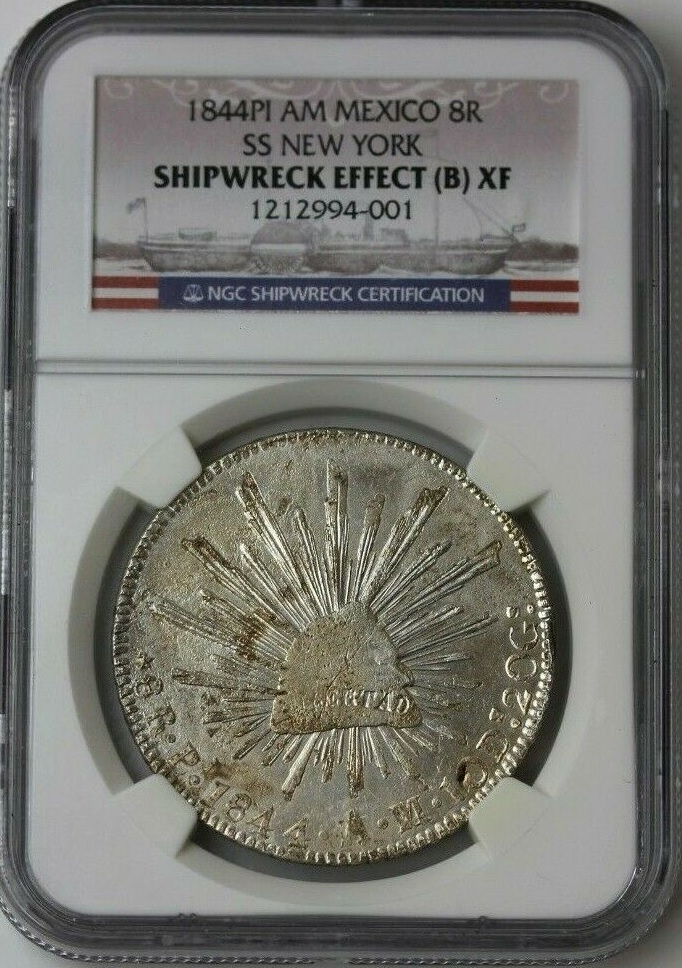
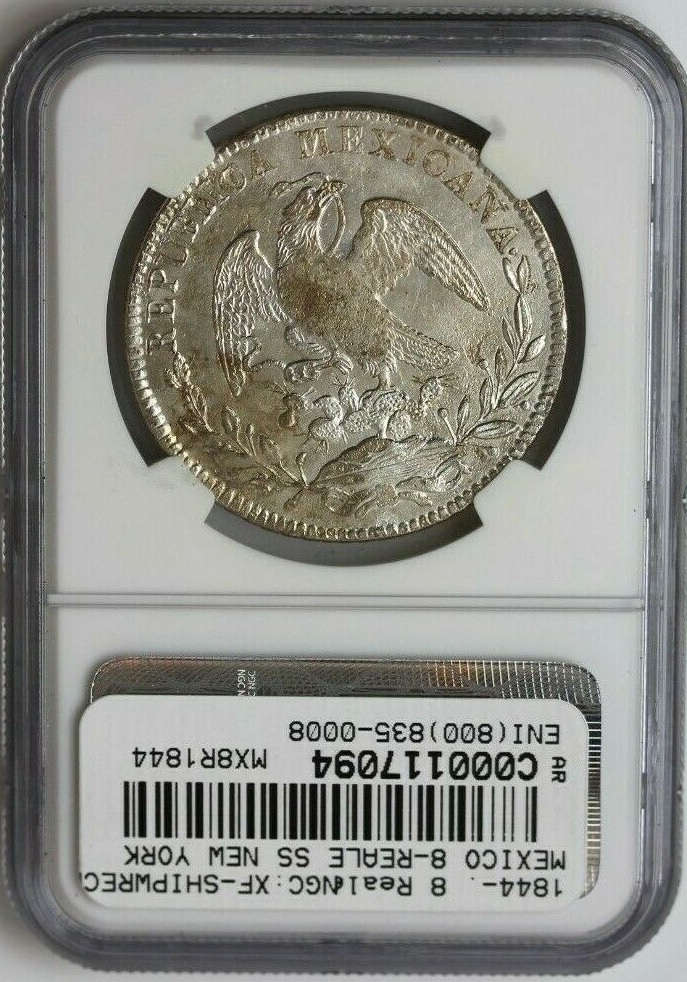
For those interested in my counterfeit project - here is the newest addition to the CCC group. It is a Riddell mule using one Riddell numbered die and a second die that was created with the same "King Punch" used on a different Riddell numbered die.

Here is the new discovery.

Mexican-8-Reales-Recovered-From-The-Wreck-Of-The-SS-New-York


Mexican-8-Reales-Recovered-From-The-Wreck-Of-The-SS-New-York

I am still looking for other examples to add to the counterfeit list. If any one has knowledge of the owners of any SS New York shipwreck Mexican 8Rs, I would appreciate being put in contact with the owners.

If anyone looking at this coin needs help recognizing it as a counterfeit - ask questions.

So far the Riddell estimate of the number of counterfeit Mexican 8Rs in circulation seems to be valid.
Pillar of the Community
United States
1156 Posts
 Posted 01/10/2020  10:12 pm  Show Profile   Bookmark this reply Add jgenn to your friends list
I am shocked by the lack of response to swamperbob's latest update to this thread. Although I don't collect contemporary counterfeit Cap and Rays, I think this endeavour is hugely important to gathering empirical data about the number of counterfeits that may have circulated alongside genuine issues. Thanks for posting the update, swamperbob, and best wishes in tracking down more examples from the SS New York. Please, please, please post about your progress again.
New Member
United States
47 Posts
 Posted 01/11/2020  7:05 pm  Show Profile   Bookmark this reply Add xlrcable to your friends list
Well I for one would like to know what gives this one away. Is it just die characteristics? The surfaces look odd to me but I'm not able to identify a specific problem.
Pillar of the Community
United States
5362 Posts
 Posted 01/11/2020  10:44 pm  Show Profile   Bookmark this reply Add swamperbob to your friends list
xlrcable

I was hoping someone would ask exactly that question.

When I began collecting 8Rs back in the early 1960s Mike Dunigan's book Resplandores was almost 40 years in the future. So there were no places to go to see what any given design type looked like in a given year.

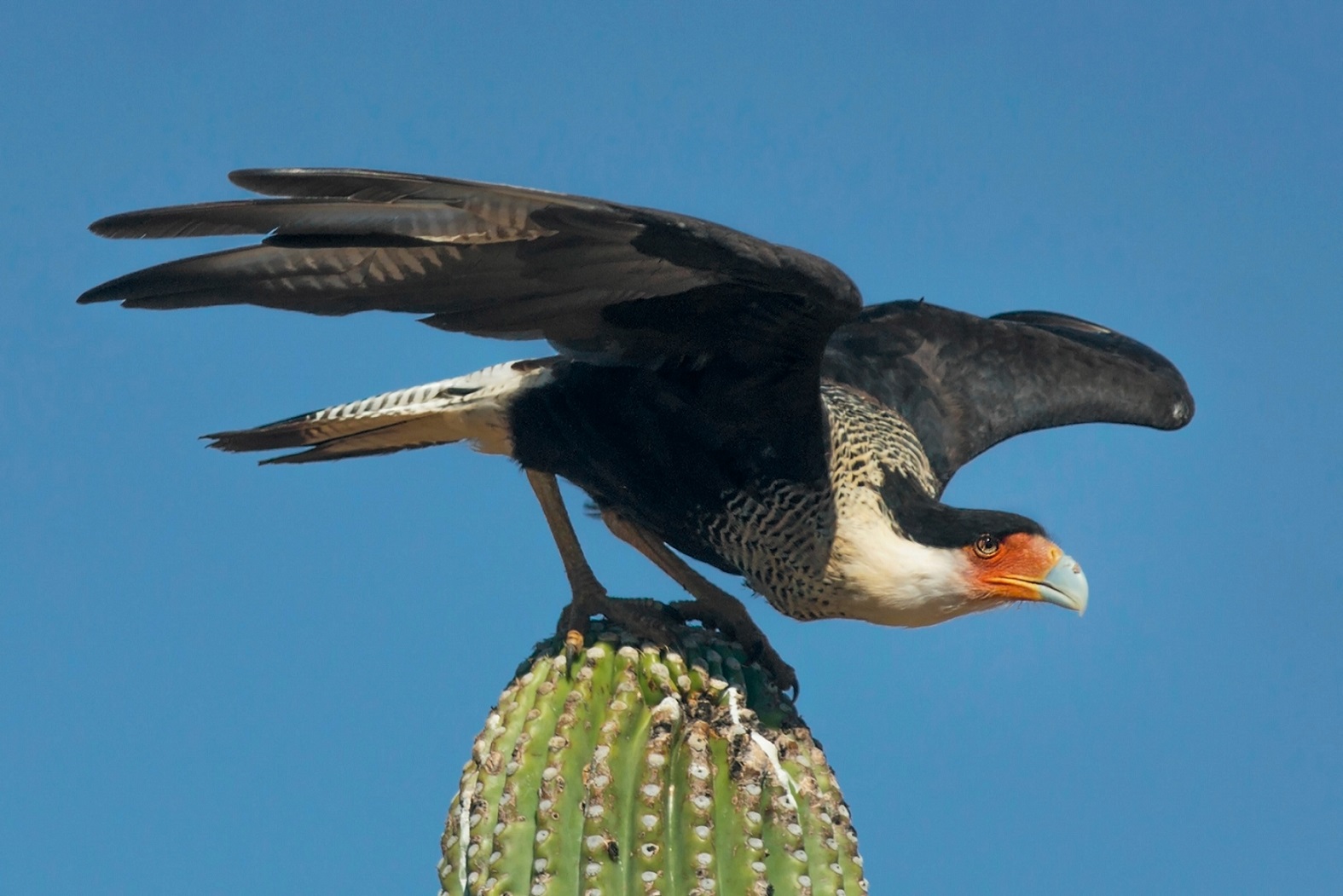
I was only a kid. My favorite aunt loved birds and saw them as individuals. So I wondered if I could recognize the coins by mint, denomination and era simply by looking at the eagle. I created my own reference and memorized it. My favorite eagle design was the Zacatecas bird. It looked a great deal like a CaraCara - the bird from the original Aztec legend.

Mexican-8-Reales-Recovered-From-The-Wreck-Of-The-SS-New-York

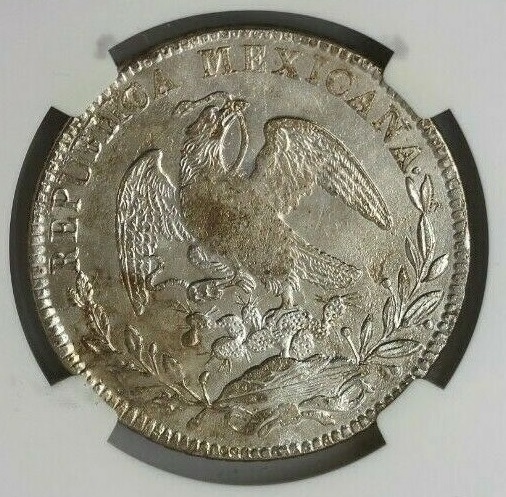
When I looked at the pictures of this 1844 Pi coin I instantly recognized the bird as a CaraCara. The coin should be a Zacatecas mint product made in 1842 or earlier and not a coin supposedly made in Potosi in 1844.

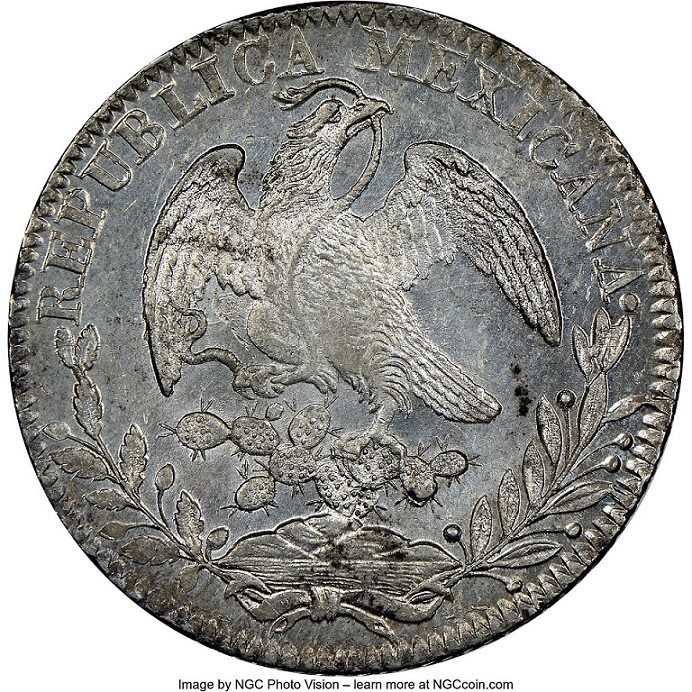
Here is the bird that appears on the coin:

Mexican-8-Reales-Recovered-From-The-Wreck-Of-The-SS-New-York

Here is the bird that appears on an actual 1844 Pi coin:

Mexican-8-Reales-Recovered-From-The-Wreck-Of-The-SS-New-York

Here is the eagle like the one that the counterfeiter copied a Zacatecas coin from 1834:

Mexican-8-Reales-Recovered-From-The-Wreck-Of-The-SS-New-York

So if you look at the type bird that should be on an 1844 Pi 8R and you will see there is no similarity at all to the bird on this counterfeit.

The eagle is far easier to memorize than the cap - think of each design as an individual person and just like the Portrait coins the differences will stand out clearly.

But if you don't want to spend the time, just buy "Resplandores" and check. For this series there is no simple shortcut. There are over 1,400 different date, mint and assayer combinations.


New Member
United States
47 Posts
 Posted 01/13/2020  10:22 pm  Show Profile   Bookmark this reply Add xlrcable to your friends list
Fascinating - thank you!
Valued Member
United States
426 Posts
 Posted 01/21/2020  03:30 am  Show Profile   Bookmark this reply Add RealPeso to your friends list
I have been following this thread since your original post and I must say it is extremely interesting. Thank you!
Pillar of the Community
United States
5362 Posts
 Posted 09/19/2020  01:35 am  Show Profile   Bookmark this reply Add swamperbob to your friends list
Recently I have had some luck with regards to this search. I found a new database of sales that has allowed me to confirm visually 16 more Cap and Ray 8Rs in addition to the 47 in my last report.

The statistics for the Cap and Ray 8 Reales are now:

Total C&R 8Rs listed on NGC submission forms 333
Total C&R 8Rs rejected for grading by NGC 34
Total C&R 8Rs encapsulated by NGC 299
Total C&R 8Rs inspected visually 63
Total C&R 8Rs Contemporary Counterfeits 5
Rate of CCC C&R 8Rs (based on number seen) 7.94%
Potential number of CCC's encapsulated 24

This means that I have now seen roughly 21% of the total number of encapsulated C&R 8Rs. In my opinion a statistically valid sample with which to test Riddell's estimates of counterfeit dollar coins in circulation in the New Orleans area in 1845.

Riddell reported variable rates of counterfeits in his book, but 10% seems to be his rough average. After almost 3 years working on the project, the percentage of counterfeits that I have actually confirmed is about 8%.

In the process, I have of course also seen many other coins including all of the various US silver types and so far I have seen no counterfeits at all in those areas. This tends to confirm Riddell's observation in 1845 that the products of the US mint, being more standardized, were observed far less frequently as being counterfeit.

The 5th confirmed example of a circulating counterfeit Cap and Ray 8R is actually a mule of the Riddell type shown above in this thread paired with the 1844 Pi obverse die. This new case, shows the same eagle die was mated with a completely different obverse die bearing a different mint mark. Until I can get clearer photos of the Cap side it may be impossible to fully identify if that die is also listed in Riddell. However this is the 3rd counterfeit coin out of 5 I have seen which uses this same eagle design. My earlier listing included an 1843 Zs OM Riddell # 279 coin. I will advise if the owner (whom I have contacted) provides any better pictures of the coin.

Another comment regarding the coins encapsulated by NGC, two of the encapsulated coins seen to date are so poorly preserved that I found it very difficult to be 100% positive that they were genuine using only the owner/seller's photographs. In one case, an 1832 Mo, the coin was virtually uniface. I decided in those cases that I would accept the NGC verdict of authenticity unless, I could see them in person and determine conclusively that they are counterfeit. This has introduced a slight +/ potential for variation in the counterfeit rate. The stated rate of 7.94% includes both as if genuine. If one of the two is a counterfeit the rate would be 9.50% and if both are counterfeit the rate would be 11.11%.

So as of this date with 63 coins visually reviewed the CCC rate is a minimum of 8 and a maximum of 11%. This rate matches Riddell's 1845 estimate of 10% fairly well.
Pillar of the Community
United States
1156 Posts
 Posted 09/21/2020  02:03 am  Show Profile   Bookmark this reply Add jgenn to your friends list
Thanks for keeping us updated on this fascinating research project, swamperbob.
Pillar of the Community
United States
5362 Posts
 Posted 10/11/2020  01:16 am  Show Profile   Bookmark this reply Add swamperbob to your friends list
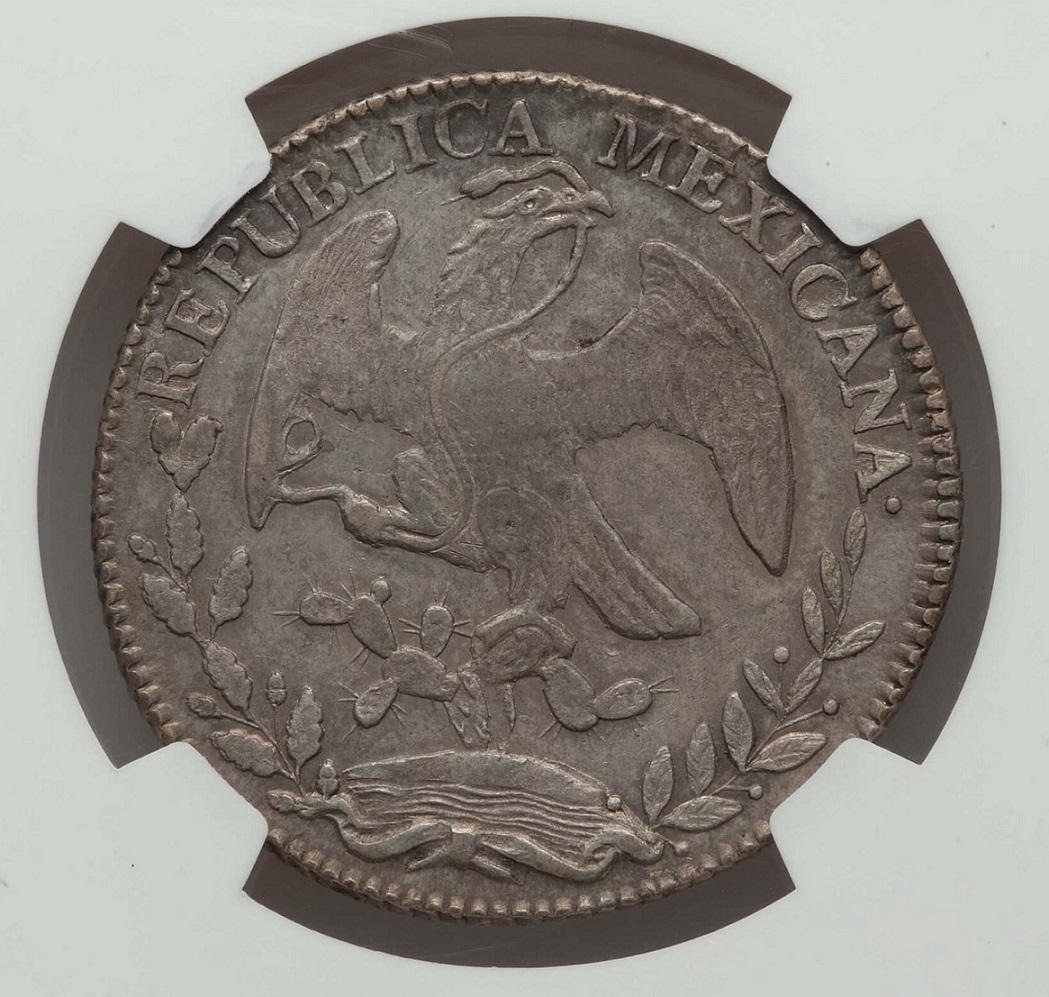
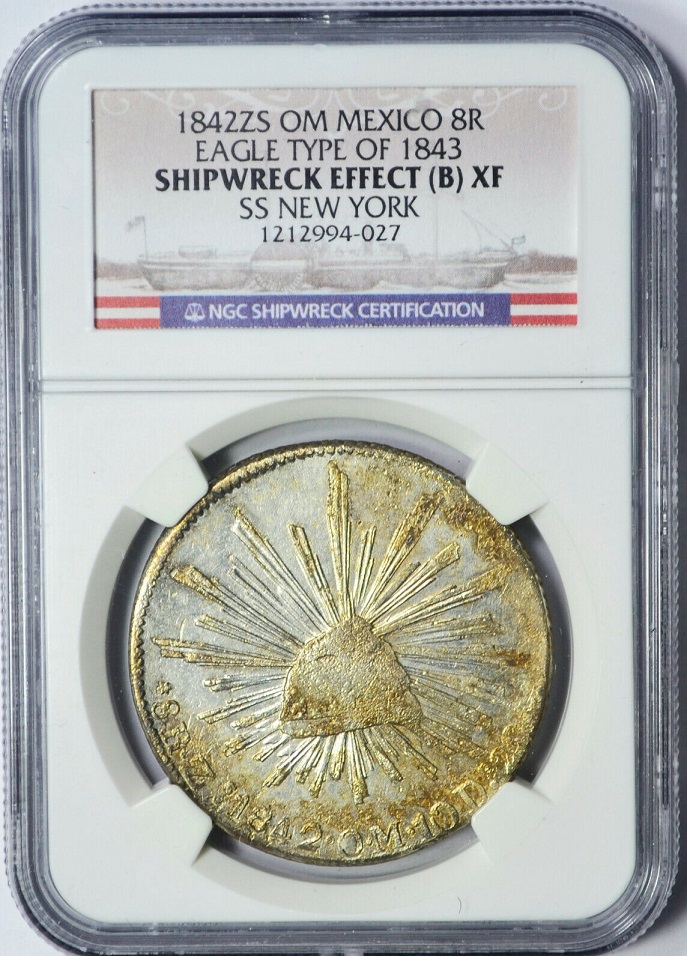
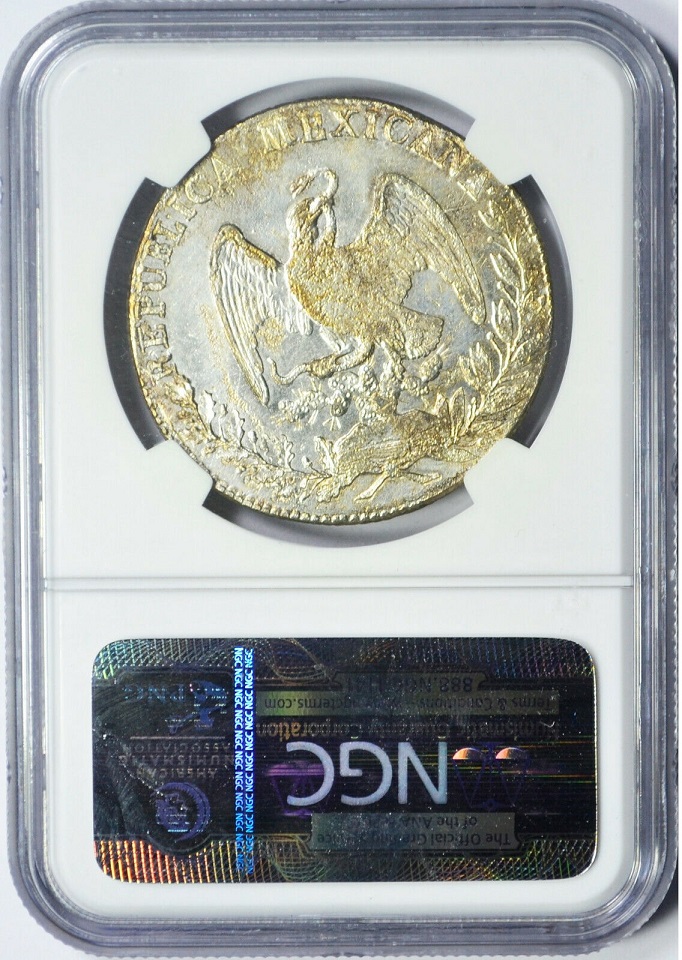
To update the study, I have located and purchased a sixth example of a Contemporary Circulating Counterfeit from the SS New York shipwreck. The label not only misses the fact that the coin is a counterfeit, but it also incorrectly indicates that the eagle is the type of 1843.

This coin mates an 1842 Zs OM obverse die with very poorly arranged rays with a reverse die that uses a Durango style eagle closely related to or identical to the die used to make the Riddell # 376. One of Riddell's notes on the # 376 indicates "A large number of these dollars in general circulation." The obverse die used for the #376 is an 1839 Do RM die with a reversed D in the assay formula. I suspect that the 1839 Do die was replaced by the 1842 Zs because of this serious blunder.

In any event, this coin Class B XF, ties for the highest graded CCC thus far.

The number of 8R coins seen to date is 66 of 299 (about 22%) and the counterfeit rate is 6 out of 60 (about 9%).

Here are the pictures of my newest purchase.

Mexican-8-Reales-Recovered-From-The-Wreck-Of-The-SS-New-York
Page 2 of 2   Previous TopicReplies: 19 / Views: 6,081Next Topic Page 2 of 2
First Page  Showing last 15 replies.
To participate in the forum you must log in or register.


Disclaimer: While a tremendous amount of effort goes into ensuring the accuracy of the information contained in this site, Coin Community assumes no liability for errors. Copyright 2005 - 2026 Coin Community Family- all rights reserved worldwide. Use of any images or content on this website without prior written permission of Coin Community or the original lender is strictly prohibited.
Contact Us  |  Advertise Here  |  Privacy Policy / Terms of Use

Coin Community Forum © 2005 - 2026 Coin Community Forums
It took 0.46 seconds to rattle this change. Forums