| Author |
 Replies: 22 / Views: 3,057 Replies: 22 / Views: 3,057 |
Page 2 of 2
|
|
|
|
Pillar of the Community
United Kingdom
4208 Posts |
That first one is a good one - and an easy ID too, luckily. That figure is feeding a snake, the bust looks like Elagabalus and the reverse has the mint city named (Markianopolis) - the exact type isn't on Wildwinds, but Moushmov 659 is similar: Obv: AVT K M AVP ANTWNEINOC AVG, laureate head right Rev: UP CERG TITIANOU MARKIANOPOLITWN, Hygeia standing, feeding snake in arms from patera. The legend on on yours is a little different. Number 2 looks like Elagabalus or Caracalla; there is a similar type from Trajanopolis but I could only find a radiate bust from Caracalla ( http://www.wildwinds.com/coins/ric/...mov_5038.jpg) and the bust is not a compelling match. The figure on the back is holding scales and a short scepter and matches the Trajanopolis reverse of Nemesis well, but very similar types were issued from other cities. The legend can run into the field on this type, especially from the Nicopolis mint. Last one is a bit easier; the obverse looks like (and the legend says) Geta, the reverse says NIKOPOLIT (Nikopolis) and the temple is tetrastyle. It seems to be this one: Geta, AE27mm of Nikopolis ad Istrum, legate Flavius Ulpianus. AVT K P CEΠ ΓETAC AV, Laureate, draped and cuirassed bust right / V FL OULPIAN NIKOPOLIT / PROC I, tetrastyle temple containing Asklepios standing facing, holding serpent-entwined staff. Shield or pellet in pediment. Pick AMNG 1, 430, 1675; Varbanov (Engl.) 3299. ( http://www.wildwinds.com/coins/ric/...MNG_1675.jpg) Edited by Ben
10/27/2018 2:48 pm
|
|
Valued Member
 United States
201 Posts |
Wow, thanks Ben! Yeah that one at the top is in awesome shape. Thanks so much, I wrote down all of that information and now I have a much clearer picture as to what it is. I measured it and it's pretty big at 25mm.
|
|
Pillar of the Community
Belgium
1194 Posts |
First coin antoninus pius
Obv aut adria antoneinoc ceb
Rev can not read on my phone
There is a free catalogue on the web , I ll give the ref end of the week when at home.albert
|
|
Valued Member
United States
201 Posts |
|
|
Pillar of the Community
United Kingdom
4208 Posts |
I reckon coin 2# from the original post is Septimius Severus (and again, is Nemesis) - the legend is AV KAI CEΠ CEVHΡOC... (Augustus Caesar Sep Severus..). Very similar reverse legend to this coin ( http://www.wildwinds.com/coins/ric/...nov_2558.jpg) from Nikopolis (NIKOPOLITWN PROC ICTR) and with that in mind, you can just about make out the legend nearly as such. Id write it up: Septimius Severus, Nikopolis Laureate head right, AV KAI CEΠ CEVHΡOC... Nemesis standing left, holding scales and short scepter, NI[K]OPOLIT[WN] PROC I[C..]. |
|
Moderator
 United States
23731 Posts |
Please only post one or two coins per thread.
|
|
Valued Member
United States
201 Posts |
Ben - Thank you SOOOOOOO Much. You are truly a huge help. I've had these coins for a year now and never could find them. LOL
Echizento - Okay cool man, sorry about that.
ant - Thanks !
|
|
Pillar of the Community
United Kingdom
4208 Posts |
No problem, always fun to have a challenge.
A query: Is that light green stuff stable? It looks like these might be suffering from a bit of Bronze disease. If it is powdery, then given the coverage the coins won't last long without an intervention.
|
|
Pillar of the Community
United States
1122 Posts |
Just got back, great job everyone! Ben excellent detective work.
|
|
Valued Member
United States
201 Posts |
I think it may have some between the letters, but it is hard to differentiate between the patina and the bronze disease. Do you have any recommendations on how to kill it / fix it?
|
|
Pillar of the Community
United Kingdom
4208 Posts |
I do have a method, one that does work and I have done myself. But now I sit and think about it I see some issues with it, so I'm going to do some reading and thinking about the 'conventional wisdom' and see if I can't puzzle out something a little better. Here is that method, nonetheless:
Get out a wooden toothpick (or a sewing needle if you feel confident) and carefully remove any powdery green stuff. Don't use water to remove the loosened powder - perhaps use a toothbrush. You will likely see metal beneath - that is a sad fact of the process, but left untreated, the coin has no chance of surviving the next 2000 years. That removes a lot of the issue, but you will still need to leech the offending ions out of the surface of the coin. There are competing schools of thought on how to do that, but the simplest (and most time consuming) is to dissolve them into distilled/de-ionised water.
Basically, rinse the coins with distilled water, then dry them off, just to ensure the last of the loose powder is gone. Get a small, airtight container and fill it with distilled water and put the coins in it. Every couple of weeks (perhaps a little more regularly at first), check to see if there are any tiny spots of green - if there are, remove them as before. Every time you check the pot, change the water; it is good practice rinse and dry each coin each time as well. Eventually the number of ions still adhered to the coin will reach an inconsequential number and you will stop seeing green spots appear on the coins. Treatment can then be stopped, but you then need to make sure the coins are properly dried, which can be achieved with some time in the oven (low temp, 20-40 mins or until golden brown - okay, maybe not that). When I treat coins for BD, I wax them with Renwax afterwards but that is frowned upon in some circles as the wax is not easy to remove - I do it because it helps keep the coin dry and stops environmental damage and (in my own humble opinion) I think it looks good. Keep an eye out for any new spots in the future - the quicker it is caught, the less damage there will be.
A bit more reliable is a chemical intervention using a chelating agent, which is what the museums do. I have never tried it myself, but you might want to give it a go. Popular treatments use sodium sesquicarbonate (this is the 'hobbyist' way), sodium carbonate (for the more highly patient hobbyist) or benzotriazole (carcinogenic, so a bit more specialist).
Once I've had a read and a think, I might try writing a short summary guide to treatment.
|
|
Moderator
United States
34542 Posts |
"If you climb a good tree, you get a push."
-----Ghanaian proverb
"The danger we all now face is distinguishing between what is authentic and what is performed."
-----King Adz
|
|
Pillar of the Community
United States
1122 Posts |
Spence I've used that method with some success. See below. 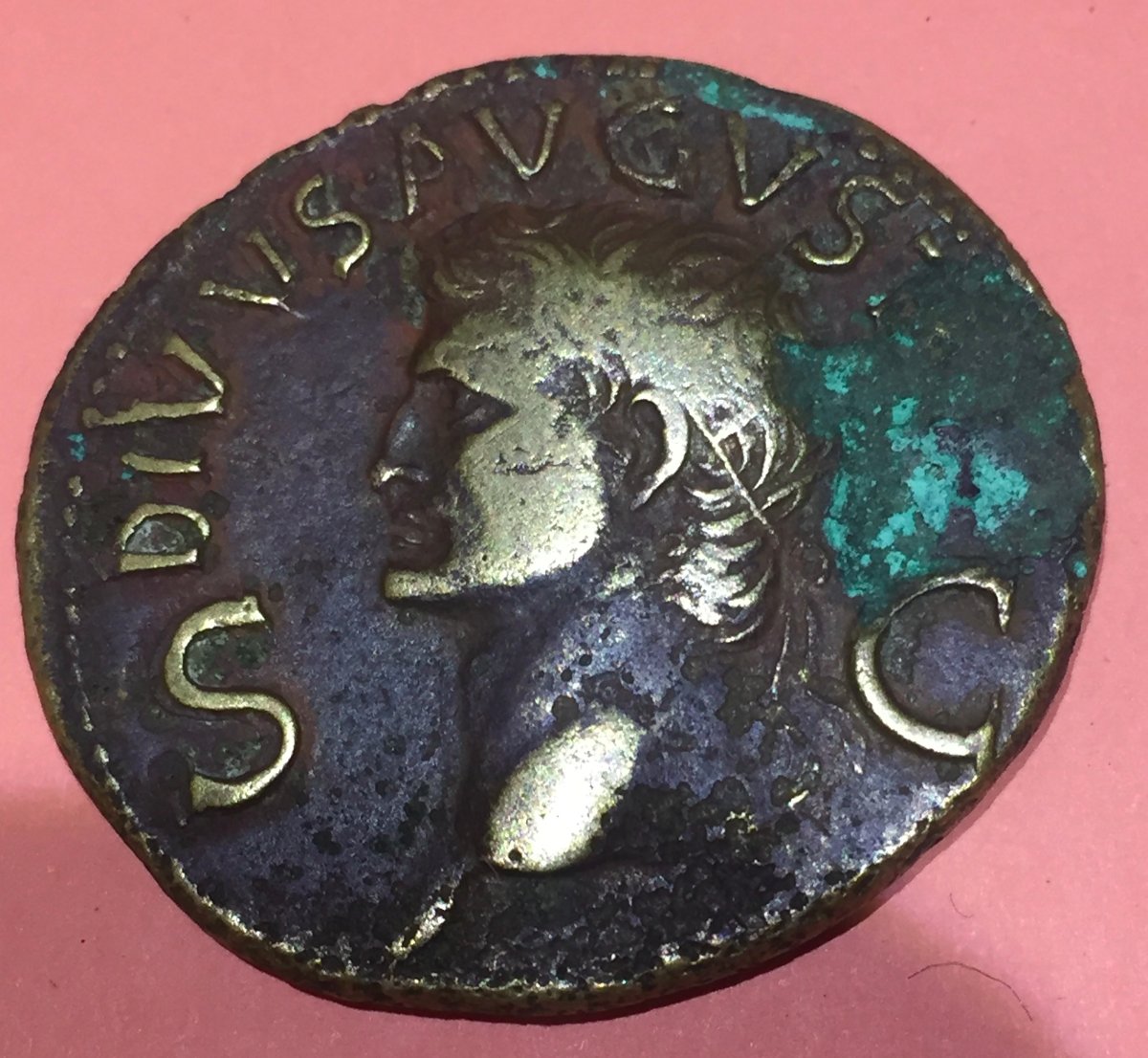 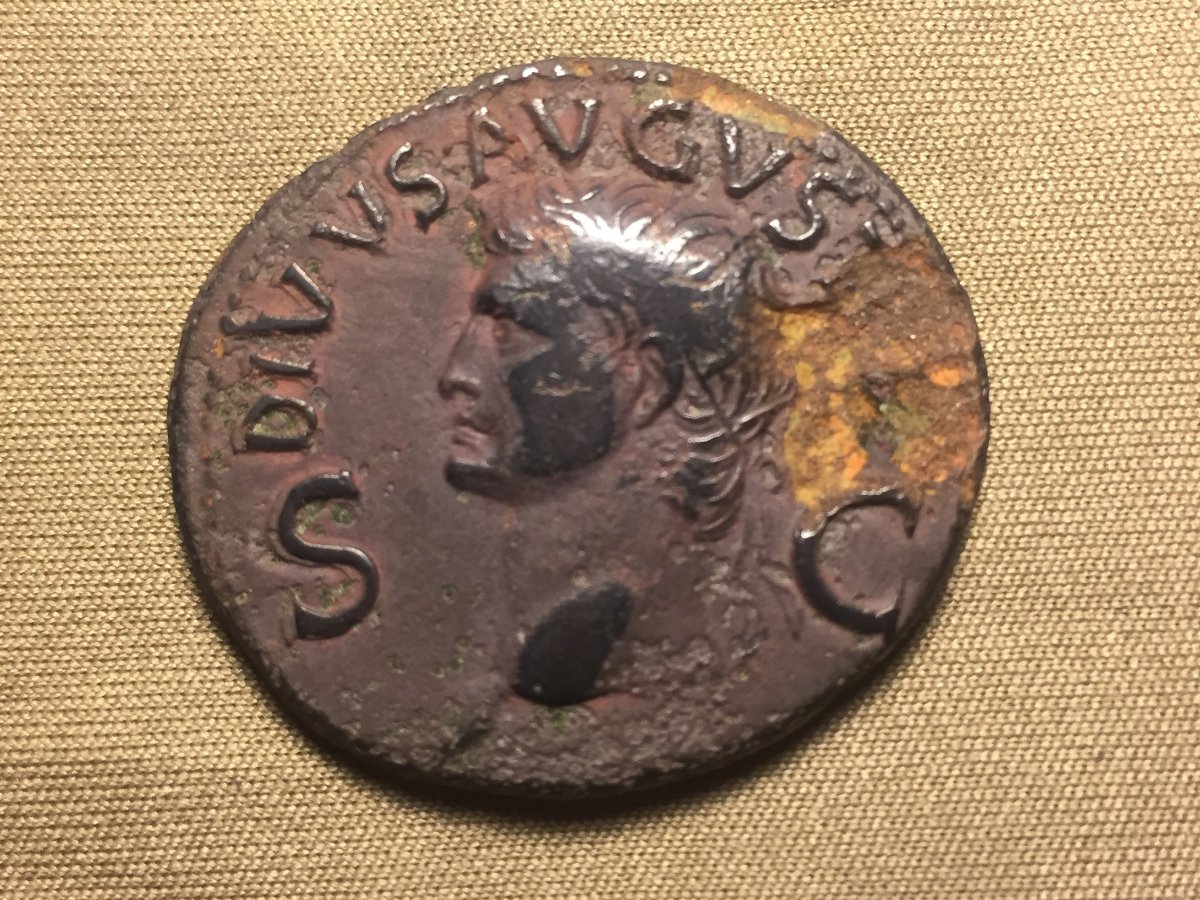 Two Things: 1. It will most likely change the color or patina of the coin (as you can see_. 2. Definitely do this Quote:
Repeat step 5, twice more. I did not, and now I see the BD has returned. Edited by travelcoin
10/28/2018 11:03 am
|
|
Pillar of the Community
United Kingdom
4208 Posts |
It's always worth overtreating - it can come back with a vengeance. Here's a tetradrachm of mine that has been severely corroded by BD and now seems to be having a slight relapse: 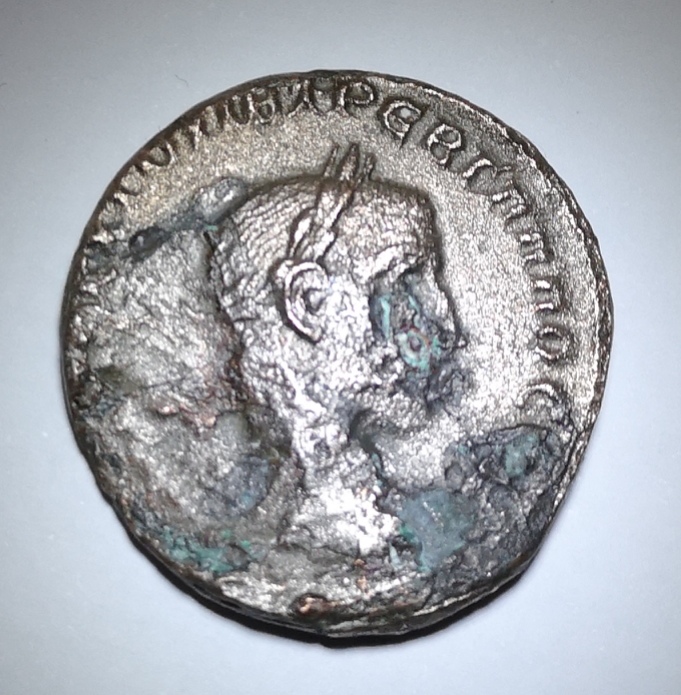 You wouldnt expect a silver coin to be so susceptible, but billon can have a high percentage of copper and still look good. |
|
Pillar of the Community
Belgium
1194 Posts |
|
|
Page 2 of 2
|
Replies: 22 / Views: 3,057 |
Page 2 of 2
|








 First Page


 Posted 10/27/2018 2:46 pm


