Quote:
ROCKY: FITS format, question does your fit format program images have to be worked on at 16 G.
I don't know what a 16 G is. 16MB or 16 bit or a reference to the next thing after 5G wireless maybe?
FITS file is fairly complex but well established and all the particulars are available to see here (for those interested):
https://fits.gsfc.nasa.gov/fits_documentation.htmlI assume you are asking about working on files in a 16-bit space. The image pixels in a primary array or an image extension may have one of 5 supported data types:
* 8-bit (unsigned) integer bytes
* 16-bit (signed) integers
* 32-bit (signed) integers
* 32-bit single precision floating point real numbers
* 64-bit double precision floating point real numbers
A FITS file is comprised of segments called Header/Data Units (HDUs), where the first HDU is called the `Primary HDU', or `Primary Array'. The primary data array can contain a 1-999 dimensional array of 1, 2 or 4 byte integers or 4 or 8 byte floating point numbers using IEEE representations. A typical primary array could contain a 1-D spectrum, a 2-D image, or a 3-D data cube.
A FITS file is not suited for video files.
Some FITS files are quite large. I had a CCD camera that output a "32-bit (signed) integers file" where the raw file size on my computer was around 64MB downloaded and when opened in Photoshop or similar around 128MB+ and generally a typical astrophotograph would contain between 10 to 60 files combined. We stack images to reduce noise and increase S/N ratios, and correct issues like flat field, vignetting and chip defects with Flat Frames, Dark Frames and Bias Frames (many files made and combined into a Master of each generally) even more files when working on large mosaic areas of sky. It was not unusual to fill up close to a terabyte drive in an evening. Making our remote observatory too expensive to transfer data over our only option at the time; a satellite internet connection. Now we have regular internet service via fiber in the area and no longer need to travel to swap out hard drives, every few nights. That got old in a hurry. Satellite was fine for controlling the telescope mount and accessories, and uploading nightly target plans to shoot, just not for transfer of multiple large images. If you're interested in seeing it
https://www.itelescope.net/new-blog...elescope-t33 We just removed this scope for a change, there will be another slightly smaller telescope up on that pier for the foreseeable future. This scope was moved from one of our remote test observatories in Texas to Australia where it's been servicing needs of astronomers over the past several years. The issues I described were all here in Texas. The iTelescope site Siding Springs in Australia is quite a robust and proven remote site with excellent facilities and internet. At the moment the status of this telescope is up in the air, we may sell it or ship it back to the USA, it's undecided for now. I digress enough astro talk back to coins...
Quote:
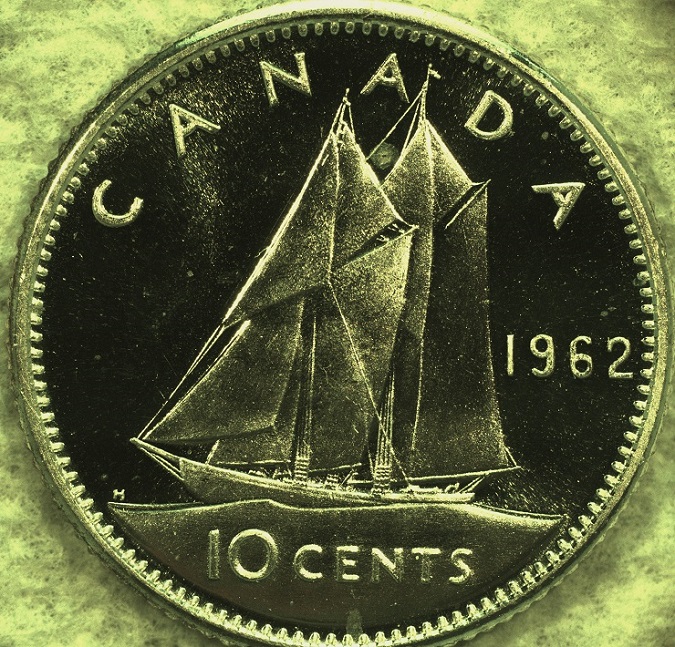
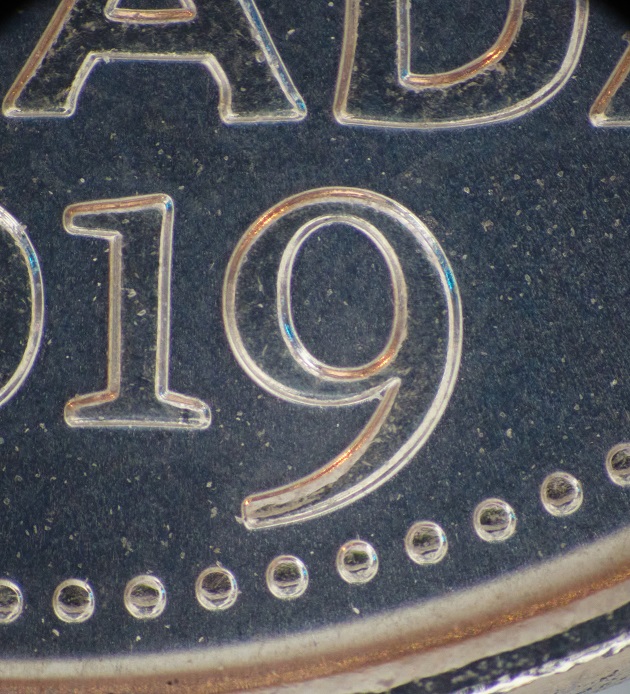
Bobby131313 That is indeed terrific, but it's a whopping 8.5MB That's enough to choke a lot of mobile devices. It's got 17 frames over a half MB each. Chokes mine in my town where service isn't the best. 50% of the traffic here is mobile.
So as to nuTilt files being large? I had no idea they were 8MB+ as I could not get anything beyond the small thumbnails to load properly, I assume it's some issue with my browser extensions or blocking software I use, but haven't had a chance to play with it yet. That would explain it then.

So far I was not impressed with the quality I was seeing either. Time will tell, I do think it's an interesting avenue to go down and a specialized file format that could become a standard is also interesting. I don't really want to see a dealer controlling the format.
Quote:
rmpsrpms: Many of us have been doing these animations for years. I guess the "new" is making an app so they can be viewed on a cellphone? Perhaps that will finally make this type of imaging popular, though I completely expect it to fizzle like the several previous attempts. Hope not though, as these animations do make it nicer to view the coin, and if the app actually works like they say to rotate "live" according to how you hold the phone, that would be super cool.
I really like your friends images better, and I agree completely with all you typed Ray! I bet they must be using some sort of fixed light source and a turntable with the nuTilt system to capture the photos, which would mean a proprietary setup of some sort would be required to be purchased? I'm just guessing, but it seems logical, and the only way to keep everything consistent.
"Buy the Book Before You Buy the Coin" - Aaron R. Feldman - "And read it" - Me 2013!
ANA Life Member #3288 in good standing since 1981, ANS, Early American Coppers Member (EAC), Colonial Coin Collectors Club member (C4), Conder Token Collector Club member (CTCC), Civil War Token Society (CWTS) member, Liberty Seated Collectors Club (LSCC) & Numismatic Bibliomania Society member (NBS), USMex, Member in good standing, 2¢ variety collector.
See my want page:
http://goccf.com/t/140440






 First Page


 Posted 08/24/2020 9:20 pm