| Author |
 Replies: 56 / Views: 57,856 Replies: 56 / Views: 57,856 |
|
|
|
|
Bedrock of the Community
United States
12437 Posts |
Quote:But what is dipping (even when done correctly and professionally)? Acetone? Distilled water? These are also intentional alterations to the coin yet seem to be generally accepted not only among the vast majority of numismatists but also by the leading TPG's if done judiciously. Isn't an alteration an alteration? "Dipping" typically refers to the use of a commercial coin cleaner such as E-Z-Est or Jeweluster. This treatment does indeed alter the coin by stripping the oxide layers from the surface of a coin. If done by the proper hands, it can be undetectable and result in a slabbable coin. In less than skilled hands, it results in a flat dull coin stripped of luster. The use of solvents(acetone, xylene) and distilled water should not be considered an alteration because they do not physically interact with the coin metal. They are effective at removing surface contamination but will not remove toning, oxidation, or staining. For the AT vs. NT argument, it is not so much intent as it is whether a coin is subjected to a natural environment or not. A canvas mint bag would be a natural environment as well as an album- both are perfectly normal for coin storage and both have the potential to produce toning over a given period of time usually measured in years or even decades. Anything done to accelerate that natural oxidation process should be considered AT. The application of heat or chemicals to a coin is definitely not natural and only serves to increase the kinetics of slow natural oxidation reactions. |
|
Pillar of the Community
 United States
1551 Posts |
I for one like naturally toned coins, I look for them all the time. I have seen a few sellers on E-Bay that are heating up or doing something to make the coins he is selling look the way they do. I have looked over many tables at a coin show and never have seen a total of 150 true toner's but on the Bay there are 3 sellers that just in the last year have sold over 4000 of them and they all look the same.
My biggest problem with this is the same one I have with cut rate or self slabbing sellers. When they sell this trash the buyer is for the most part a beginner. That beginner will learn! and some will feel shafted and stop collecting!!
I collect because I enjoy it, it is not how I make a living. I hope later in life what I collect will go up in value. If we cut the number of collectors by 20% the value drops on almost all coins, a few rarer ones will hold there own but in general coin values will drop. Simple supply and demand.
I post on a tread a while back about what we get from collecting. My statement was and is more the WHY. The basic reasons for collecting are Investment and Enjoyment. But like many Investments it's always good to be balanced. If you collect because you enjoy it and it takes up some of your time that is a good reason. Kind of like golf....If you golf for 30 or 40 years and then look back. You have had many years of enjoyment to go with your sore shoulder and back....But what you spent on greens fees and clubs, balls, tee's and gloves is GONE. ZERO return on your hobby!!
Collecting coins for 20 to 30 years looking back I have all the enjoyment and what I own in hard assets is still worth more then my golf bag. Anything over zero is a gain. Collecting done right is a balancing act of Investment and collecting, just like most portfolios you have some winners and loser's. The key is to have a better then 50% winning ratio.
Back to toning SORRY. I like them, I also like brunettes, Dogs, and the outdoors. My one buddy likes Blondes there is no right or wrong and like all coin collecting.... look the coin over closely and always buy the coin!
|
|
New Member
United States
8 Posts |
Coins toned the same on both sides, would make me take notice...Hmmmmm
Edited by Whatsells95
03/18/2011 01:55 am
|
|
Pillar of the Community
United States
1704 Posts |
At the ANA National Money Show in Sacramento I saw a lot of rainbow toned Morgan dollars and no other type of dollar or denomination which should raise questions about the legitimacy of rainbow toning. One would expect that the circumstances which cause rainbow toning on a silver dollar would affect any other silver coin in that environment the same way so, where are all of the halves, quarters, dimes, et cetera with rainbow toning? Why is it that more than 90% of the rainbow toned Morgans have those colors on the obverse only and rarely on the reverse? I have been collecting coins since 1966 and only recently has there been such a number of rainbow toned Morgans appearing on the market. I personally believe that the rainbow effect is man made and deliberate. I remember attending the Long Beach, CA shows in the late 1970's to early 1980's and the dealers selling rainbow toned coins were suspected of artificially toning them that way and none of the dealers I dealt with regularly wanted them in their case. |
|
Bedrock of the Community
United States
12437 Posts |
Quote:
I personally believe that the rainbow effect is man made and deliberate Sorry, but you are wrong. The reason why see you so many fabulously toned Morgans in comparison to other denominations is simple- millions of Morgan dollars were minted, piled in $1000 face value canvas bags, and shoved in Treasury vaults for several decades. No other denomination has received that type of treatment in those kind of numbers. The key to the toning was the canvas bags, the fabric had a sulfur content which varied from bag to bag. Some bags could tone coins while others could not. The coins close to or touching the canvas toned the most and the most desirable toners have a cloth pattern from the canvas bags. Sure, alot of Morgans have been artificially toned and ruined in the process, ebay is full of that kind of dreck. However, the existence of AT Morgans has no bearing on the very real existence of natural rainbow toned Morgans. |
|
Pillar of the Community
United States
2797 Posts |
 Those ebay toned monstrosities are easy to pick out ... they're equally toned on the obverse and reverse. If you can picture the environment that Bio described, how would both the obverse and reverse be in contact with the bag equally ...  Then check out a gorgeous rainbow toned PCGS or NGC slabbed coin. Turn the slab over and the coin is almost white. I don't know if the two notorious ebay AT'ers (cwbyup and mel-ko) know this and figure the buying public is ignorant or if they are unable to dip and cook on only one side. |
|
Pillar of the Community
United States
8904 Posts |
|
|
Pillar of the Community
United States
4992 Posts |
Easy Fix: If the slabbed coin does not have a (*) designation, do not pay a premium for it.
That way, you won't get stuck with a slabbed coin that someone baked in an oven (!)
|
|
Bedrock of the Community
United States
14454 Posts |
Quote:
One would expect that the circumstances which cause rainbow toning on a silver dollar would affect any other silver coin in that environment the same way so, where are all of the halves, quarters, dimes, et cetera with rainbow toning? It also has to do with how the planchets were prepared also. You can put a Peace dollar and a Morgan side by side and the Morgan will have more ill effects from the environment than the Peace dollar will just because of the way they prepared the planchets on the Morgans. Its hard to find a 1921 Morgan rainbow toned and I am guessing that is because of the way they prepared those as well |
|
Pillar of the Community
3660 Posts |
Quote:
I personally believe that the rainbow effect is man made and deliberate Not being a collector, I take a totally different view on all of this toning thing..... NT...AT... it is all the same thing to me. While I feel that Bio and SeatedNut are completely correct in their conclusions on how toning is arrived at, I see the entire issue as being a controversy over intent (rather than cause). There is nothing whatsoever "natural" about a silver dollar.... (it was man made)..... there is nothing natural about a canvas bag (also man made).... whether toning is caused by long term sulfur exposure by unsuspecting mint workers or short term liquid chemical treatment by evil coin doctors, or sunlight's effect on an envelope on the window sill by interested experimenters, or long term album storage by innocent collectors, the effect is the same. Did toning occur deliberately or unintentionally? To me, that seems to be the big flap.... I like the pretty ones, and I could not care less how this was done (because in my estimation, none of it is natural). |
|
Bedrock of the Community
United States
12437 Posts |
Quote:
whether toning is caused by long term sulfur exposure by unsuspecting mint workers or short term liquid chemical treatment by evil coin doctors, or sunlight's effect on an envelope on the window sill by interested experimenters, or long term album storage by innocent collectors, the effect is the same.
I would argue that the effect is not the same because the chemistry is definitely not the same. The kinetics of a slow undisturbed oxidation reaction in a Treasury vault full of Morgan bags is impossible to replicate on a contracted timeline. When reaction kinetics differ, the outcome also differs. Bryan brought up a very good point that I failed to mention in my late night post. Besides the bags, there was something else special about Morgans that allowed them to tone. Yes, Peace dollars did not have as much long term storage as did Morgans but there were still many bags of them that sat until the 1960s. However, a beautifully toned Peace dollar is a true rarity and can bring huge money. Most Peace dollars that are toned have a more mottled appearance to them. Another key to the toning issue was planchet preparation, there was some difference between the two dollars and the preparation of the Morgans allowed them to tone in wonderful hues. It is also interesting to note that 1921 Morgans(after a 16 year mintage hiatus) rarely have nice toning as well, those planchets were more than likely prepared in a similar manner to Peace dollar planchets instead of 1878-1904 Morgans. |
|
Valued Member
United States
309 Posts |
I also read that there was a difference in the way the dies were polished. I don't remember exactly but it seems like the Peace dollar dies were polished using a type of acid. I imagine the '21 morgans would have been done the same way as well. |
|
Pillar of the Community
United States
1147 Posts |
I understand coins can be toned in holders so don't assume anything just because of the slab. Natural rainbow toning follows a specific color sequence. It also has depth reaching inside denticles and devices. Since a lot of early paper had high amounts of sulfer it toned rolled coins, coins in envelopes, and ring toned coins in early holders. But if the toning is so bright it leaves you wondering, and I have seen slabbed ones like you speak of, then pass on them. There are some great artists out there that work on small canvas's.
|
|
New Member
United States
14 Posts |
I have a confession to make. A couple of months ago, I noticed one of my Mercury dimes might have had an attribution. When I posted the picture, a few people pointed out that it was solder. They were correct. But this coin also had a very black spot on it, so I decided to try to remove the spot. With TarnX no less! Which, of course, was totally wrong and ruined the coin. BUT, while I was experimenting with various methods, and had used various products on the coin to remove said black spot, I also noticed that at some point the coin rainbowed in color, but then quickly turned black. From this "experiment", I know that some of the coins that you see for sale with the rainbow patina are, in fact, manmade. I am just not the type of person who will continue to experiment with various methods to achieve something of this nature to deceive people. And, I will never buy a rainbowed coin! |
|
Valued Member
United States
333 Posts |
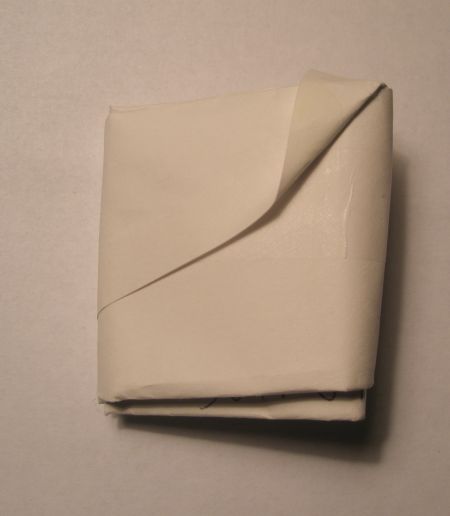
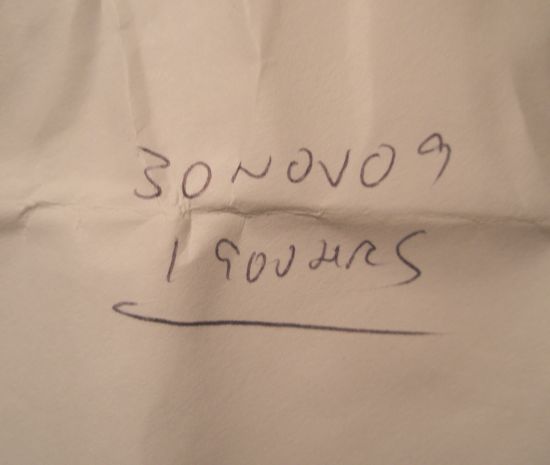
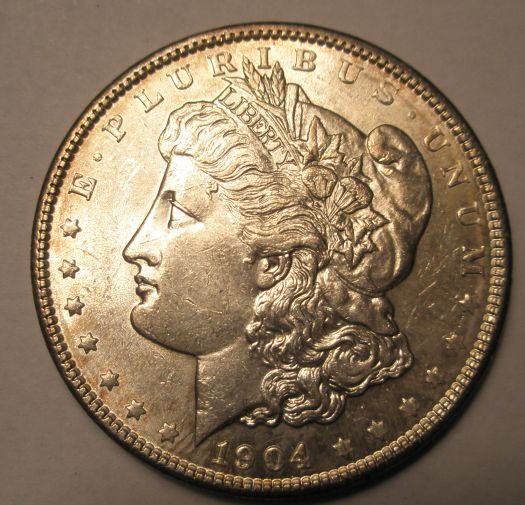
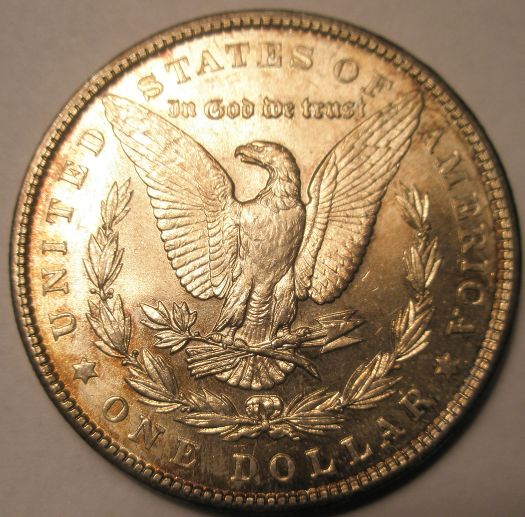
Moe145, did you continue to keep that Morgan in the envelope after posting those pictures about a year ago?
If so, I'd like to know what it looks like about now.
|
|
|
Replies: 56 / Views: 57,856 |
|








 First Page
 Previous Page


 Posted 03/17/2011 11:50 pm