| Author |
 Replies: 46 / Views: 5,633 Replies: 46 / Views: 5,633 |
|
|
|
|
Pillar of the Community
 United States
5905 Posts |
Question about "die draw".
Is that the possibility of metal, from the planchet, "sticking" to some part of the die as the coin and die separate after the strike?
I've noticed that effect on the surface of some devices and had to look closely to confirm what I was seeing.
Words of encouragement are one of the major food groups.
We need to consume them regularly to thrive and grow.
|
|
Pillar of the Community
United States
6938 Posts |
I am certainly no expert on clips, but I do have an observation to make. This is just my Two Cents, fwiw, but I am an engineer. It is not geometrically reasonable to compare curved clips to straight clips. As a curved clip turns through the upsetting grooves, the last contact point will be the tip of the crescent shape. As the planchet rotates, the concave inwards curve will prevent the rail from touching the crescent edge, and the second opposing tip will complete the block. Due to the void, there isn't enough metal for the planchet to be shoved by the opposing rail to make contact in the gap. I think if we ran a straight clip through the upsetting mill, particularly a small one, the clipped side would make brief contact with the rail. It might even get kicked into the rail by the opposite side making contact under considerable pressure. Due to the geometry, the points will not stop a straight clip from touching the rail. The void will limit the pressure. No matter how hard you shove a curved clip into the grooved disc, you can probably not force the clip interior to make contact with the rail because the radius of the clip is smaller than the radius of the upsetting disc. For the same reason, you probably could never force the curved clip edge to make contact with the outside rail. I'd be interested to see some large and small straight clips compared to large and small curved clips. My guess is that the edge might not look the same on the small, straight clip compared to the other three types. |
|
Pillar of the Community
United States
4051 Posts |
Quote:
To those reading along, the 1924 Stoneman posted is clearly a legit straight clip. Just sayin'. Hmm, not so sure. My opinion is that the 24-P is also a counterfeit, or at least it has been messed with. This one is more obvious even than the 50-D. Here is the evidence: The obverse shows an extreme amount of "Die Draw", beyond any reasonable expectation. Also, there is a lot of device distortion, especially at the edges of the rim where it merges with the "die draw" ridge, and on the "4". There is no reason the "4" should be distorted in the minting process, and in fact if the die draw was real, the "rim" that it created would have protected the 4 from wear. But the distortion does not look like wear. My theory is that the person who created this "straight clip" used a metal shear, and probably placed a small piece of leather or wood under the coin to minimize the damage done by cutting. They did some touch up to make the cut look more realistic, and the overall result is the distortion seen on the features. Here is a close-up crop of the area in question: 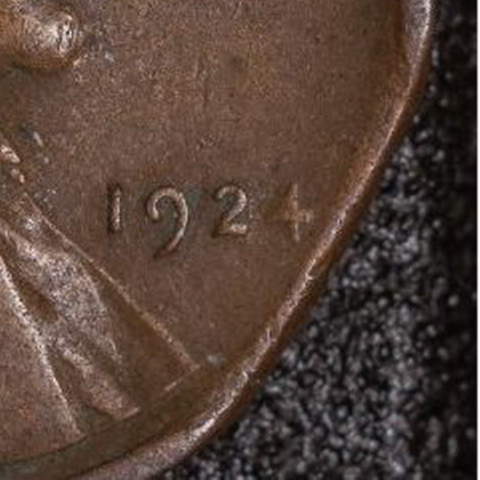 The reverse shows a more telling sign of tampering: a wire edge at the "clip". This wire edge is uniform across the whole clip, and shows some jagged features. My further theory is that once the cut was made with the shear, the edge of the cut was pushed-down similar to what we still see on the 50-D. The counterfeiter was not happy with this result, so used a tool to burnish the metal to push it up on the edge, creating a false "wire edge" to the coin. There is nothing in the minting process that can explain this, not even "Die Draw", so it must be post-mint IMO. I would expect if we were able to see the edge of the "clip" on the 24-P, we'd see further evidence of tampering. The edge has been so upset by shearing and burnishing that it is nearly the full width of a normal rim! No way IMO this could happen during minting. 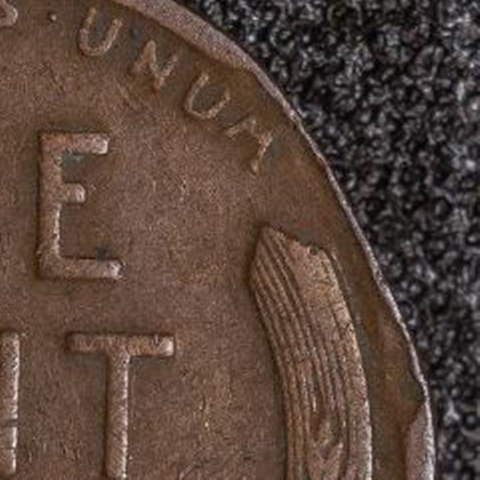 Edited to add: I realize this revelation that their curved and straight clips are likely counterfeit might be unwelcome to @tropicalbats and @Stoneman, but I'm hoping that properly identifying counterfeits is more important to them than the value of their individual coins. I place a high value on correct information to the numismatic community, and I believe the analysis I have provided is correct, ie both the 50-D and 24-P coins are counterfeit. I am not 100% sure that the 71-S coin I posted is NOT counterfeit, but it does not show the obviouse post-mint tooling that both the 50-D and 24-P show. I do plan to look for more clips I have in my collection, and possibly view/purchase more of these from local shops, to see how prevalent counterfeit clips are in the hobby. Edited by rmpsrpms
11/28/2023 9:36 pm
|
|
Pillar of the Community
United States
6938 Posts |
How much money are we actually talking about here? The sites that I looked at—which might not be legit estimates by any stretch of the imagination—seemed to indicate a few bucks for a clipped cent, nickel, dime. Would anyone really bother trying to make a good fake clipped Wheat penny for that much money? |
|
Pillar of the Community
United States
4051 Posts |
Quote:How much money are we actually talking about here? The sites that I looked at—which might not be legit estimates by any stretch of the imagination—seemed to indicate a few bucks for a clipped cent, nickel, dime. Would anyone really bother trying to make a good fake clipped Wheat penny for that much money? I think you're missing the basic premise of the thread. @Tropicalbats stated in his second sentence in the OP: "how to ID legit clips" I'm not sure how much money we're talking about, but per the basic premise, there are "illegit", ie counterfeit, clips out there. Unfortunately, IMO @Tropicalbats chose such an illegit clip to put forth as a representative example of a legit clip. Again this is only my opinion, based on my critical viewing of the posted images of the clips, Yeoman's knowledge of the minting process, and basic knowledge of metallurgy. The 24-P clip posted later IMO is also a counterfeit, so it would seem that perhaps it is more difficult than folks knew to authenticate "real" clips. Edited by rmpsrpms
11/28/2023 10:14 pm
|
|
Pillar of the Community
 United States
6207 Posts |
As noted before, the 1950-D is inarguably a legit clip. They just really don't get much more clearly diagnostic than that one. The 1924 is also legit. I have this coin here but for some reason it is mis-filed at the moment and not in my binder with the other 340 clips in my personal collection. But I looked at it, including the edge, when I got it from Stoneman and both he and I were/are 100% sure of its authenticity having both handled it in person. Neither of us are beginners at this stuff and if it was even questionable then that's what it would have been labeled as. Things may look like this or that from the photos, but both are mint-produced clipped planchets. Really tried to find that 1924 as the edge showed it was clearly an end-of-sheet clip, notwithstanding the perfect Smith Effect displayed, which I have never seen on any of the hundreds of fake clips I've come across. I'll leave it at that, as not much more to say unless/until I can locate the 1924.
Edited by tropicalbats
11/28/2023 11:20 pm
|
|
Pillar of the Community
United States
2826 Posts |
|
|
Pillar of the Community
United States
6207 Posts |
Yes, lots and lots of clips look just like that. Exactly why has not been answered here, but it's a fact that clips look like that. Thanks for the added image.
|
|
Pillar of the Community
United States
4051 Posts |
Yes indeed, IMO that's what a legit clip should look like. Beautiful! The die made contact with the planchet up to a point, then the planchet metal which "squeezed" into the space between the dies falls-off gracefully on both obverse and reverse. Every detail where the die struck the planchet is sharp except at the very edge where the metal edge starts to fall off. There is virtually no comparison between this coin and the 50-D and 24-P. An excellent example, thank you.
Edited by rmpsrpms
11/29/2023 10:49 am
|
|
New Member
United States
17 Posts |
Not to stur up an old disagreement, but I wanted to thank y'all for the discussion. I recently came across several clipped wheat cents and I really appreciate all the info.
|
|
Moderator
United States
56855 Posts |
This real or fake clip thing would make a nice article for Mike in Coin World magazine  John1  |
|
Pillar of the Community
United States
4051 Posts |
I'd be willing to shoot 3D images of real and fake clips to support an article.
Contact me for photographic equipment or visit my home page at: http://macrocoins.com |
|
Pillar of the Community
United States
4618 Posts |
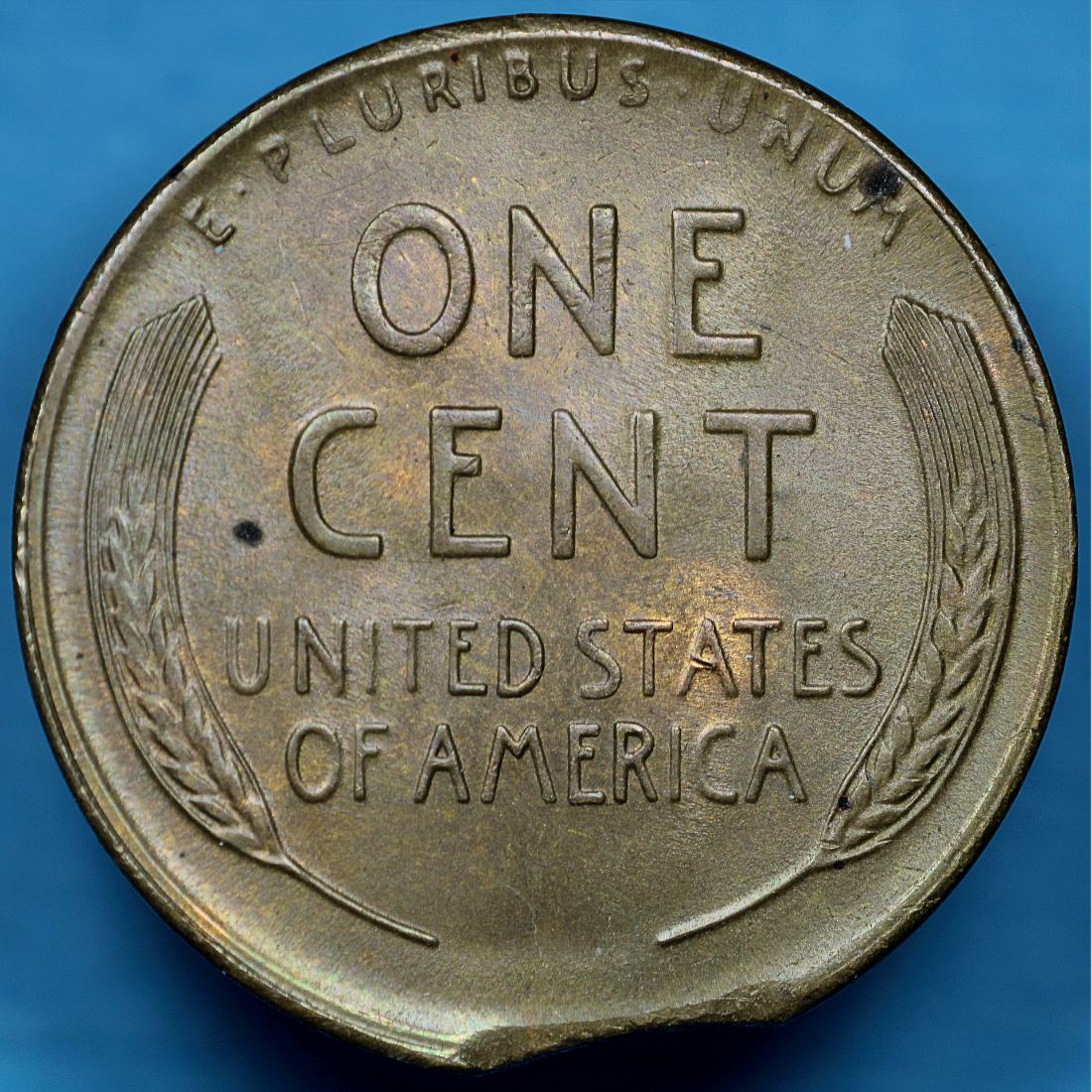
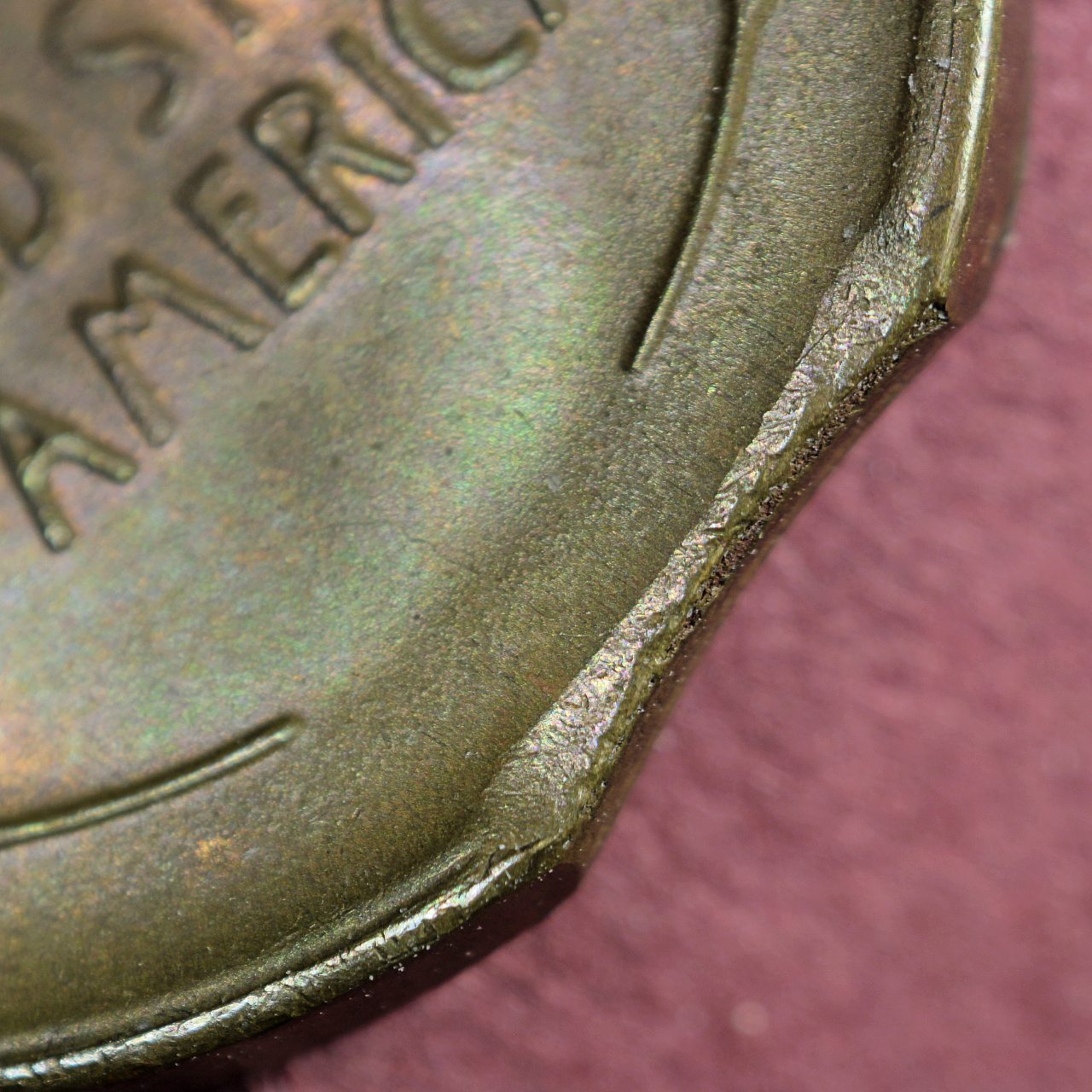
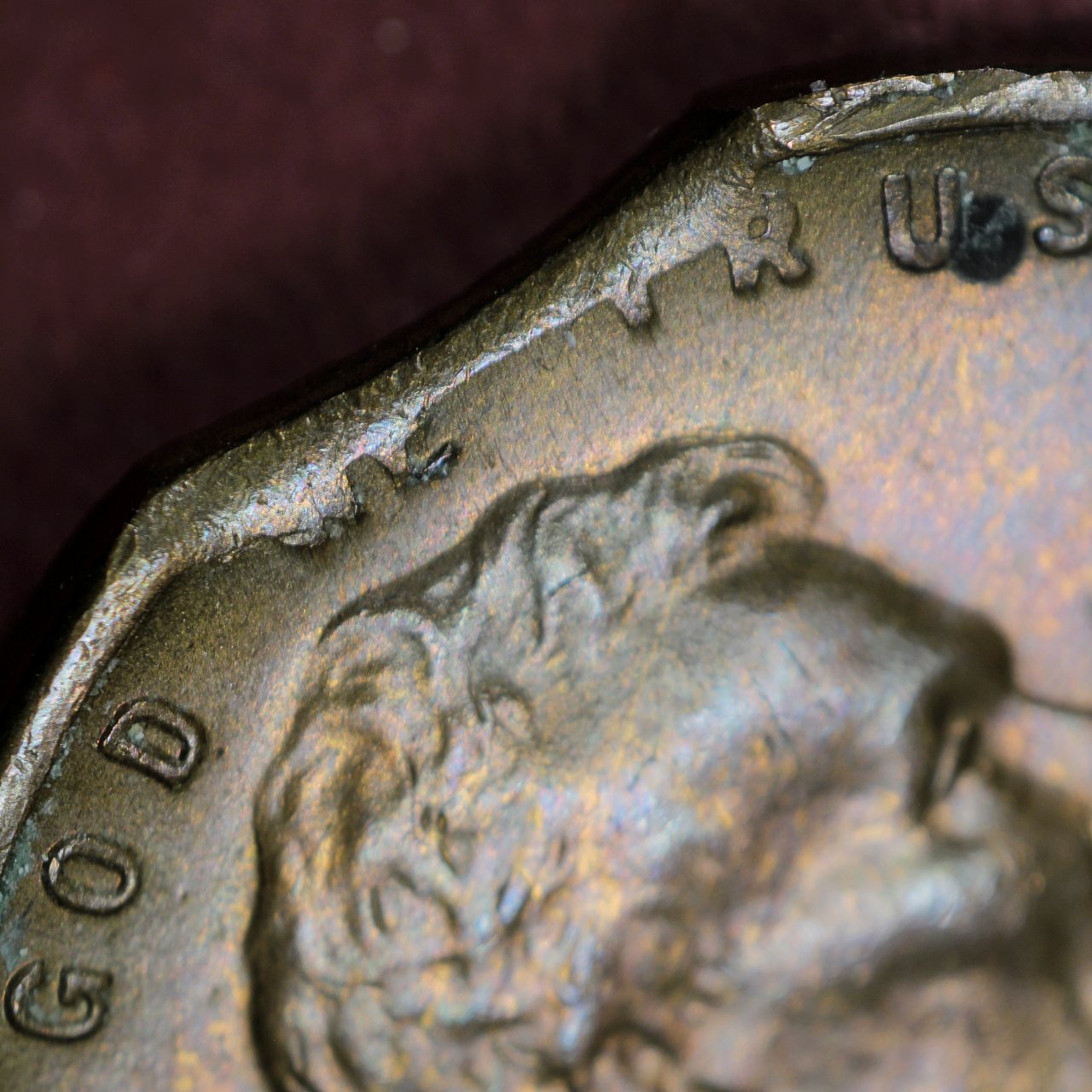
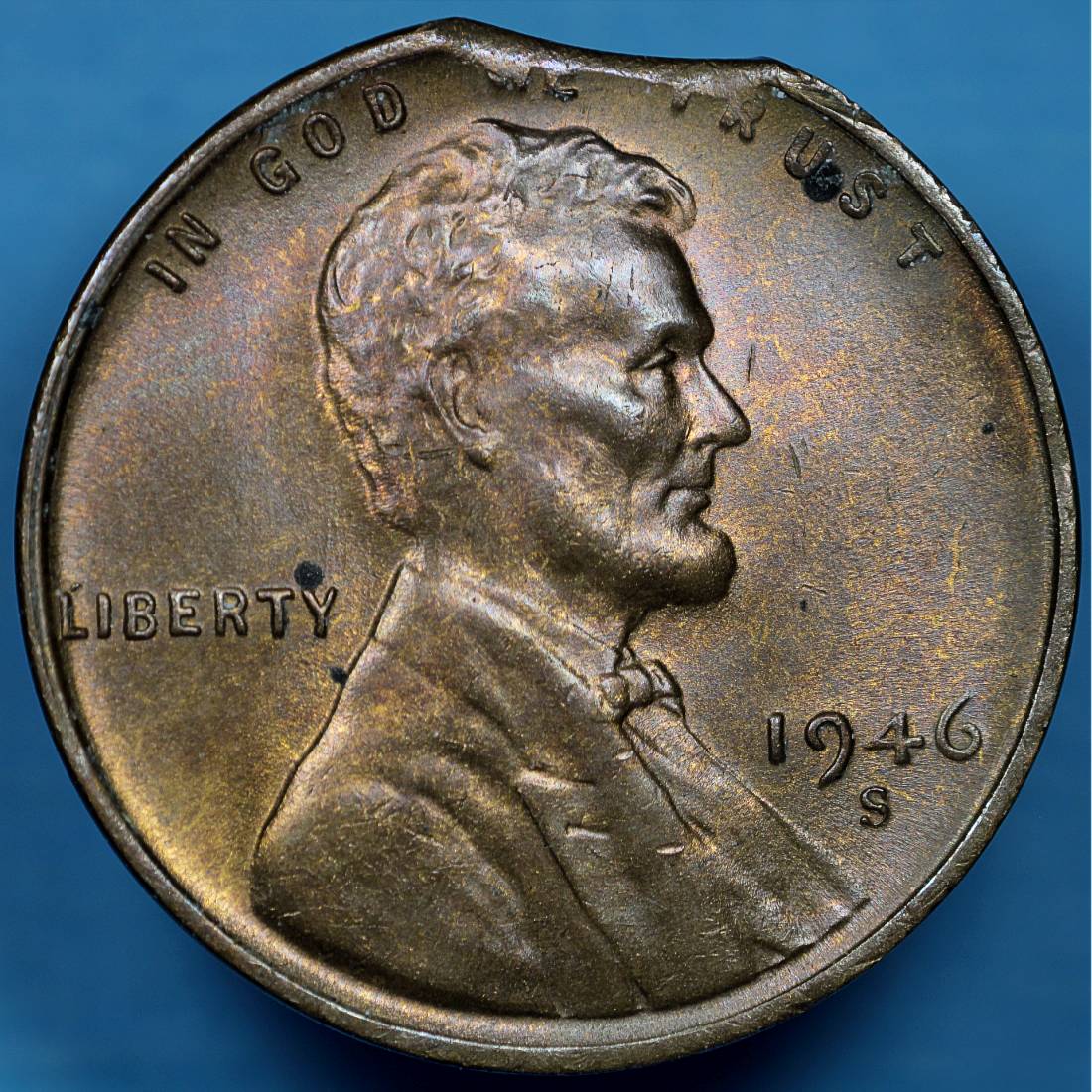
I've collected dozens over the last 50 years; incomplete planchet strikes, double and triple clips and even a tiny, tiny clip on an uncirculated Peace dollar. Each one is different, interesting, and they are some of my favorite error types. They also give us insight as to what happens during the minting process. I'm learning more about these as the replies and explanations are posted. Thanks to Bats for originating the topic and thanks everyone for educating me on what to look for and shy away from. I hope you don't mind my posting this image, but I just love this coin and I think it fits in perfectly with this topic and I somehow missed out on the thread back in November. 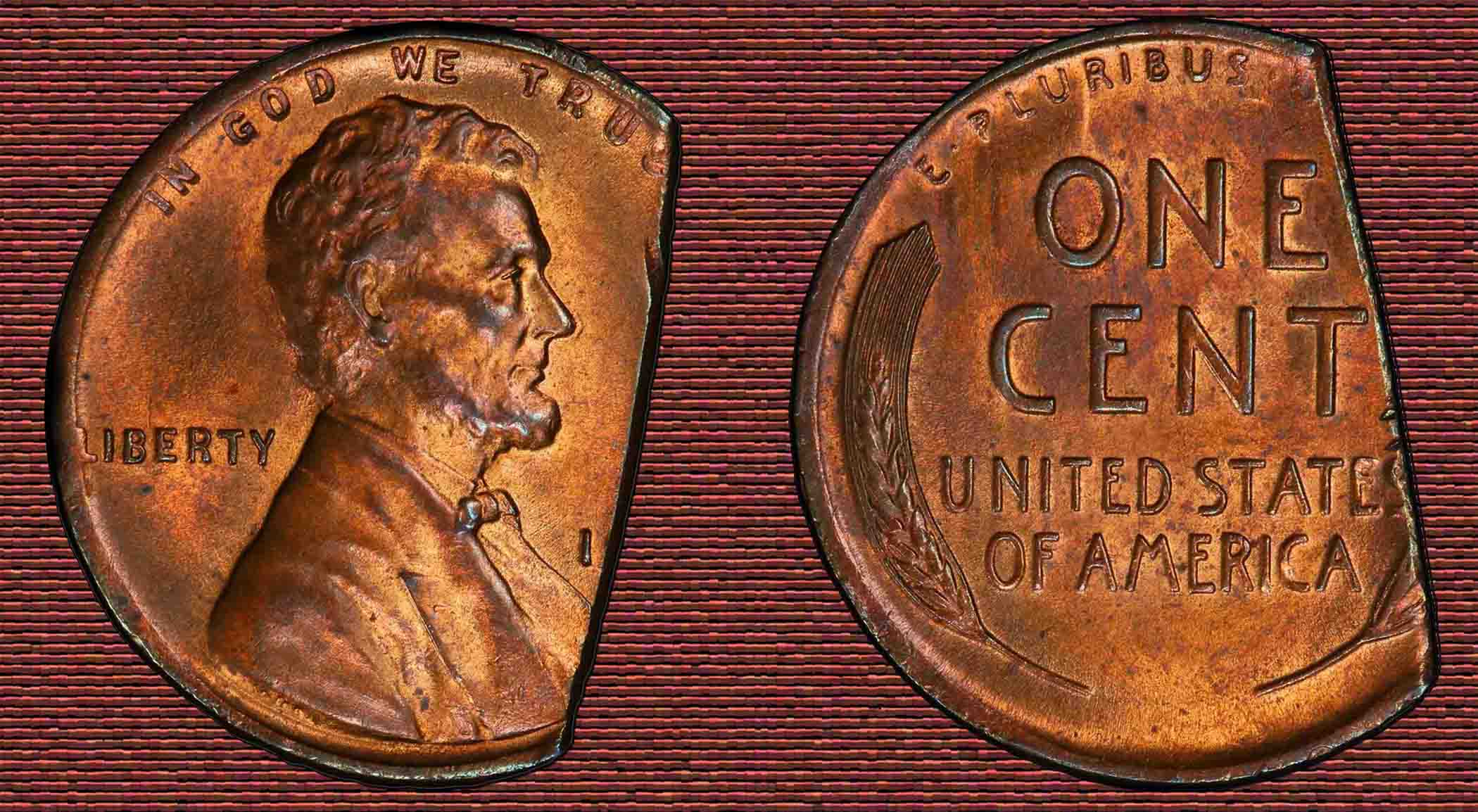 ANA ID: 3203813 - CONECA ID: N-5637 Clean a coin that may be worth collecting? Please DON'T! When in doubt, leave it dirty!! 
|
|
Pillar of the Community
United States
986 Posts |
Agree, if Mike hasn't already done an article in CoinWorld on clips, I'd really appreciate getting his perspective and wealth of knowledge on the subject. "We are all flawed, some MD and some PMD." NYI |
|
Pillar of the Community
United States
4051 Posts |
Quote:
I hope you don't mind my posting this image, but I just love this coin and I think it fits in perfectly with this topic and I somehow missed out on the thread back in November. Very nice example of a straight clip. |
|
|
Replies: 46 / Views: 5,633 |
|





 First Page
 Previous Page


 Posted 11/28/2023 12:37 am