| Author |
 Replies: 41 / Views: 3,444 Replies: 41 / Views: 3,444 |
Page 3 of 3
|
|
|
|
Pillar of the Community
Canada
6244 Posts |
Thanks DATA. I do not have before this information till this moment. I will put in my own data this. I calculated the weight of the clad based on 75/25 and give me one side 0.95 to 0.97 and two sides 1.94 rounded from 6 digits. Me I believe that today the mint move to 70/30 and thinn coins with same EMF.
Now it is interesting point. Philladelphia install the new blanking in 2001 and Denver + SanFancisco in 2004 which eliminate (suppose, exception could be) the variations in the roll thickness. If someone request I will repost the new Shuller blanking machine which if the roll is under or over the acceptable thicness will bypass that portion. With out clad the machine will not strike the blanks and pass the roll till reach the normal thickness.
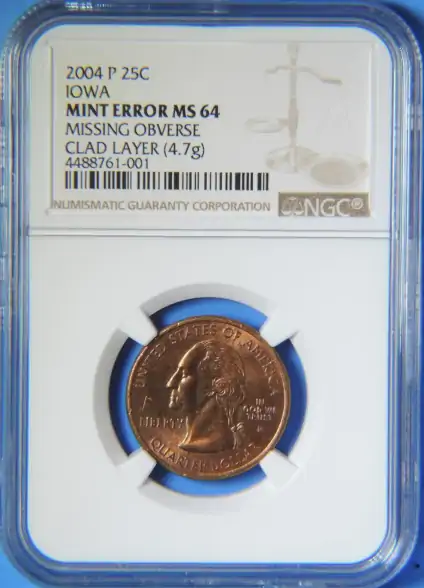
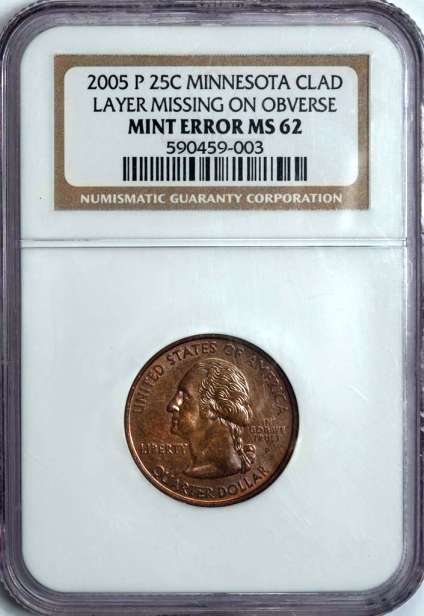
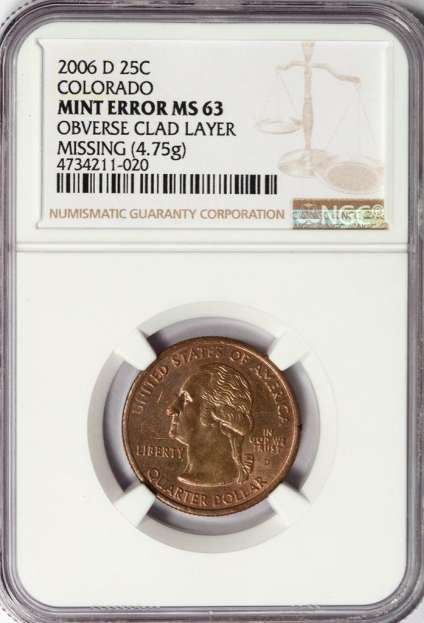
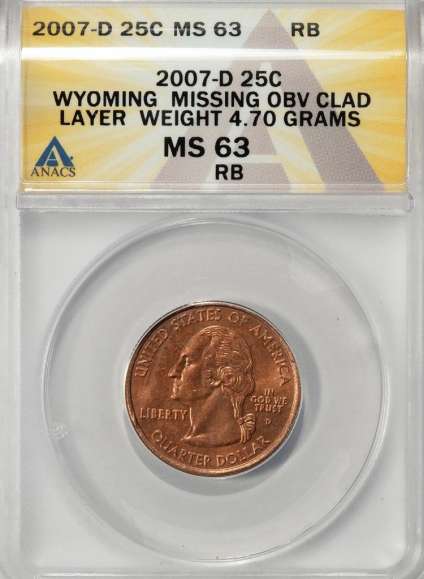
The samples show here make sense regarding the Mint process. I look the years.
Edited by silviosi
01/29/2024 8:04 pm
|
|
Pillar of the Community
United States
1648 Posts |
Quote:
Now it is interesting point. Philladelphia install the new blanking in 2001 and Denver + SanFancisco in 2004 which eliminate (suppose, exception could be) the variations in the roll thickness. If someone request I will repost the new Shuller blanking machine which if the roll is under or over the acceptable thicness will bypass that portion. With out clad the machine will not strike the blanks and pass the roll till reach the normal thickness What you are saying is that the new blanking machine will not strike the blanks if it is not within the normal thickness after the dates the machine was installed. If that is accurate then that would be interesting to check if missing clad examples exist after those dates or not. The 2003 above is a denver (before 2004). I know I have some 2000-D maryland but thats before 2004. Edited by datadragon
01/29/2024 10:16 pm
|
|
Pillar of the Community
Canada
6244 Posts |
Yes, PM me and I will send you the Shuller blanking machine.
|
|
Pillar of the Community
Canada
6244 Posts |
DATA you are complete right. The base of coins is in the Minting Process. If we do not master this our decision could be false. This point I discussed with JP Martin in the weekend. Maybe I will go for some time there to enjoy the very skill team.
Edited by silviosi
01/30/2024 5:43 pm
|
|
Moderator
 United States
15969 Posts |
I concur that if the OP coin weighs 5.7 grams then it is not missing the clad layers. However it came to be this color the process was PMD. |
|
Forum Dad
United States
24236 Posts |
|
|
Pillar of the Community
United States
1648 Posts |
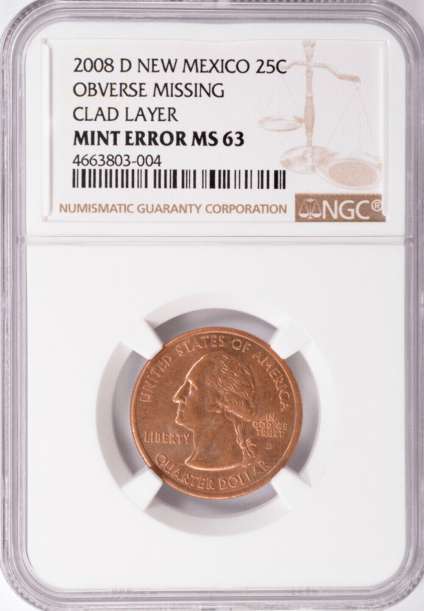
Thanks bobby for taking time to look that up. The info he gave about the Schuler monitoring thickness appears to be accurate but the info Mike Diamond gave seems to show the problem can happen also after the creation of the blanks and that is more common. Coil thickness monitor. The coil thickness measurement device checks deviations from the correct coil thickness in on-line operation. If there are tolerance deviations, the material is advanced to a point in front of the die space, the press is stopped in TDC and the electric roll feed moves the out-of-tolerance coil through the open die to the take-up coiler. https://www.schulergroup.com/major/...chuere_e.pdfThe vast majority of missing clad layer errors are bonding errors. If insufficient tonnage is applied, or if the facing surfaces are inadequately cleaned, the clad strip fails to bond to the core strip. The loose clad layer then falls away some time after the coin blank is punched out by the blanking press. Most times the clad layer falls off before the planchet reaches the coinage press. Every so often the clad layer separates after a coin is struck. This leaves the exposed copper core with a blurred design. The rarest form of missing clad error is not caused by an insecure bond at all. It is a rolling error that traces back to the bonding mill. Three potential scenarios are involved: 1. The leading end of one clad strip lags behind the leading end of the core strip and the other clad strip. 2. The trailing end of one clad strip ends prematurely. 3. A large gap is present in one clad strip. https://www.coinworld.com/news/us-c...ly-miss.html |
|
Forum Dad
United States
24236 Posts |
I found those above in less than 60 seconds. There are lots of them on ebay. |
|
Pillar of the Community
Canada
6244 Posts |
Quote:
Coil thickness monitor. The coil thickness measurement device checks deviations from the correct coil thickness in on-line operation. If there are tolerance deviations, the material is advanced to a point in front of the die space, the press is stopped in TDC and the electric roll feed moves the out-of-tolerance coil through the open die to the take-up coiler. Optimum line control. The Blankmaster uses the ABI-Plus press control system. From Schuller   I can upload here all the schuller line photos and also the Miller-Schuller, as the CNC used the Jung |
|
Forum Dad
United States
24236 Posts |
Upload all the photos you want, doesn't change the facts. I couldn't possibly care less what Schuller SAYS it does. The fact is missing clads are still readily available. It's bad info. 30 seconds on Google will tell you that.
|
|
Pillar of the Community
United States
1648 Posts |
Quote:
Upload all the photos you want, doesn't change the facts. I couldn't possibly care less what Schuller SAYS it does. The fact is missing clads are still readily available. It's bad info. 30 seconds on Google will tell you that. Hi bobby. Reread my last reply above. Mike Diamond explained in that article most of the missing clads happen after that, so only the rarer types would be prevented by the new machine process that monitors thickness. |
|
Forum Dad
United States
24236 Posts |
So the entire discussion about the new machines and how they relate to missing clad coins is pretty pointless.
|
|
Pillar of the Community
United States
1648 Posts |
Quote:
So the entire discussion about the new machines and how they relate to missing clad coins is pretty pointless. Not exactly, it does show that the rarest form was related to that and now would no longer happen it appears, and how it happens otherwise that continued after the new equipment so thats good to know you can still find them after those dates and why for those looking or who wanted to know. The rarest form of missing clad error is not caused by an insecure bond at all. It is a rolling error that traces back to the bonding mill. Three potential scenarios are involved: |
|
Pillar of the Community
United States
2567 Posts |
You guys are leaving out that there are less than ten quarters missing both clad layers. The strike would be soft. No reason for long explanations on this one
|
|
Pillar of the Community
United States
6909 Posts |
I would imagine that if a blank has a badly bonded clad layer, the upset mill is a strong candidate for splitting it apart. That's a tremendous amount of shearing pressure directed at a right angle to the layers.
|
|
Page 3 of 3
|
Replies: 41 / Views: 3,444 |
Page 3 of 3
|





 First Page
 Previous Page


 Posted 01/29/2024 9:16 pm