First Page


 Posted 01/02/2026 6:03 pm


Victor, thank you for posting and educating all of us.
I recently listened to an outstanding podcast, Fall of Civilizations: Roman Britain - The Work of Giants Crumbled. The episode explores how Roman Britain rose, flourished, and then slowly unraveled. I highly recommend it.
It explains how repeated bids for power by usurpers and would-be emperors steadily bled the province dry. In the end, Rome could no longer support Britain, leaving behind abandoned cities, empty forts, and ruins remembered only as the work of giants.
1. Clodius Albinus (c. 150-197 AD), governor of Britannia and commander of three legions, declared himself emperor after being sidelined by Septimius Severus, crossed into Gaul to fight for the throne, and was defeated and executed at the Battle of Lugdunum in 197 AD, leaving Britain militarily weakened and later divided into smaller provinces to prevent future rebellions.
2. Carausius (c. 286-293 AD), commander of the Channel Fleet, proclaimed himself emperor after accusations of corruption, ruled Britain and parts of northern Gaul as an independent breakaway state for nearly a decade, and was ultimately assassinated by his own treasurer, Allectus.
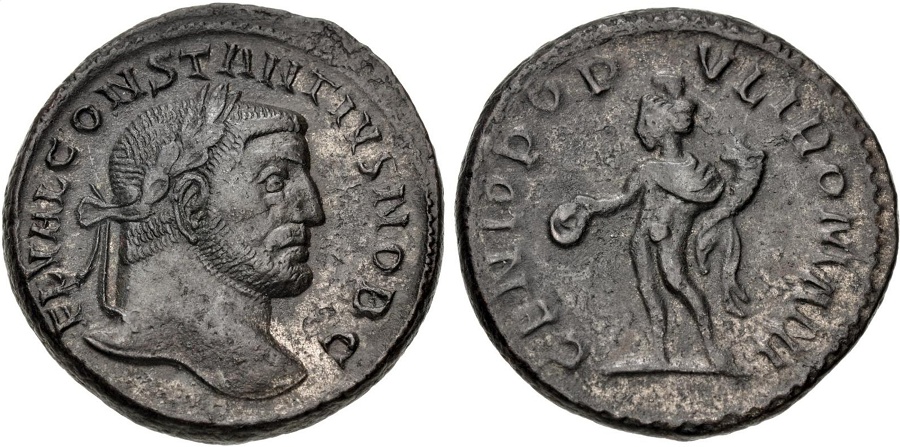
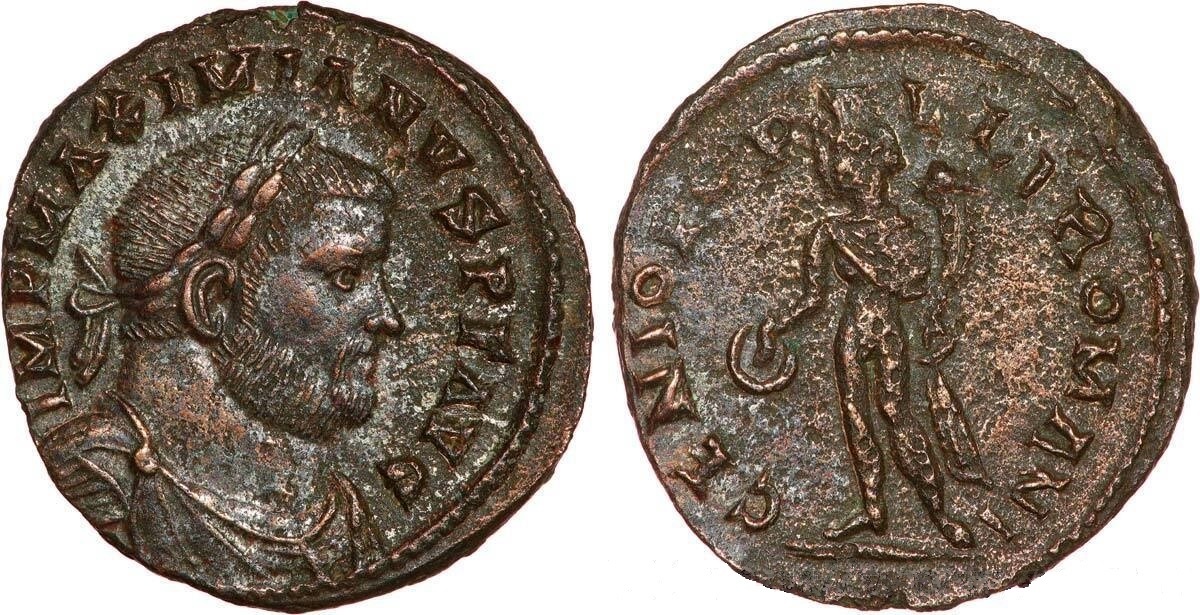
3. Allectus (293-296 AD) seized power in Britain after murdering Carausius, relied on the British army and fleet to maintain control, and was killed during the reconquest of Britain by Constantius Chlorus, restoring Roman authority at significant cost.
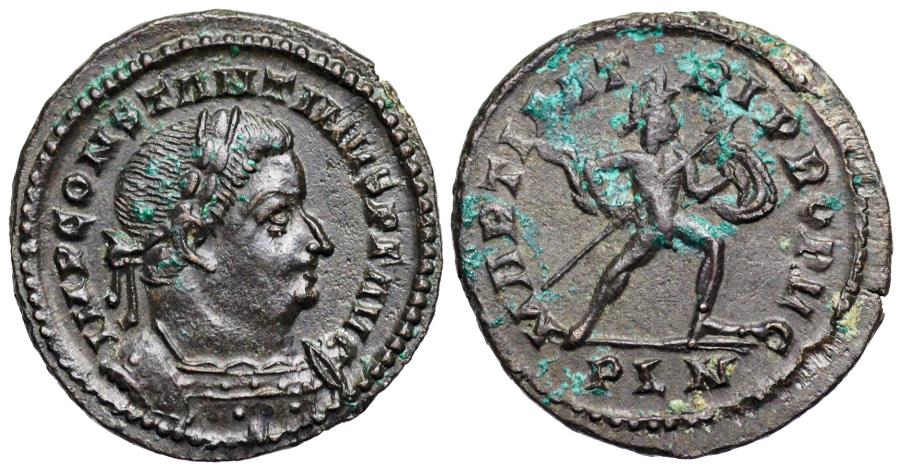
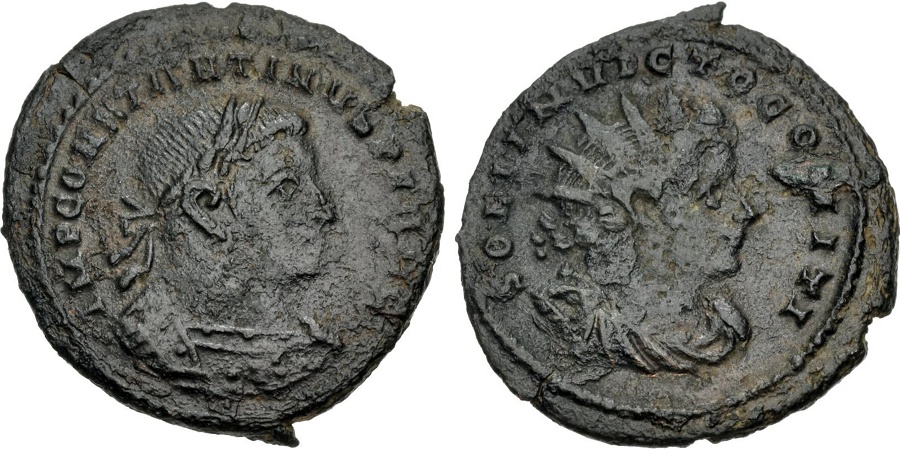
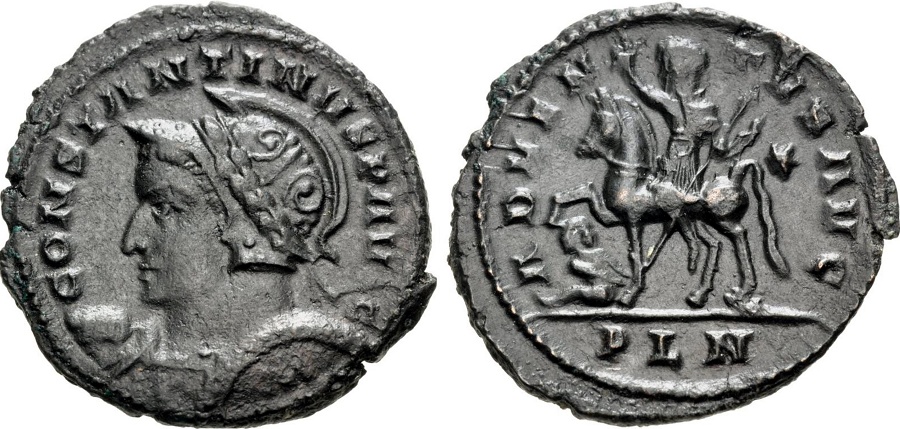
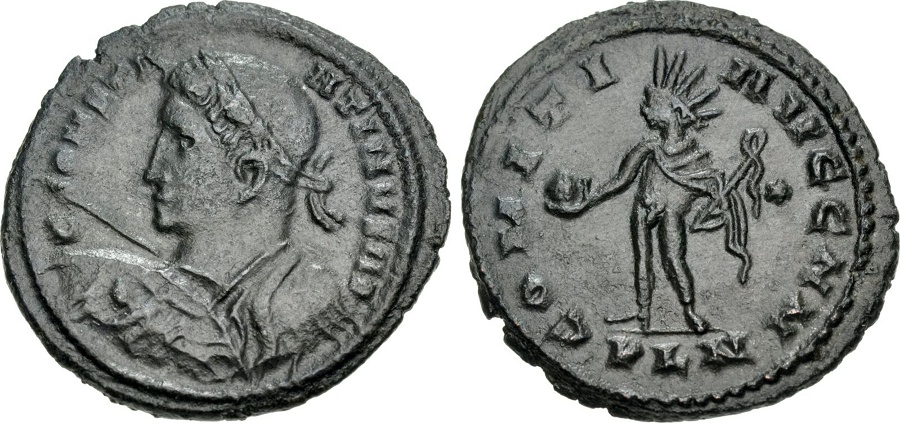
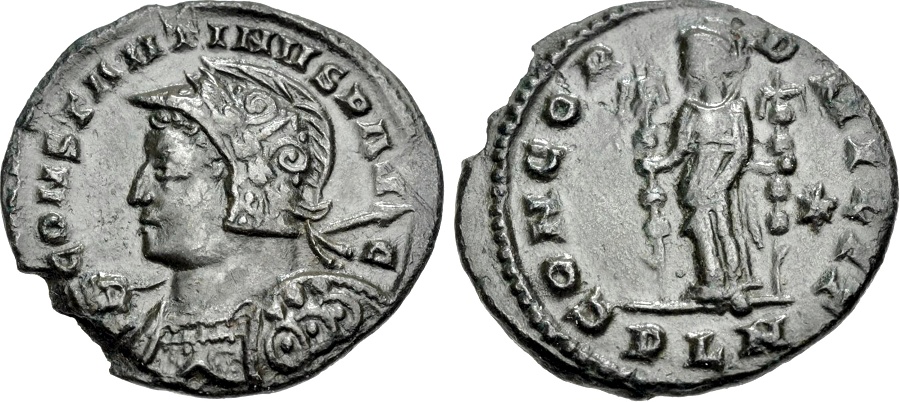
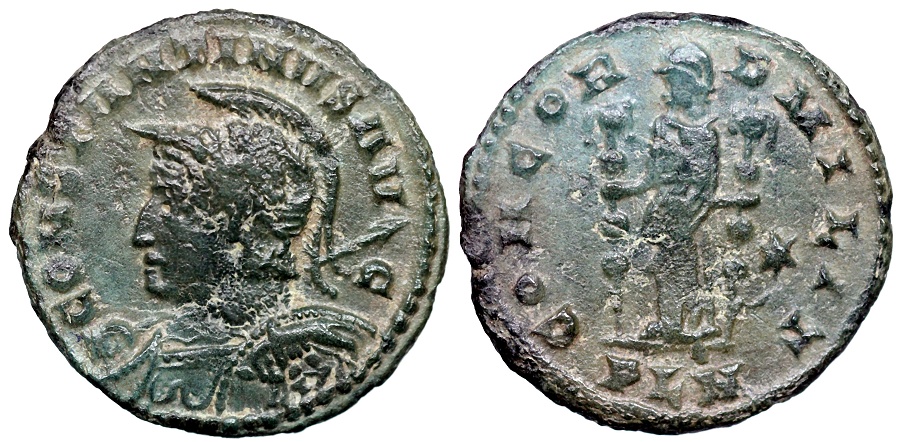
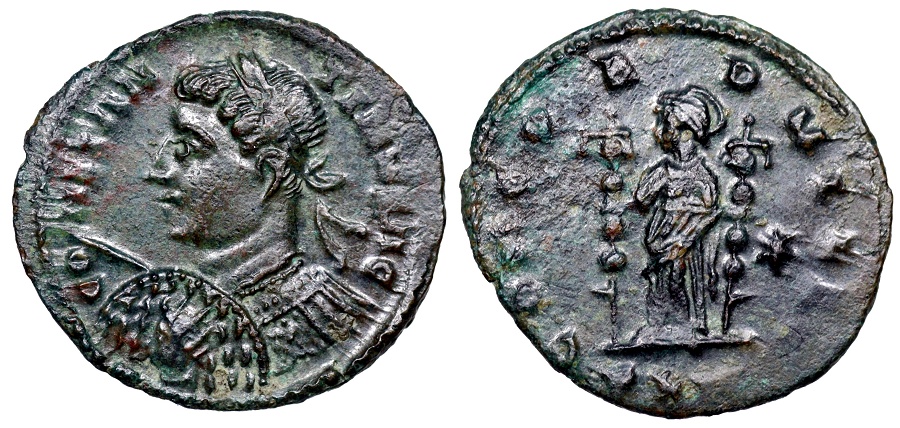
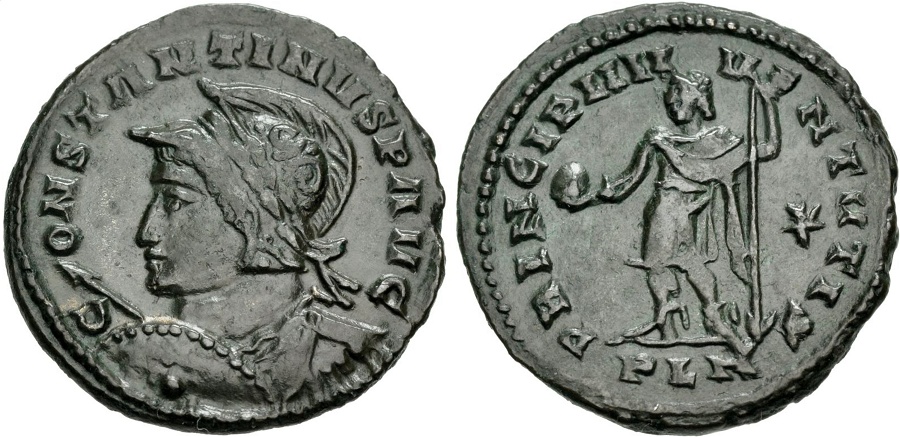
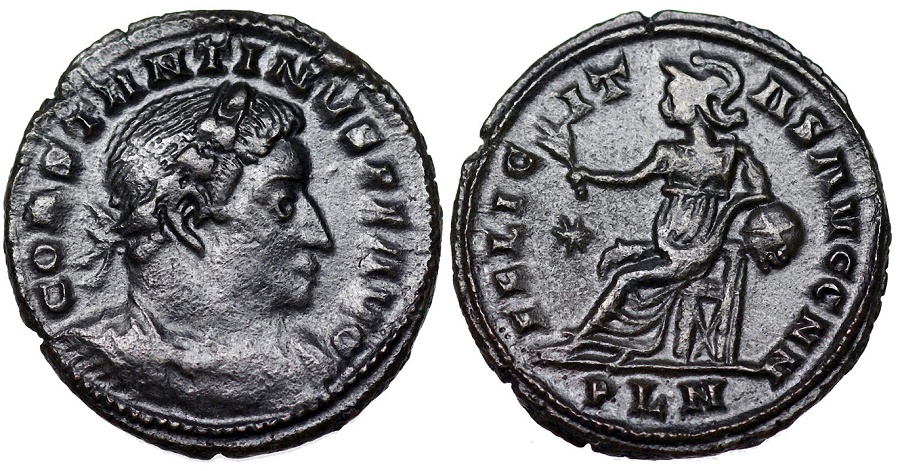
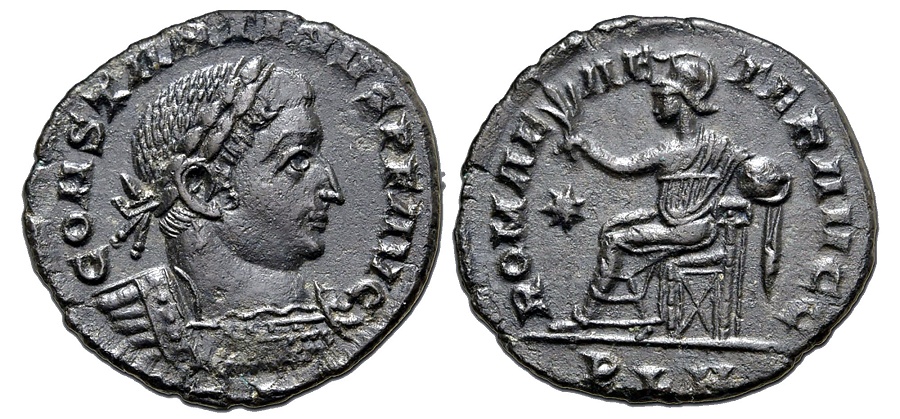
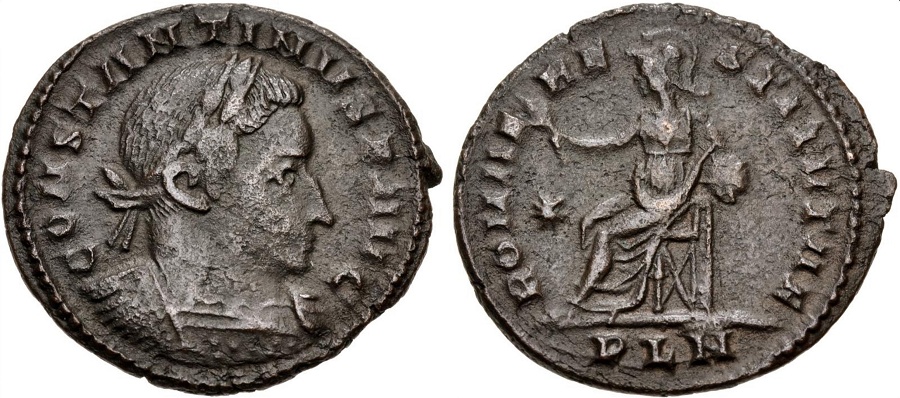
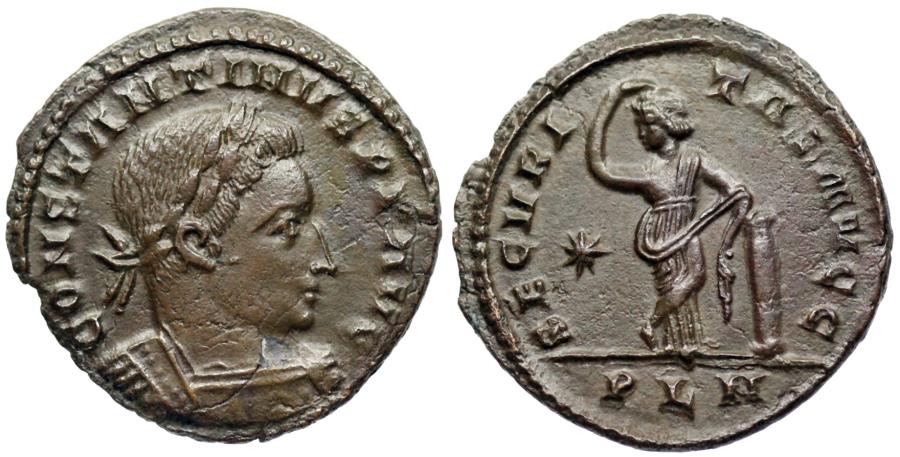
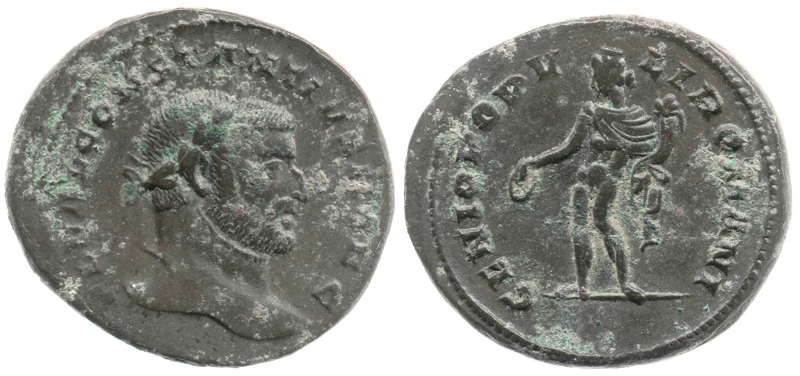
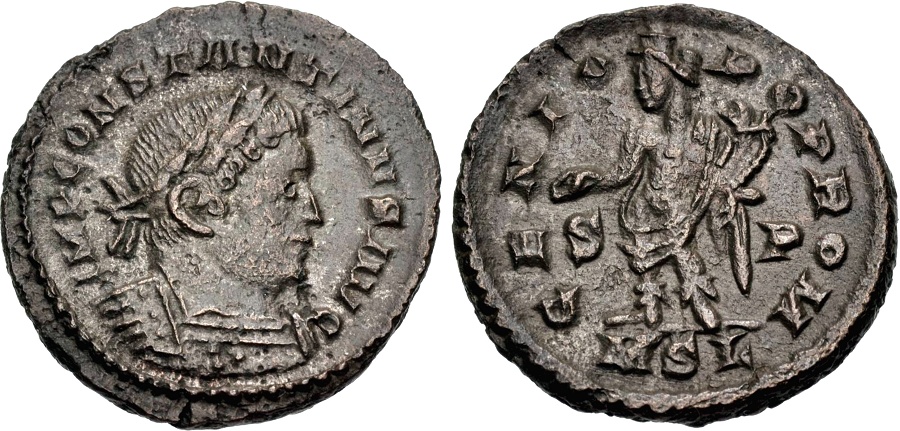
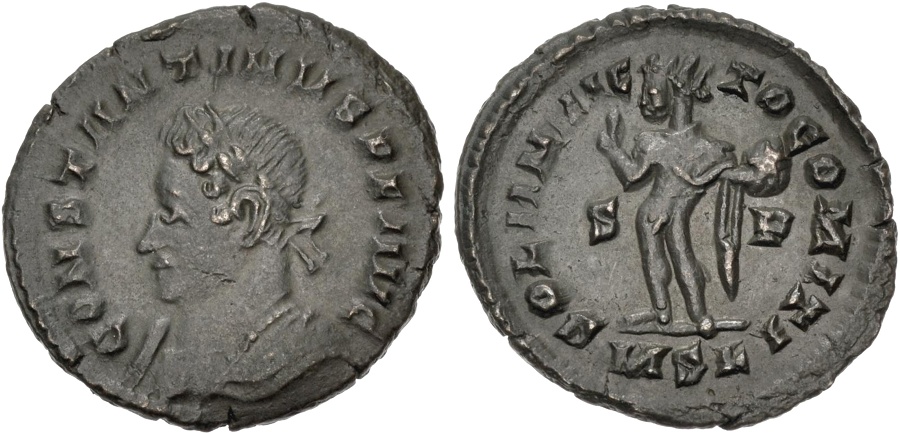
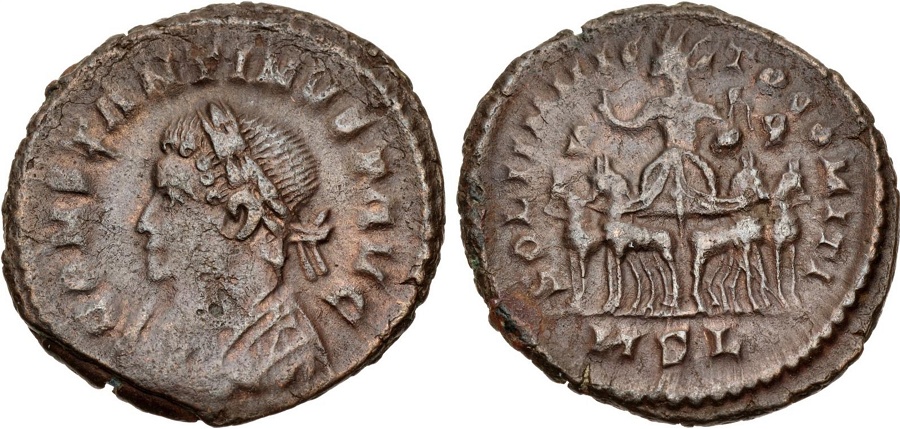
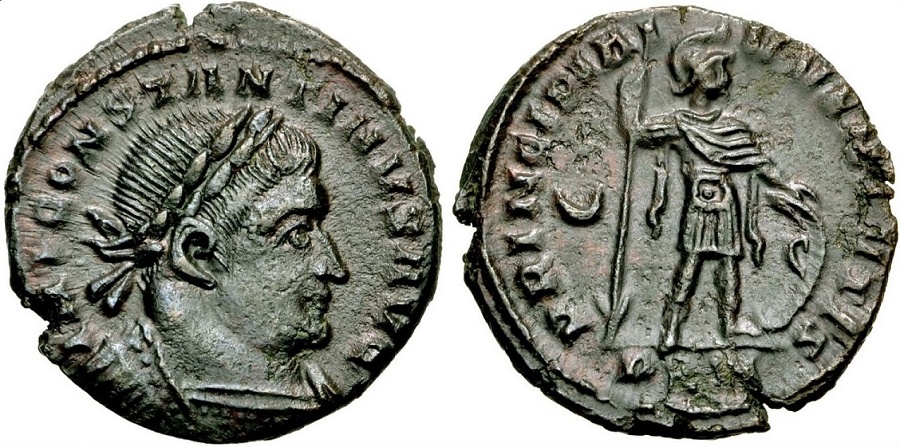
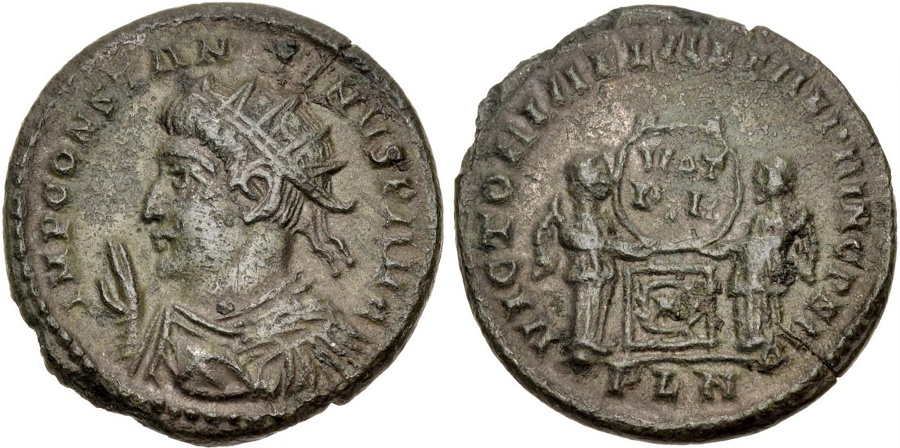
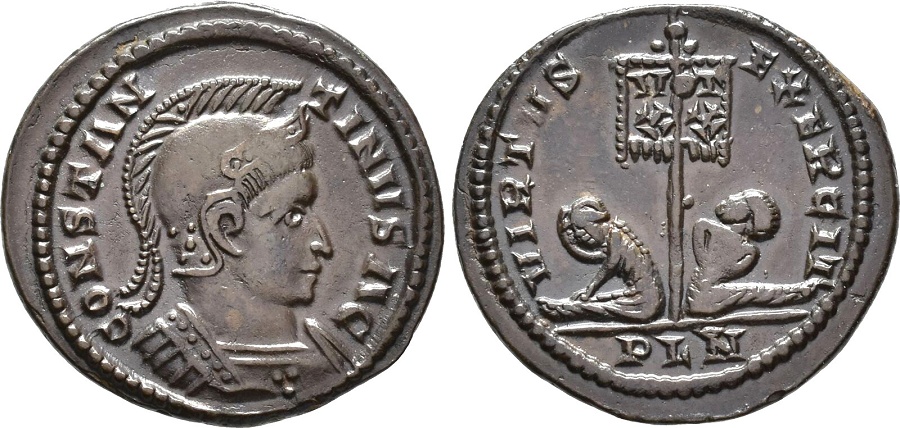
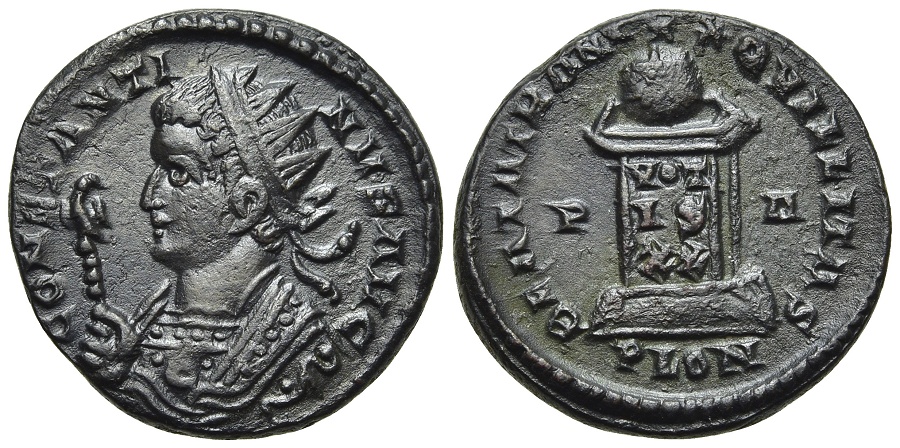
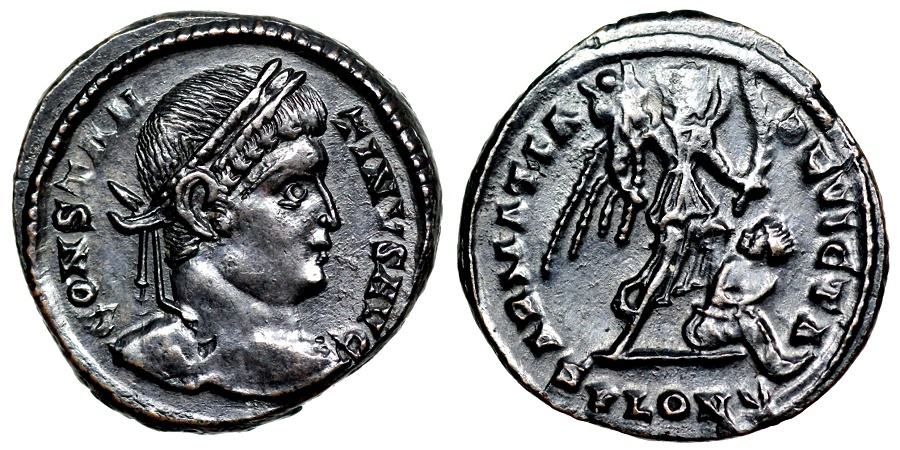
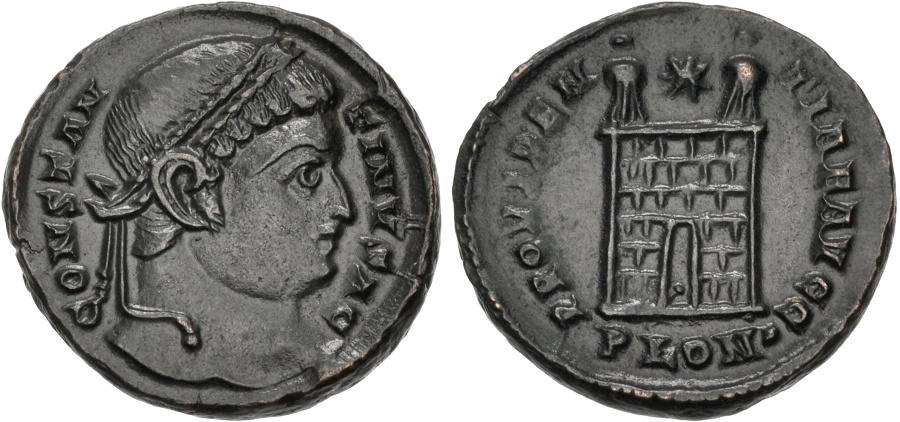
4. Constantine the Great (Constantine I) (306-337 AD) was proclaimed emperor by his father's troops at Eboracum (York) in 306 AD, used Britain as the launching point for his rise, defeated his rivals—including Maxentius at the Milvian Bridge—and ultimately became sole ruler of the Roman Empire.
5. Magnus Maximus (383-388 AD), a senior commander in Britain, was proclaimed emperor by his troops, removed much of Britain's field army to pursue power in Gaul and Spain, and was defeated and executed by Theodosius I, permanently weakening Britain's defenses and administration.
6. Constantine III (407-411 AD), declared emperor by Britain's remaining legions during the collapse of the Western Empire, led the last Roman army out of Britain in a final bid for power, was captured and executed, and in doing so marked the permanent end of Roman rule in Britain.
I recently listened to an outstanding podcast, Fall of Civilizations: Roman Britain - The Work of Giants Crumbled. The episode explores how Roman Britain rose, flourished, and then slowly unraveled. I highly recommend it.
It explains how repeated bids for power by usurpers and would-be emperors steadily bled the province dry. In the end, Rome could no longer support Britain, leaving behind abandoned cities, empty forts, and ruins remembered only as the work of giants.
1whRd_c_irk
1. Clodius Albinus (c. 150-197 AD), governor of Britannia and commander of three legions, declared himself emperor after being sidelined by Septimius Severus, crossed into Gaul to fight for the throne, and was defeated and executed at the Battle of Lugdunum in 197 AD, leaving Britain militarily weakened and later divided into smaller provinces to prevent future rebellions.
2. Carausius (c. 286-293 AD), commander of the Channel Fleet, proclaimed himself emperor after accusations of corruption, ruled Britain and parts of northern Gaul as an independent breakaway state for nearly a decade, and was ultimately assassinated by his own treasurer, Allectus.
3. Allectus (293-296 AD) seized power in Britain after murdering Carausius, relied on the British army and fleet to maintain control, and was killed during the reconquest of Britain by Constantius Chlorus, restoring Roman authority at significant cost.
4. Constantine the Great (Constantine I) (306-337 AD) was proclaimed emperor by his father's troops at Eboracum (York) in 306 AD, used Britain as the launching point for his rise, defeated his rivals—including Maxentius at the Milvian Bridge—and ultimately became sole ruler of the Roman Empire.
5. Magnus Maximus (383-388 AD), a senior commander in Britain, was proclaimed emperor by his troops, removed much of Britain's field army to pursue power in Gaul and Spain, and was defeated and executed by Theodosius I, permanently weakening Britain's defenses and administration.
6. Constantine III (407-411 AD), declared emperor by Britain's remaining legions during the collapse of the Western Empire, led the last Roman army out of Britain in a final bid for power, was captured and executed, and in doing so marked the permanent end of Roman rule in Britain.
Edited by travelcoin
01/02/2026 6:04 pm
01/02/2026 6:04 pm