| Author |
 Replies: 25 / Views: 885 Replies: 25 / Views: 885 |
Page 2 of 2
|
|
|
|
Pillar of the Community
 United States
3360 Posts |
Quote:
Having looked at thousands of 2006-2025 nickel reverses per year for three years, I can spot a Denver nickel with extreme accuracy just by the surface features. They tend to have a mirror rather than a matte texture I have now received 2 other responses about the "shine" on coins from Denver. I would be interested in someone explaining in more detail exactly how that can happen. WHAT CAUSES A MIRROR AS OPPOSED TO A MATT FINISH? I know, intuitively, that die polishing might be behind it, but I don't understand precisely HOW? |
|
Pillar of the Community
 United States
6880 Posts |
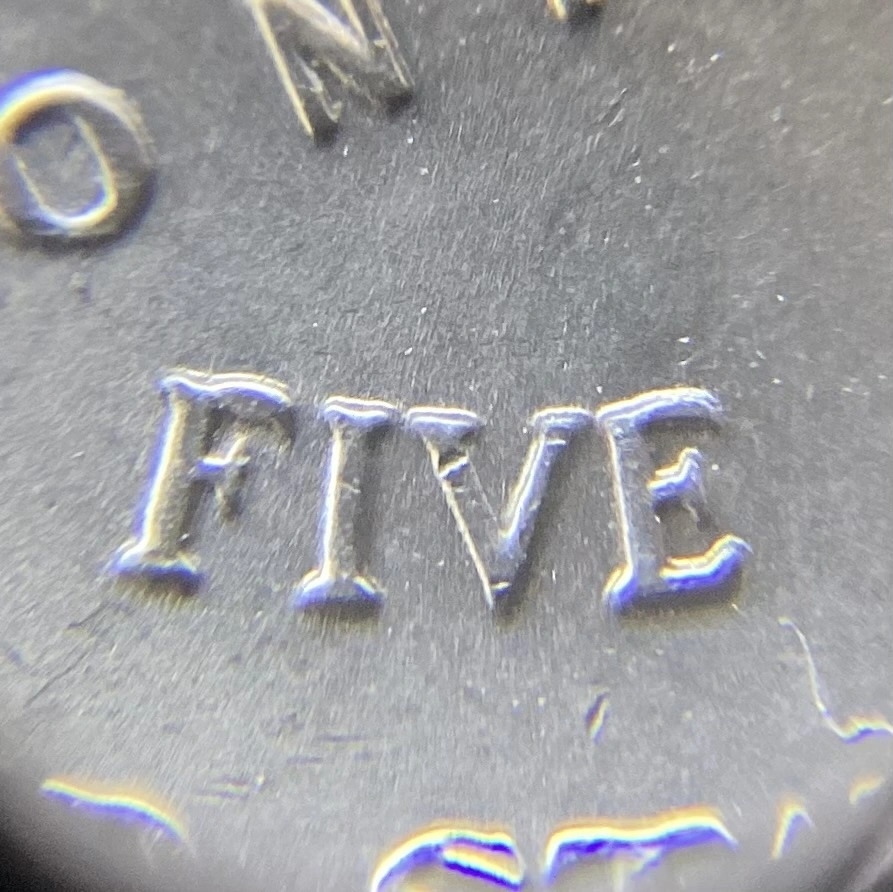
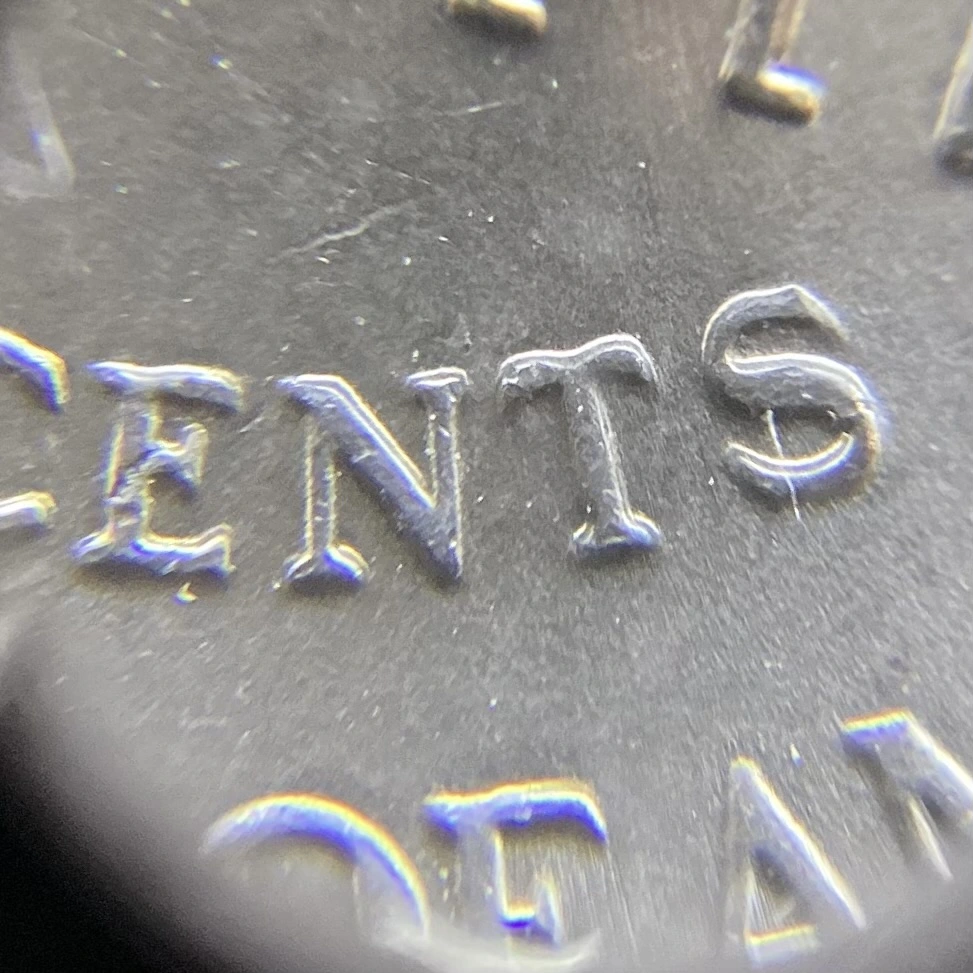
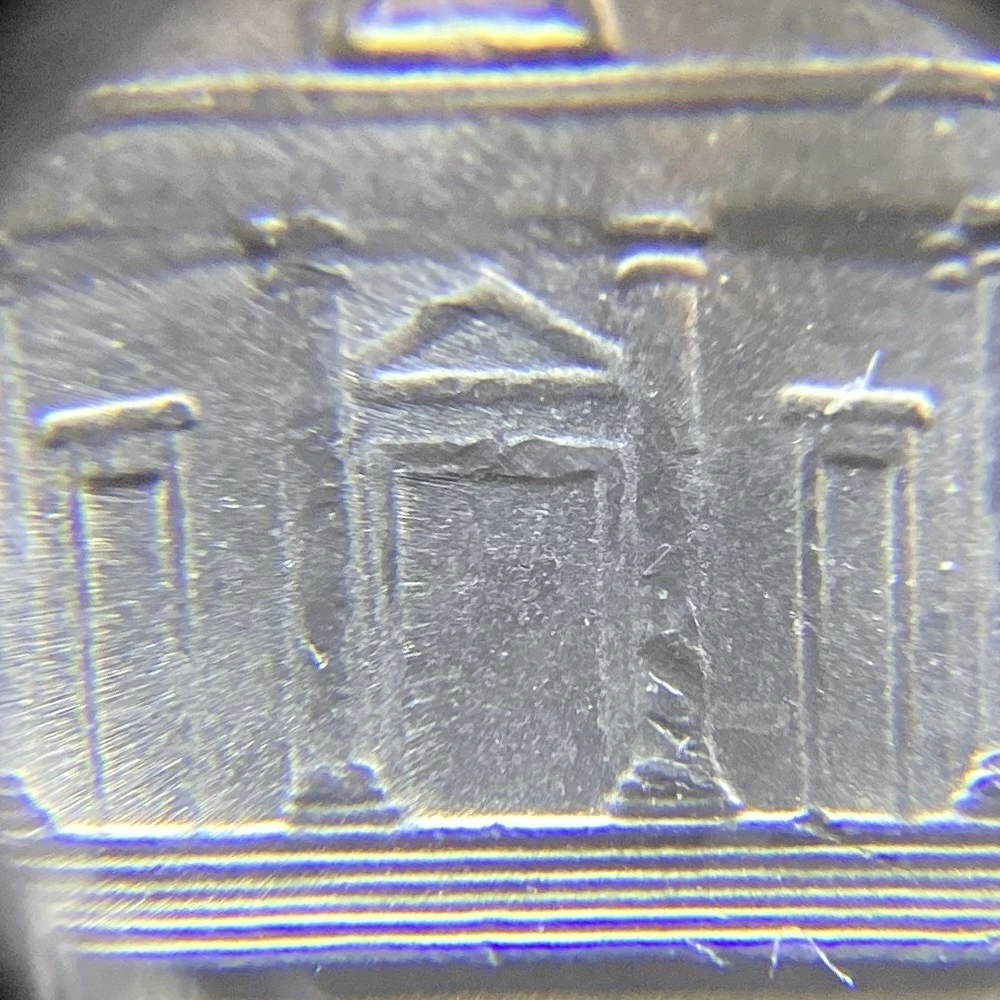
It could be a feature of the dies. Perhaps there is a difference in the final preparation. I thought I remembered reading that the mints would plate or otherwise prepare the die surfaces to harden them and extend striking life. One thing that I can state confidently is that Denver nickels have a specific surface deterioration pattern that is different from Philly. They are much more likely to develop the melted butter ghosts on lettering—especially reverse lettering—that moves towards the center. I have sometimes wondered if Denver just runs the dies longer, but that would not explain the visibly burnished (D) vs. matte (P) appearance of the nickel surfaces.
However, it is also possible that there are minor differences in planchet preparation between Philly and Denver. I do not recall anyone mentioning the visible difference on other denominations. I will retrieve a few specimens from my weekly CRH that show the pattern.
|
|
Pillar of the Community
United States
3360 Posts |
Quote:
It could be a feature of the dies. Perhaps there is a difference in the final preparation. I thought I remembered reading that the mints would plate or otherwise prepare the die surfaces to harden them and extend striking life. One thing that I can state confidently is that Denver nickels have a specific surface deterioration pattern that is different from Philly. They are much more likely to develop the melted butter ghosts on lettering—especially reverse lettering—that moves towards the center. I have sometimes wondered if Denver just runs the dies longer, but that would not explain the visibly burnished (D) vs. matte (P) appearance of the nickel surfaces.
However, it is also possible that there are minor differences in planchet preparation between Philly and Denver. I do not recall anyone mentioning the visible difference on other denominations. I will retrieve a few specimens from my weekly CRH that show the pattern. The mint has used PVD for numismatic {Proof} coin dies. In 2024, it was reported that "A project is underway at the Denver Mint to install a turnkey cleaning line and PVD coating system for the first time to coat work hubs with low CoF Chromium Nitride coatings." for Circulating Coins, 2024 Biennial Report, Page 8 PVD = Physical vapor deposition is a vacuum deposition method involving plasma sputter bombardment of target material to deposit thin films of that material onto surfaces (i.e., coining dies). PVD coatings are generally used to improve hardness and wear resistance. |
|
Pillar of the Community
United States
8960 Posts |
Another great article, Pete. Thank you!
-makecents-
|
|
Pillar of the Community
United States
3360 Posts |
Quote:
Another great article, Pete. Thank you! THANK YOU! I appreciate your support and encouragement! |
|
Pillar of the Community
United States
8960 Posts |
Quote:
I do not recall anyone mentioning the visible difference on other denominations. I have not paid as much attention to the surfaces as I have the devices between the two mints. I have noticed that on the Denver later memorials and also the shield cents appear to have a softness to all the devices that make them look thicker, almost as if they have a slight spread. -makecents-
|
|
Pillar of the Community
United States
681 Posts |
Thanks for the article, wasn't something that I had thought about.  |
|
Pillar of the Community
United States
6880 Posts |
Denver notably has had some visible planchet differences to Philly over the years. Nickels from 2000 are notable for a polished gleam. Folks here (including myself) have posted a number of mirror finished Denver coins over the past few years. I had assumed that was a planchet difference, but I've never read a pro confirmation or refutation of that observation.
|
|
Pillar of the Community
United States
6880 Posts |
Quote:
I have noticed that on the Denver later memorials and also the shield cents appear to have a softness to all the devices that make them look thicker, almost as if they have a slight spread. Agreed. I immediately know that when I see that chrome-like gleam and softened features on a nickel reverse, it's a Denver minted coin. Not all Denver coins are guaranteed to have that finish, but I don't remember seeing a similar Philly coin. |
|
Pillar of the Community
United States
6880 Posts |
|
|
Pillar of the Community
United States
3360 Posts |
Quote:
you can see that melted butter beginning atop FIVE CENTS. Thanks. I understand now. I have seen that and did not know whether I was seeing reflection or Die Deterioration! I guess I still don't understand! |
|
Pillar of the Community
United States
3360 Posts |
A study of Hertzian Contact Theory leads me to suspect that:
The article states a faulty syllogism that since the mint experienced die breakage and shorter die life using flat dies and in 1836 converted to spherical die faces thus extending die life, therefore Philadelphia, since they experience more die events, must have flatter dies than Denver.
I hope to have more data to work with to resolve that question when I complete my analysis from additional scans I have scheduled for the end of the month.
|
|
Moderator
 United States
194816 Posts |
Very interesting. Thank you for the update. |
|
Pillar of the Community
United States
6880 Posts |
I wonder if a different curvature would explain why Denver dies have such a specific and different deterioration pattern than Philadelphia.
It doesn't seem likely that they have different curvatures between the mint locations in the 21st century. But I suppose that many things are possible?
|
|
Pillar of the Community
United States
3360 Posts |
Quote:
It doesn't seem likely that they have different curvatures between the mint locations in the 21st century. But I suppose that many things are possible? I am working on that question now - some scans scheduled for the end of the month. Also, On Page 301 of the 2012 Alternative Metals Study, Footnote 138 states: "2011 ATB PM DM Progression Strike Results and Narrative (Oct 2011 Die Manufacturing Conf).pdf provided by the United States Mint." >>> Implies different crown heights in 2011! I have not been able to obtain a copy of that report yet!! |
|
Page 2 of 2
|
Replies: 25 / Views: 885 |
Page 2 of 2
|







 First Page


 Posted 05/02/2026 11:05 am