| Author |
 Replies: 25 / Views: 3,456 Replies: 25 / Views: 3,456 |
Page 2 of 2
|
|
|
|
Moderator
 United States
16697 Posts |
Put it on ebay and start the bidding off at $1,000,000 as a unique speckled planchet error! swcoin.ecrater.com
|
|
Pillar of the Community
2226 Posts |
|
|
Bedrock of the Community
United States
12437 Posts |
You have to assume that any purported unplated Zincoln is altered unless you can also see luster, it is too easy to fake a dull dark silvery appearance.
|
|
Valued Member
United States
296 Posts |
If you're sure the coin never exceeded 400 degrees, all you did was soot up what ever was on the coin. Clean it off and the copper will still be there. Copper melts at over 1900 deg. and zinc melts at over 700 deg. The metallurgists and chemists on this forum can correct me if I'm wrong. But, if you did manage to get it hot enough to melt off the copper, you would have vaporized the zinc.  |
|
Pillar of the Community
United States
4778 Posts |
And after what he's been through, Abe is still smiling...
|
|
Valued Member
United States
404 Posts |
Hmmmm...I have a heat press...and a lot of coins...and some free time at work...I wonder what will happen.
|
|
Pillar of the Community
United States
836 Posts |
I need this to some penny. It is a good way to figure out if 1982 are zinc or copper. The zinc ones you can break, the copper you cant. I do it at degrees though for 8minutes.
|
|
Pillar of the Community
 United States
744 Posts |
I had to barbecue another one, I toss the 1999 back.... I believe that where I have the coin might get a little hotter than the thermostat says it is..... I feel that the zinc gets warm enough to absorb the thin copper plating.....if I had to guess Does this make sence? 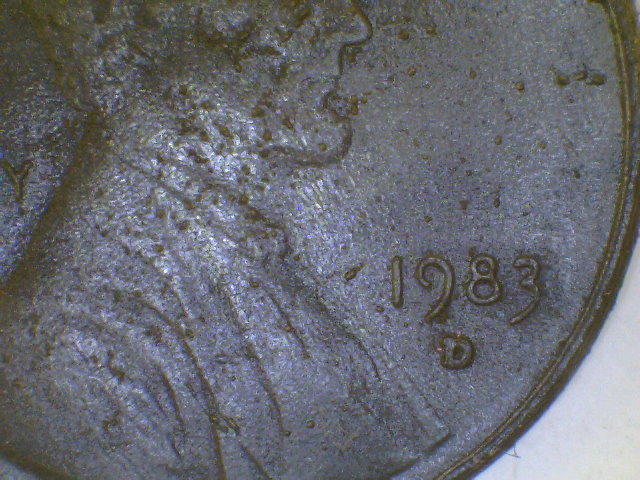 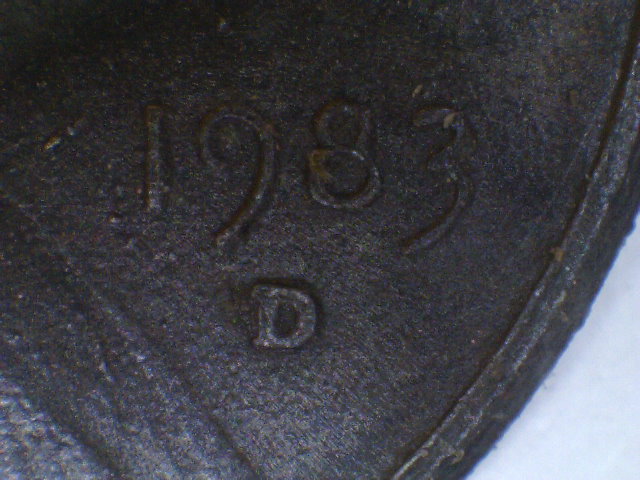 |
|
Pillar of the Community
United States
1256 Posts |
taste like chicken of course
|
|
Valued Member
United States
296 Posts |
Quote:
I feel that the zinc gets warm enough to absorb the thin copper plating.....if I had to guess
Does this make sense?
I thought I read somewhere that is how they alloy the 2 metals together in the first place to make brass. I also thought someone here posted they were filing the edge of zincolns to expose the zinc, them heating them up to melt the zinc. The zinc poured out through the filed hole producing a hollow copper shell of a cent. I really don't know... I'm too lazy to research it.  Have you tried cleaning them to see what is underneath? |
|
Pillar of the Community
United States
744 Posts |
the 1983-D cent was scrubbed with a tooth brush and coin conditioner to see if I could get back to the copper color, but could not
|
|
Pillar of the Community
United States
659 Posts |
I did the same thing, but at a higher temperature.   if you leave them on long enough, they get to the size of a nickel. Edited by penny man
08/04/2011 2:21 pm
|
|
Valued Member
United States
266 Posts |
Looks like Jiffy Pop popcorn
|
|
Moderator
United States
196490 Posts |
Quote:
I did the same thing, but at a higher temperature. Ouch! That poor cent looks like it was tortured!  |
|
Bedrock of the Community
United States
20057 Posts |
Zinc has a much, much lower melting point than copper. When a zincoln is heated, the zinc will tend to migrate to the surface and cover the copper creating a pseudo zinc plating. If you heat a copper cent, you'll see it will take on a silver appearance because tin and zinc tend to the surface creating a "silver" cent. This is most likely why you see some many posts about "silver" colored cents in coin forums. Lot of cents get exposed to heat and the process is quite simple.
|
|
Page 2 of 2
|
Replies: 25 / Views: 3,456 |
Page 2 of 2
|







 First Page


 Posted 07/26/2011 7:21 pm





