| Author |
 Replies: 138 / Views: 40,189 Replies: 138 / Views: 40,189 |
|
|
|
|
Moderator
 United States
23522 Posts |
Quote:
mildly agonizing You have such a way with words.  |
|
Pillar of the Community
United States
2651 Posts |
Quote:
They have since changed their mind... That was fast |
|
Moderator
United States
195559 Posts |
Quote:
That was fast I know. I was looking for a link to back you up (because I remembered seeing it on the news) and found that they reversed course. |
|
Pillar of the Community
United States
5230 Posts |
I posted earlier in this thread that ANACS recommended using Acetone to remove PVC damage.
The information no longer seems to be on their site now that they offer their "Conservation" service for a fee.
Go figure.
|
|
Pillar of the Community
United States
3552 Posts |
Quote:
...@deepdark1972
When this happens to me I use a porcupine needle and a microscope. The needle is soft enough it has not scratched anything I tried it on yet.
This device might preserve your quills a bit longer while making them easier and more effective to use: https://goccf.com/t/270168&SearchTe...broken,quill |
|
Valued Member
United States
314 Posts |
biokemist6 wrote: Quote:
Using acetone is not considered "cleaning" a coin as acetone is not capable of chemically reacting with coinage metals under normal circumstances. It only removes surface contamination/debris and nothing else. This seems to be the key point, but I would be interested in everyone's comments on something I experienced. I was experimenting on a gunky Hershey-brown 1950 Lincoln that happened to have a struck-through-wire line across the bust. After the "conservation," everything looked OK, but the line was now bright exposed copper. If it is true that acetone cleans organic gunk but does not react with metal, then my untutored assumption would be that the "trench" got filled with gunk before it tarnished. It's a little hard to picture how that would happen, but I can't think of another explanation. Any other guesses? Also, for this reason, or any other, would you assume that a brown copper coin with a "bright" scratch would be rejected by a third party grader? An interesting sidelight on that is that I have a PCGS graded 1914-D, a humble brown F12, that has a very tiny scratch of that nature on Lincoln's tie. I've been curious whether someone missed it, or if that's OK. Edited by Centsei
09/25/2016 1:18 pm
|
|
Pillar of the Community
United States
3552 Posts |
I searched all over town to purchase some 'cloth' gloves. I held a potential MS69-70 deep cameo proof coin and noticed a small 1 mm spot and 'gently' moved this glove's fingertip over it in an attempt to dislodge the spot. It removed the spot but left what appears to be strands of fiber adhered to the fields. Here are some unanswered questions: 1) At least for this 1st question and independent of the fiber issue could truly residue-free acetone (from a hardware store) potentially leave a residue rendering this coin incapable of getting an MS70 designation? 2) Should this type of residue-free acetone successfully remove these fabric strands? 3) Since I could not find any other 'cloth-type' white gloves to handle this coin, I had to buy them at WMT but later noticed that these gloves had a label stating,'83% acrylic, 16% polyester & 1% Spandex'. Even though I just ever-so-slightly tapped/moved over the spot on the surface could this fabric combo have potentially ruined the surface since it was not a 100% cotton glove? After the fact I know I should have simply used a 100% pure cotton swab Q-tip.  |
|
Pillar of the Community
United States
1005 Posts |
1) pure acetone will leave no residue. If you're really worried about it you could buy higher (lab) grade stuff from a chemical company, but this is likely overkill. The only issue that could possibly arise is if the acetone has picked up a lot of junk from other coins it can cause them to be redeposited on a fresh coin with drying, hence the common advice to rinse in fresh acetone before drying.
2) It might help to remove the strands, alternatively you could try rinsing them off with DI water since they might just need to be physically dislodged from the surface. And then rinse in acetone to expedite drying and avoid spotting
3) I wouldn't worry about the difference between synthetic and fabric gloves for this. Fact is, as soon as you decide to wipe/scrape the surface of a coin with any cloth, however soft, you are taking a big risk of marring the surface from whatever microscopic particulate that might already be on the surface and dragged across. In the future if you want to remove a spot or debris, I would instead recommend a high pressure stream from a lab squirt bottle or the like, since it will not risk scratching in this manner
|
|
New Member
United States
12 Posts |
Sorry new here but have to ask what is the norm or rule. Leave natural or clean?
I have allot of old pennies and hate to ruin one. Personally I lie the old patina of a coin.
|
|
Pillar of the Community
United States
705 Posts |
Quote:
Leave natural or clean? Leave it alone. |
|
New Member
United States
12 Posts |
Thats what I have been doing since there are some that stick out with different colors...I have some neat reds and even a black 1945 thats weird stuff. Cant imagine people coloring these things but one nevers knows
|
|
Pillar of the Community
United States
3552 Posts |
Quote:
Leave natural or clean  to CCF The following is an older but still applicable 2009 thread that focuses on cleaning copper cents. I say copper since some are made of zinc-coated steel... Also, I agree that you should NEVER forget the following cleaning sequence which is further broken down in the thread below: 1st de-ionized H20, then acetone & finally xylene. Best of luck |
|
Pillar of the Community
United States
3552 Posts |
Quote:
Pour some on a clean glass dish. If it evaporates and leaves no resido of any kind, should be close to 100%. IF there is a whittish substance left,.... substantiating some words of wisdom from jc: plaintiff: 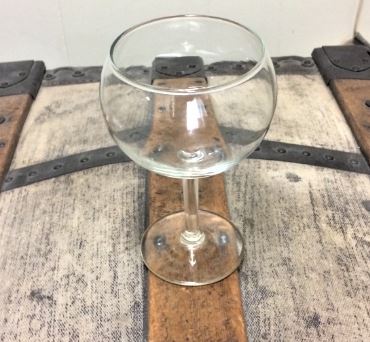 defendant: 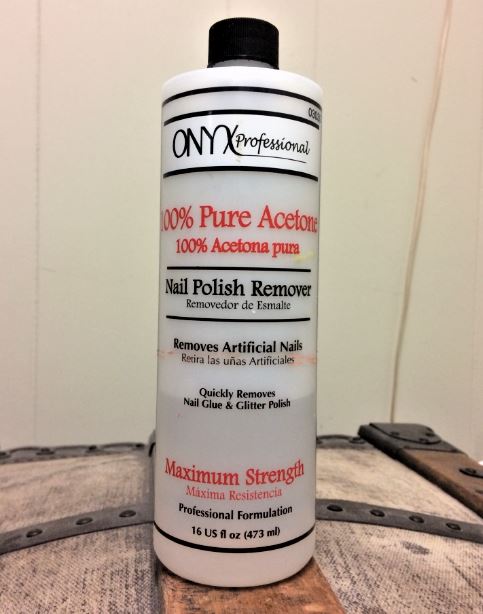 |
|
Pillar of the Community
United States
3552 Posts |
evidence - only before-test aberration is this scratch on glass: 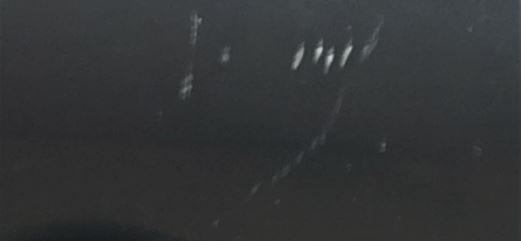 post evaporation corroborating evidence - formation of particulate matter: 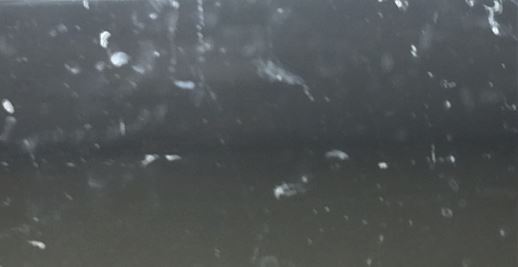 post-verdict reaction w/ plaintiff covering his face from shame after passing out from stress & excessively inhaled chemical exposure from his perspiration: 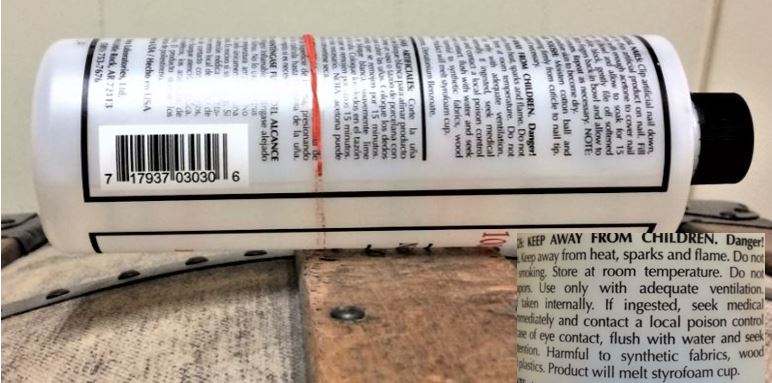 case closed-clear the jury room, the judge can't breathe... |
|
Valued Member
United States
325 Posts |
I got a 6 oz bottle of acetone at Dollar Tree, and it looks a lot like the bottle from Dollar General that someone posted. They had three kinds in nearly identical bottles. I got the kind that didn't list any extra ingredients. All were in the Beauty aisle as nail polish removers.
Now that someone actually did find residue, I should check my bottle, too.
|
|
|
Replies: 138 / Views: 40,189 |
|







 First Page
 Previous Page


 Posted 08/17/2013 3:56 pm





