All of the early US commemorative coins (silver and gold) issued through 1915 were tied to World's Fairs or Expositions that were held in the US (with the exception of the Lafayette Dollar which had connections to the Paris Exposition of 1900 held in France). In total, 13 individual commemorative coins (five silver and eight gold) were issued for five different expositions:
- 1892-93 World's Columbian Exposition
- 1900 Paris Exposition
- 1903 Louisiana Purchase Exposition
- 1904-05 Lewis and Clark Exposition
- 1915 Panama-Pacific International Exposition
Five national/international expositions in less than 25 years would strike most of us today as an incredible number considering the infrequent staging of such events today. In fact, however, there were a number of additional expositions staged during this same time frame. Times have certainly changed!
In previous posts, I've covered some of the official commemorative souvenir medals that were struck by the US Mint in conjunction with the commemorative coins. Tonight, I thought I'd present a commemorative medal struck by the US Mint for an exposition that did not sponsor a commemorative coin.
The Tennessee Centennial and International Exposition was held in Nashville, Tennessee from 1 May to 31 October 1897. The Expo was staged to celebrate the 100th anniversary of Tennessee's admission into the Union as its 16th state. It would have been nice to have held the Expo in 1896, Tennessee's actual statehood centennial year, but funding issues and construction delays pushed the event into 1897. Nonetheless, the fair was successful and was attended by just under 1.7 million visitors, it also earned a small profit.
Nineteen states (including Tennessee) participated in the Expo, with all of them coming from the central and eastern regions of the country (Texas was the westernmost state to participate). Also participating were 16 foreign nations, most were from Europe but Canada, China, Japan and Russia also attended and exhibited.
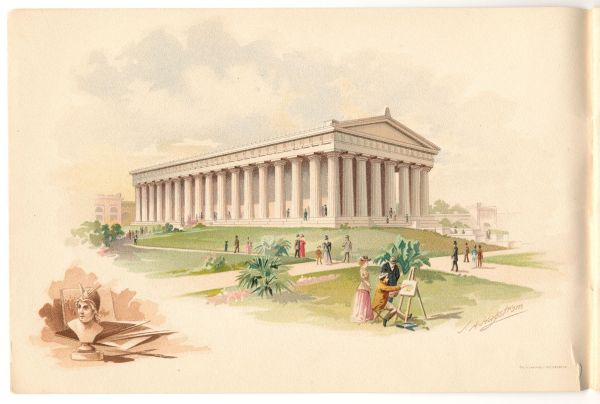
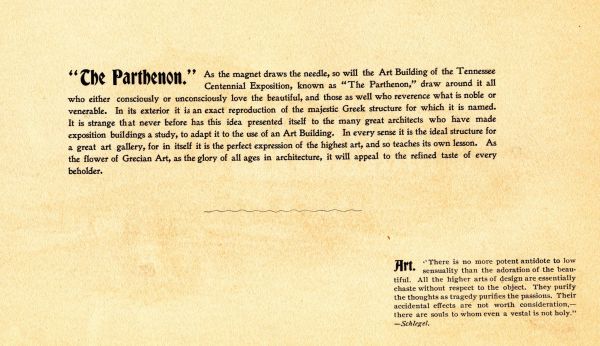
An impressive array of buildings was constructed to house the many exhibits and displays presented, with host city Nashville recreating the Greek Parthenon to be used as an art gallery. Why the Parthenon? At the time, Nashville's nickname was "Athens of the South" due to the many buildings in the city built in the Greek-revival style and its prominent educational institutions. (Today, Nashville is more commonly known as "Music City" due is thriving music business, especially in the Country music genre.)
The US Congress authorized $100,000 to participate in the Exposition, which included the set-up of a US Mint exhibit. Souvenir medals of a single design were struck in the Mint's exhibit booth. The medals were designed by
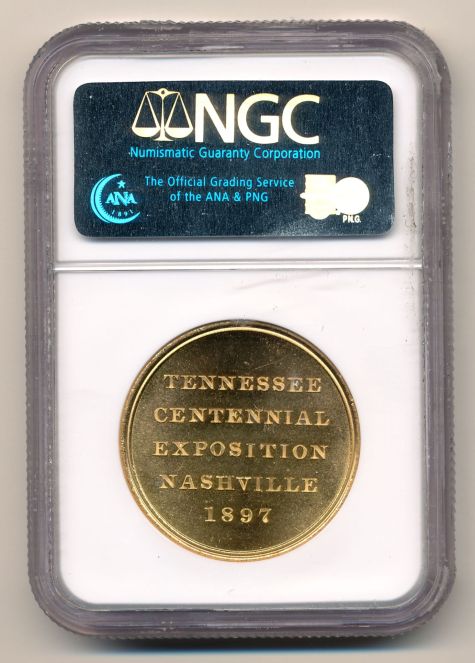
Charles Barber and were struck in gold-plated (gilt) brass. The obverse depicts the Mint Building in Philadelphia, the reverse features an inscription identifying the Exposition.
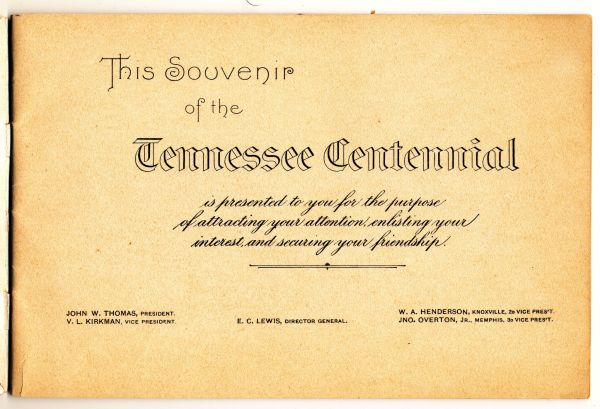
Shown below is my example of the Exposition's official US Mint struck medal along with a few pages from a souvenir booklet from the Expo.
Enjoy!
1897 Tennessee Centennical Official Medal - Obverse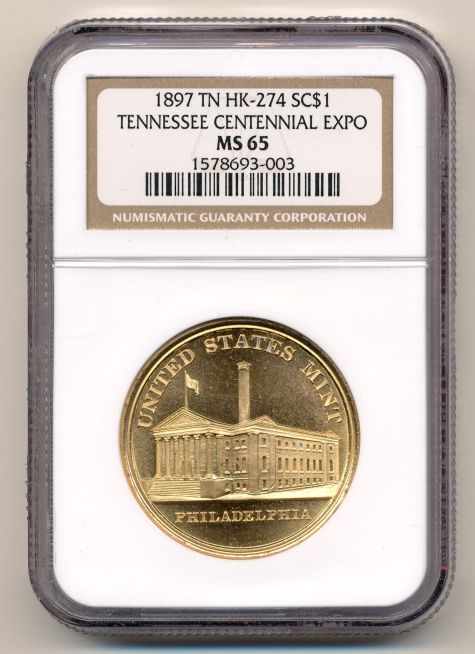 1897 Tennessee Centennical Official Medal - Reverse
 1897 Tennessee Centennial Souvenir Program Images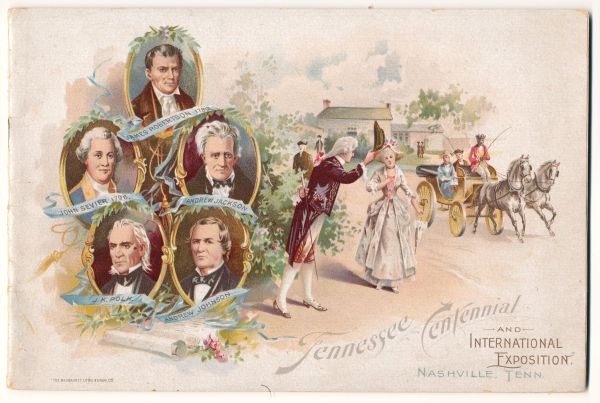







 Posted 12/17/2012 2:33 pm





