











 Posted 05/08/2022 06:44 am


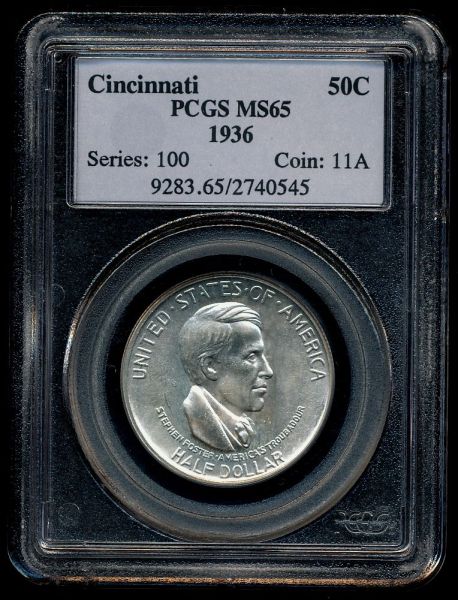
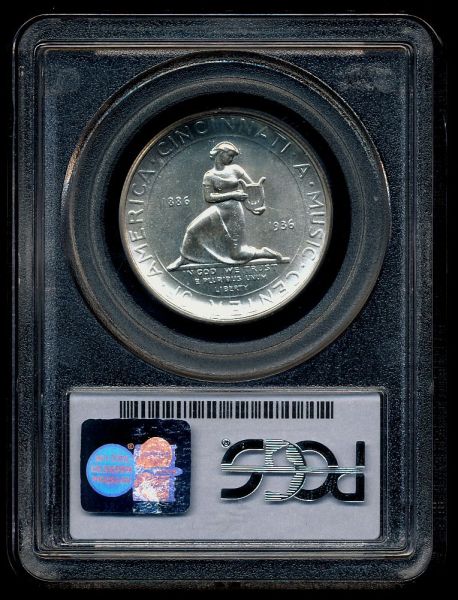
Everything about the origin of the Cincinnati half represents a classic tale of the collector abuses of 1936 that eventually led to the series demise.
This coin was for the personal profit of Thomas G. Melish and there is no historical reason why it should have come to be, commems excellent reasoning for the May musical festival nonwithstanding.
That said - I'm curious about the Senate's lack of modification to the proposed coins language.
We've come to read in commems 'origin' stories how the Senate Committee on Banking and Currency generally limited the proliferation of the 1936 coins by amending the various bills to include revised standard language (paraphrasing commems words as follows); the coin production should be limited to a single Mint facility, a maximum (and perhaps minimum) number of coins be authorized, that all coins must be struck within one year of the bill becoming law and that the coins be dated with the year in which they were authorized.
Why did these Senate limitation not occur for the Cincinnati issue? Did Melish somehow meddle in the process to gain additional financial advantage?
I do note the January 1936 bill introductions commems mentions. Perhaps at that time the Senate Committee on Banking and Currency had not yet promulgated their standard language?
However that came to be, today we have 5,005 examples of the Cincinnati from each of the three mints then in existence (P-D-S).
Melish won and the collectors of 1936 suffered at his expense.
edit for spllneging
This coin was for the personal profit of Thomas G. Melish and there is no historical reason why it should have come to be, commems excellent reasoning for the May musical festival nonwithstanding.
That said - I'm curious about the Senate's lack of modification to the proposed coins language.
We've come to read in commems 'origin' stories how the Senate Committee on Banking and Currency generally limited the proliferation of the 1936 coins by amending the various bills to include revised standard language (paraphrasing commems words as follows); the coin production should be limited to a single Mint facility, a maximum (and perhaps minimum) number of coins be authorized, that all coins must be struck within one year of the bill becoming law and that the coins be dated with the year in which they were authorized.
Quote:
It was referred to the Senate Committee on Banking and Currency, from which it was quickly reported back with a recommendation for passage without amendment; no Hearing was held
It was referred to the Senate Committee on Banking and Currency, from which it was quickly reported back with a recommendation for passage without amendment; no Hearing was held
Why did these Senate limitation not occur for the Cincinnati issue? Did Melish somehow meddle in the process to gain additional financial advantage?
I do note the January 1936 bill introductions commems mentions. Perhaps at that time the Senate Committee on Banking and Currency had not yet promulgated their standard language?
However that came to be, today we have 5,005 examples of the Cincinnati from each of the three mints then in existence (P-D-S).
Melish won and the collectors of 1936 suffered at his expense.
edit for spllneging
Take a look at my other hobby ... http://www.jk-dk.art
Edited by nickelsearcher
05/08/2022 06:45 am
05/08/2022 06:45 am


