ChicagoCoinGuy asked:
Quote:
I vaguely recall a pretty significant advertising blitz for the statue of liberty coins in the 1980s. I was just a kid then, but I was given a couple as gifts by people who wouldn't typically give coins as gifts. So therefore I am assuming that the masses really got into this set and purchased them. Can you tell me if I am right, was this a popular set with the public?
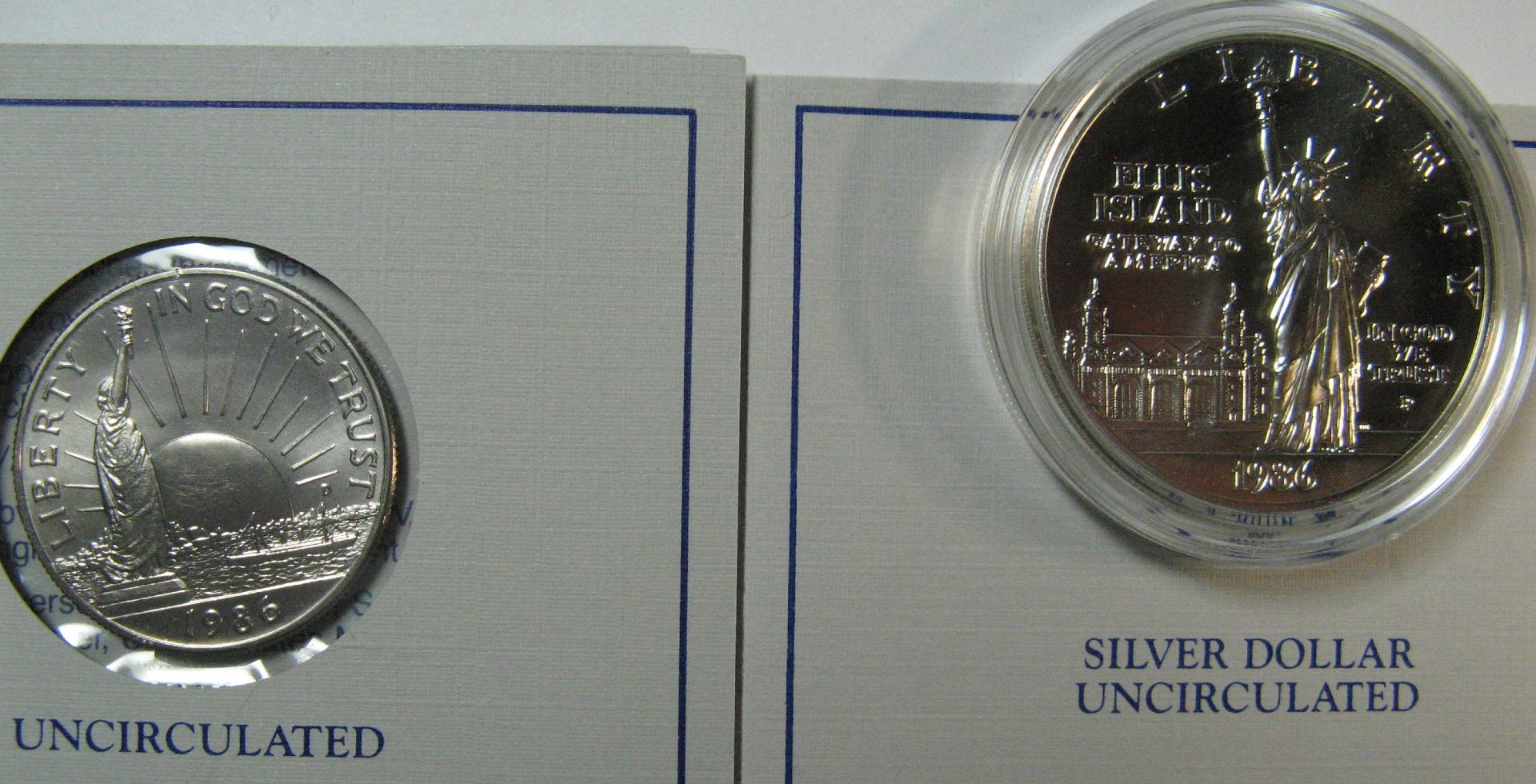
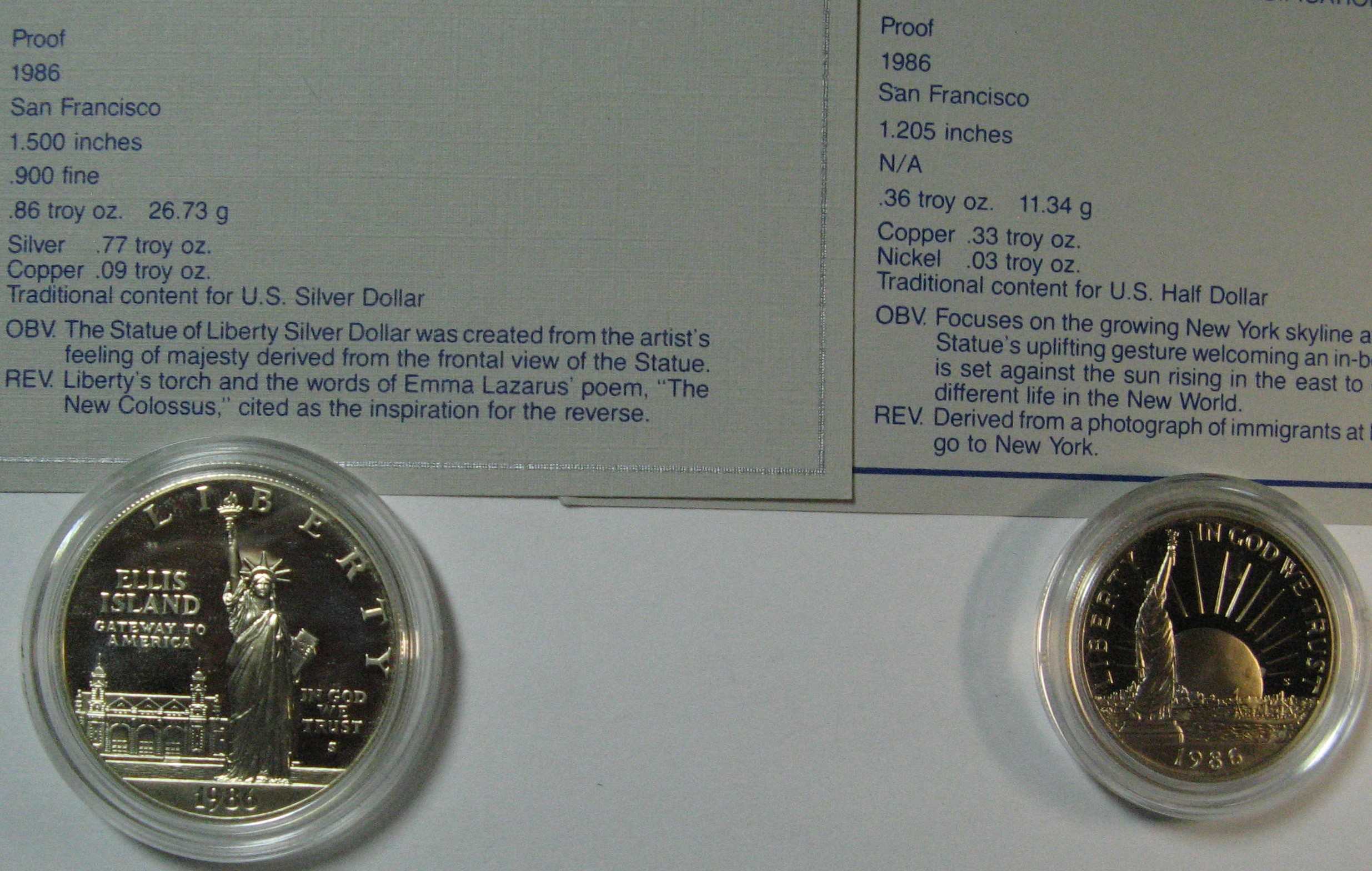
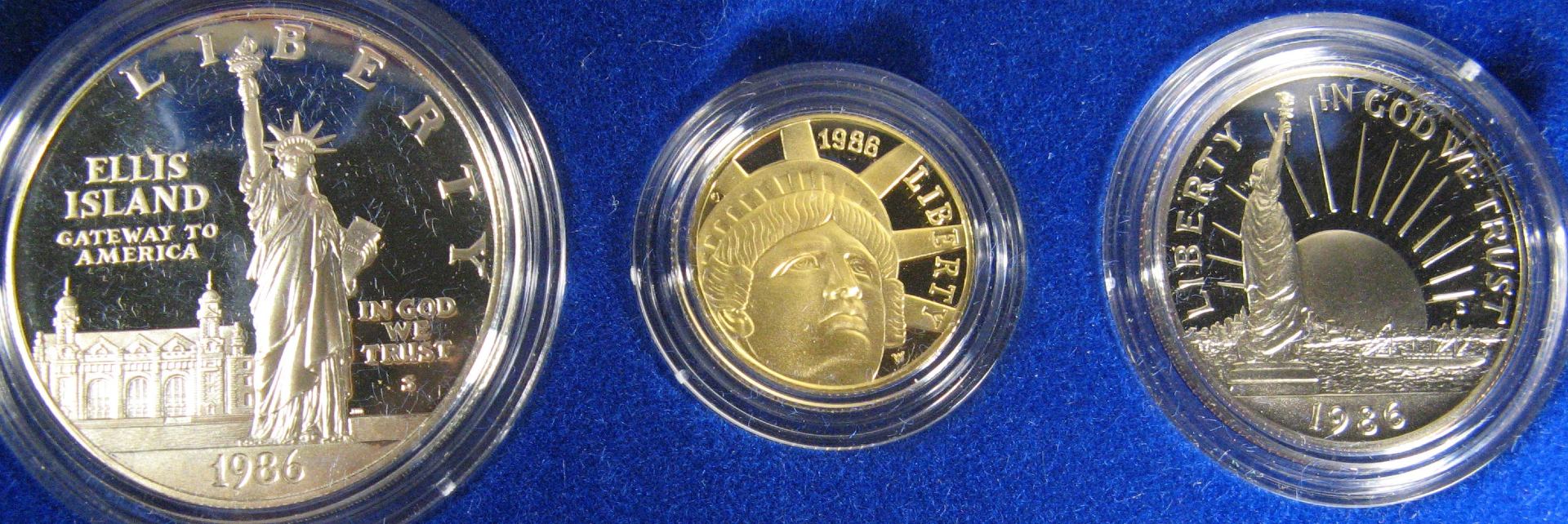
The 1986 Statue of Liberty/Ellis Island commemorative programs was heavily marketed at the time - direct mail, print, radio and TV advertising were all included in its marketing campaign. Nearly 15.5 million coins were sold - 499,261 Gold Half Eagles, 7,138,273 Silver Dollars and 7,853,635 Clad Half Dollars. The program's marketing was very successful - it was a very popular coin program among the public.
Quote:
I guess I'm also asking for the history of the set and was there anything done with the sales profit to go toward the renovation of the statue?
Approximately $83.2 million was raised via surcharges collected on the sale of each coin; the surcharges were paid to the Statue of Liberty-Ellis Island Foundation for restoration efforts and events connected to the SoL's Centennial. The program also generated a profit of ~$28.6 million for the Mint..
Quote:
I also seem to recall a campaign to have kids send in copper pennies to help with the renovation. I'm curious if that really was an impactful event.
Might you be thinking about the effort connected with the original 1886 construction/re-assembly of the Statue? At that time, a fund-raising campaign was directed toward schoolchildren, with money raised helping to pay for the Statue of Liberty's pedestal upon which the Statue was assembled. Approximately $50,000 was raised via coins sent in by schoolchildren; the effort was initiated by Joseph Pulitzer in his
New York World Newspaper. I'm not familiar with a large-scale, schoolchildren-specific program involving the "sending in" of copper cents for the 1980s restoration effort. Schoolchildren did raise over $225,000 for the Statue, however, via other means (e.g., bake sales, donation drives, etc.).
If the story you've heard involved sending in cents to be melted for their copper... As the cent's composition ceased being 95% copper in 1982, I can only imagine the headaches that would have been involved in separating the copper-plated zinc cents received from the 95% copper cents (especially the 1982-dated cents which were struck in both compositions!) for smelting. It seems like it would have cost more to handle the cents received vs. the amount they contributed.










 Posted 08/31/2022 7:17 pm