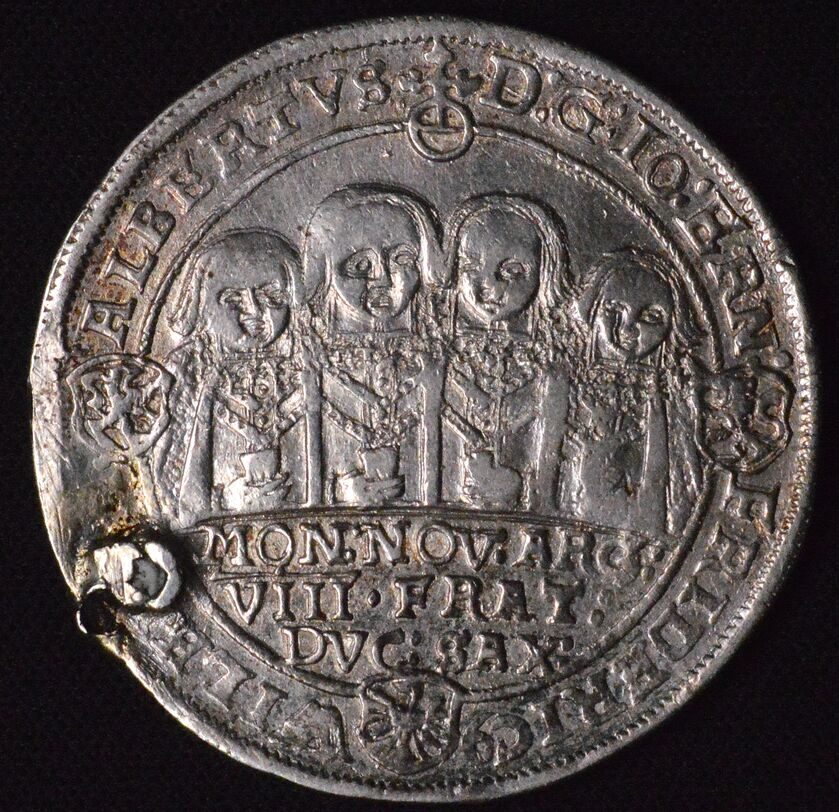
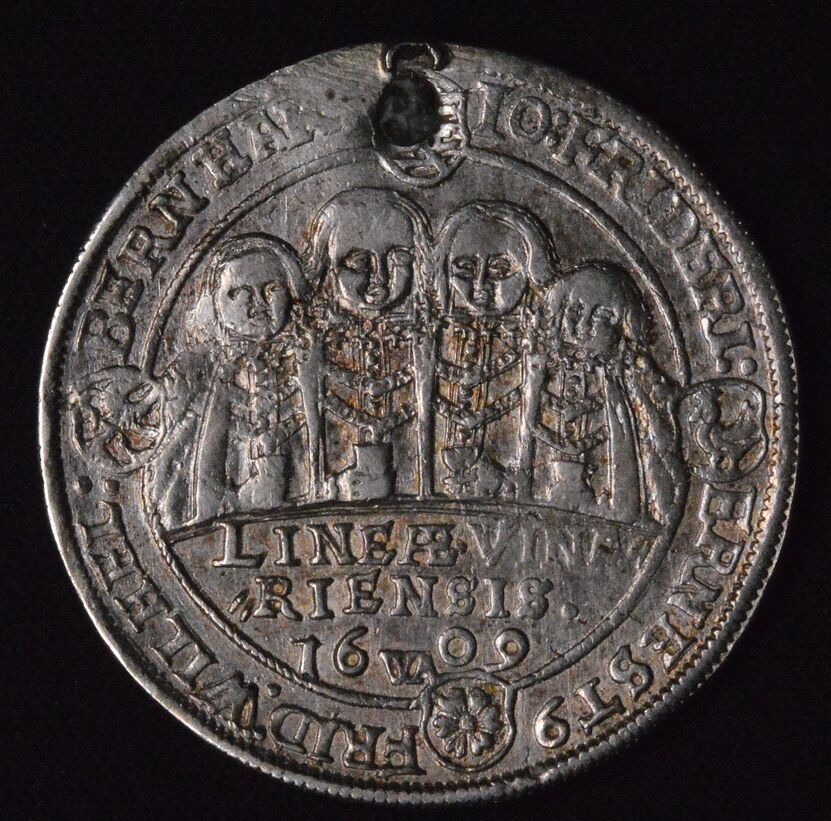
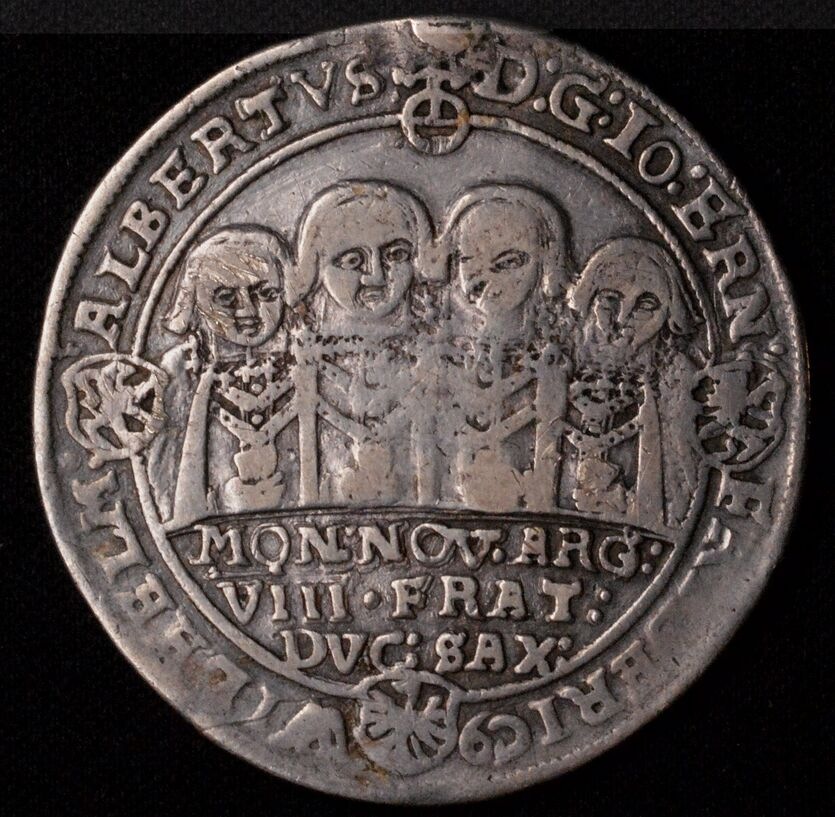
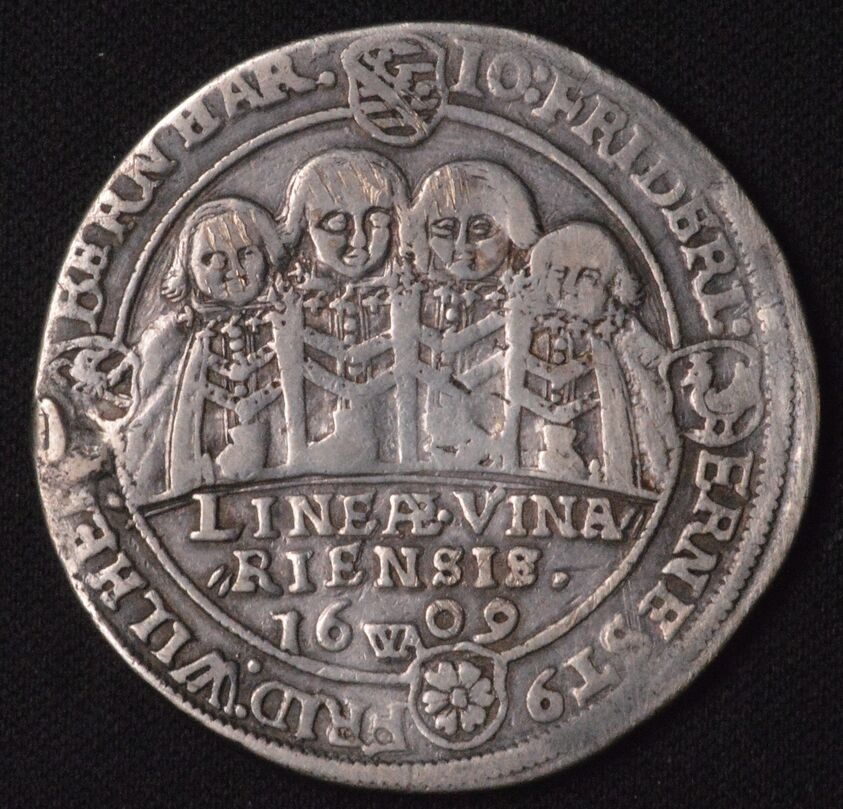
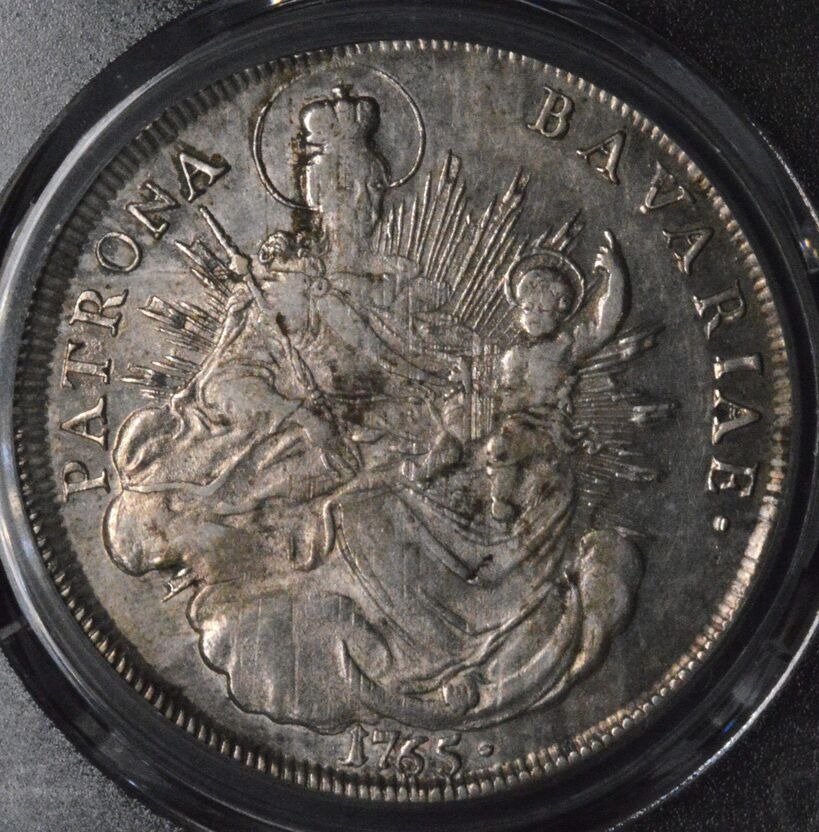
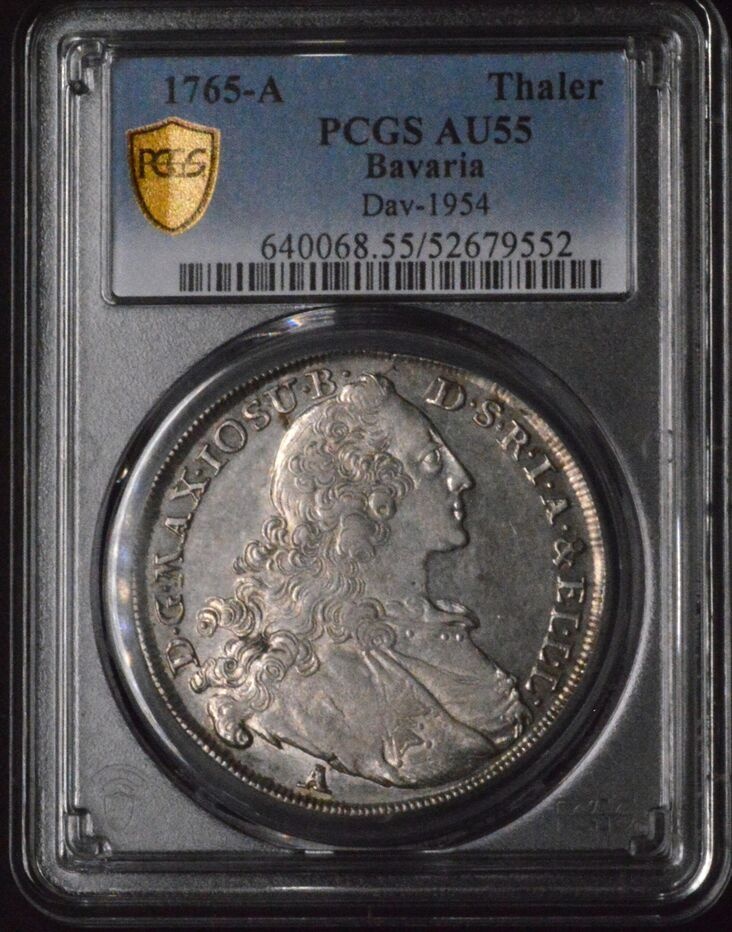
First one is more recent than the second one. I happen to love it and it is very unique and tough to find a beautiful example in AU graded, and with such crisp detail especially on the obverse.
Meet
Maximilian Joseph III of
Bavaria, Germany, the noble who's like a real-life prince straight out of a storybook, but with a twist! Maximilian III Joseph was a highly respected and beloved ruler of Bavaria, known for his wise and moderate leadership during a challenging period in European history. Born on March 28, 1727, he became Duke of Bavaria and Prince-elector of the Holy Roman Empire in 1745, a position he held until his death in 1777. As the last of the Bavarian branch of the House of Wittelsbach, he was deeply committed to the stability and prosperity of his realm. His reign was marked by efforts to modernize and strengthen Bavaria, earning him the nickname "the much beloved" among his subjects. Despite the complexities of European politics, Maximilian's diplomatic skill and dedication to his people helped Bavaria navigate turbulent times. His death without an heir ultimately sparked the War of Bavarian Succession, but his legacy remains that of a wise and compassionate ruler who prioritized his people's well-being and the enduring strength of Bavaria.
Though
Bavaria was a republic by the time he was born (no crowns or thrones in sight), Maximilian Joseph III still carried the royal spirit. Think of him as the ultimate guardian of
Bavarian tradition, culture, and heritage. He loved to keep the royal flame alive through charity work and cultural events, making sure the old royal stories stayed fresh and exciting.
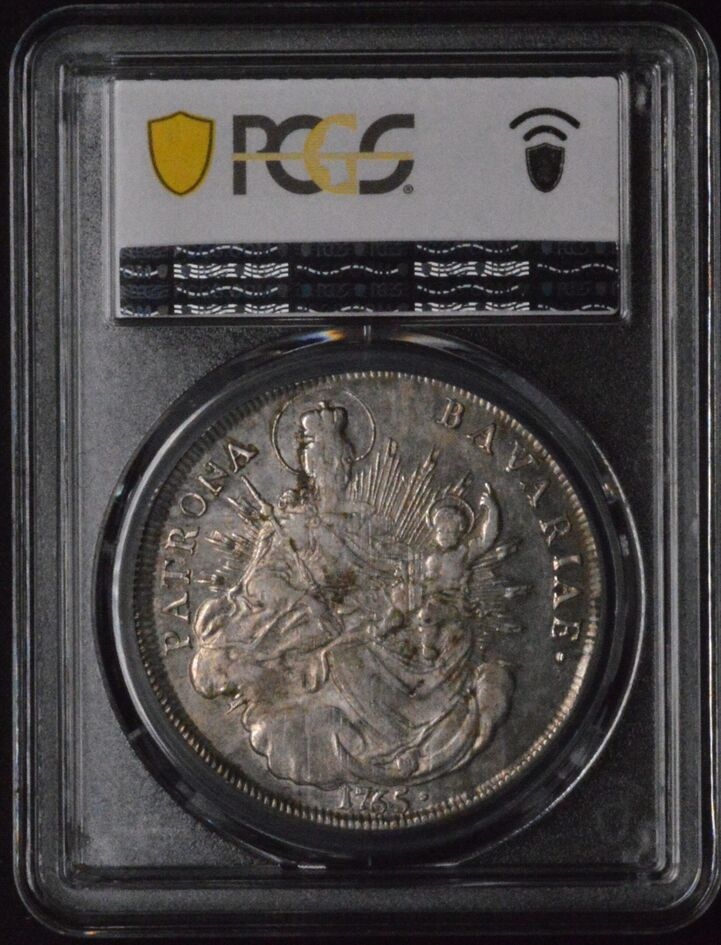
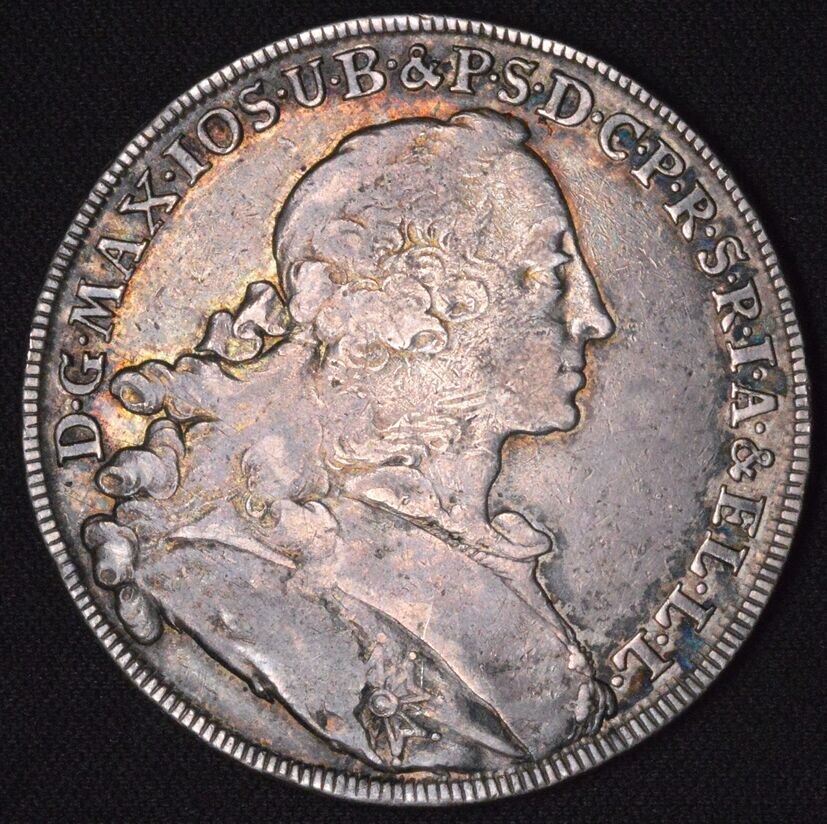
1765 1 Thaler Features Maximilian Joseph III Portrait, PCGS AU55 (Very Crisp Eyes, Crisp Detail, Overall a Beautiful Example!)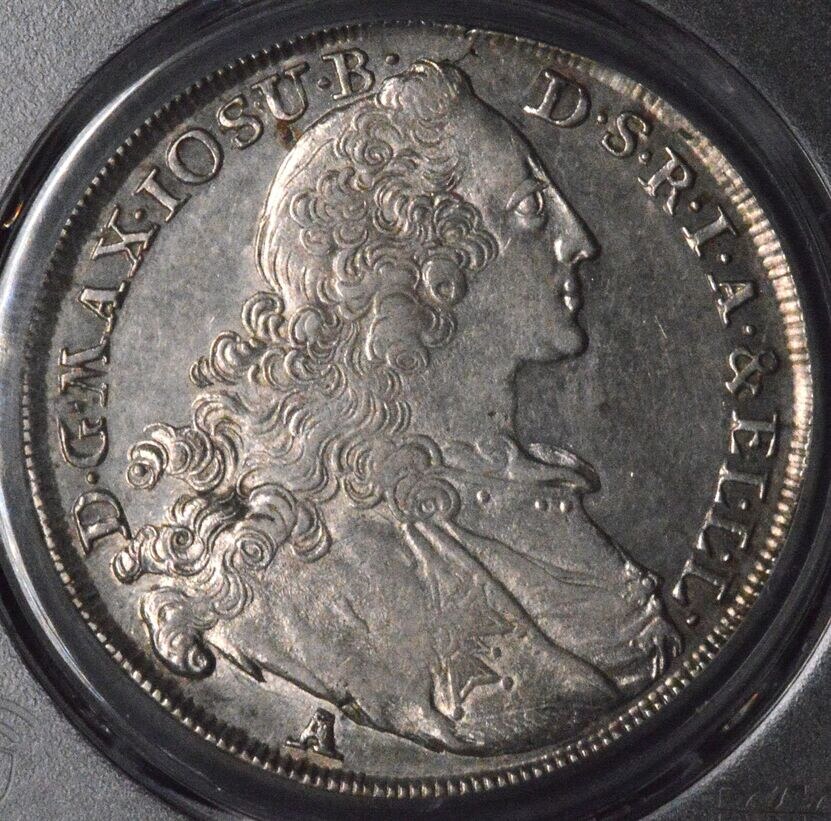
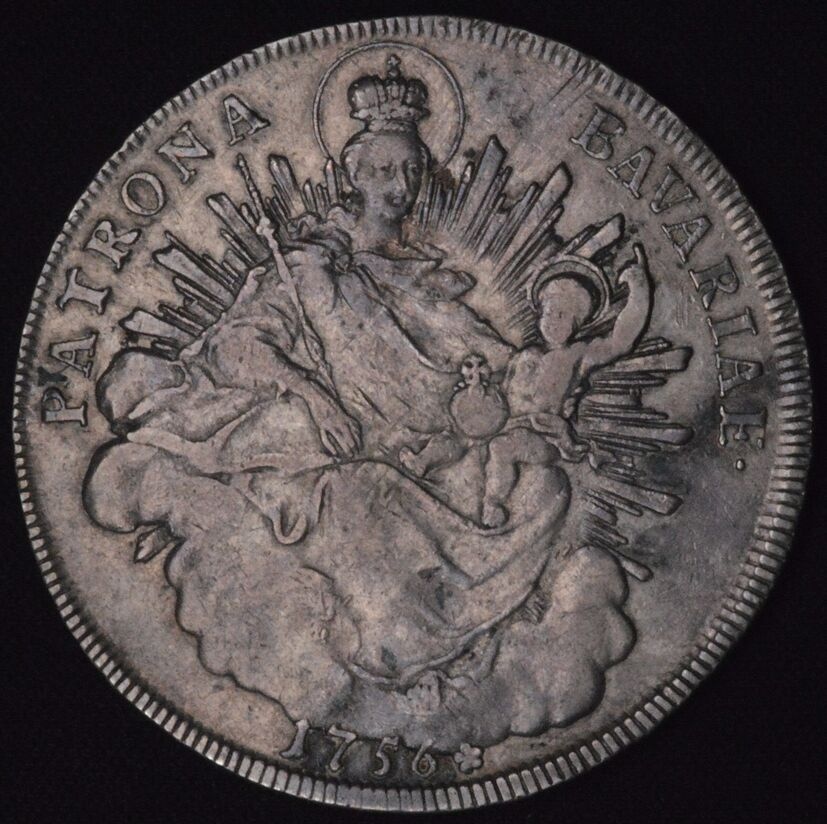
 1756 1 Thaler, Maximilian Joseph III with Colorful DevicesThe 1756 1 Thaler
 is a silver coin from
Bavaria, minted during the time of
King Maximilian Joseph III. The coin features "the much beloved" King on one side, and on the other side, it usually shows the
Bavarian coat of arms or symbols of the empire. The term "the much beloved" in relation to Maximilian Joseph III was coined by his supporters and historians who admired his personality and contributions. It is a nickname that reflects the affection and respect he earned from his followers and the Bavarian people. The Thaler was a common currency used in many German states, including
Bavaria, during the 18th century. Coins like this were used for everyday transactions, as well as for trade and savings. Collecting such coins helps us learn about the history, culture, and rulers of Bavaria in the 1700s.
 1764 Germany Anhalt-Zerbst 16 Pfennig Silver Coin KM#46 NGC UNC Low Pop, Very Rare and Scarce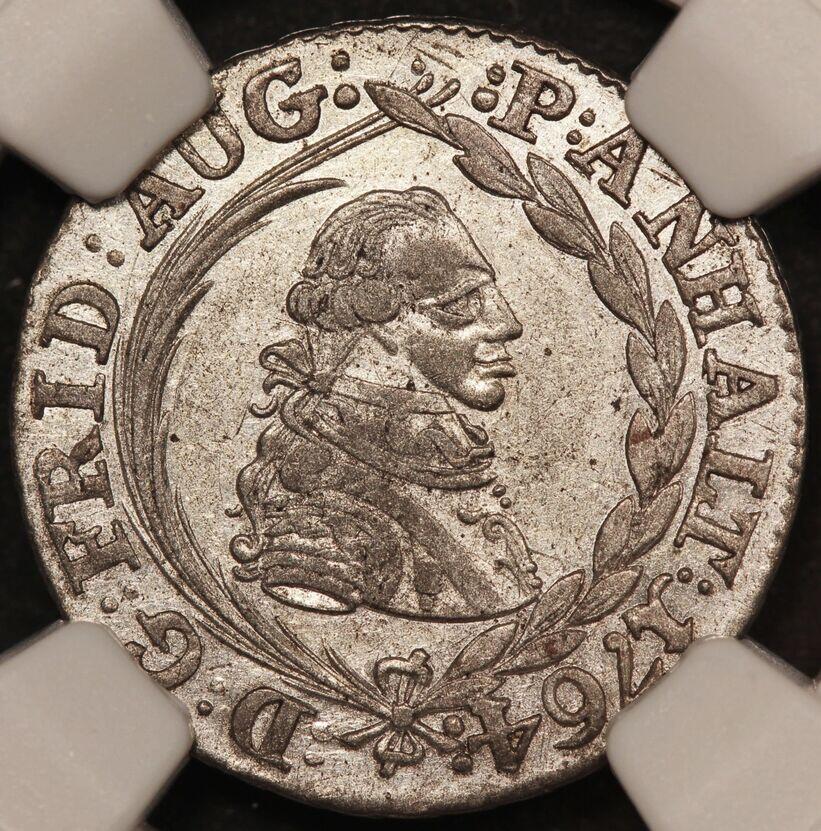
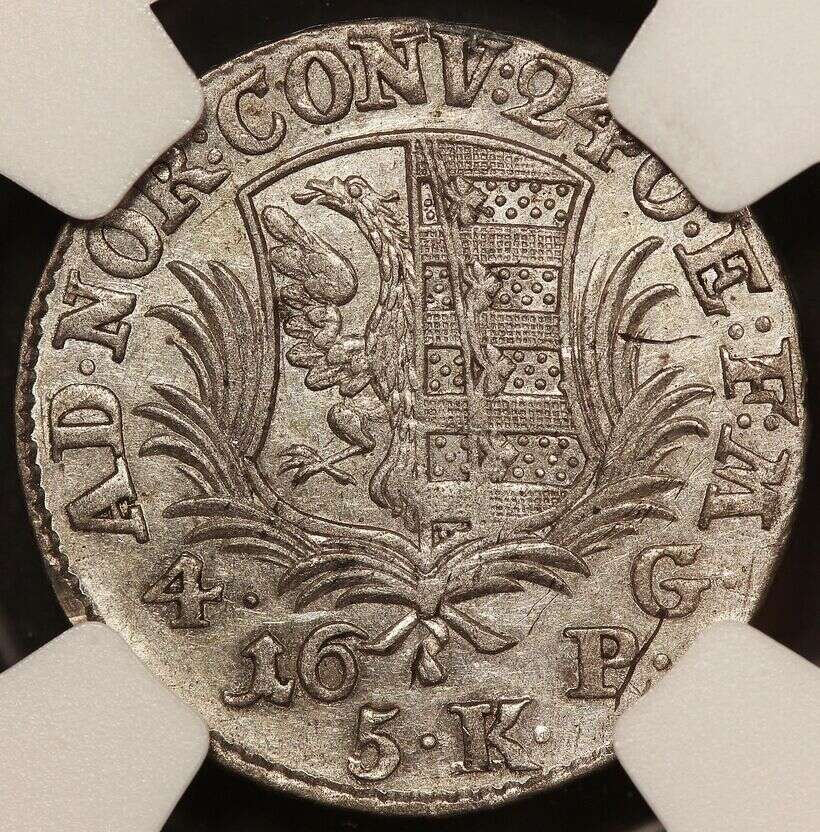
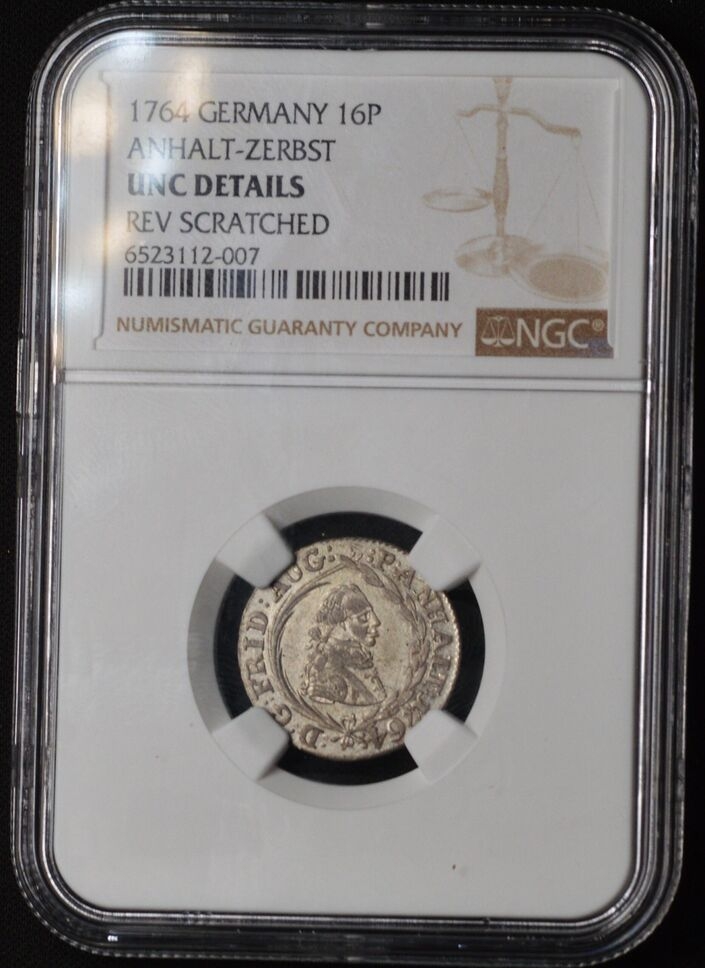
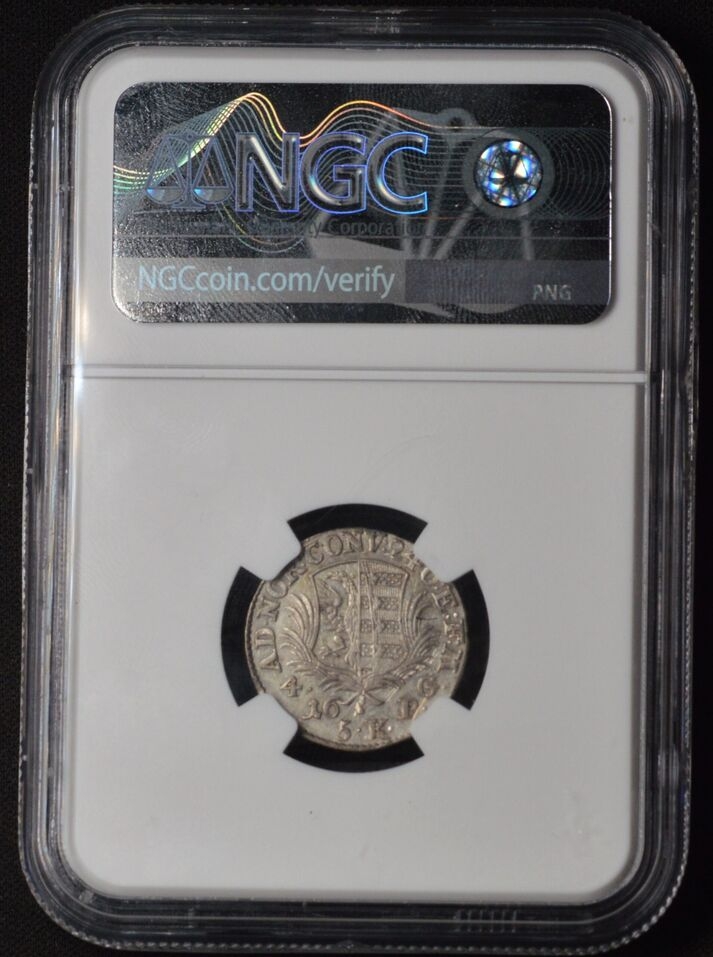
Prince Frederick Augustus of Anhalt-Zerbst was a member of the German noble family from the principality of Anhalt-Zerbst, which was part of the Holy Roman Empire. He lived during the 18th century and was known for his role as a ruler and protector of his principality. As a noble figure, he played a part in regional politics and governance, and his name is associated with various historical and cultural contributions in the area. Collectors and historians often study him through coins, medals, and documents that reflect his influence and legacy within the German states.
4 Pfennig 1630 Near CRISP DETAIL Silver Coin St. Peter With Key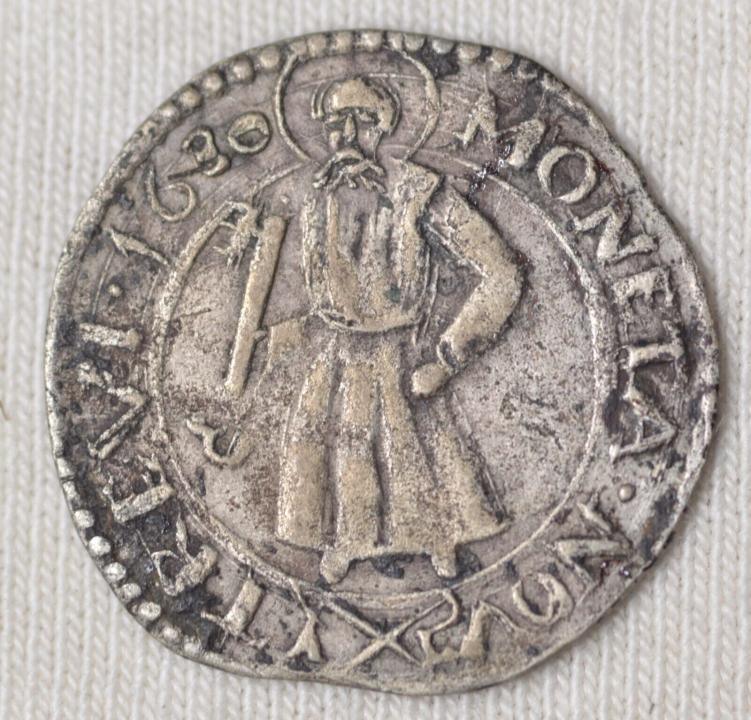
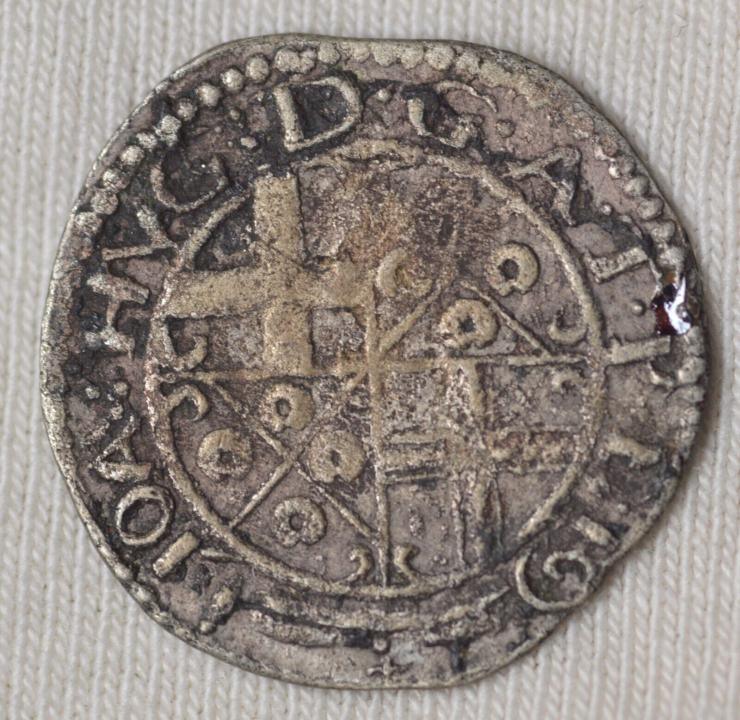
The 4 Pfennig silver coin from 1630 featuring St. Peter with a key is a charming example of early 17th-century European coinage. The coin displays fine detail, especially around the depiction of St. Peter holding his iconic key, symbolizing his role as the keeper of heaven's gates. These small coins were used in everyday transactions during a tumultuous period marked by the Thirty Years' War, and their intricate designs reflect the craftsmanship of the time. Collectors appreciate this coin for its historical significance, detailed imagery, and the glimpse it provides into religious and civic life in 17th-century Europe.
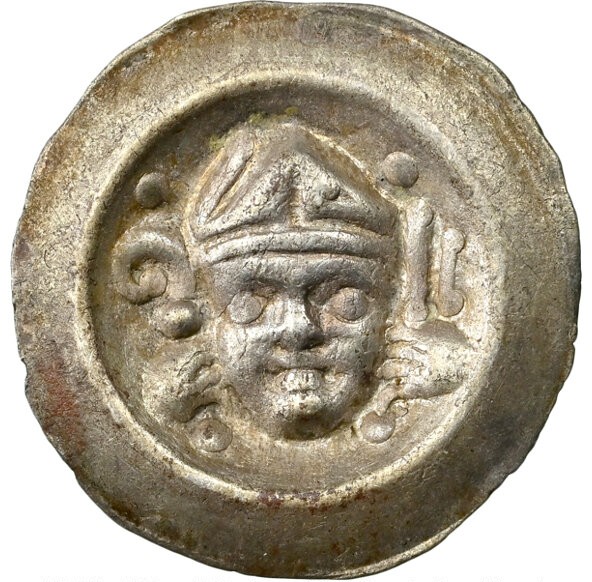
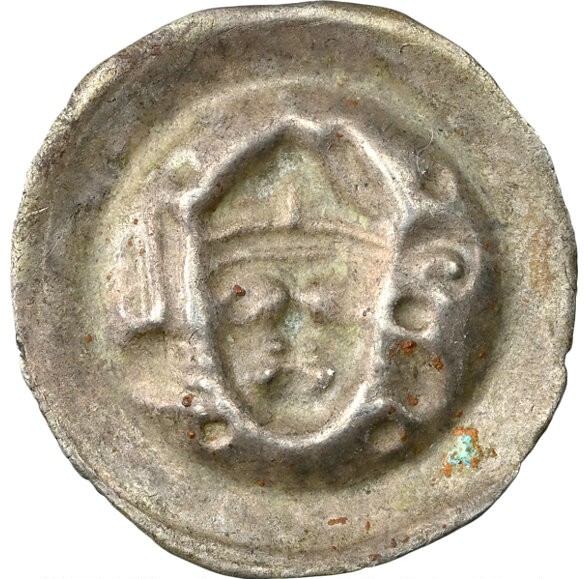
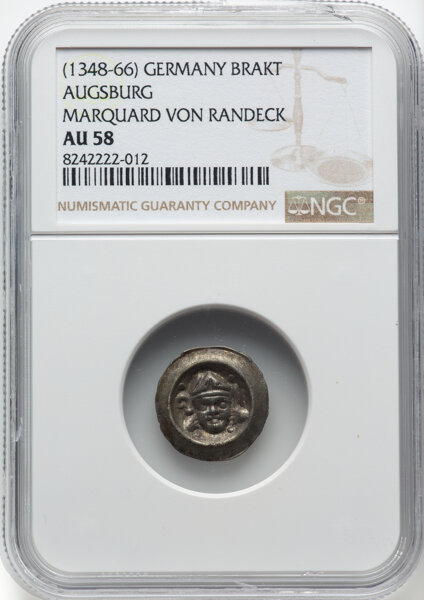
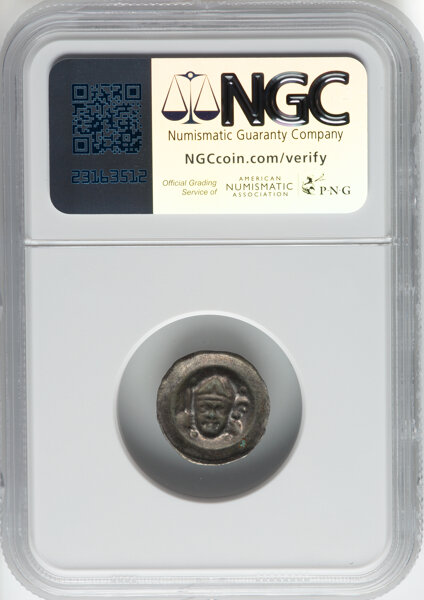
German States: Augsburg. Marquard von Randeck Bracteate ND NGC AU58The Augsburg Marquard von Randeck Bracteate is a medieval coin from the German state of Augsburg, with an approximate date range of the late 13th to early 14th century. Graded NGC AU58, this coin is in near-perfect condition, offering a rare glimpse into medieval numismatic art. Bracteates are thin, stamped coins often featuring detailed portraits, heraldic symbols, or religious imagery, and were typically used as tokens or for ceremonial purposes. This particular coin likely features the portrait or heraldry of Marquard von Randeck, a notable figure or ruler associated with Augsburg. Collecting such coins provides valuable insights into medieval craftsmanship, political history, and the artistry of early coinage in the German states.
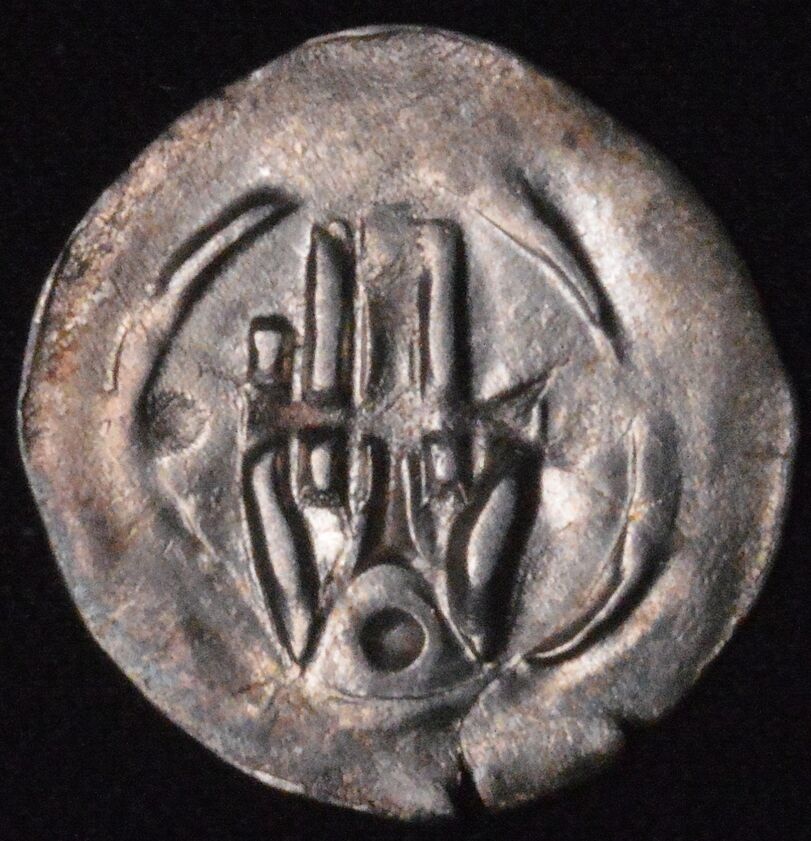
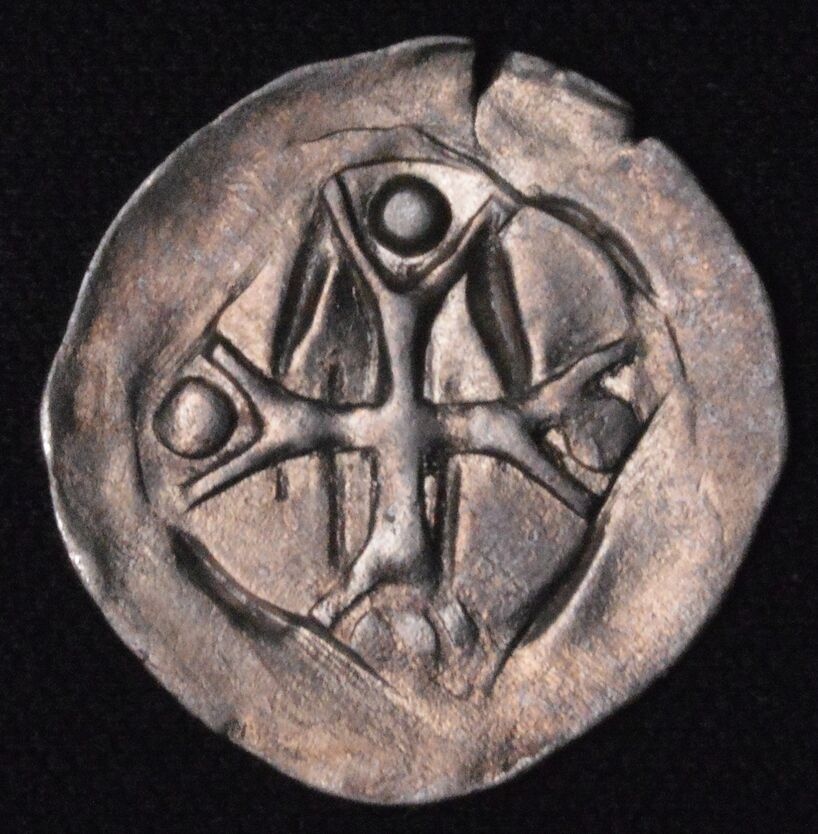
 German States (Schwäbisch Hall) ND (1250-1300) Pfennig Coin
The Schwäbisch Hall Pfennig from 1250-1300 is a small, medieval coin issued in one of the important trading towns in southern Germany. Made of silver or copper, these coins were used for everyday transactions like buying goods or paying taxes. They often featured local symbols or initials that represented Schwäbisch Hall, showcasing the town's pride and craftsmanship during the Middle Ages. Collecting such coins offers a fascinating glimpse into medieval trade, local governance, and daily life in Germany, making them a valuable piece of history for numismatists and history enthusiasts alike
Thank you all. It has been an honor to write these pieces. This is definitely from my personal passionate collection, and I plan to grow it much larger over the years and plan to post more as they come in to these respective threads.




 Posted 11/30/2025 4:04 pm





 )
)