









 Posted 04/19/2026 9:03 pm


I think Treasury's view stemmed from an attitude that many modern folks won't understand due to their not being exposed to it: the idea that the general coin-using public would actually look at and pay attention to their coins, not because they were coin collectors but because any one individual coin represented a useful and valuable amount of money and would thus inspect it to make sure it was genuine. Anything that made it more difficult for people to authenticate their own coins would, in this view, slow down transactions and hinder the economy.
Comparing the four points to the modern scenario with the multitude of circulating quarter designs, we conclude:
- We don't see "increased counterfeiting" because even the counterfeiters don't see counterfeiting a quarter as being worth their time and effort.
- The coinage system is a far less significant component of the overall financial system, so creating so many designs that a normal person can't possibly keep track of them all isn't the problem it once would have been.
- The public have gotten used to "not all quarters looking the same" and just accept this in everyday use.
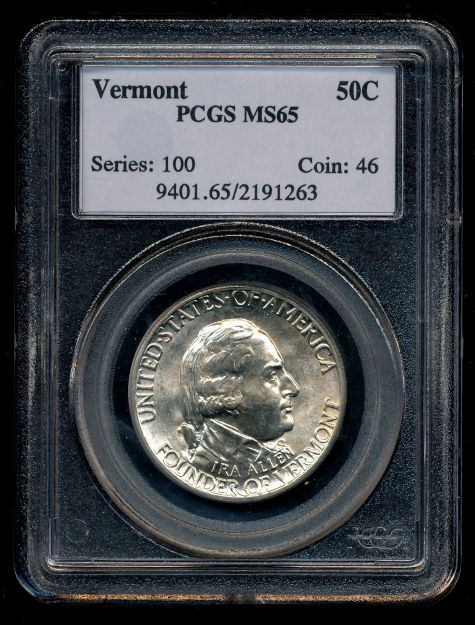
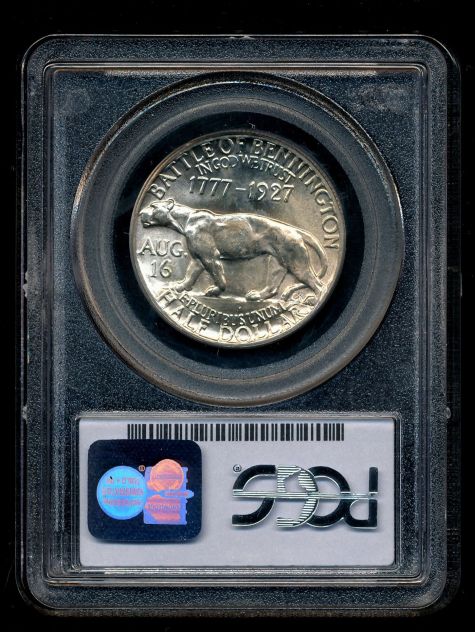
- Increased expense is far outweighed by the economies of scale in modern coin production. If even just a few of the "classic commemorative" designs had been issued in circulation quantity as circulating commemoratives, the cost of doing so would have been outweighed by the increased seigniorage profits from making coins that people kept, thus "buying" the coins at face value from the government.
The main practical drawback that the US finds in regard to proliferation of quarter designs is the relative ease with which someone can now "slip in" a Canadian quarter, or some other foreign quarter-sized coin, into general circulation and find it accepted without question.
Look at examples from history. The Roman Empire, for example; for most of the Empire's history, coinage design was not standardized and uniform, with dozens of different designs for the denarius issued each year. This constant variability in the messaging found on the coins did not cause people to distrust the denarius. The denarius eventually fell after a couple hundred years, but it fell because the Roman Empire itself decayed and collapsed - people lost faith in the Empire and the Emperor, not the denarius. The Empire's successor states longed to recreate the denarius in their own monetary systems.
Comparing the four points to the modern scenario with the multitude of circulating quarter designs, we conclude:
- We don't see "increased counterfeiting" because even the counterfeiters don't see counterfeiting a quarter as being worth their time and effort.
- The coinage system is a far less significant component of the overall financial system, so creating so many designs that a normal person can't possibly keep track of them all isn't the problem it once would have been.
- The public have gotten used to "not all quarters looking the same" and just accept this in everyday use.
- Increased expense is far outweighed by the economies of scale in modern coin production. If even just a few of the "classic commemorative" designs had been issued in circulation quantity as circulating commemoratives, the cost of doing so would have been outweighed by the increased seigniorage profits from making coins that people kept, thus "buying" the coins at face value from the government.
The main practical drawback that the US finds in regard to proliferation of quarter designs is the relative ease with which someone can now "slip in" a Canadian quarter, or some other foreign quarter-sized coin, into general circulation and find it accepted without question.
Look at examples from history. The Roman Empire, for example; for most of the Empire's history, coinage design was not standardized and uniform, with dozens of different designs for the denarius issued each year. This constant variability in the messaging found on the coins did not cause people to distrust the denarius. The denarius eventually fell after a couple hundred years, but it fell because the Roman Empire itself decayed and collapsed - people lost faith in the Empire and the Emperor, not the denarius. The Empire's successor states longed to recreate the denarius in their own monetary systems.
Don't say "infinitely" when you mean "very"; otherwise, you'll have no word left when you want to talk about something really infinite. - C. S. Lewis


