There is often a problem in identifying a fake on the screen. I am very slow to do so, unless it is like the case above, where 'die linkages' are used by researchers in places like the British Museum. However, to do that sort of identification, you need to study thousands or at least hundreds of coins, have lots of experience, and have a fake coin reference collection; your local dealer or museum may have such a collection. I do have a small fake reference collection. I will buy fake coins, so I can use them as a reference, and to remove them from collector circulation, provided they are traded as known fakes. Eventually, my fake reference coin collection will be sold at auction as a single lot as part of my estate when I die. I am very happy to show my fake reference collection to any collector, but I will never trade them. Period. On screen references such as the one above, are a valuable resource. I use it myself. Another good one is the reference that can be accessed is that by by the International Bureau for the Suppression of Counterfeit Coins,(IBSCC), but you have to be a subscriber. Having said that, I have taken many a suspect coin to my friendly dealer, and he has referred to the IBSCC electronic coin records.








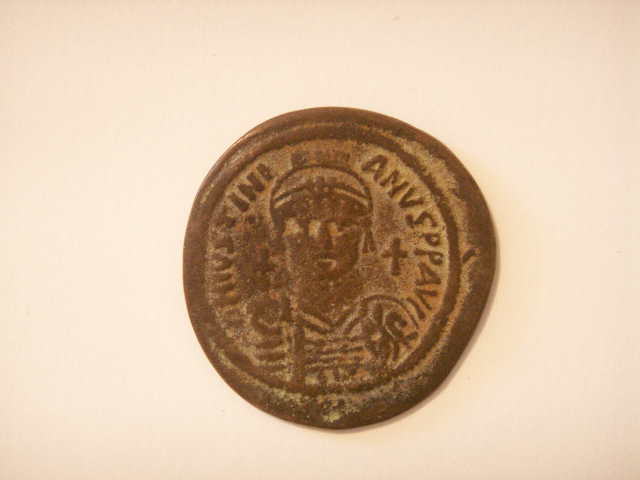
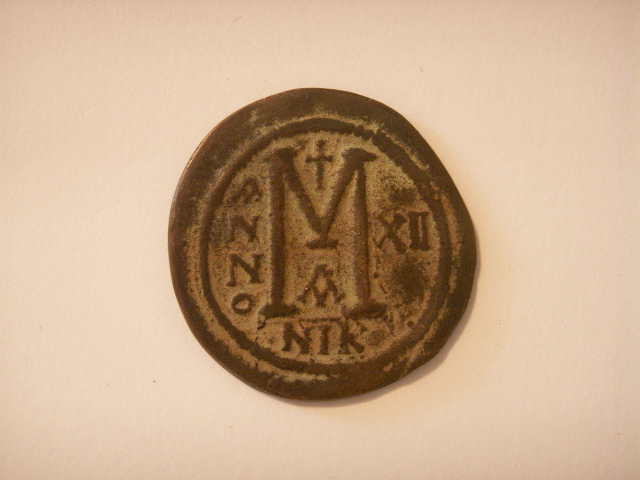


 to the community.

 Posted 06/22/2010 5:26 pm


