| Author |
 Replies: 12 / Views: 1,068 Replies: 12 / Views: 1,068 |
|
|
Pillar of the Community
United States
808 Posts |
|
|
|
|
Pillar of the Community
United States
7600 Posts |
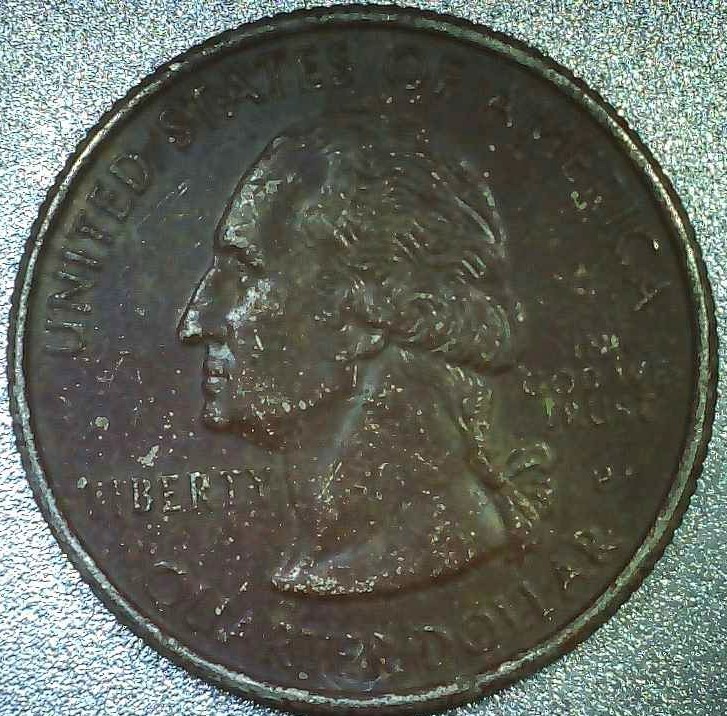
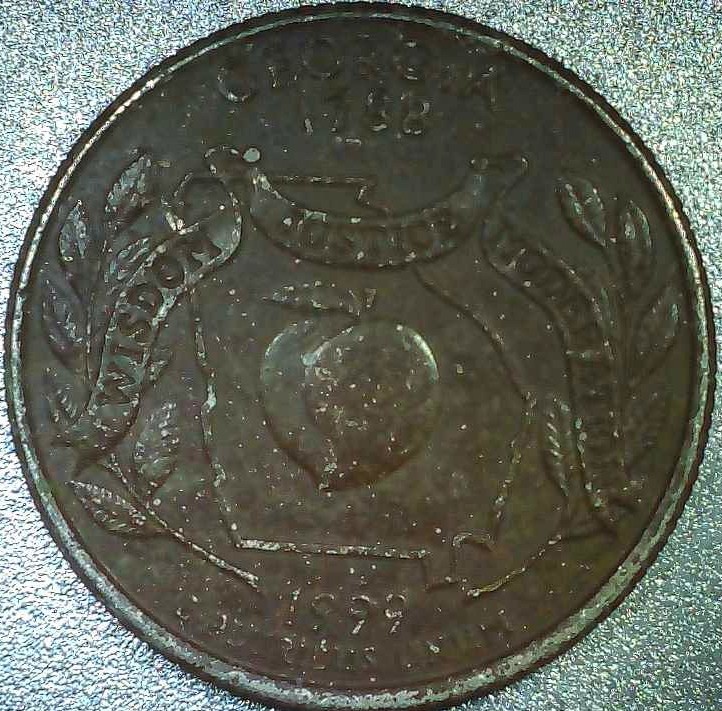
It looks like a heat damaged coin.
|
|
Bedrock of the Community
United States
79558 Posts |
|
|
Moderator
 United States
34563 Posts |
Yes looks like it was dug up from being buried on soil. Sorry but not a mint error.
"If you climb a good tree, you get a push."
-----Ghanaian proverb
"The danger we all now face is distinguishing between what is authentic and what is performed."
-----King Adz
|
|
Pillar of the Community
 United States
808 Posts |
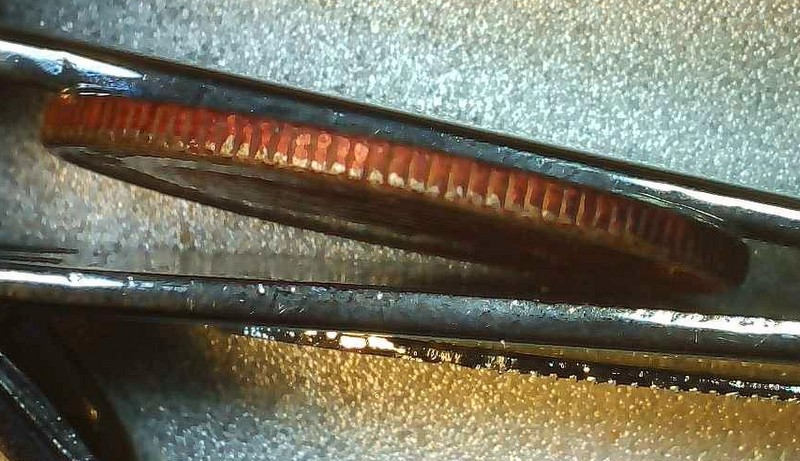
Thanks for the replies but what about the rim? I can understand if the rim looked like the surface of the coin but it does not. If it was subjected to the same environmental conditions as the surface of the coin would not the rim look the same? Regards!,
|
|
Moderator
United States
196469 Posts |
I agree, environmentally altered.
|
|
Pillar of the Community
United States
808 Posts |
Close up shots of 1999 Georgia Quarter 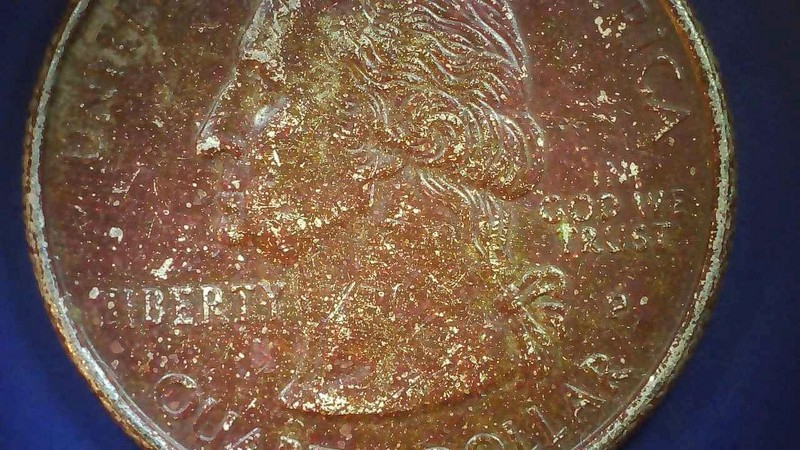 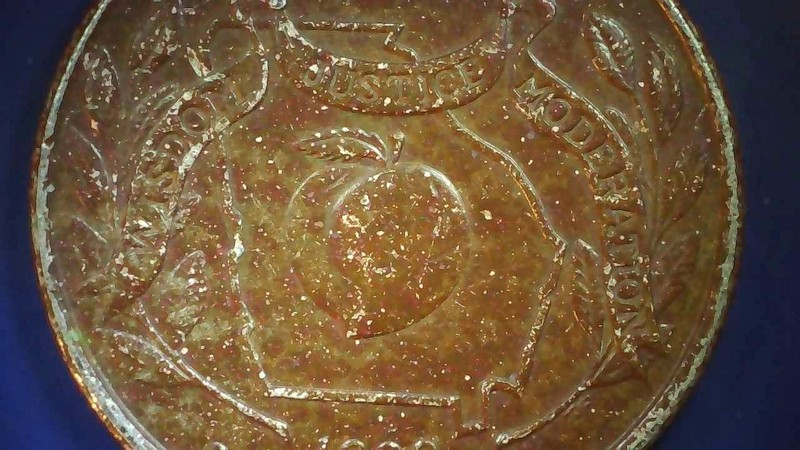 |
|
Pillar of the Community
United States
808 Posts |
What happen to this coin? Anyone have a guess?" Looks copper to me! Regards to all and thanks for your replies.
|
|
Moderator
United States
196469 Posts |
Think of it as extreme toning caused by environmental exposure. Dirt? Fire?  Regardless, it was nothing done at the Mint. |
|
Pillar of the Community
United States
7600 Posts |
New picture make it clear that this is an environmental damage, most likely a buried coin as mentioned above.
|
|
Bedrock of the Community
United States
19625 Posts |
Agree--post-strike damage.
|
|
Pillar of the Community
United States
7174 Posts |
Environmental damage. All metals can take on any tone imaginable from things they come into contact with .
|
|
Moderator
United States
108026 Posts |
 just environmental toning here. the only reason we see the copper/nickel cladding on the edge of a clad coin is because the cladding and copper core are fused together before they are punched into blanks. as the blanking machine cuts into the flattened roll of material, the cladding is pulled down the sides part way. sometimes it is just a tiny bit like we see on your coin, other times it is longer. |
| |
Replies: 12 / Views: 1,068 |
|











 Posted 02/13/2025 3:25 pm


