| Author |
 Replies: 15 / Views: 352 Replies: 15 / Views: 352 |
|
|
Pillar of the Community
United States
6170 Posts |
I'm posting this in response to a recently posted 1957 Lincoln Cent by MintedNotPrinted. Both coins show one strongly struck side and one very soft side. This effect can be from a one-sided acid bath, but at least on this one the opposite side would suggest that a thin layer of lamination was lost after the strike. For now, I am not 100% sure on this coin and still pondering it as I just found it two days ago. Weight is 2.66g and diameter is 19.0 1958 Lincoln Wheat cent mint error - split after strike 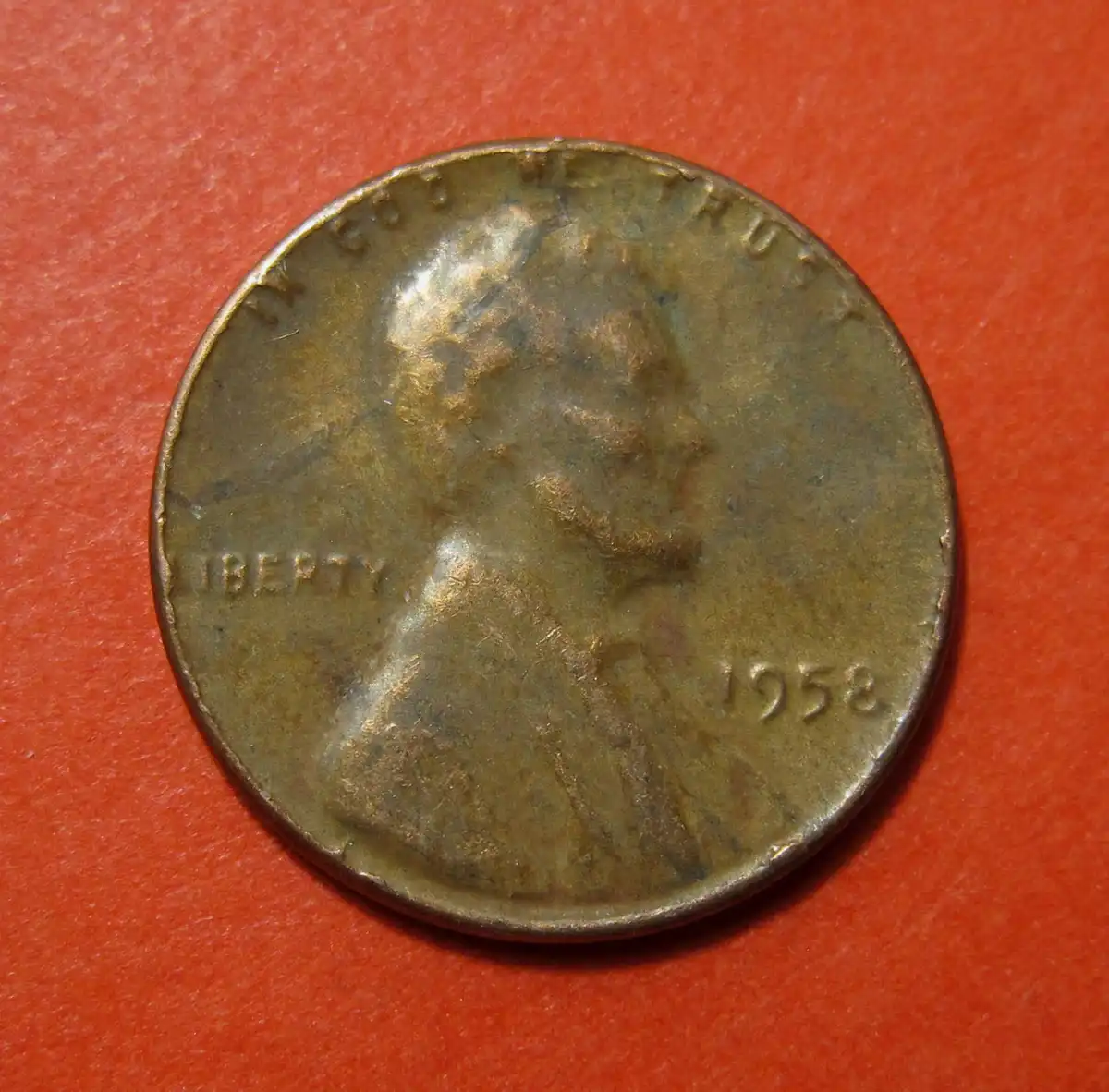 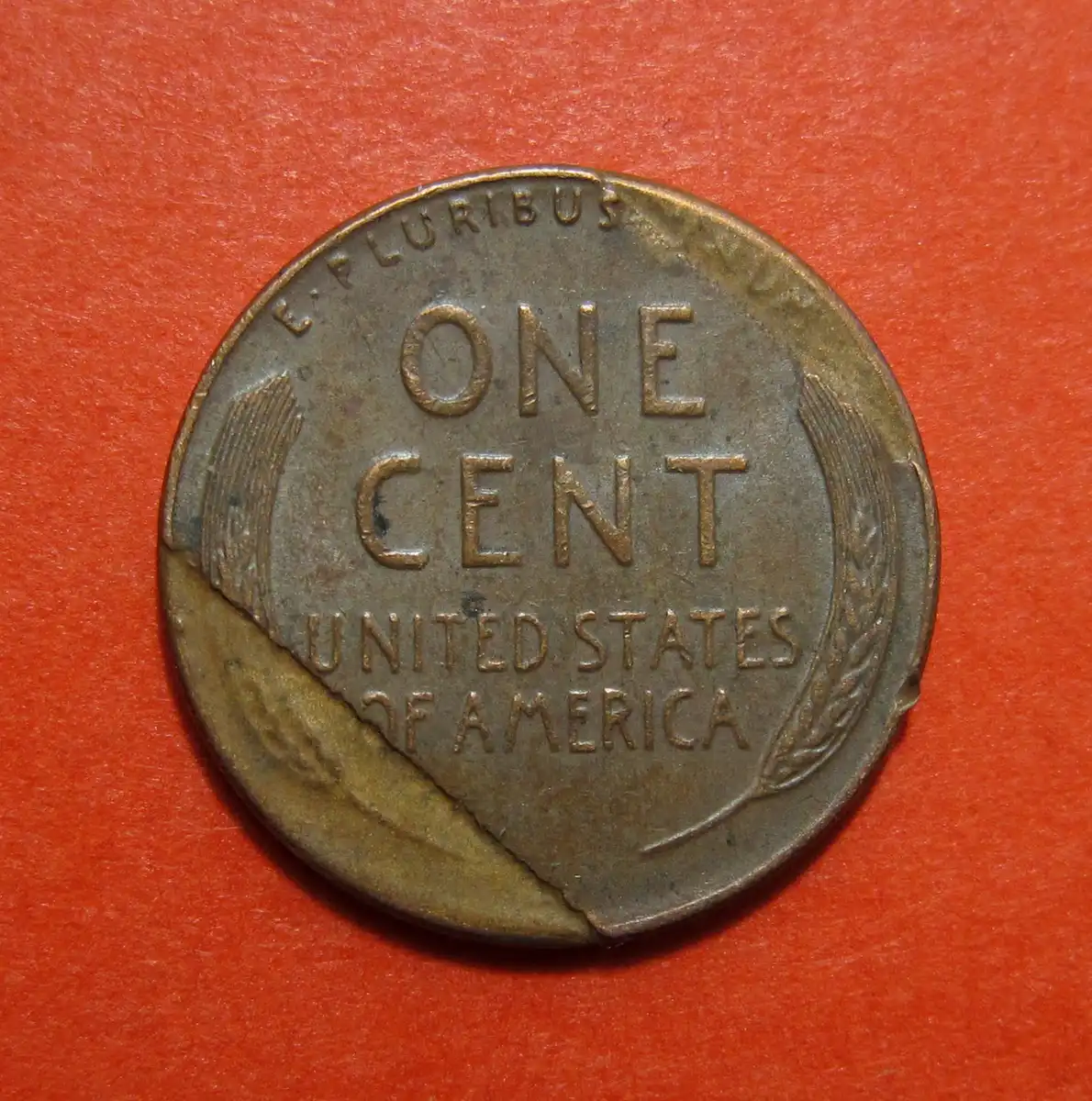 |
|
|
|
Moderator
 United States
193182 Posts |
Very interesting!  |
|
Pillar of the Community
United States
1498 Posts |
That's a very cool example, tropicalbats, with the split on either side. I'll definitely be weighing mine tonight...
Thanks for posting!
(Edit corrected typo)
Edited by MintedNotPrinted
08/17/2026 2:30 pm
|
|
Bedrock of the Community
United States
77262 Posts |
Interesting find.  Errers and Varietys.
|
|
Bedrock of the Community
United States
19431 Posts |
|
|
Moderator
United States
103220 Posts |
very cool cent TB, but do you think that the reverse side had pate on it as it was dipped in the acid, thus protecting most of the design elements?
|
|
Pillar of the Community
 United States
6170 Posts |
I've thought of that. Seems reasonable but the coin does not seem to be out of round with thinner rims where the surface is removed than in the areas where it is well-struck.
|
|
Valued Member
United States
104 Posts |
|
|
Moderator
United States
15768 Posts |
A very interesting coin TB. The lower left portion ion the reverse resembles a lamination that fell off post strike.
I have no idea why the obverse shows such a weak strike.
Take a look at my other hobby ... http://www.jk-dk.art |
|
Pillar of the Community
United States
6170 Posts |
I should think the upper right portion of the reverse also resembles a lamination that fell off post strike. My thought is that the entire obverse lost a thin lamination as well creating the soft strike appearance.
|
|
Pillar of the Community
 United States
6765 Posts |
Lost lamination seems like a good bet. The reverse alone can't account for a missing half gram of material.
|
|
Pillar of the Community
United States
2777 Posts |
Quote:
Lost lamination seems like a good bet. The reverse alone can't account for a missing half gram of material. To me the lam loss of an entire obverse and partial reverse would drop the weight more than half a gram. I'm thinking PMD but maybe not acid. The area just east of the "s" in pluribus might hold so clues if we could get a closer look. It looks discolored there consistent with the "loss" areas. |
|
Pillar of the Community
United States
3408 Posts |
|
|
Pillar of the Community
United States
6170 Posts |
Still can't say one way or the other on this thing. It's odd and just won't fit neatly into an answer. 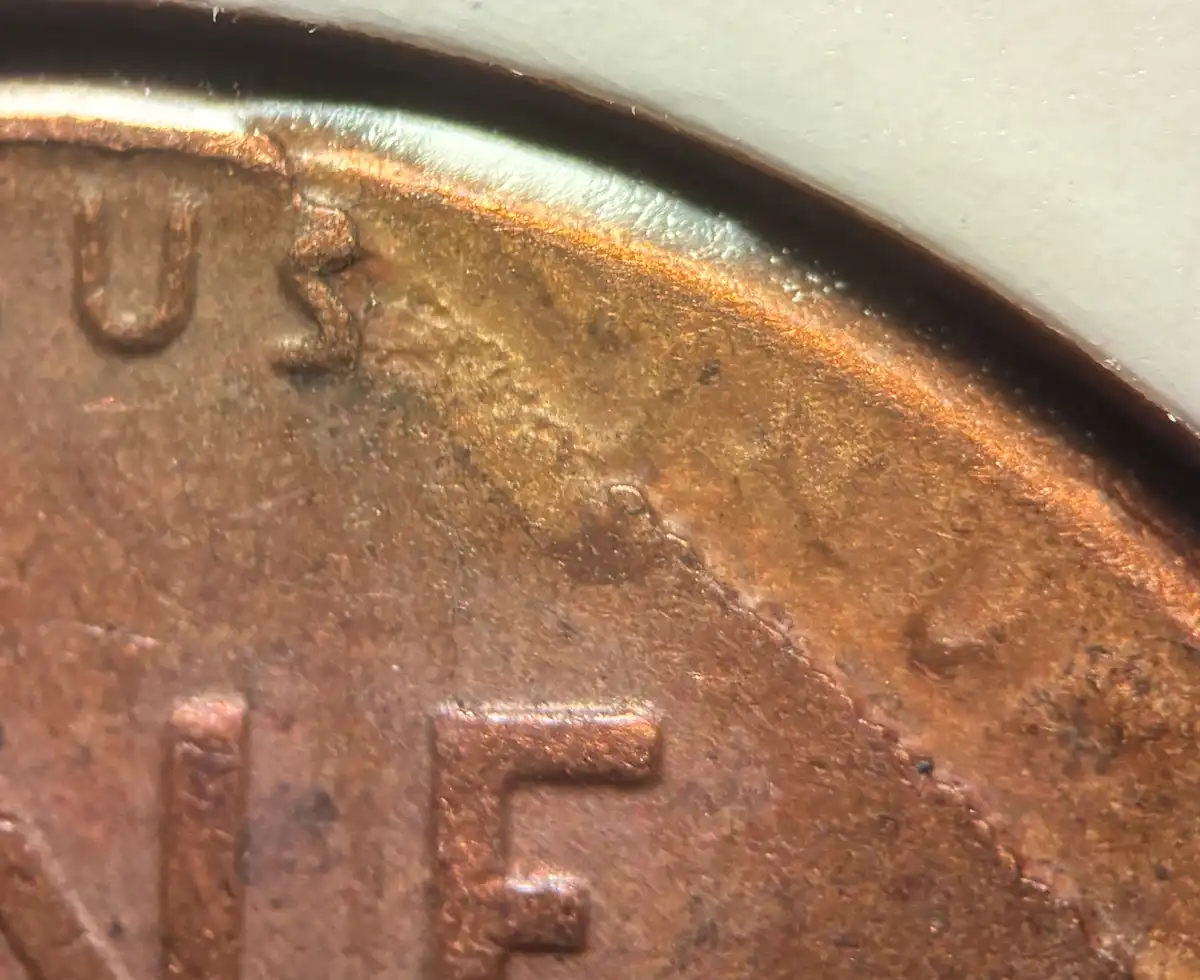 |
|
Pillar of the Community
United States
2777 Posts |
Very strange. I would think somewhere along the seams on reverse there would be some evidence of lifted/peeled metal if it were a typical lam. The uniform depth of the obverse and reverse "loss" areas seems a clue to me as well. Large lams tend to have uneven higher and lower grooves and chunks missing. It looks like a missing clad layer error but can't be, so I'm still thinking PMD. Thanks for the additional photo. "Pride is yoked with callous behavior, as humility is with compassion." St. Gregory Palamas Top Finds - 1969-S 1c FS-101 http://goccf.com/t/477681 1976 D WQ FS-101 http://goccf.com/t/382777 - 1968 D 1c FS-801 http://goccf.com/t/422254Cool clashed dies - 1972 D 1c http://goccf.com/t/429855&SearchTerms=CCLStruck-In Rim Burr - 1969 S 1c http://goccf.com/t/425587&SearchTerms=burrFloating (Type II) Counterclash - 1978 D 1c http://goccf.com/t/434991&SearchTerms=1978 |
|
Moderator
Australia
16943 Posts |
I'm afraid I'm going to hack at the suggested explanations of this coin with Ockham's Razor. The suggested cause of damage so far is some kind of triple-delamination, where the entire obverse, plus a couple of parralel pieces of the reverse, managed to fall off somehow, separately but simultaneously, leaving the central strip of the reverse intact. That's all rather complex, and thus rather improbable. So I will posit to everyone a simple PMD cause for damage like this. Everyone seems to agree that some kind of "acid dip" might have taken place; the obverse certainly looks very much like any other "Coca cola coin" out there. So all one really needs to do is explain how the reverse manages to look odd like this, with some bits "damaged" and others unaffected. And there is a very simple explanation. A piece of sticky tape. I would postulate that the coin was taped to the side of a glass jar, and acid then poured into the jar. The acid was then free to eat away at every part of the coin except the part directly covered by the tape. The boundary edge is ragged because the acid, furiously bubbling away and eating the coin, was more or less effective at attacking the coin under the edge of the tape. This also explains why the colour of the un-stripped parts of the reverse surface look different to the rest of the coin. The tape has in effect preserved the original coin's patina, the stripped areas are acid-damaged and have since repatinated. I imagine it would also be possible to create a coin like this "accidentally", rather than as some kind of twisted attempt at creating a fake error coin. For example, the tape might have been the means by which a wire was attached to the coin, to complete an electrochemical circuit. In which case, it is "electrochemical corrosion", rather than "acid", which has caused the damage. But the end-result would look the same. Don't say "infinitely" when you mean "very"; otherwise, you'll have no word left when you want to talk about something really infinite. - C. S. Lewis
|
| |
Replies: 15 / Views: 352 |
|










 Posted 08/17/2026 12:28 pm


