Hello,
a)
Quote:
Of course old bad acid does not work properly
The shelf life of any testing chemical can be greatly extended indefinitely just by storing these chemicals in temperatures less than 75 degrees F but greater than 45 degrees F.
A universally accepted law of chemistry is as follows:
‘ALL chemical reactions will greatly accelerate to their end point when exposed to higher temperatures.'
But just like any fuel cell the ability for any chemical to perform its intended purpose is diminished if the chemical(s) have run through their normal intended life cycle.
As an example of this theory try dissolving an Alka Selzer tablet in a glass of ice water and compare its rate of dissolution to that when dissolved in 90 degree heated water: dramatically different.
The solution is to NEVER store these test chemicals in a car trunk, for example, having the potential to super heat during the summer... These chemicals can simply be stored in a lunch container having a frozen bag of peas or similar device setting on top...
b) inconspicuous metal testing instrumentation:
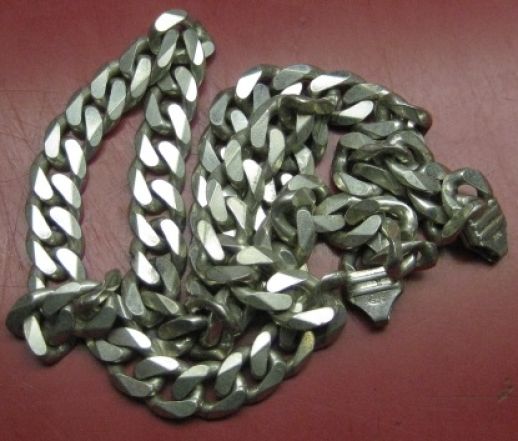
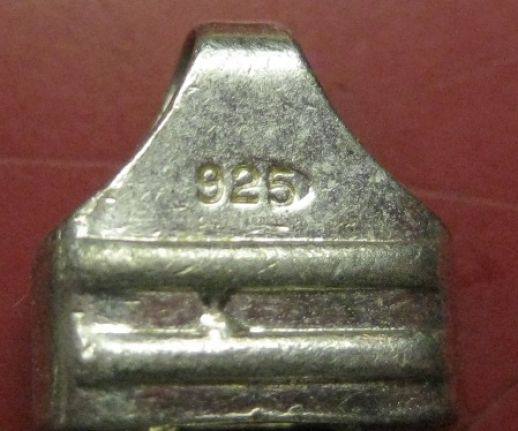
Keep in mind that any unscrupulous manufacturer of plated jewelry (marked 14k or .925) will on average plate just enough thickness (2 â€" 3 mm max) of gold or silver to give the impression that the jewelry piece is solid 14k gold or 92.5% silver, for example. Any additional amount of plating thickness unnecessarily costs them more $.
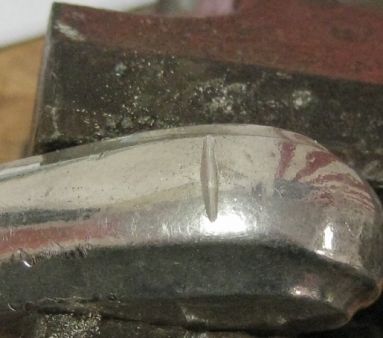
When one digs in an unsightly and lengthy scratch from a file the mark is usually overkill since the same end result can be achieved by using an inexpensive metal engraver.
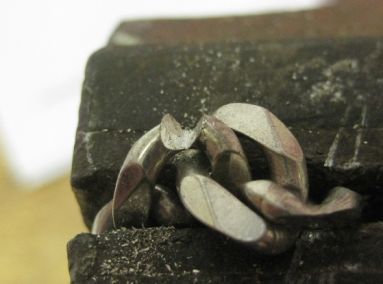
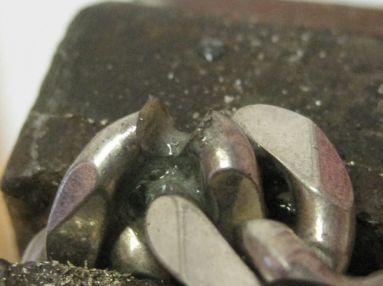
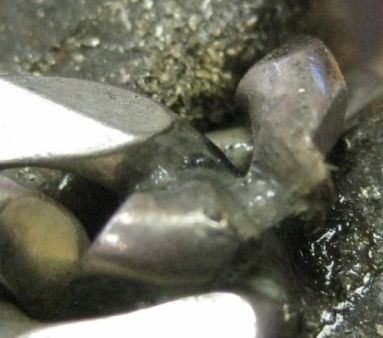
These devices are inexpensive, easily penetrate the important 2 â€" 3 mm surface plating, and will drill even deeper if required resulting in virtually no destruction of the piece.
The desired end result from a battery operated hand-held engraver pen is a 2 mm diameter hole having a depth of about 2 mm.
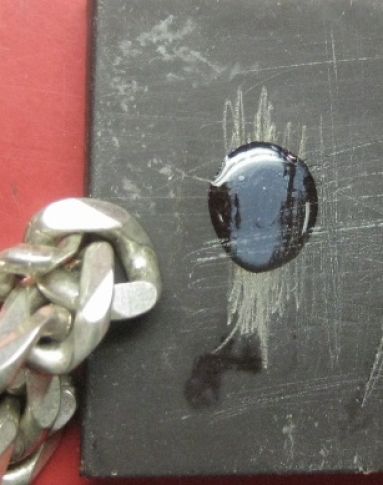
Then one can simply ‘dip' a STAINLESS STEEL drill bit or pin immersed to a depth of about ½ inch in the acid's container and then touch this acid-coated applicator to the surface of the slightly drilled hole.
It is amazing how easily exposed copper, for example, under the plating will still violently bubble or turn black within this small opening with the acid exposure.
If interested, one may visit the following vendor to purchase one of these engraving pens for about $ 10 plus S/H or visit a local store to save the shipping charges.
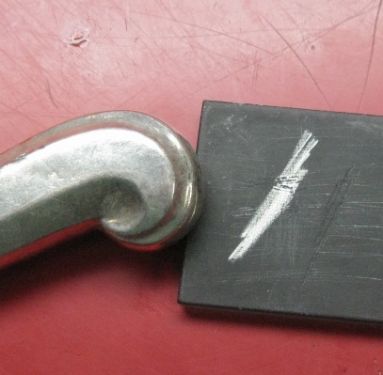
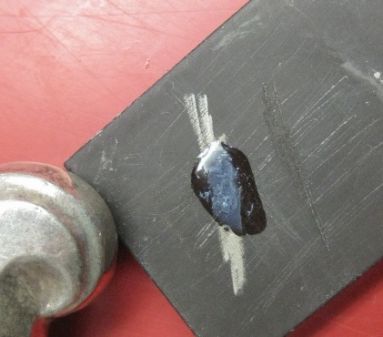
http://www.harborfreight.com/micro-...r-98227.htmlI would try to avoid using a stone if possible since 'accurate' metal composition determination is often diminished since the top 2 - 3 mm is what is usually tested when implementing a stone...
Finally, if you encounter a questionable and potentially valuable object requiring further clarification for gold content make sure you have established a good relationship with a jeweler having a S.G.(specific gravity) measuring device which is second only to a mass spectrometer.
IMHO
mdpmedia







 Posted 11/07/2012 4:12 pm





 Not For Use On Coins


