First Page


 Posted 02/25/2026 3:18 pm


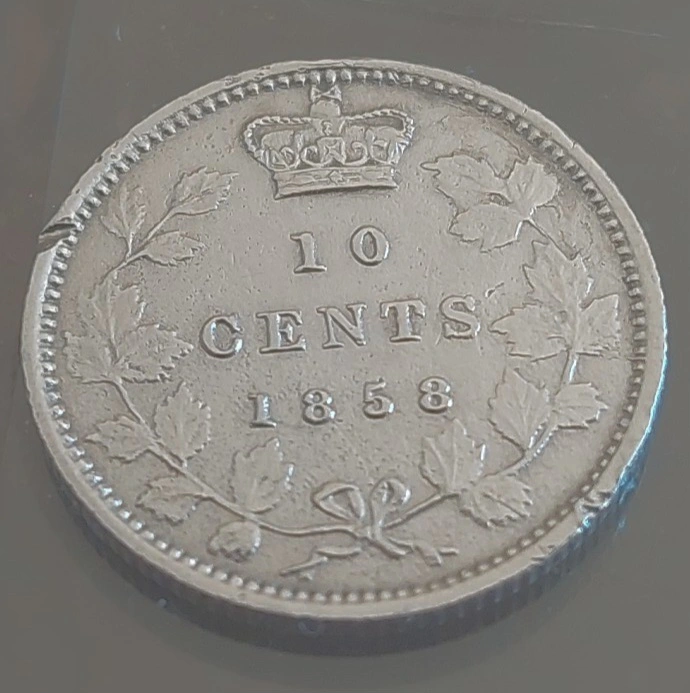
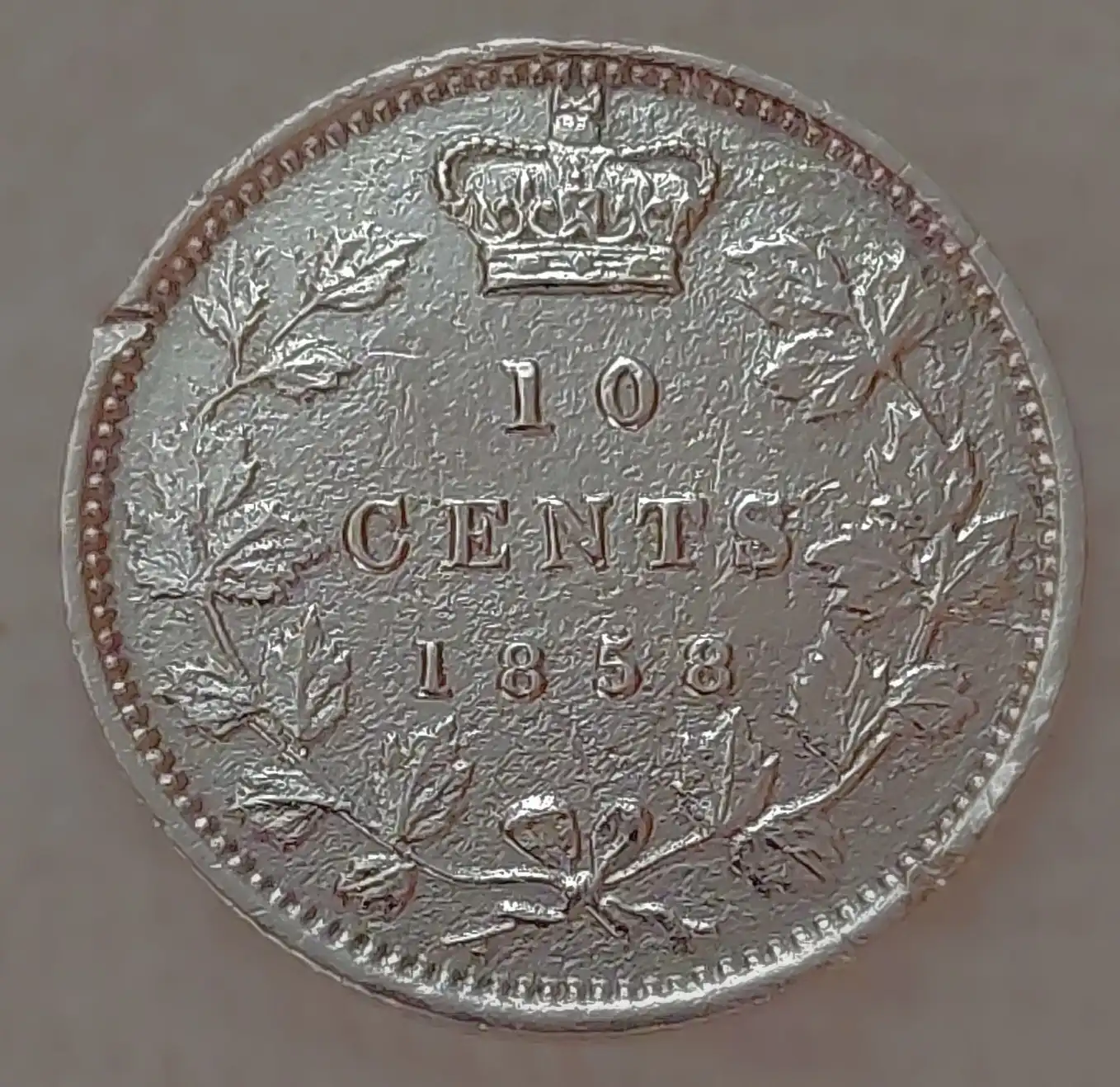
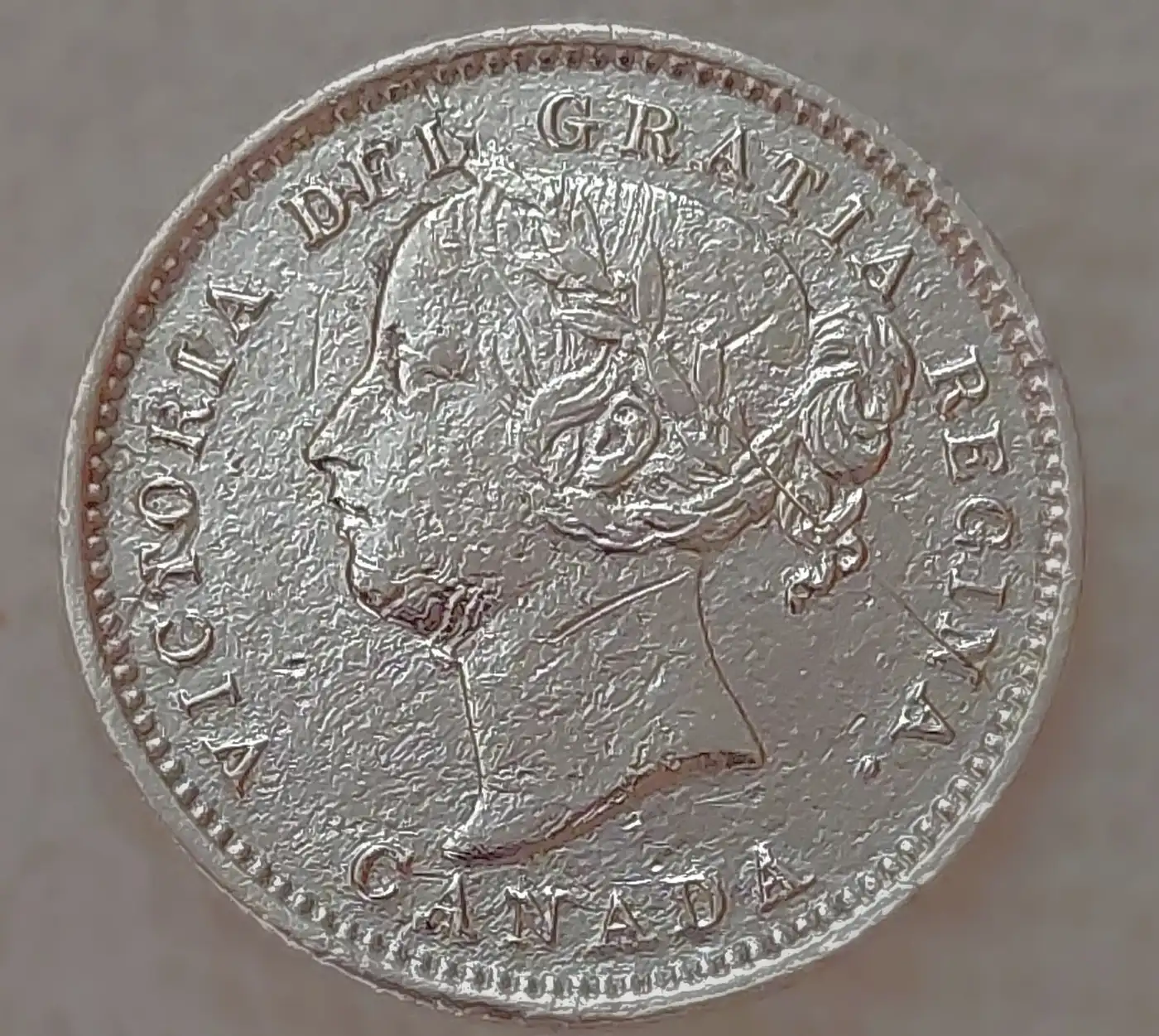
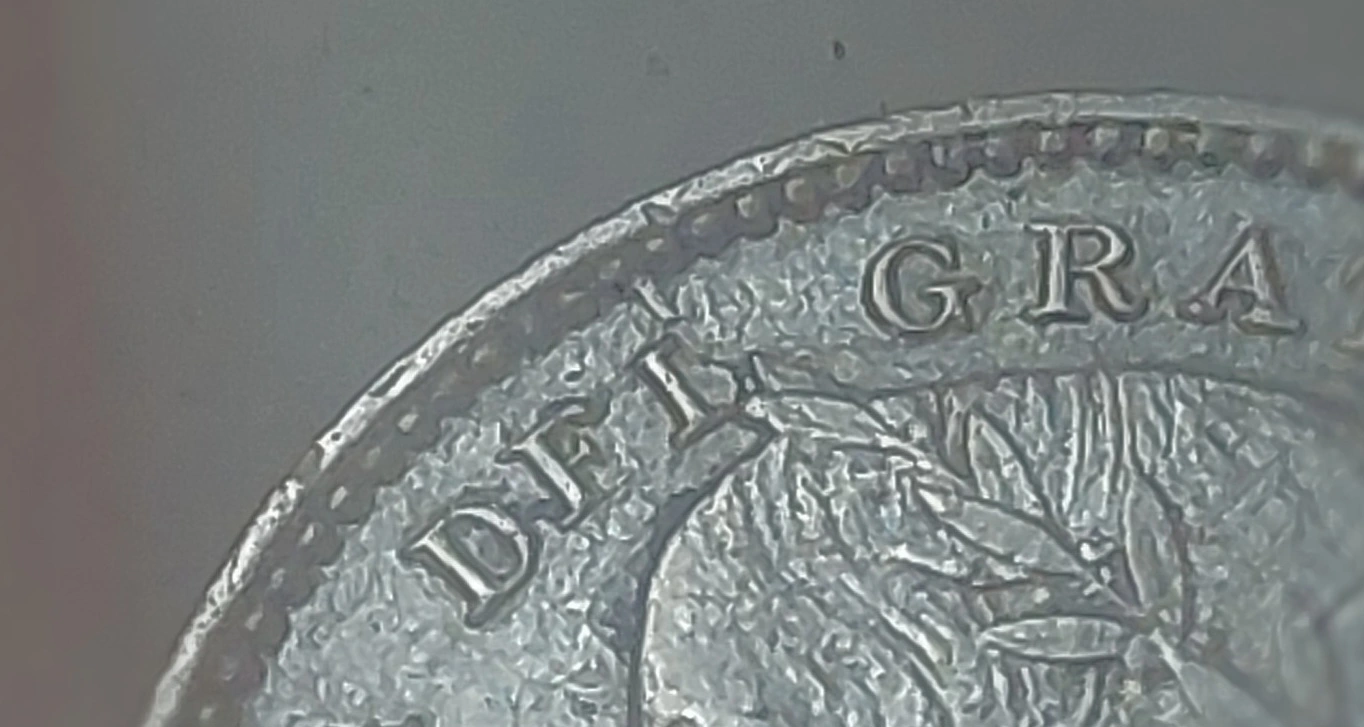
After an extensive review of my personal hoard of nine specimens of the 1858 "Blundered I" (I for 1 in DEI), I am proposing that this variety was struck using at least two distinct reverse working dies. My study—which includes a certified ICCS VF-20 and an EF-40 currently consigned at Heritage—shows two consistent, non-overlapping die failure patterns.
Die A: The 10:00 Wreath Failure (Common)
The Diagnostic: A sharp die crack originating from the denticle at 10 o'clock, traveling through the maple leaves, and terminating precisely under the 3rd leaf on the left side of the wreath.
Observations: This appears to be the workhorse die. My EF-40 specimen at Heritage is a clear example of this state.
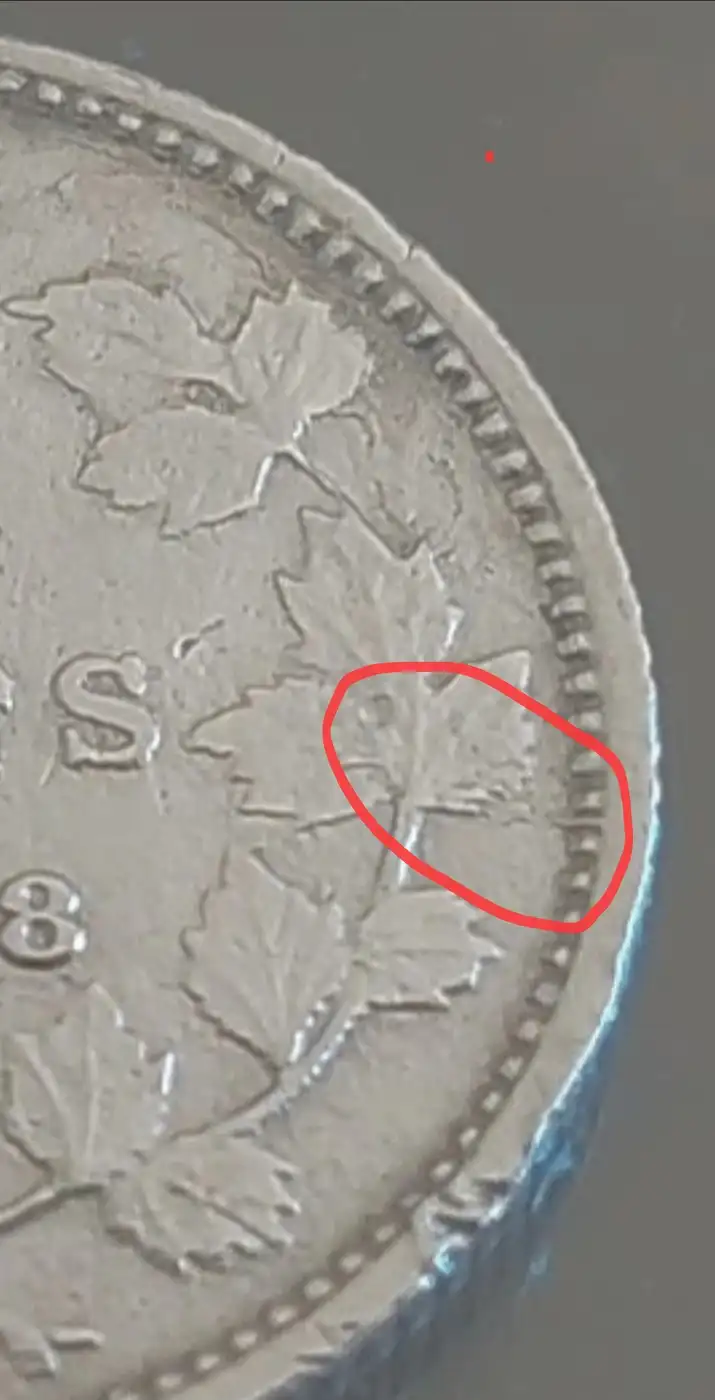
Die B: The 4:00 Lower Failure (Scarce)
The Diagnostic: A smaller, more subtle break originating between the denticles at 4 o'clock, extending under the 6th leaf, and terminating before reaching the vine.
Observations: This state is significantly scarcer in my research pool, representing a minority of the nine-coin sample.
Analysis
Because the "Blundered I" punch is identical across both Die A and Die B, the error almost certainly originated on the Master Hub. The different failure points (10:00 vs. 4:00) prove that multiple working dies were used. In my study, I have found zero specimens showing both breaks and zero specimens entirely free of a break, suggesting these working dies were under extreme stress from the first strike.
Community Feedback Requested:
Have you seen an 1858 "Blundered I" that lacks both of these specific breaks?
Do you have a specimen that shows the 10:00 and 4:00 breaks on the same coin?
Can anyone confirm these specific breaks on a standard 1858 10-cent (non-blundered)?
Die A: The 10:00 Wreath Failure (Common)
The Diagnostic: A sharp die crack originating from the denticle at 10 o'clock, traveling through the maple leaves, and terminating precisely under the 3rd leaf on the left side of the wreath.
Observations: This appears to be the workhorse die. My EF-40 specimen at Heritage is a clear example of this state.
Die B: The 4:00 Lower Failure (Scarce)
The Diagnostic: A smaller, more subtle break originating between the denticles at 4 o'clock, extending under the 6th leaf, and terminating before reaching the vine.
Observations: This state is significantly scarcer in my research pool, representing a minority of the nine-coin sample.
Analysis
Because the "Blundered I" punch is identical across both Die A and Die B, the error almost certainly originated on the Master Hub. The different failure points (10:00 vs. 4:00) prove that multiple working dies were used. In my study, I have found zero specimens showing both breaks and zero specimens entirely free of a break, suggesting these working dies were under extreme stress from the first strike.
Community Feedback Requested:
Have you seen an 1858 "Blundered I" that lacks both of these specific breaks?
Do you have a specimen that shows the 10:00 and 4:00 breaks on the same coin?
Can anyone confirm these specific breaks on a standard 1858 10-cent (non-blundered)?
Edited by collector67
02/25/2026 3:19 pm
02/25/2026 3:19 pm