| Author |
 Replies: 620 / Views: 113,975 Replies: 620 / Views: 113,975 |
|
|
|
Pillar of the Community
 United States
4047 Posts |
Your high contrast setting is telling me your axial setup is giving you a lot of stray light. You can see the problem in your setup pic. Light hitting the upper surface of the glass will reflect up to the lens and hurt the image contrast.
Brent's diagram does not show this problem or how to fix it. Where the diagram says "Rest of the light pass straight through the glass" you need to place some light absorbing material. I also recommend shooting in a dark room, or putting a piece of cardboard on top of the box to keep light from getting in.
Now a bigger problem may be that you seem to be lighting with a Jansjo from the wrong side of the glass. Much of the light from the Jansjo will go straight to the lens and kill your contrast. If you want to use a secondary light it should be done on the same side as the primary light to avoid this problem. Another option is to bring the Jansjo to high enough angle that it can't reflect directly to the lens.
Edited by rmpsrpms
02/24/2018 09:28 am
|
|
Valued Member
United States
359 Posts |
Thanks for the tips Ray. How about I remove the cardboard holder, just prop the glass up with a "leg" on the lighting side, remove the jansjo on the back side of the glass and make sure the room is dark when shooting. Those changes should help. I would not need any absorbing material of there is no longer cardboard there.
Thoughts?
|
|
Pillar of the Community
United States
4047 Posts |
Those changes would definitely help.
You can determine how much contrast reduction you are getting by shooting a test shot in same lighting conditions but with the coin replaced by a black surface. When you do this you should note the exposure time. Let's say you get the following:
Shutter speed with coin: 1/64 sec
Shutter speed with black surface: 1 sec
The ratio of the shutter speeds is an indication of how bad the contrast will be. In this case the ratio is 64, which is 2^6. So your dynamic range is 6 bits, or 12 stops. This would be really bad, but I expect the result to be in this range for most axial lighting setups that are properly configured. An improperly configured setup may have only 4 bits dynamic range.
|
|
Valued Member
United States
359 Posts |
Ray, so you are stating that even a properly configured axial setup will have poor dynamic range vs the previously mentioned diffused jansjo setup?
|
|
Pillar of the Community
United States
4047 Posts |
Yes, most are quite poor.
|
|
Valued Member
United States
359 Posts |
I ditched the axial lighting setup and back to the diffused. Still need to adjust things a bit, but here is a pic of my 1857.. No image adjustments, just the diffused jansjo at 10:00 and 2:00. Circle crop done obviously.. 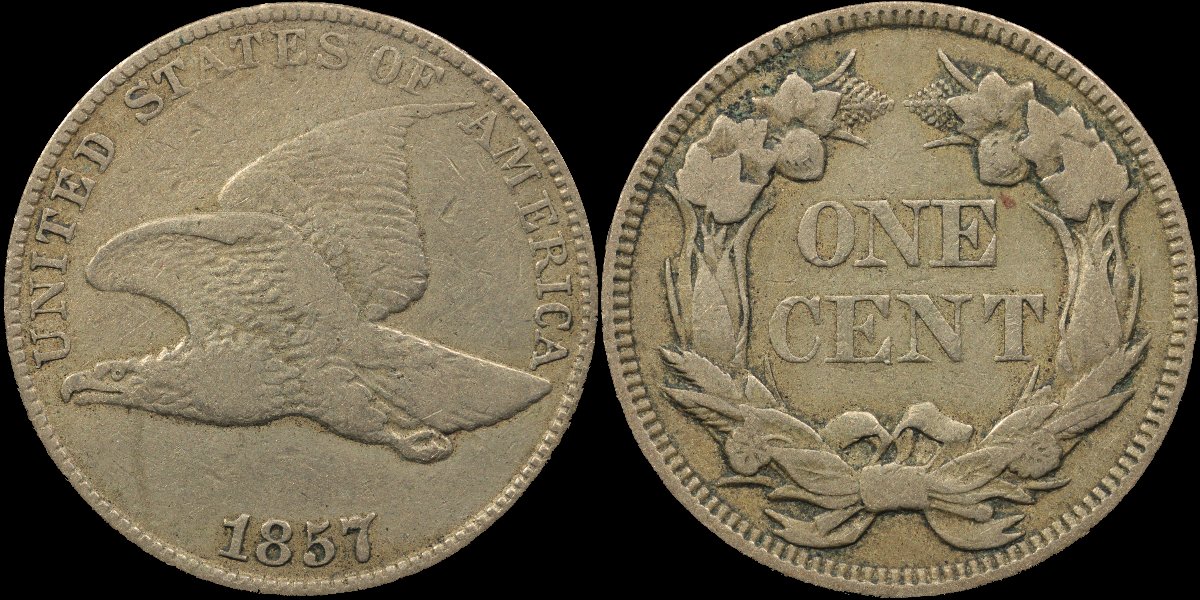 Edited by ngs428
02/28/2018 10:48 pm
|
|
Pillar of the Community
United States
4047 Posts |
Looks pretty good. I'd suggest doing some levels processing to increase contrast a little but it may be fine as-is if this is the look of the coin.
|
|
Valued Member
United States
359 Posts |
Thanks Ray! I could not find a OEM Canon ACK-E8 AC adapter, so I took a chance on this one and it worked great. https://www.amazon.com/gp/aw/d/B01EMNB8P6For those of you looking out for this item, give this one a shot. |
|
Valued Member
 Canada
478 Posts |
Edited by rmc
03/01/2018 07:32 am
|
|
Valued Member
United States
359 Posts |
Do you use it for proof coins exclusively? In my research it seemed like some preferred axial for proofs and diffused for the rest.
Edited by ngs428
03/01/2018 9:00 pm
|
|
Valued Member
Canada
478 Posts |
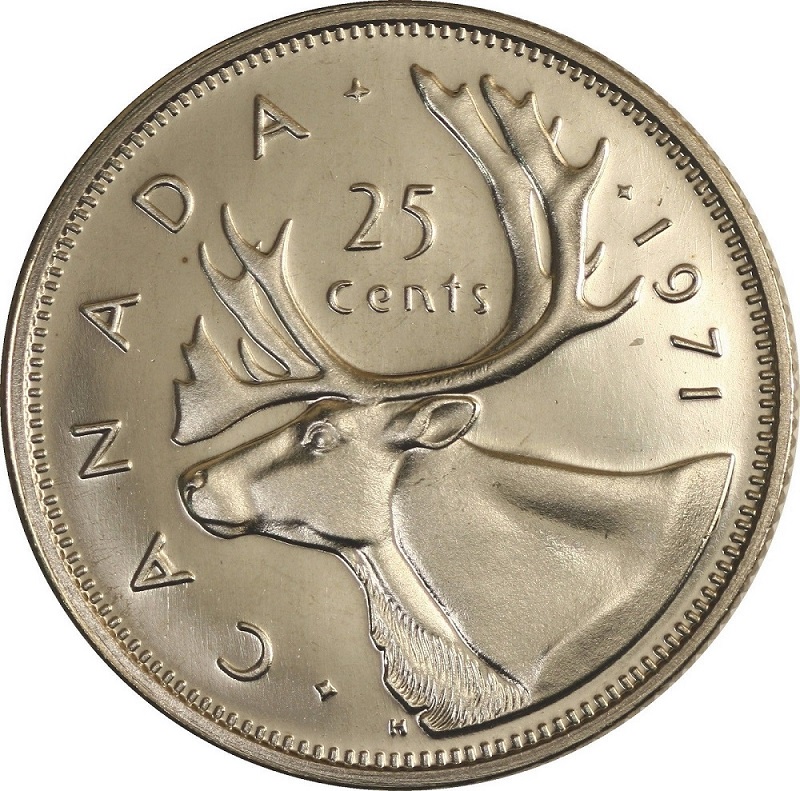
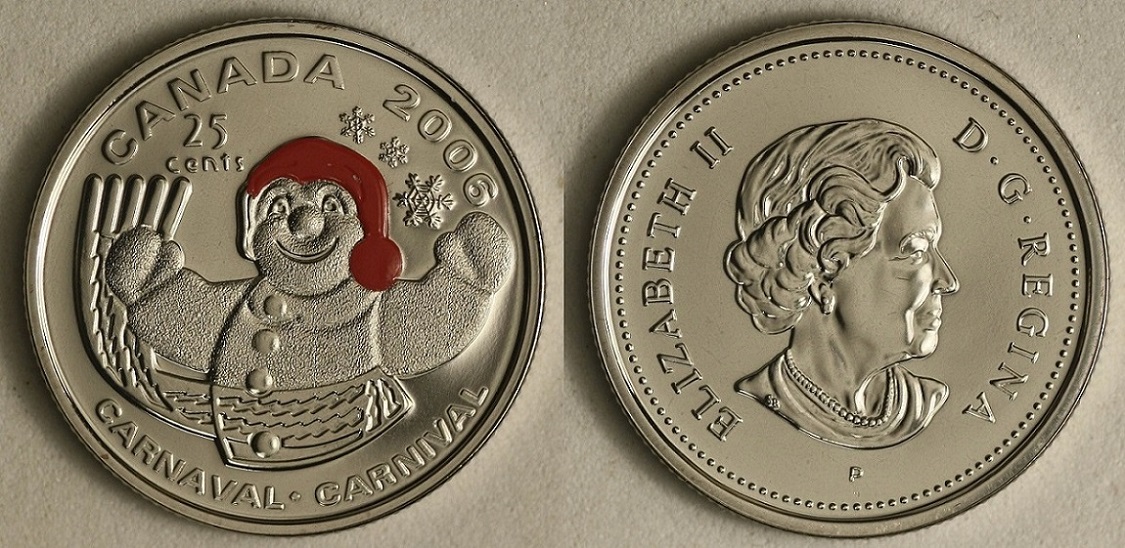
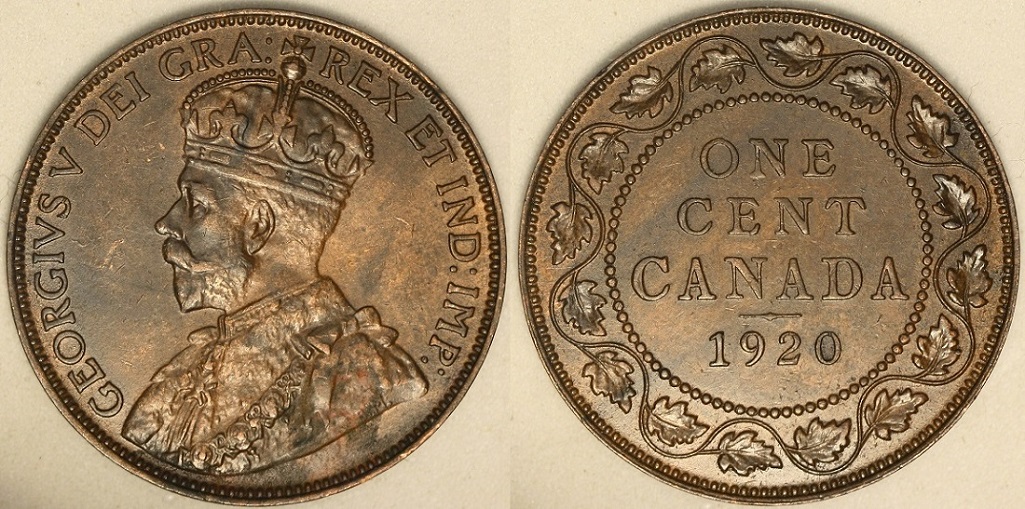
The coins I posted are not proofs. I mainly shot BU coins right out of mint rolls and circulated coins... very few proofs. By far, BU pennies are the hardest to get a good picture IMO
Maybe I got lucky, I don't know but it works great for me for any coin I want to capture, but everyone seems to have their own techniques and this is mine
Edited by rmc
03/02/2018 04:11 am
|
|
Valued Member
United States
359 Posts |
The lighting issues have been greatly resolved through the use of Opalux at the camera's lens. It is the look I am going for. I will post a pic when I have one done...
Ray's instructions from the other thread are below.
Take a piece of paper, preferably thin vellum, opalux, etc but a light printer paper is OK a well.
Cut a 4"x4" square or circle out of it.
Cut a hole in the middle big enough to barely fit snugly over the end of your lens
Push the lens through the hole
Shine your lights onto the paper from above
Closer = less diffusion
Farther = more diffusion
THANKS AGAIN RAY!
Edited by ngs428
03/10/2018 08:55 am
|
|
Valued Member
Canada
478 Posts |
Interesting, I will have to try that. I sometimes use my wife's splatter screen to diffuse the light  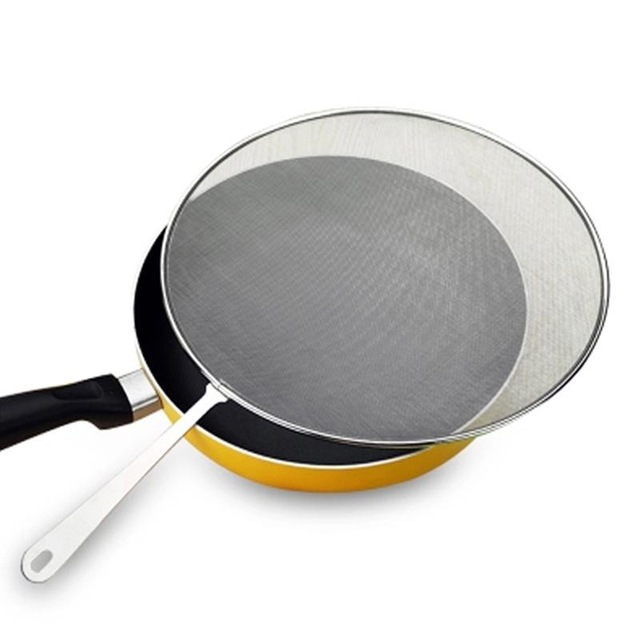 |
|
Valued Member
United States
359 Posts |
|
|
Valued Member
United States
441 Posts |
|
| |
Replies: 620 / Views: 113,975 |






 First Page
 Previous Page


 Posted 02/24/2018 11:23 am