| Author |
 Replies: 30 / Views: 4,083 Replies: 30 / Views: 4,083 |
|
|
|
Pillar of the Community
United States
2624 Posts |
Most ,if not all, of us just recirculate these.
|
|
Valued Member
 United States
80 Posts |
|
|
Valued Member
United States
80 Posts |
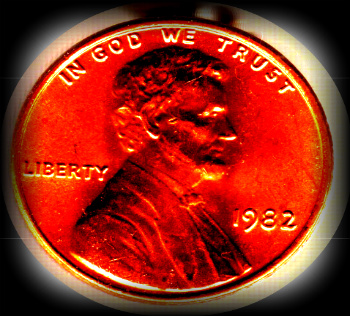
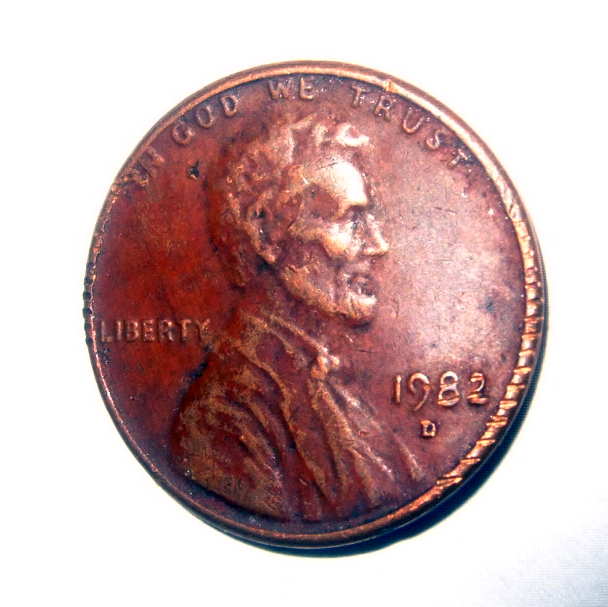
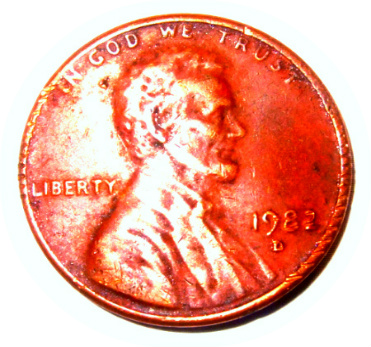 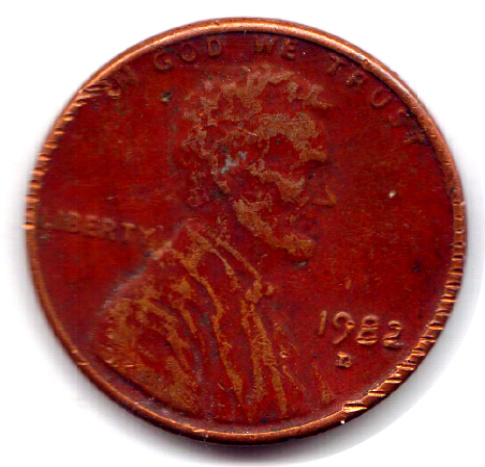 Still interesting... I bet you have one or two nice cent reds. Post them up. I really like this 82 no matter what happened. |
|
Valued Member
United States
80 Posts |
Edited by uman2
12/31/2013 04:34 am
|
|
Valued Member
United States
80 Posts |
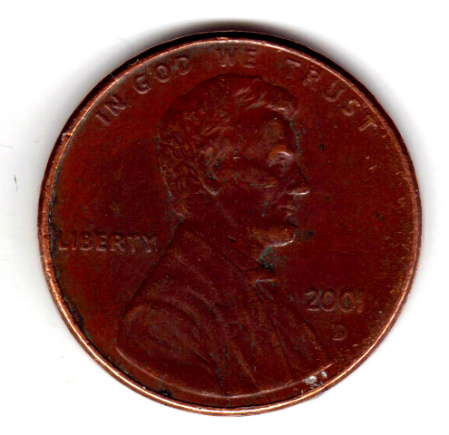
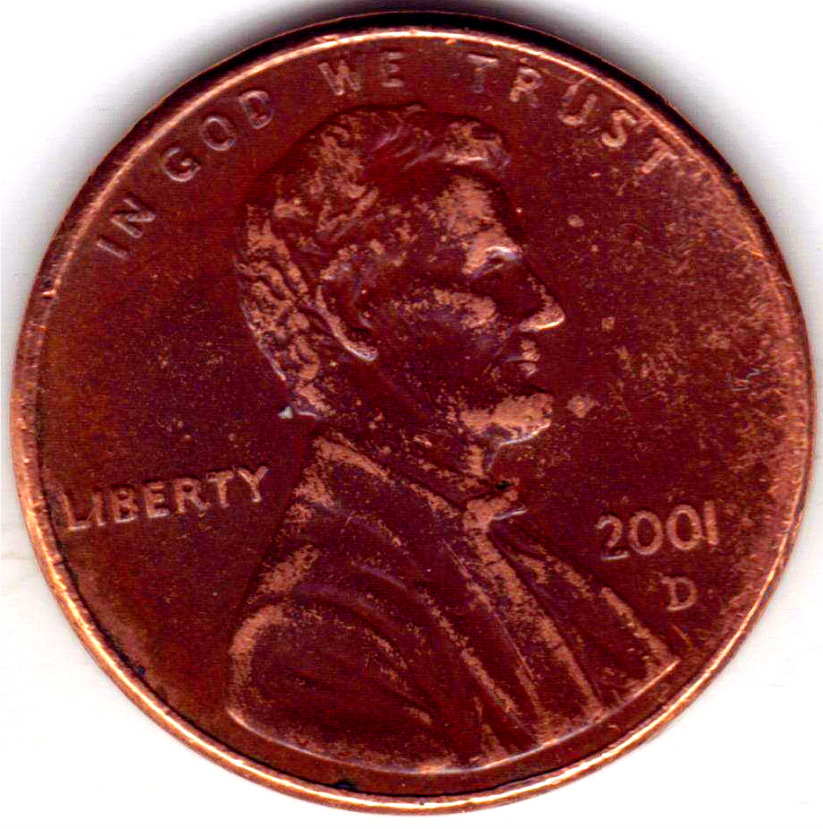
The second picture of the 2001 I polished the red down a little bit a couple times to see the different layers. The 2001 has been soaked and scrubbed with a light acid wash more then once as well as acetone no color was removed with either solution polishing was the only way I was able to get through the layers. I will probably take it down to raw copper one of these days but I have been focused on other things latly. I hoping I'm the only one who has not over looked these or that there is something more to it then ''corrosion'' I'm sure its no form of paint and cents do go through whatever washes and treatments to give them that red copper toning that you see mostly on really good condition or proof coins. I'm thinking some of these cent went through multiple cycles of the copperwash/sinte'red' treatments building up a thick clad like material on the surface of the coin. The thick can and does vary depending on how many cycles/treatments the coin has been though. Thats if I'm right about this I could be wrong its just a theory. I know other coins that show sintering/copperwah/improper annealing errors have also been called sintered plating depending on the thickness of the coating, why couldnt this happen on cents has this ever been discussed or am I the first one to bring this up? Can comeone point me to a thead where this I talked about if there are any?
Edited by uman2
12/31/2013 04:29 am
|
|
Valued Member
United States
80 Posts |
Do most of you or all of you not collect error coins? I would imagen any good error coin collector would never throw these back into circulation at least without a second look and maybe some testing or something! Red is the term used in the top tIEr of coin grading I dont get why all of you would just throw them back into circulation. I will be saving any or all of them I come a cross. I guess I dont fit in with ''most of you'' cause I find these more interesting then most and after this I might change your mind to either way it turns out it is still a cool cool project. I am just trying to find some help as a newer colloector. My attemps on others sites have only been a detriment to this new collectors's heart But I'm pushing forward regardless.
Edited by uman2
12/31/2013 2:22 pm
|
|
Bedrock of the Community
United States
12437 Posts |
Quote:
I'm thinking some of these cent went through multiple cycles of the copperwash/sinte'red' treatments building up a thick clad like material on the surface of the coin. Sintering would occur duing the annealing process(planchets left in the oven too long) but cent planchets do not need to be softened prior to striking so that would not have happened. It is simply another form of corrosion, cuprous oxide is responsible for the brick red color. Quote:
Red is the terms used in the top teir of coin grading You are talking about two entirely different "Reds". Red in relation to uncirculated cents refers to the original mint color of copper(actually more of an orange than red). Red is only used to describe Mint State cents because that color will oxidize to Red-Brown with minimal circulation. |
|
Valued Member
United States
80 Posts |
So what coating, washes or treatments do they use because from everything I read they do add treatments but no one is ever sure what exactly they use or seem unsure. I still believe it is possible that these have gone through multiple treatments of some kind or were part of experiments done at the mint. Wouldnt acid remove the corrosion you stated. I soaked the 2001 for a little while and scrubbed it more then once as well and acetone soaks and scrubs neither one showed any signs of removing anything except the small amount of corrosion. I'm using the 2001 as a test piece because it doesn't have much eye appeal since the reverse is messed up the obverse was kinda cool but I have a few others that are really neat that are as they were when I found them. Like this one... 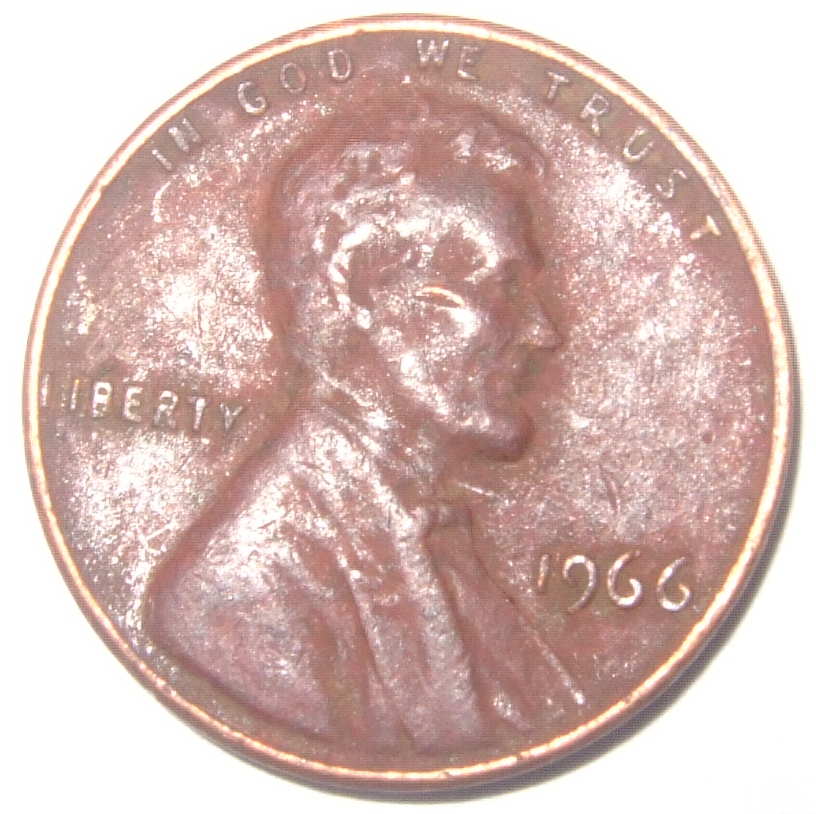 This macro is the original that has been cropped. |
|
Valued Member
United States
80 Posts |
Here is the same photo enhanced with only brightness and contrast plus autofix. 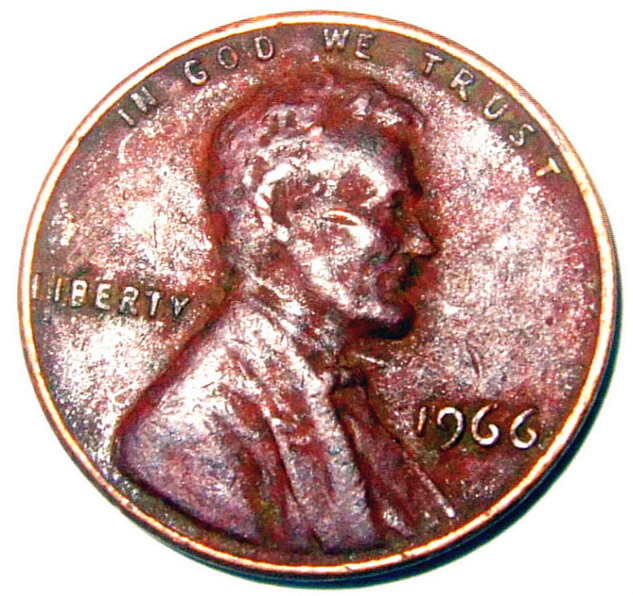 |
|
Valued Member
United States
80 Posts |
The letters of the motto, the date and all devices have a nice strike. The motto lettering has a perfect seperation between the letters and rim with a deep recess inbetween the two and are in very nice condition when viewed with a loop. The T and the rim are the only areas that are not covered in red plating! The pictures come out alot more interesting then just looking at it. When looking at the coin it has a deep red even color to it. maybe it wasnt testing like I said before but you have to think of all possibilities.
Edited by uman2
12/31/2013 2:11 pm
|
|
Valued Member
United States
80 Posts |
Quote:
Sintering would occur duing the annealing process(planchets left in the oven too long) but cent planchets do not need to be softened prior to striking so that would not have happened. It is simply another form of corrosion, cuprous oxide is responsible for the brick red color. I was thinking that cents were copper washed then annealled through a belt fed kiln/oven right after the wash to bake the wash coating onto the surface but the info is kinda fuzzy as you may know. does anyone have any difinitive proof or are these processes still somewhat speculative in terms of when and how they are used? Things change all the time they are always improving how they do things. Most of the things I have read about copper wash,sintering,improper annealling and sintered plating which is the best term I have read so far the improper form of sintering. I am thinking the processes for cents and nickels goes like this... It starts with a chemical wash that cleans and etches the planchets. Then the planchets are sintered and annealled either in seperate processes or as the same process. They may not call it annealling in that case because the sintering process heats the planchets anyways so softening/annealing is a side effect. Maybe was designed like that to limit the processes needed to mint the coin. This is just an idea and can be refined a bit I'm sure well I'm hoping my understanding will be that makes the most sense to me right now. Any input from anyone is welcomed if not just to help me understand this. Like I said these processes are unclear from what I have read but some of what I have read is from years ago and I have read some newer articles that were more up to date about anneal but still a little fuzzy. Maybe even its not really called Sintering per say because I think sintering is the process used more for clad coins that gives them that chromed look on top of the ruff white metal cladding. So maybe cents are washed/etched then copper washed?, then go through the conveyor belt oven which also annealls them slightly as a side benifit. Or just washed/etched, washed/ coated then dried and coined. any ideas or can someone help me refine my understanding of this. |
|
Valued Member
United States
80 Posts |
Also is there anything else about the year of this coin thats interesting because I'm not really good with varieties/types.
|
|
Valued Member
United States
80 Posts |
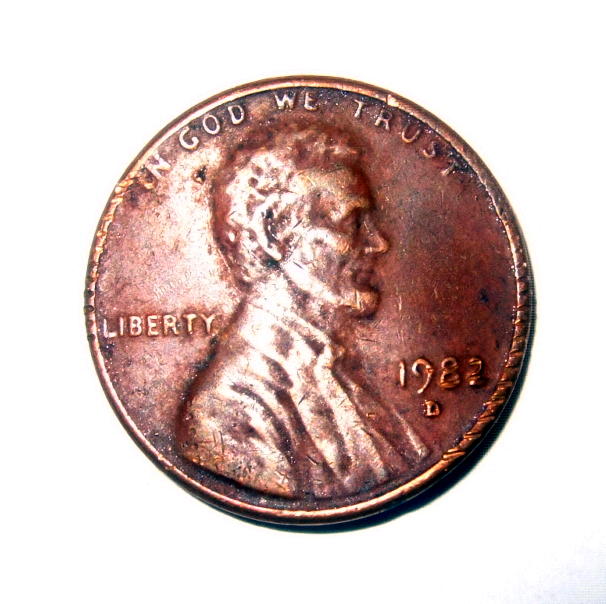
Ok I'm giving up on this 66 the picture is really cool and I like it but I'm not sure what I can do to prove this.. I read some about Cu20 and it is used as an "anti foulling" agent and "coloring agent". I guess It could be part of the copper wash and it could just gets worse or progesses later on just from the enviroment making it look 'corroded" who knows I  . maybe it is/could be an improper copper wash effect per-say. It is interesting. The back of the 66 is more pink in color which is a tone of color for cu20 along with brick red, yellow is also a tone hence why its usually called corrosion but cu20 can be useful for protection of metals against fouling the red is covered evenly on the surface like a paint while the bits of the raised corrosion spots are not but they do fall into the tone spectrum of cu20 maybe they are just a more advanced later stage form of cu20 caused by the wild enviroment but underneth those areas is still intact with no/ rotting. When I saw the pink color I was about to give up because it did look like a dull corrosion effect on the reverse and didnt seem as interesting as obverse but that is a tone of cu20 so hmmmm very interesting... Now I would have to guess that there is a copper-wash and it is the last process a cent piece goes through before being released into the wild rotting world.lol Edited by uman2
12/31/2013 11:31 pm
|
|
Valued Member
United States
80 Posts |
I am willing to guess that the prefect Mint "luster"=(''Matte glimmery/shimmery greyish finnish'' not the flashy mirror like reflections of light) of coins Is created by this process or another process/treatment depending on the type of coin is being coined whether its before or after the coin has been coined I say before on clad coins because usually it looks like the luster has been struck unto the coin its self once some of the surface rubs off and that part of it cant be rubbed off that easy. when the top layer is rubbed off like I said you can still see the luster pattern underneath the area where the "Mint luster" was rubbed off only with out the the perfect greyish opaque shimmery layer that you may still see around the lettering where it was better protected from rubbing and ware. I only wrote this to help me understand the nature of Mint luster. I dont think I really remember much of what I read about luster back then( 4 years ago probably)because I was not really worried about it since I was mostly into error coins not proof coins or what ever. To say a coin doesn't have Mint condition luster is one thing but to say a coin doesn't have mint luster is another and the latter isn't usually true because there is still a luster pattern underneth created at the mint once the top layer is rubbed off and the top layer might just be a surface treatment that is the opaque layer on top of a freahly minted coin from the metal protection treatments the coin goes thru. Plus it might not even be coin luster it just mimmicks the luster of the metal because it a treament even if thats what is ment when some say luster. I want to say metal has luster and a treatment layer would have a sheen. Thats how I would call it anyway. Pretty much the same difference. I'm just writing this to help me understand the nature mint luster you can chime in if you want. I just didnt want to look for the luster threads right now and I like trying to figure something out myself before reading what someone else thinks or even the factual conclusion/answer. I have read little blips here and there but sometime the person says I'm not realy sure or the little I know about it" so I figured I would make this post and SHARE MY THOUGHTS about it/how I see it since this thread is about the surface of coins.
|
|
Valued Member
United States
80 Posts |
I would say there are four phases of luster.....
The toplayer surface treatment sheen/luster.
the metal luster its self.
dull luster.
dull.
.
|
| |
Replies: 30 / Views: 4,083 |






 First Page


 Posted 12/23/2013 12:05 pm