| Author |
 Replies: 683 / Views: 60,644 Replies: 683 / Views: 60,644 |
|
|
|
Pillar of the Community
United States
1450 Posts |
I got the dime yesterday and I noticed how small it is compared to regular dime. I would rather have the coins regular size even if they are not .99% gold. I did not buy them for an investment but I wonder if we will even get our money back if we sell them in ten years? That goes for all three.
|
|
Pillar of the Community
United States
1027 Posts |
And the Sold Out dime is now priced at $195. You would think that the mint could afford an IT person that understood special cases and would not just blindly apply the pricing grid.
|
|
Moderator
 United States
195053 Posts |
Quote:
You would think that the mint could afford an IT person that understood special cases and would not just blindly apply the pricing grid. We could be underestimating just how automated things are at the Mint.  (I doubt it, so you are probably right.  ) |
|
Pillar of the Community
United States
1027 Posts |
Here are five special issue gold coins, from 2009-2016, taken together both with & without flash (notice the light reflecting off of the edges in the second set of images): First, with macro ring flash: 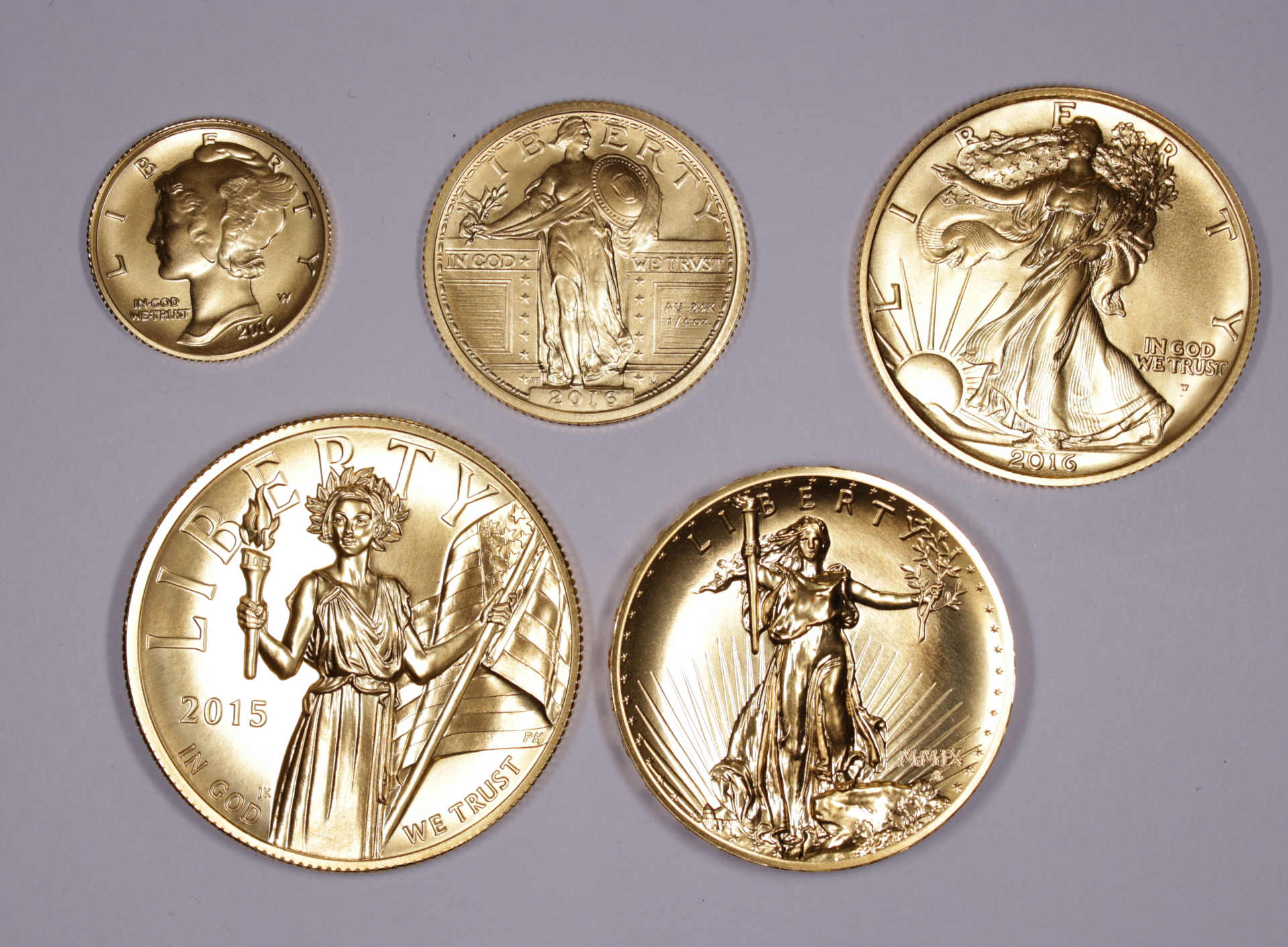 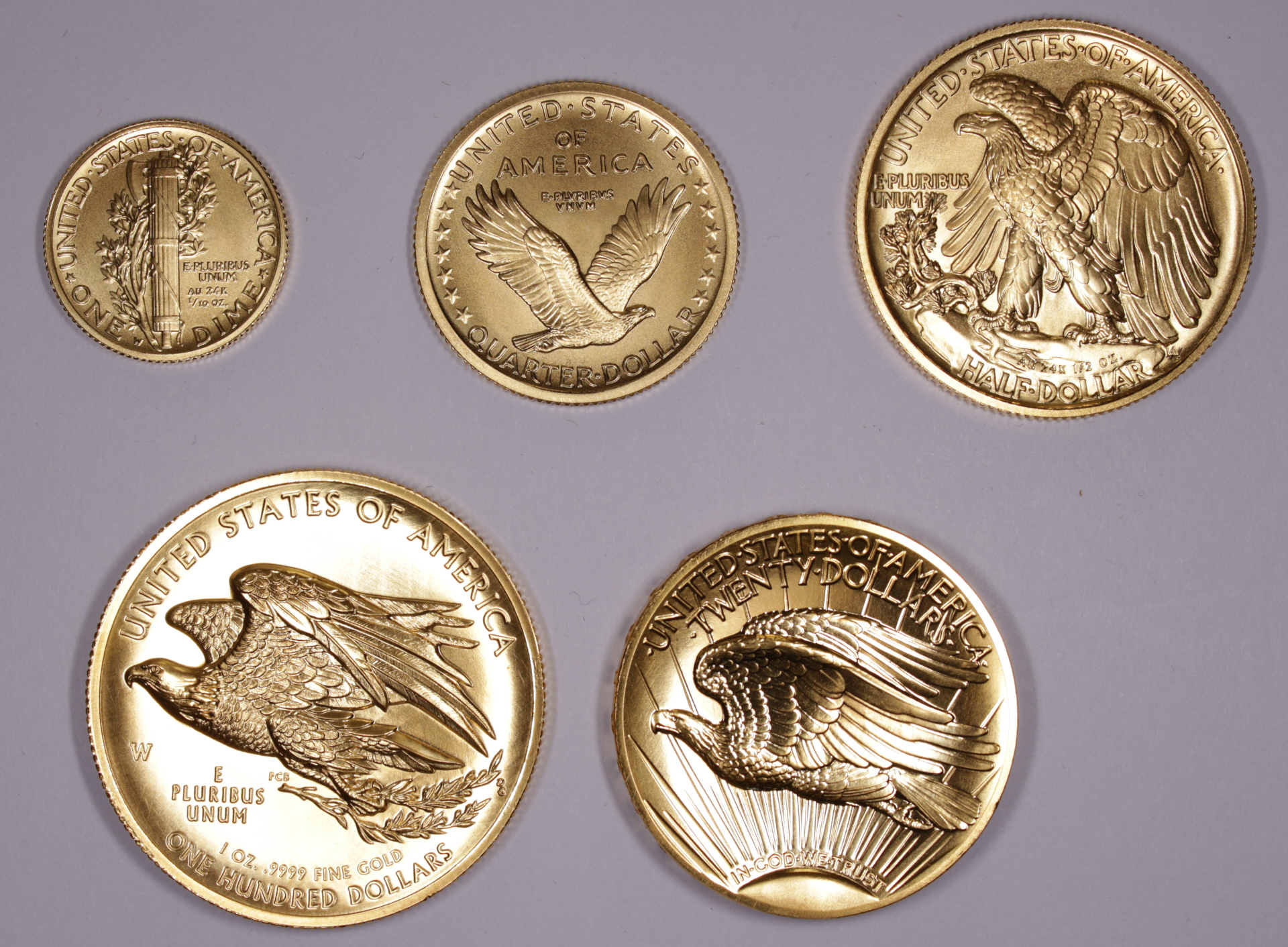 and now with diffused sunlight only: 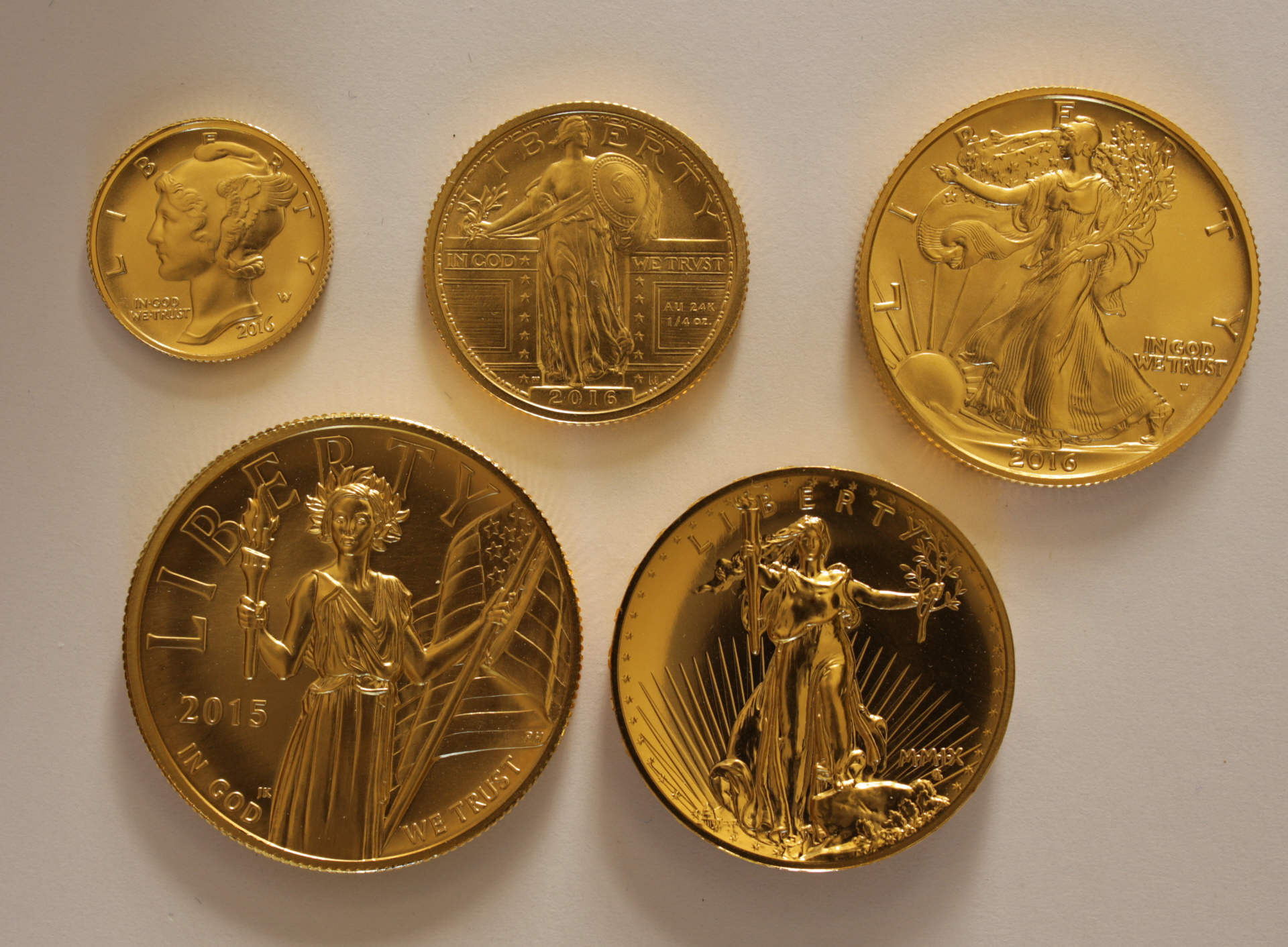 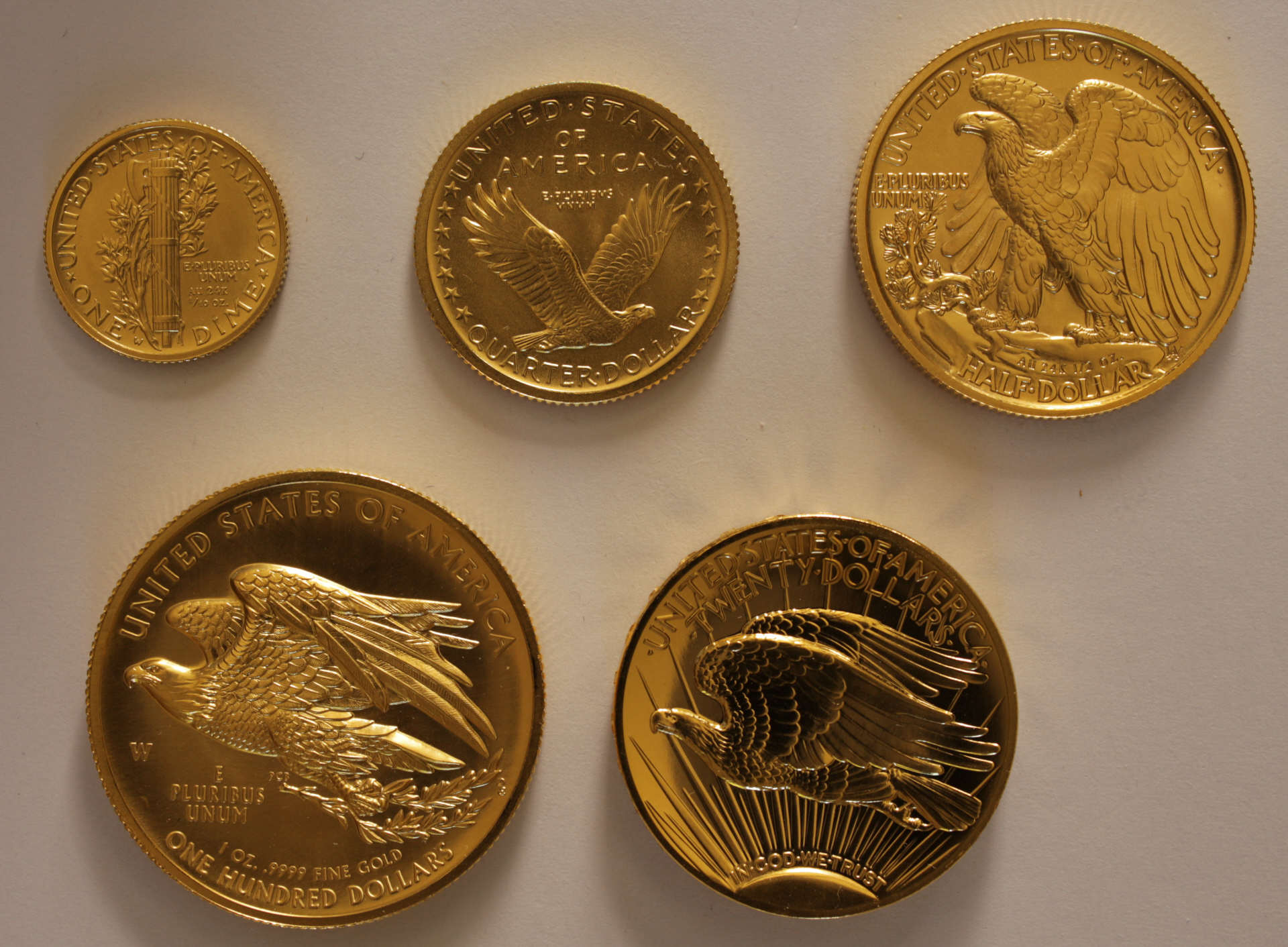 |
|
Moderator
United States
195053 Posts |
Quote:
Here are five special issue gold coins, from 2009-2016, taken together both with & without flash It is very nice to see them all together!  |
|
Pillar of the Community
United States
7390 Posts |
|
|
Pillar of the Community
United States
1027 Posts |
It is still a shame to me that the 2009 UHRDE has to have the "IN GOD WE TRUST" motto, since the original 27mm 1907 piece that Saint Gaudens made (as far as I know there was only ever one made) did not have the motto. I got to see that piece before the display it was in at the Smithsonian was broken up. It was very impressive. The display only showed the obverses of the coins. I estimated that all of the coins in that one display case (I think it was titled something like "American Numismatic Treasures") were worth something like $100 million and that was being conservative since several of the coins were truly priceless.
|
|
Pillar of the Community
United States
1450 Posts |
Some of the websites are selling the 1916 gold coins that are graded MS70 or MS69 selling for huge markups. I think this is pure BS. The best thing that could possibly happen is that the gold 1916 commemorative coins sell out yesterday. If they are not selling then the Mint should just recall the unsold ones and melt them down.
|
|
Pillar of the Community
United States
4901 Posts |
Well....(quarter) the Mint is selling $290 worth of gold for $435 and (half) $575 for $815 so with that markup they will exist until they are gone. Zero reason to stop. PCGS 70 grade gold quarters can be had (one sold today) for $545 which is not a bad markup.... A raw one sold a few days ago on ebay for less than issue price ($429.62) The gold halves in PCGS 70 grade are selling for a reasonable markup ($165 over Mint cost now) but this will drop as more are graded. Looks like a normal market to me...as more are sold and more are graded prices decline. |
|
Pillar of the Community
United States
1450 Posts |
Foxwoods Do you know how many quarters and half dollars are left as we speak? I bought the set because I really love those coins, but a more rational person might decide they don't want to pay the Mint's markup. I would never buy another coin from the Mint unless they made some true size coins like Buffalo nickels in gold and sold them for a much more reasonable markup. The Mint sells Silver Eagles for $40 plus dollars and you can then buy them for less than $20. 100% markup over spot price is absurd. If inflation gets cranked up gold and silver may become bargains as bullion, but what about coins either circulating or commemoratives? Will inflation give a shot in the arm to collectible coins. You know during the next 10-15 years a lot of baby boomers will be cashing out art and coin collections. That would bring prices down which would be good for young collectors. |
|
Pillar of the Community
United States
4901 Posts |
Quarter...just under 15,000 remaining (on sale for around 13 weeks) Half...around 11,000 (on sale for around 6 weeks) Quote:
The Mint sells Silver Eagles for $40 plus dollars and you can then buy them for less than $20. I REALLY doubt you can buy the W's for less than $20 Edited by Foxwoods Man
12/29/2016 4:47 pm
|
|
Pillar of the Community
United States
1027 Posts |
terry8835, you have to remember that the mint sells bullion coins only through Authorized Dealers (not an easy thing to become, these are multi-million dollar customers) and that the coins it sells directly to the public are a different animal altogether. They start life as the same blanks that are struck into bullion but are given special treatments by the mint before upsetting them into planchets, either by burnishing the blanks (for Uncirculated coins) or mirror polishing them (for proofs). They are struck with specially prepared die and in most cases are individually handled and encapsulated. They are struck using higher forces than bullion coins and in many cases are struck two or more times. They are put in special packaging which is in some cases completely unique to that single coin or set. The bottom line is that such coins are not bullion coins, they are numismatic specialties. As such, they cost far more to produce than their bullion cousins. The mint sells bullion coins for just enough over spot to pay for the cost of manufacture and to not lose money. They sell numismatic coins for enough to cover all costs of manufacture and delivery to the public and to make a reasonable profit. Seigniorage (the difference face value and cost of manufacture for circulating coins) provides most of the mint's profit. Numismatic coins are second and bullion last, even though far more bullion coins are sold. Congress mandated that the mint must only make enough on bullion to prevent selling the coins at a loss, numismatic coins are not subject to that limit and even if they were they would still cost considerably more than bullion. Bullion coins can be bought for very little markup above what the Authorised Dealers paid for them. Very few numismatic coins ever fall in value enough to approach bullion prices and when they do it is often the case that the spot price is significantly different from what it was when the coins were struck.
|
|
Pillar of the Community
United States
1450 Posts |
Clair Very informative post! I wonder if general public knows or cares about a 2016 Silver Eagle bullion coin or a numismatic coin? I have a set of Silver Eagles and I bought them as a set. I don't know if they are just regular bullion coins or numismatic coins. They were not encapsulated so I guess they are just the bullion variety. I don't know much about numismatic silver and gold coins as opposed to the bullion variety. I never tried to corner the market on silver or gold, ha, ha. So, for instance, a one ounce Buffalo nickel sells for way over spot price while gold bullion one ounce coin sells for small discount over authorized Dealer cost? Point to examples since you and Foxwood seem to have a much better grasp on this than I do. I have pretty good grasp of collectable 20th century silver and gold coins but beyond Morgans I know little about older coins or bullion/commemorative coins. I got the three 2016 tribute gold coins and the markup was pretty shocking to me. Unless these coins actually appreciate I would not buy commemoratives again except for the classic ones. |
|
Pillar of the Community
United States
4901 Posts |
Terry: I agree that the general public does not know much about the Silver Eagles (or any of the other Mint products other than the change in their pockets) but that's not the main driving force for that issue. Collectors buy the W version (200-400k/yr) and bullion investors buy the bullion (over 20 million/yr). Most likely your set is a bullion set as you said but look at the reverse and see if there is a W mint mark which would indicate the burnished collector version below: 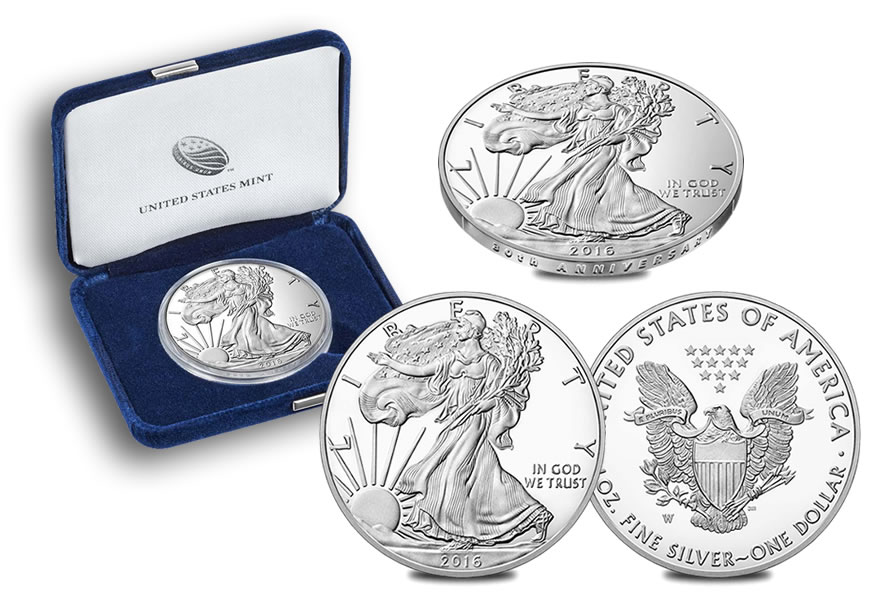 |
|
Pillar of the Community
United States
1027 Posts |
Terry, using your example of the gold Buffalo "Nickel" (really a $50 coin), there two distinct versions. The bullion version (current APMEX single price $1244 w/spot @ $1168) and the proof version (current APMEX single price $1517). The bullion coins are sold individually in flips, groups of 20 in mint tubes, and for the extremely well heeled, groups of 500 in sealed mint boxes. Only Authorized Purchasers can buy these 500 coin boxes from the mint The proof version is only sold individually directly by the mint to the public and there is no price break for quantity. It comes in a capsule in a very nice wood and leather box and bears the W mint mark of the West Point mint. Here are pictures of the two coins (all images are from the APMEX website): 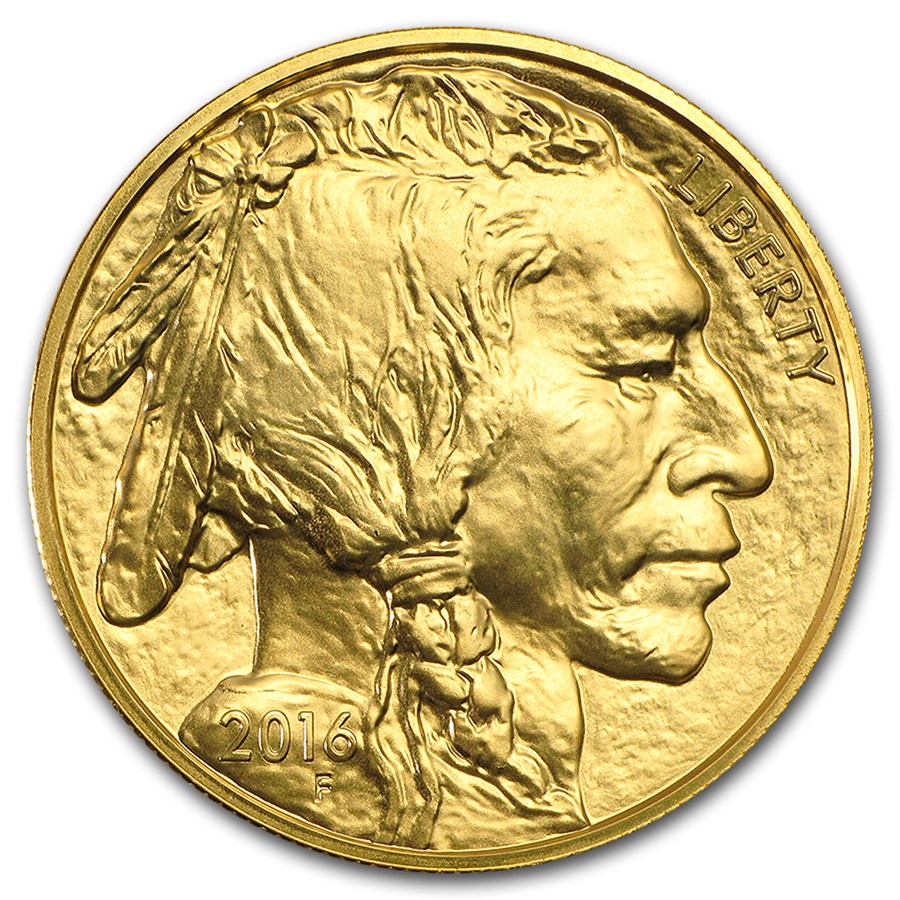 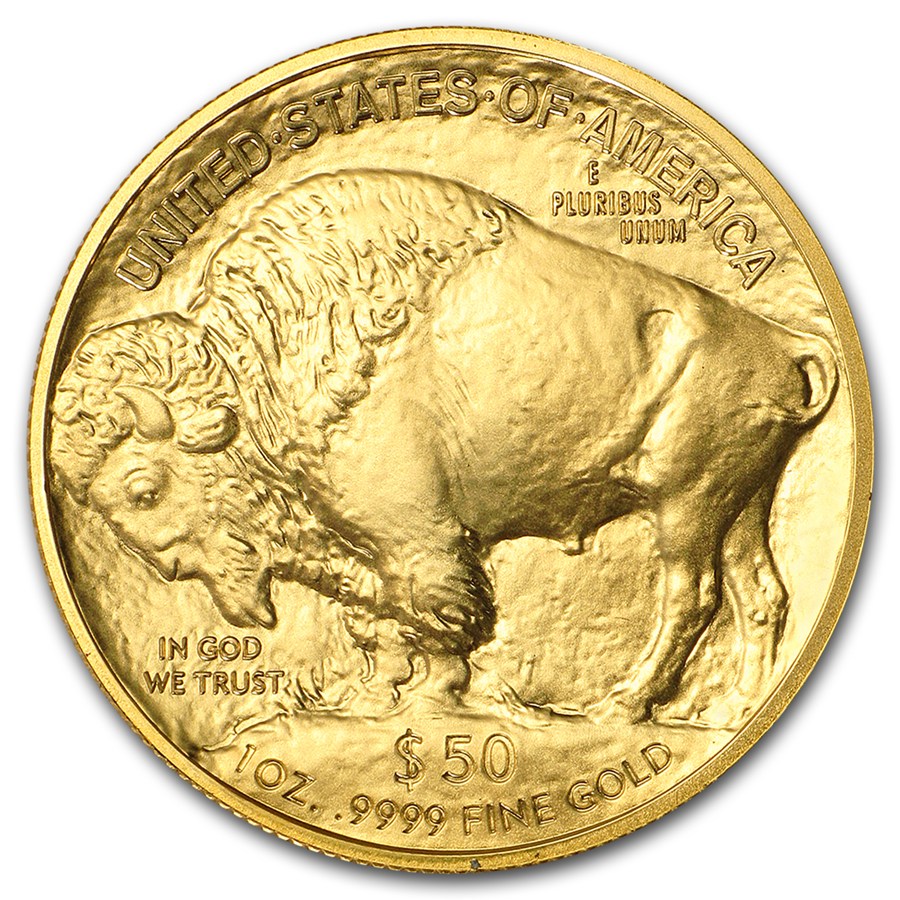 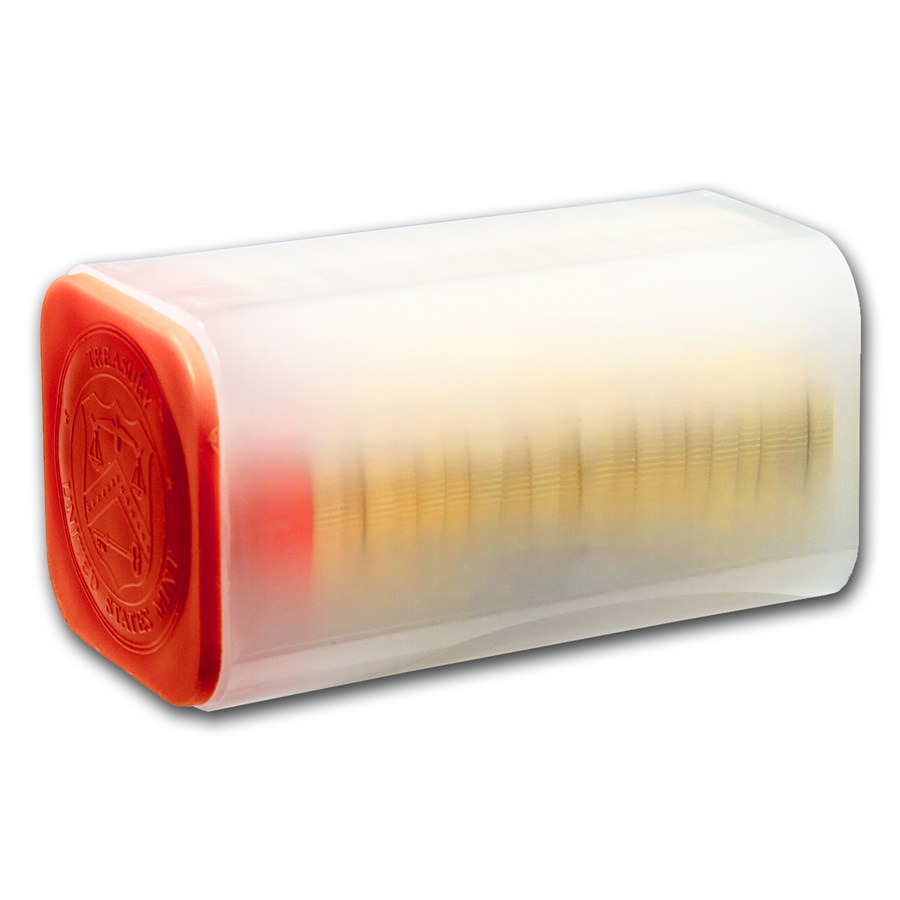 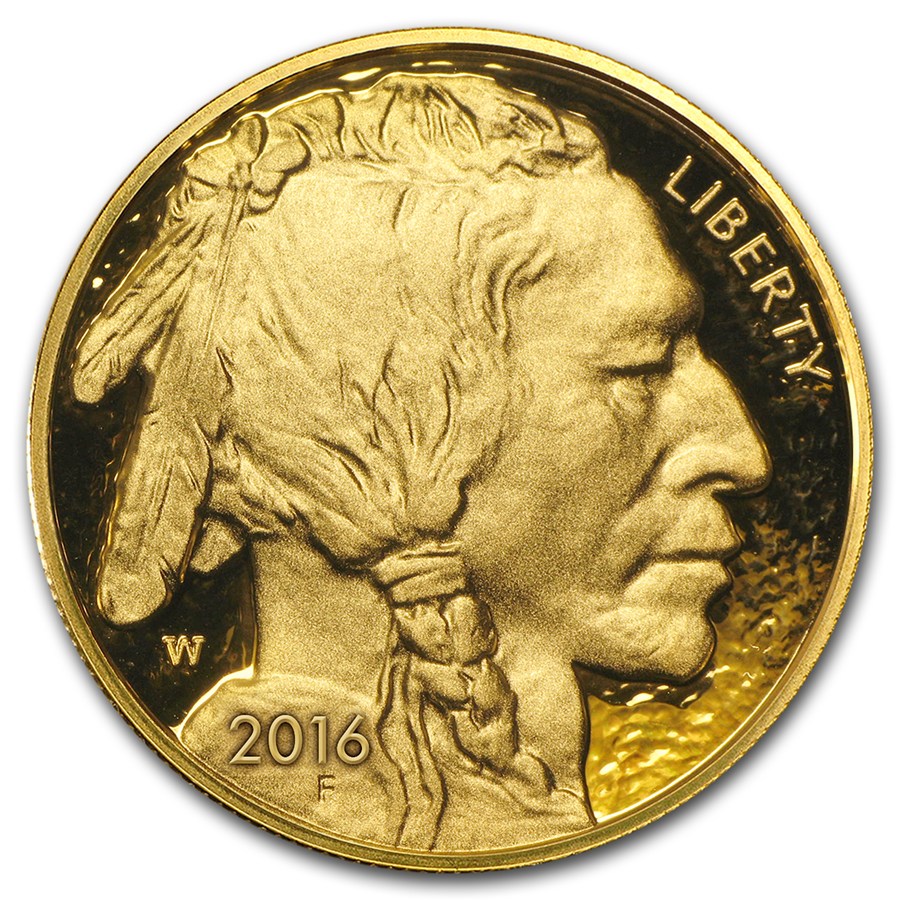 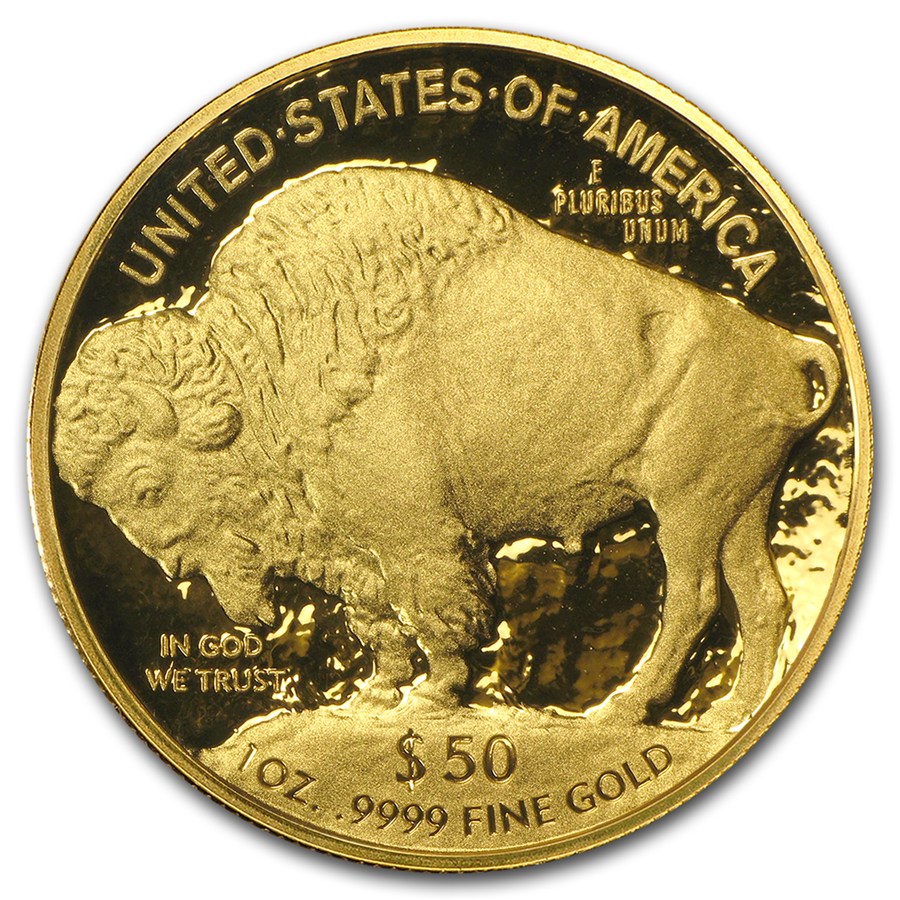 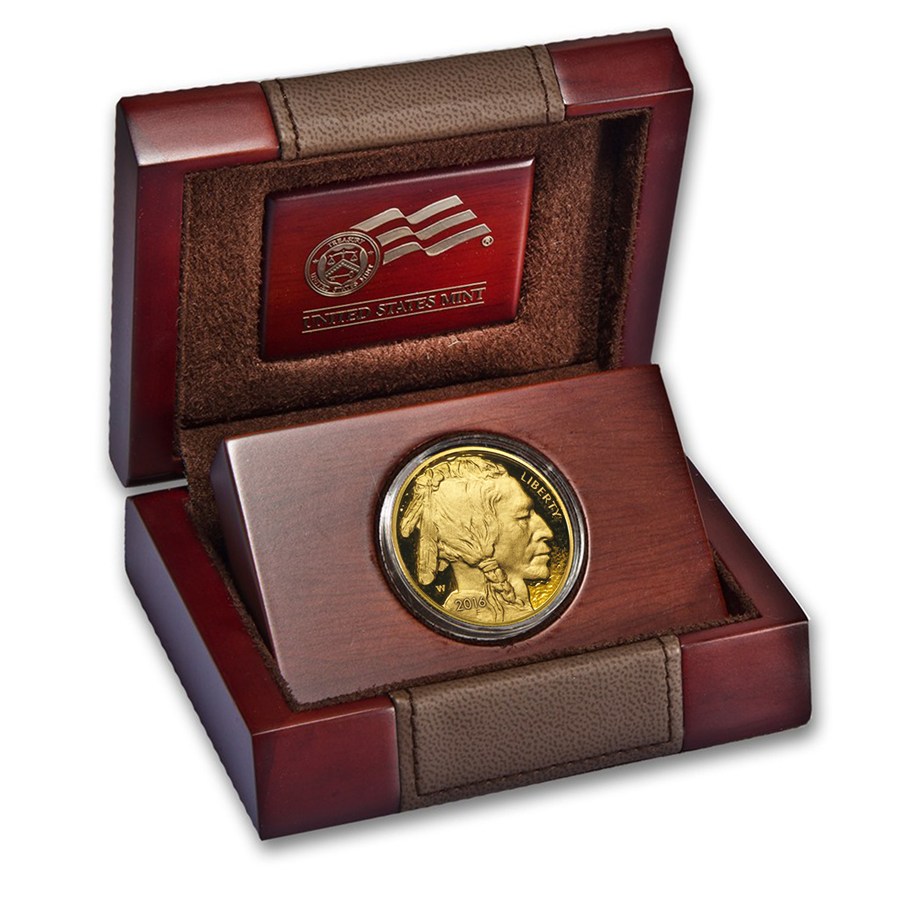 |
| |
Replies: 683 / Views: 60,644 |





 First Page
 Previous Page


 Posted 12/22/2016 1:19 pm





