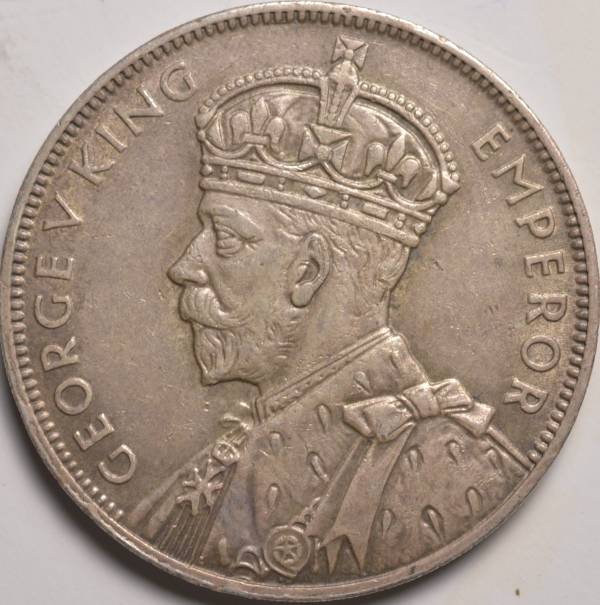
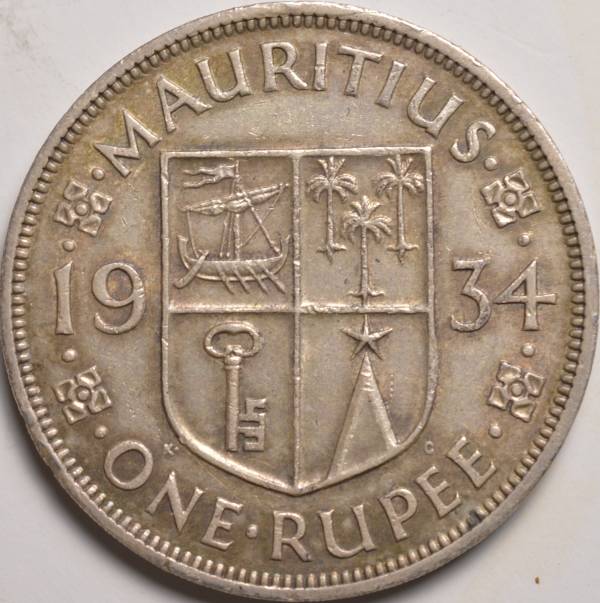
The security edge helped prevent both clipping and counterfeiting, in that it was difficult for either a clipper or counterfeiter to attempt to reproduce without expensive machinery. Which one it was primarily intended to prevent depends on the nature of the coin. For silver coins, clipping would be the main problem. For base-metal coins, counterfeiting would be the main problem.
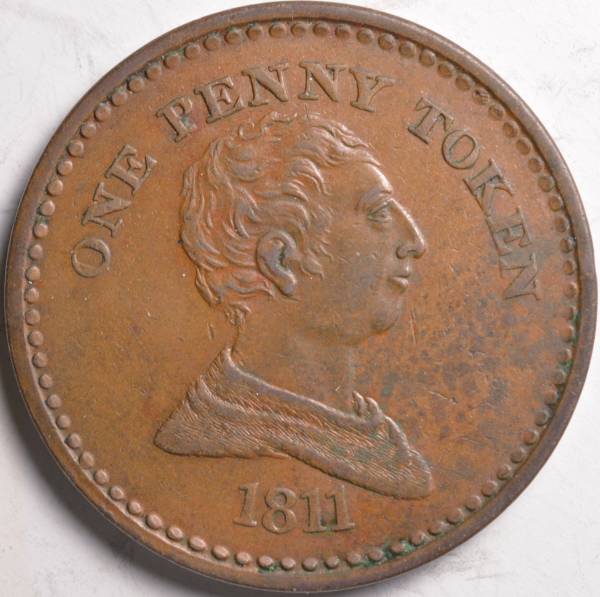
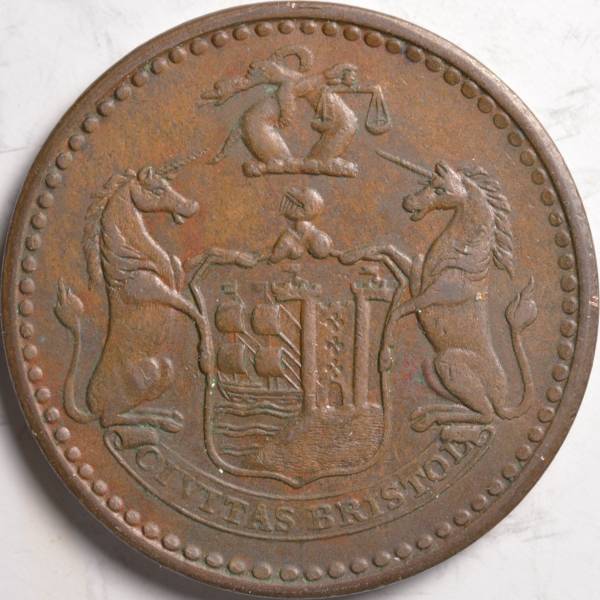
Boulton was attempting to prove to the British government that his steam-powered machinery could produce coins that were superior to the Mint's old-fashioned screw-pressed coins in every respect: his machine was faster, and the coins that could be made were both more attractive and more counterfeit-resistant. Counterfeiting of the bronze coinage was a major problem in England in the Napoleonic period; the lack of official coinage since the 1770s meant that by the 1790s, any official coins still in circulation were quite badly worn and the shortage meant that people were so desperate for small change that many folks didn't look too closely at the coinage.
Don't say "infinitely" when you mean "very"; otherwise, you'll have no word left when you want to talk about something really infinite. - C. S. Lewis













 Posted 06/13/2015 09:13 am



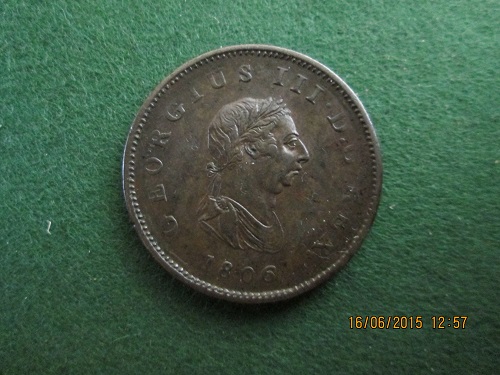
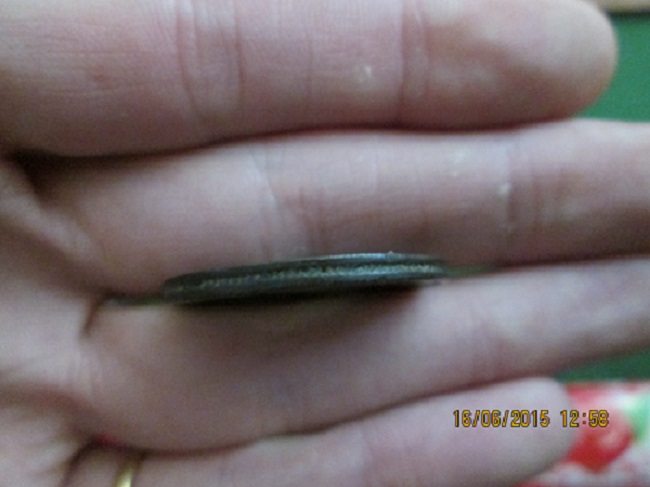

 .
.


