| Author |
 Replies: 9 / Views: 2,489 Replies: 9 / Views: 2,489 |
|
|
New Member
Australia
45 Posts |
Hey guys I found this about a year ago while detecting. It hard a hard layer of brownish stuff on which I could barely scrap off, but I managed to snap it in half. It was flakey and very bright and shiney silver. It wasnt very big before I snapped it maybe the size of a 5c piece and also quite thin around 3-5mm I did find another piece aswell which was more rounded about the size of a pea. Any help would be much appreciated thanks 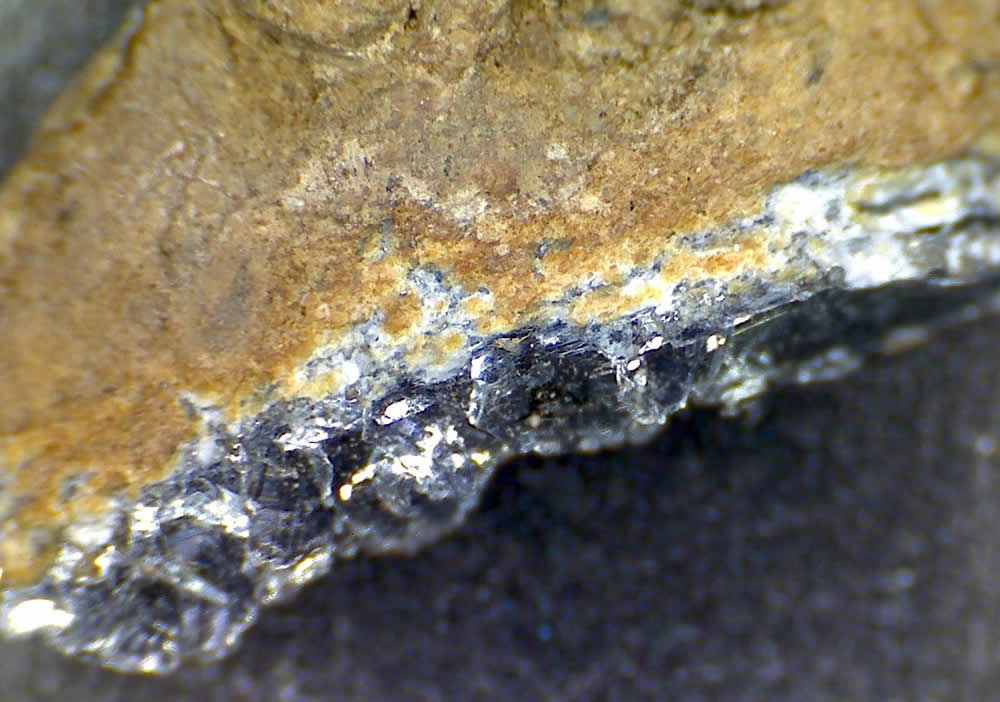 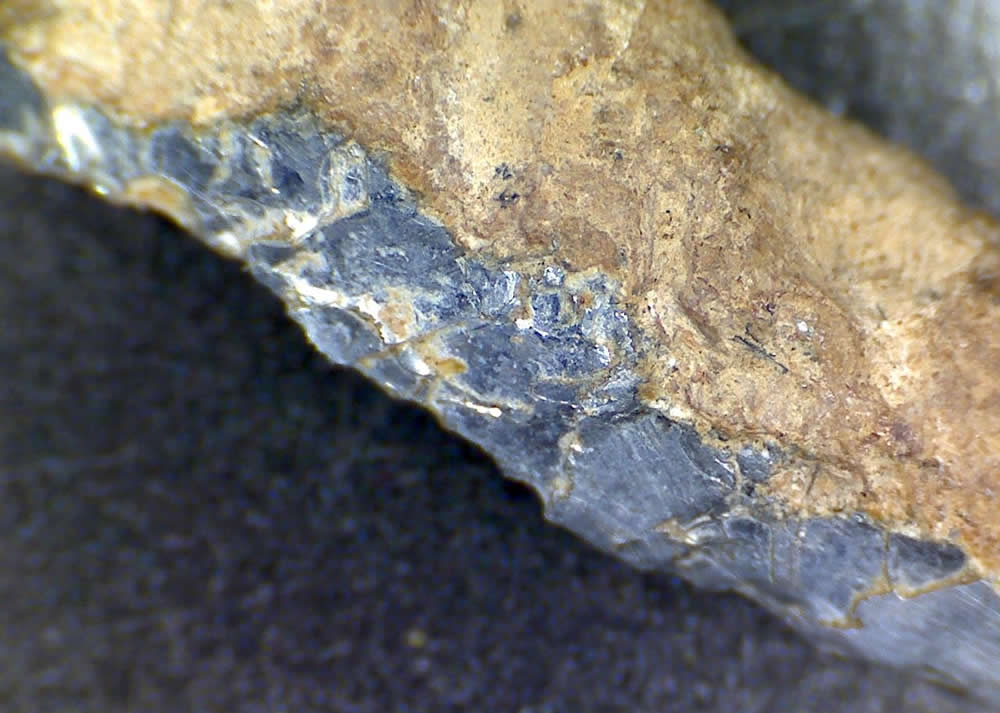 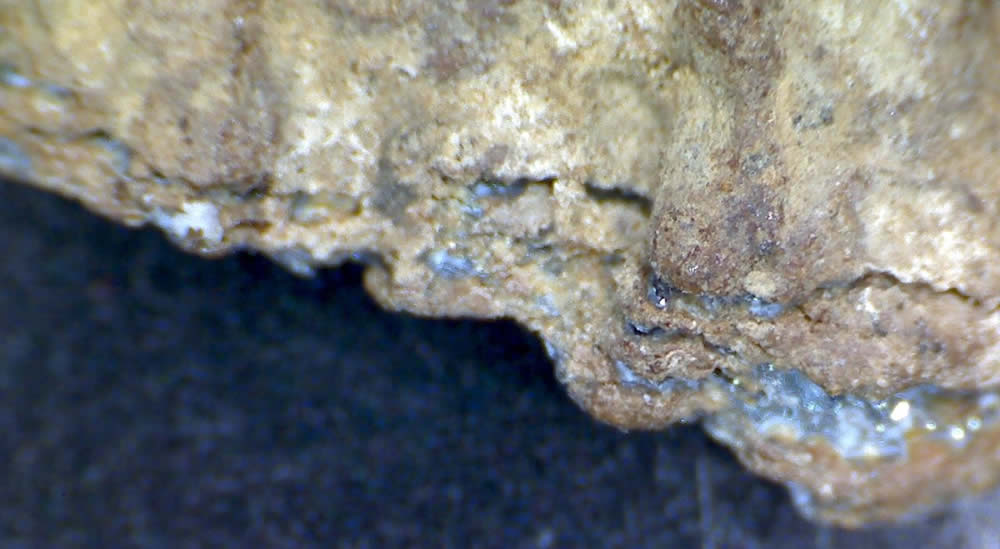 |
|
|
|
Valued Member
United States
201 Posts |
Depends on where you found it, but it looks like it could be Galena to me. If it is, as you say - flakey, it could be Mica.. Hard to tell from the pictures.
Mark
Edited by Mraderm946
08/11/2015 04:12 am
|
|
New Member
 Australia
45 Posts |
Can mica and galena be picked up with a metal detector? It was a good signal
Was found around Creswick in Victoria, Australia
The last picture is a view from the top and the cracks are where it was flaking when I broke it
Any ideas how I would find out what it actually is?
Thanks, Steve
|
|
Valued Member
United States
201 Posts |
I would think any university or school with a Geology Dept could tell you for sure. Access to either of those? Also, I believe that galena has lead qualities so a detector would likely react.
Mark
Edited by Mraderm946
08/11/2015 04:57 am
|
|
New Member
Australia
45 Posts |
Ill probably haave to take it to someone to find out, thanks for you help :)
|
|
Pillar of the Community
United States
5825 Posts |
My first guess would be a geode.
BUT
I have no idea if/how a detector would pick it up.
|
|
Pillar of the Community
 Canada
2361 Posts |
It's hard to say from these pics. You have to start by finding out some of the properties. Hardness (Mohs Scale - talc is 1, diamond is 10) Specific gravity (Galena would be a high SG 7.6 g/cm3) Crystal structure Luster - metalic Magnetism - galena is non magnetic Are there any lead mines in the area? Check out the picture in this page it looks alot like yours (plumbojarosite and galena) http://webmineral.com/specimens/pic....VcnqO_lVikoGeodes are usually round orbs with crystal structures in the interior like quartz and amethyst. |
|
Pillar of the Community
United States
595 Posts |
The first thing you should do is a streak test. scrape the shiny part of the mineral on some unglazed ceramic tile. The easiest place to find this may be the bottom of a coffee mug on the outer edge. The streak test will be a particular color. If the streak is reddish-brown, then you probably have hematite, which is iron oxide, or Fe2O3. Hematite sometimes does occur in very nice silver colored crystals, like you have, that are brittle and can be broken. If the streak is grey, it is likely galena, which is lead sulfide, or PbS. If it is galena, it will feel unnaturally heavy. There are many other mineral possibilities, but from what I can tell from the photos, those are the two best options among common minerals.
|
|
Valued Member
United States
134 Posts |
What sort of settings were you running on your detector when you found it? Did you have anything notched out?
Edited by SheltieGuy1966
08/12/2015 11:06 am
|
|
Pillar of the Community
Canada
2361 Posts |
Great advice on the streak test.
Sometimes hematite is in a very lustrous form called specularite, or specular hematite.
It has a metallic luster and red streak, specific gravity around 5.26, fairly heavy, mostly iron.
|
| |
Replies: 9 / Views: 2,489 |
|







 Posted 08/11/2015 04:22 am


