| Author |
 Replies: 147 / Views: 24,772 Replies: 147 / Views: 24,772 |
|
|
|
Pillar of the Community
United States
1609 Posts |
I almost wish I could post some pictures of newspaper my family found in the wall. Found 2 from 1922, 1 from 1923 Oklahoma (quite odd to find that in a Pennsylvania home), and a whole stack from 1928 (most of it shattered when taking it out of the wall  ) What stories they would tell. Sorry for the off-topic post here.  |
|
Bedrock of the Community
United States
10284 Posts |
Alphonso "Scarface" Capone becomes the boss in 1925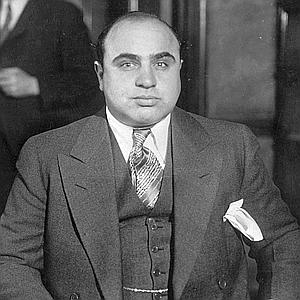 Al Capone went to work for Johnny Torrio, an influential lieutenant in the Colosimo Mob. Soon after, the leader, Big Jim Colosimo, was murdered and Johnny Torrio took over with Capone at his side. By 1922 Capone had become a full partner with Torrio in his gambling houses, saloons, and brothels. In 1925, after being seriously wounded, Torrio retired and Capone became boss. By then, rival gang members considered Capone ruthless, and posed little threat to his plans for taking over the Chicago "racketeering rights." Any rival gang posing a threat to his plans was either destroyed, or diminished greatly in size, leaving full reign to Capone. Today I found this 1925 S California Diamond Jubilee Half Dollar in the mail. 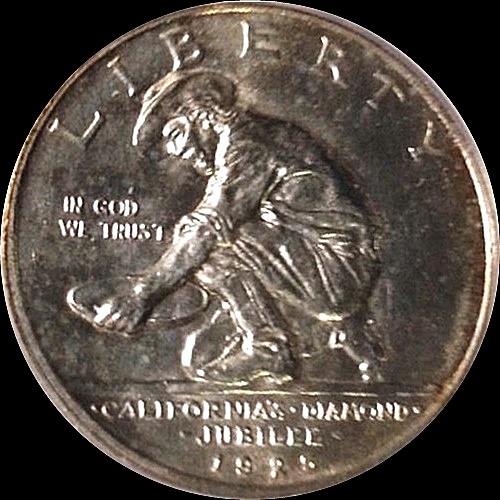 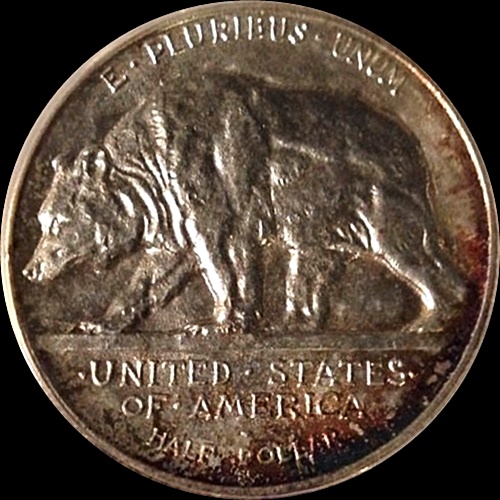 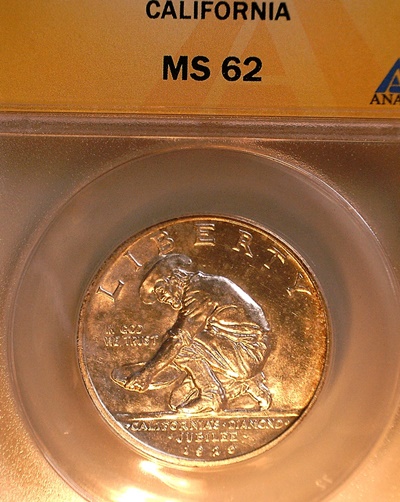 |
|
Moderator
 United States
34565 Posts |
When this coin was made...some Genoan explorer landed a few boats in The Bahamas. From wikipedia: Quote:
On the evening of 3 August 1492, Columbus departed from Palos de la Frontera with three ships: a larger carrack, the Santa María ex-Gallega ("Galician"), and two smaller caravels, the Pinta ("The Pint", "The Look", or "The Spotted One") and the Santa Clara, nicknamed the Niña ("Girl") after her owner Juan Niño of Moguer.[46] The monarchs forced the citizens of Palos to contribute to the expedition. The Santa María was owned by Juan de la Cosa and captained by Columbus. The Pinta and the Niña were piloted by the Pinzón brothers (Martín Alonso and Vicente Yáñez).[30]
Columbus first sailed to the Canary Islands, which belonged to Castile. He restocked provisions and made repairs in Gran Canaria, then departed from San Sebastián de La Gomera on 6 September, for what turned out to be a five-week voyage across the ocean. At about 2:00 in the morning of 12 October, a lookout on the Pinta, Rodrigo de Triana (also known as Juan Rodríguez Bermeo), spotted land, and immediately alerted the rest of the crew with a shout. Thereupon, the captain of the Pinta, Martín Alonso Pinzón, verified the discovery and alerted Columbus by firing a lombard.[47] Columbus later maintained that he himself had already seen a light on the land a few hours earlier, thereby claiming for himself the lifetime pension promised by Ferdinand and Isabella to the first person to sight land.[30][48]
Columbus called the island (in what is now The Bahamas) San Salvador; the natives called it Guanahani. Exactly which island in the Bahamas this corresponds to is unresolved. Based on primary accounts and on what one would expect from the geographic positions of the islands given Columbus's course, the prime candidates are San Salvador Island (so named in 1925 on the theory that it was Columbus's San Salvador),[49] Samana Cay, and Plana Cays.[30] 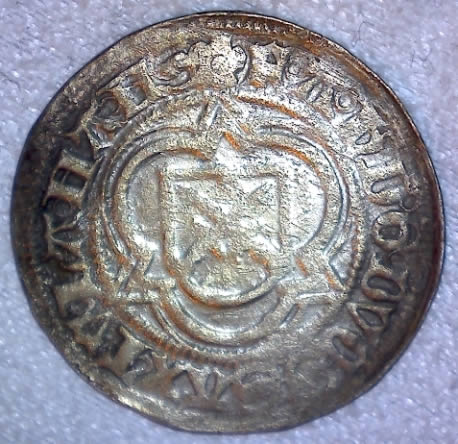 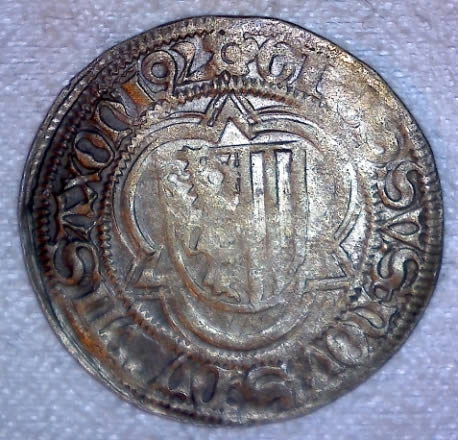 "If you climb a good tree, you get a push."
-----Ghanaian proverb
"The danger we all now face is distinguishing between what is authentic and what is performed."
-----King Adz
|
|
Pillar of the Community
United States
3344 Posts |
Awesome stuff, folks. Keep it coming!
"Nummi rari mira sunt, si sumptus ferre potes." - Christophorus filius Scotiae
|
|
Bedrock of the Community
United States
10284 Posts |
As per request 1918 RMS CarpathiaRMS Carpathia was a Cunard Line transatlantic passenger steamship built by Swan Hunter & Wigham Richardson. Carpathia made her maiden voyage in 1903 from Liverpool to Boston (Massachusetts), and continued on this route before being transferred to Mediterranean service in 1904. In 1912, she became famous for rescuing the survivors of rival White Star Line's RMS Titanic after it struck an iceberg and sank with a loss of 1,517 lives. Carpathia braved dangerous ice fields and diverted all steam power to her engines in her rescue mission. She arrived two hours after Titanic had sunk and was able to rescue 705 survivors from the ship's lifeboats. Carpathia herself was sunk on 17 July 1918 after being torpedoed by the German submarine U-55 off the Irish coast in World War I. Five of her crew lost their lives in the sinking. 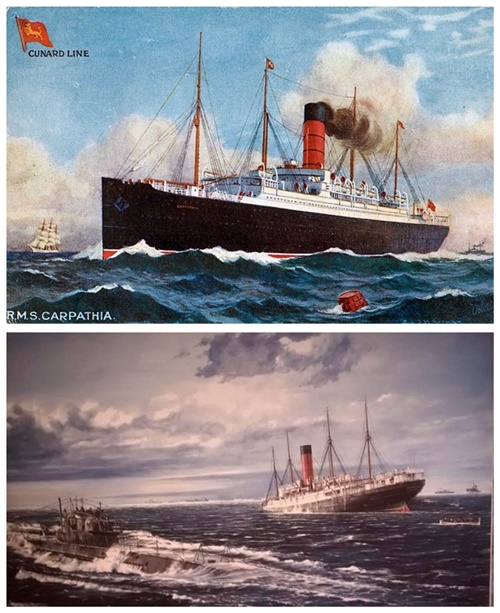 I happened to add the 1918 Lincoln Illinois Commemorative Half Dollar to my collection just to post this history. ( I do have a postcard of the Lusitania and if I can find it will tonight, I will edit and add to this post. ) 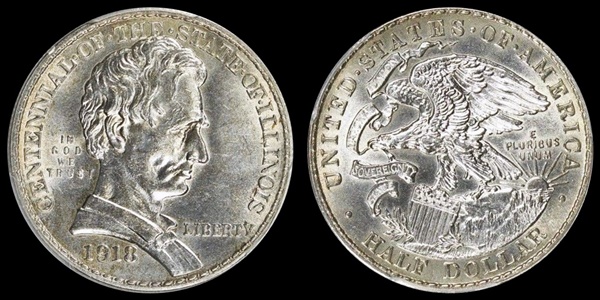 Found my postcard of the Lusitania postmarked 1908 Found my postcard of the Lusitania postmarked 1908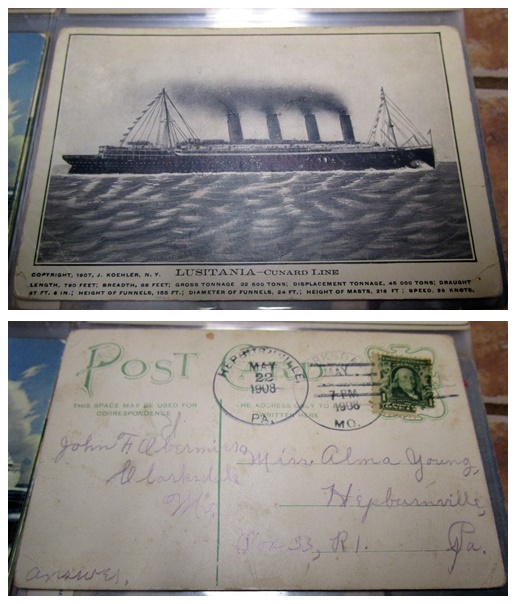 Edited by TNG
08/03/2017 10:11 pm
|
|
Bedrock of the Community
United States
12477 Posts |
That postcard is very cool.  I always like examining handwriting styles from the past. In Memory of Crazyb0 12-26-1951 to 7-27-2020
In Memory of Tootallious 3-31-1964 to 4-15-2020
In Memory of T-BOP 10-12-1949 to 1-19-2024
|
|
Bedrock of the Community
United States
10284 Posts |
Lester Flatt and Earl Scruggs played The Ballad of Jed Clampett written as the theme song for the TV series The Beverly Hillbillies ( loved that show ) when it made it's debut in 1962. 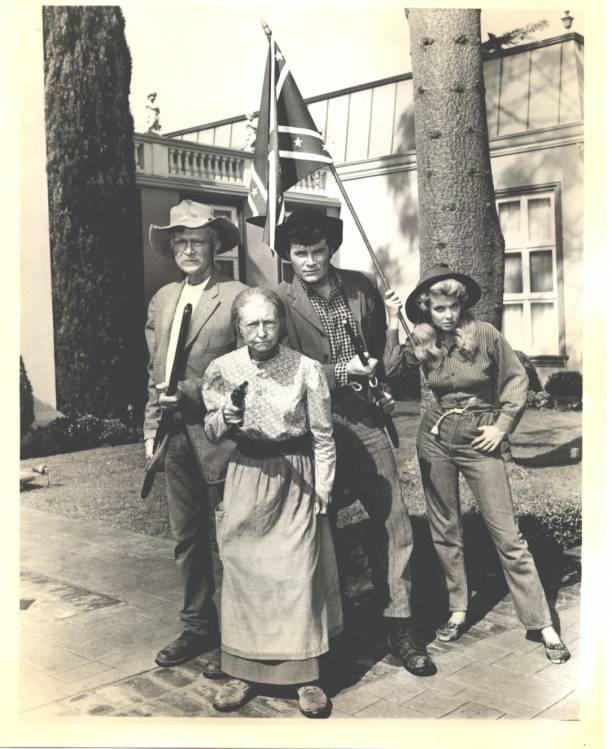 The next year was another dandy spin off of sorts, Petticoat Junction which led to Green Acres a couple years later, but those are for another post. Back in those days the Franklin half dollar would circulate in Bug Tussle, Hooterville, Pixley and Crabwell Corners as well as it did in Hollywood. This one did not so it is making a cameo appearance here in this thread. 1962 Franklin Proof Half DollarIt resides in a PNG holder with an official ANA PF65 grade but no mention of frosting or cameo. 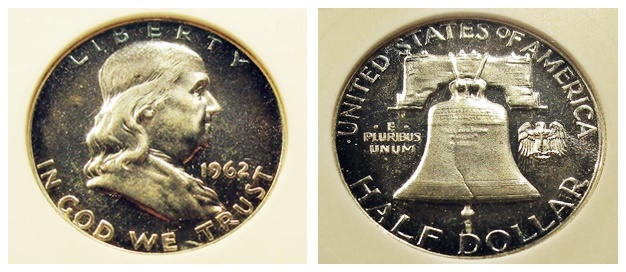 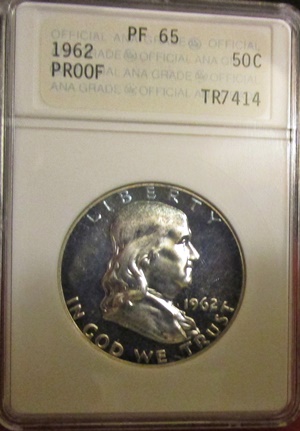 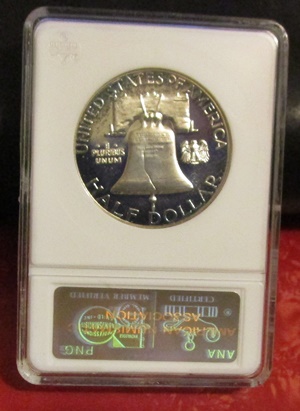 Ya'll come back now ... ya hear? Edited by TNG
08/04/2017 12:42 am
|
|
Moderator
United States
196778 Posts |
Fantastic stuff. |
|
Bedrock of the Community
United Kingdom
18984 Posts |
England 1605 sixpence: 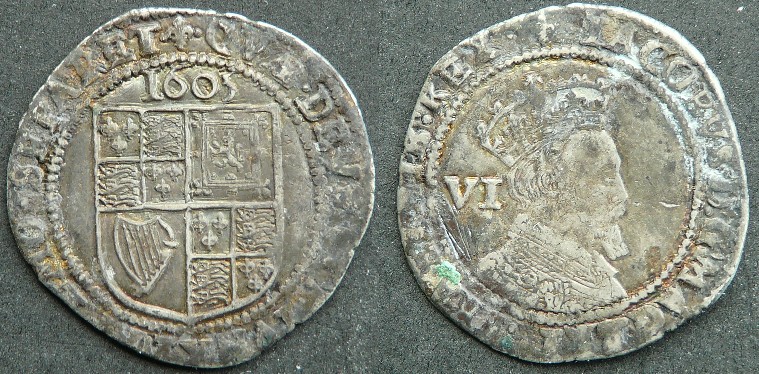 November 5, 1605 is a date forever remembered in English history as the day of the Gunpowder Plot. The plot was a failed attempt by a group of English Catholics to blow up the King and the House of Lords during the State Opening of Parliament. While Robert Catesby was leader of the rebels, it is Guy Fawkes, who actually planted the explosives, who is remembered as the plotter. The plot was leaked to the authorities in an anonymous letter and Fawkes was discovered in the basement of the House of Lords with 36 barrels of gunpowder. To this day, English families still hold bonfire parties with fireworks on or around the fifth of November, and effigies of Guy Fawkes are burned on the fire. As the saying goes: "Remember, Remember the Fifth of November: Gunpowder, Treason and Plot!" The Gunpowder Plot was also commemorated by a British bimetallic two-pound coin in 2005. |
|
Bedrock of the Community
United States
10284 Posts |
Elvis Presley's 1955 Pink Cadillac 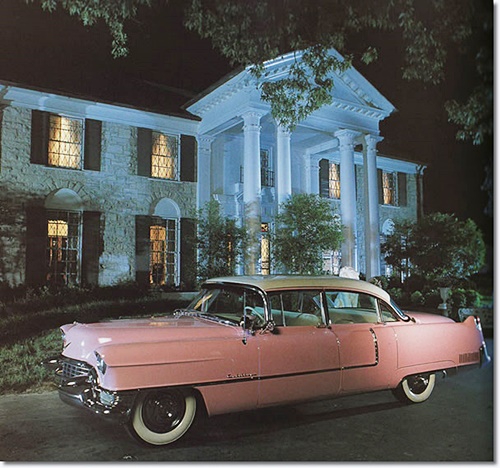 On July 7, 1955 Elvis purchased his second Pink Cadillac, a new 1955 Cadillac Fleetwood Series 60 in blue with black roof, to replace the Cadillac that was burned. He had the car repainted by a neighbor who designed a pink color for Elvis and named the color 'Elvis Rose'. This is the one that he gave to his mother, probably the most famous car in the world. Gladys Presley would always proudly point to it as 'her' car. Gladys Presley never had a driver's license and Elvis drove the car with the members of his band for most of 1955 - 1956. They had a serious accident in Texarkana, Texas on September 2, 1955. Scotty Moore drove the pink and black Cadillac Fleetwood into an oncoming vehicle that was in the process of passing a pickup truck. Scotty recalls the Cadillac as requiring approximately $1,000 worth of repairs. In February 1956, Elvis had the upholstery replaced as well as getting some paint work done. This may well have been when the black roof is painted white. 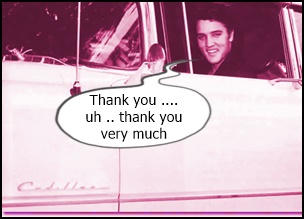 A chunk of info taken from ELVIS AUSTRALIA A chunk of info taken from ELVIS AUSTRALIA
Official Elvis Presley fan ClubAnd here's something else from Australia My nice 1955 Half Penny 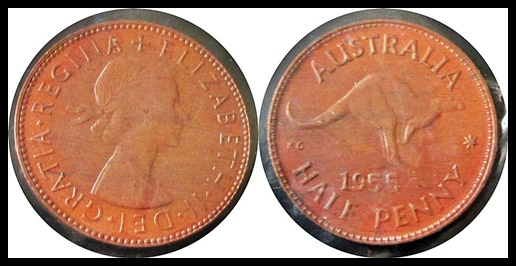 Edited by TNG
08/04/2017 3:04 pm
|
|
Bedrock of the Community
United States
10284 Posts |
When this 1803 US Large Cent was made .... 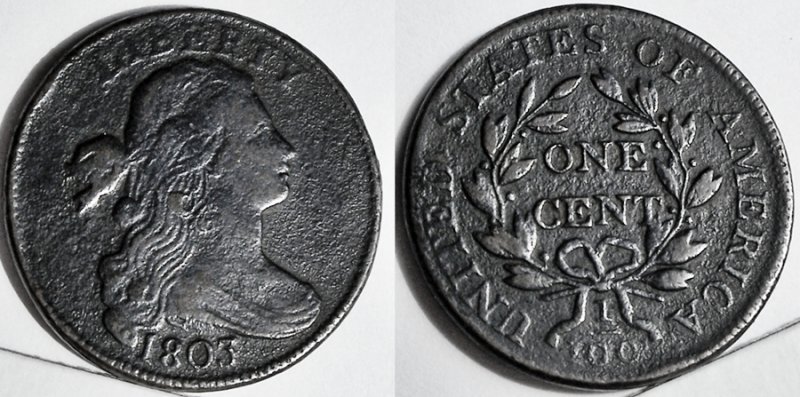 In 1803 the United States negotiated the purchase of the Louisiana Territory from France for $15 million. With a stroke of a pen America doubled in size, making it one of the largest nations in the world. Thomas Jefferson was president. 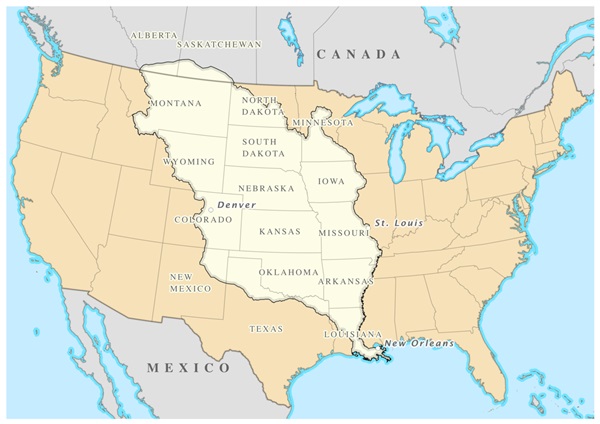 |
|
Moderator
United States
34565 Posts |
When this coin was made...the French and English were getting into a(nother) tiff. At this time, William Duke of Normandy became William the Conqueror. From wikipedia: Quote:The Battle of Hastings  was fought on 14 October 1066 between the Norman-French army of William, the Duke of Normandy, and an English army under the Anglo-Saxon King Harold Godwinson, beginning the Norman conquest of England. It took place approximately 7 miles (11 kilometres) northwest of Hastings, close to the present-day town of Battle, East Sussex, and was a decisive Norman victory. The background to the battle was the death of the childless King Edward the Confessor in January 1066, which set up a succession struggle between several claimants to his throne. Harold was crowned king shortly after Edward's death, but faced invasions by William, his own brother Tostig and the Norwegian King Harald Hardrada (Harold III of Norway). Hardrada and Tostig defeated a hastily gathered army of Englishmen at the Battle of Fulford on 20 September 1066, and were in turn defeated by Harold at the Battle of Stamford Bridge five days later. The deaths of Tostig and Hardrada at Stamford Bridge left William as Harold's only serious opponent. While Harold and his forces were recovering, William landed his invasion forces in the south of England at Pevensey on 28 September 1066 and established a beachhead for his conquest of the kingdom. Harold was forced to march south swiftly, gathering forces as he went. The exact numbers present at the battle are unknown; modern estimates are around 10,000 for William and about 7,000 for Harold. The composition of the forces is clearer; the English army was composed almost entirely of infantry and had few archers, whereas only about half of the invading force was infantry, the rest split equally between cavalry and archers. Harold appears to have tried to surprise William, but scouts found his army and reported its arrival to William, who marched from Hastings to the battlefield to confront Harold. The battle lasted from about 9 am to dusk. Early efforts of the invaders to break the English battle lines had little effect; therefore, the Normans adopted the tactic of pretending to flee in panic and then turning on their pursuers. Harold's death, probably near the end of the battle, led to the retreat and defeat of most of his army. After further marching and some skirmishes, William was crowned as king on Christmas Day 1066. Here is a denier of France minted in Orleans between 1060 and 1108 AD. Orleans is outside of Normandy, so I'm doubtful that any soldiers carried this around in their pocket during the battles, but it's the geographically-closest coin in my collection from this time period. The attribution is Duplessy-50. 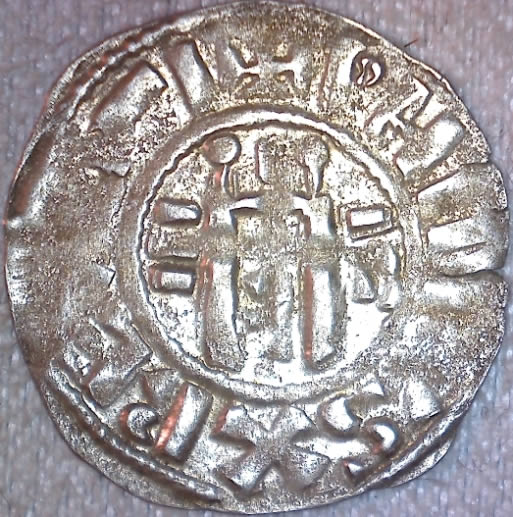 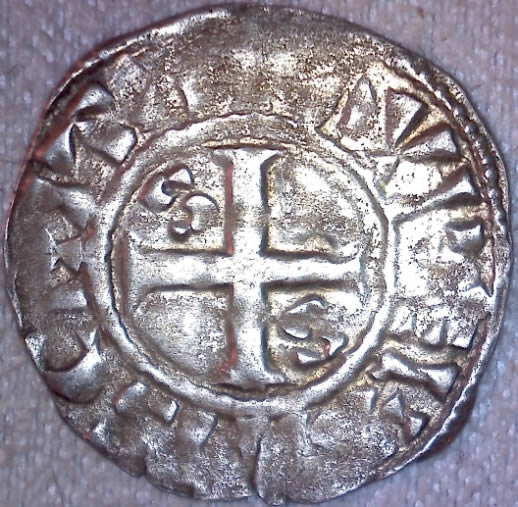 "If you climb a good tree, you get a push."
-----Ghanaian proverb
"The danger we all now face is distinguishing between what is authentic and what is performed."
-----King Adz
|
|
Bedrock of the Community
United States
10284 Posts |
Those two coins the denier and sixpence are awesome and the stories very interesting.
They had government "leaks" back in 1605 and the smart money is always on a bigger army.
Can you just imagine the carnage?
|
|
Valued Member
Lithuania
386 Posts |
Lithuanian half-groat of Alexander Jagiellon, undated, about 1495-1498. When this coin was made,Christofer Columbus planned his third voyage to New World. 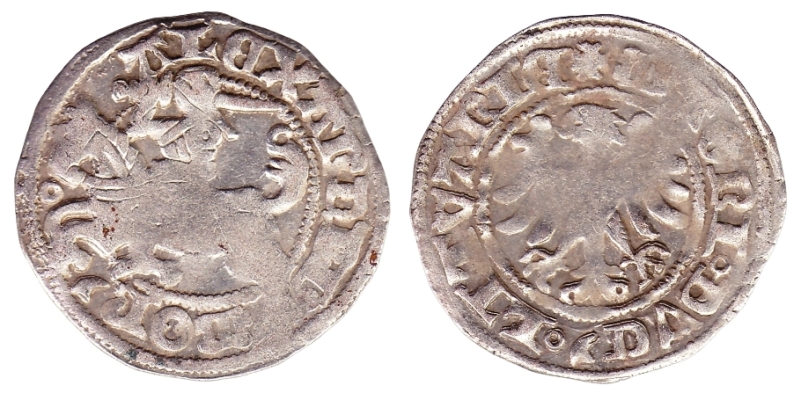 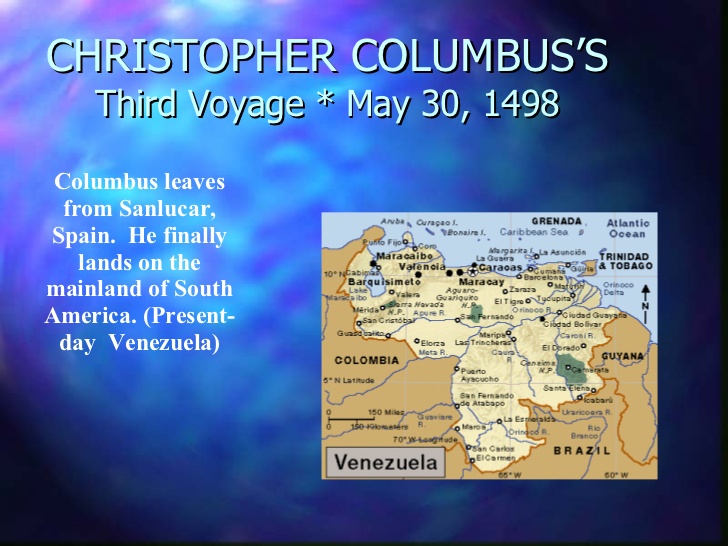 |
|
Bedrock of the Community
United States
10284 Posts |
1836 - Battle of the AlamoDeaths of Davy Crockett and Jim Bowie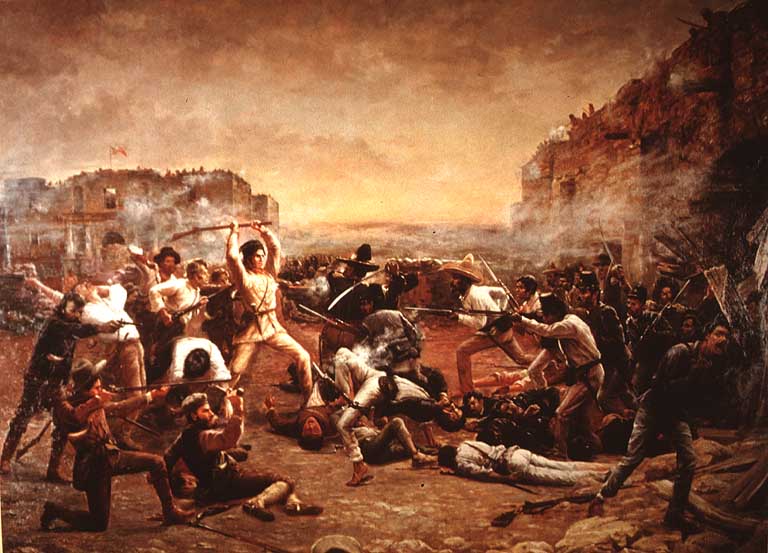 Davy Crockett Davy Crockett Weeks after the battle, stories began to circulate that Crockett was among those who surrendered and were executed by Santa Anna. However, Ben, a former American slave who acted as cook for one of Santa Anna's officers, maintained that Crockett's body was found in the barracks surrounded by "no less than sixteen Mexican corpses", with Crockett's knife buried in one of them.
I'll choose to go along with that version.Historians disagree on which story is accurate. According to Petite: Quote:
"Every account of the Crockett surrender-execution story comes from an avowed antagonist (either on political or military grounds) of Santa Anna's. It is believed that many stories, such as the surrender and execution of Crockett, were created and spread in order to discredit Santa Anna and add to his role as villain." Jim BowieBowie had been ill, and two doctors, including the fort surgeon, were unable to diagnose his illness. Bowie was confined to bed. Santa Anna and his army began a siege of the Alamo on February 24. The Mexican army raised a red flag to warn the defenders that no quarter would be given. David Crockett reported that Bowie, though suffering from his affliction, continued to crawl from his bed around noon every day and presented himself to the Alamo's inhabitants, which much boosted the morale of his comrades. Bowie perished with the rest of the Alamo defenders on March 6, when the Mexicans attacked. Most of the noncombatants in the fort, including Bowie's relatives, survived. Santa Anna ordered the alcalde of San Antonio, Francisco Antonio Ruiz, to confirm the identities of Bowie and Crockett. After first ordering that Bowie be buried, as he was too brave a man to be burned like a dog, Santa Anna later had Bowie's body placed with those of the other Texians on the funeral pyre. When Bowie's mother was informed of his death, she calmly stated, "I'll wager no wounds were found in his back."
Various eyewitnesses to the battle gave conflicting accounts of Bowie's death. A newspaper article claimed that a Mexican soldier saw Bowie carried from his room on his cot, alive, after the conclusion of the battle. The soldier maintained that Bowie verbally castigated a Mexican officer in fluent Spanish, and the officer ordered Bowie's tongue cut out and his still-breathing body thrown onto the funeral pyre. This account has been disputed by numerous other witnesses, and it is thought to have been invented by the reporter. Other witnesses maintained that they saw several Mexican soldiers enter Bowie's room, bayonet him, and carry him, alive, from the room. Various other stories circulated, with some witnesses claiming that Bowie shot himself and others saying he was killed by soldiers while too weak to lift his head. Alcalde Ruiz said that Bowie was found "dead in his bed." According to Wallace O Chariton, The "most popular, and probably the most accurate" version is that Bowie died on his cot, "back braced against the wall, and using his pistols and his famous knife."
I prefer to believe this story myself and that his mother was right.That was what happened the year this coin was made.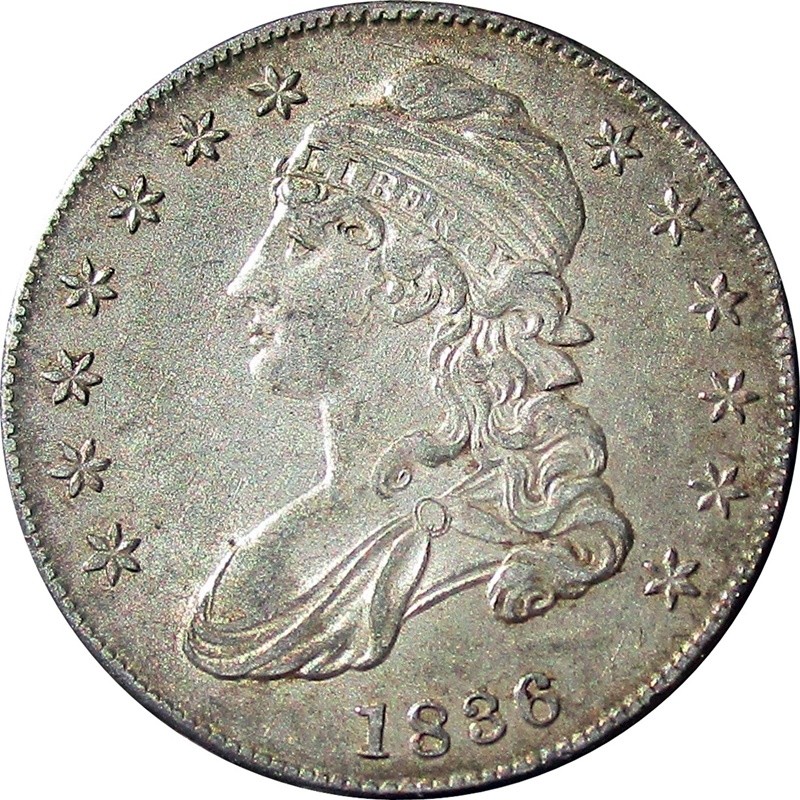 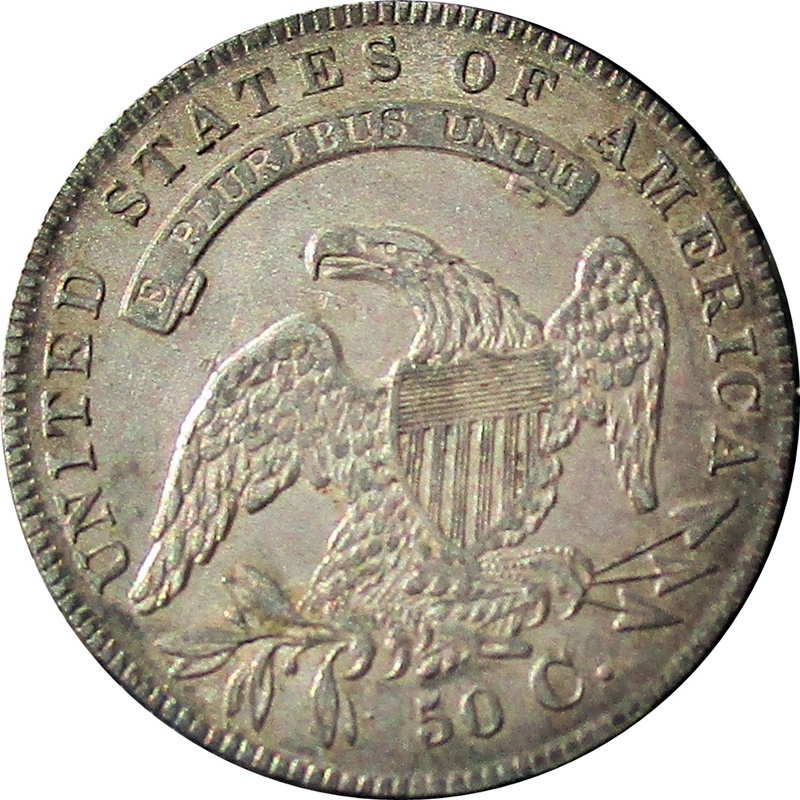
Edited by TNG
08/07/2017 11:57 am
|
| |
Replies: 147 / Views: 24,772 |
To participate in the forum you must log in or register.
Disclaimer: While a tremendous amount of effort goes into ensuring the accuracy of the information contained in this site, Coin Community assumes no liability for errors. Copyright 2005 - 2026 Coin Community Family- all rights reserved worldwide. Use of any images or content on this website without prior written permission of Coin Community or the original lender is strictly prohibited.
Contact Us | Advertise Here | Privacy Policy / Terms of Use
|
| Coin Community Forum |
© 2005 - 2026 Coin Community Forums |
| It took 0.49 seconds to rattle this change. |
 |
|





 First Page
 Previous Page


 Posted 08/03/2017 6:30 pm


