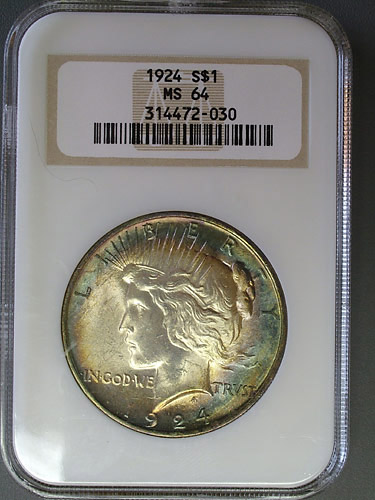
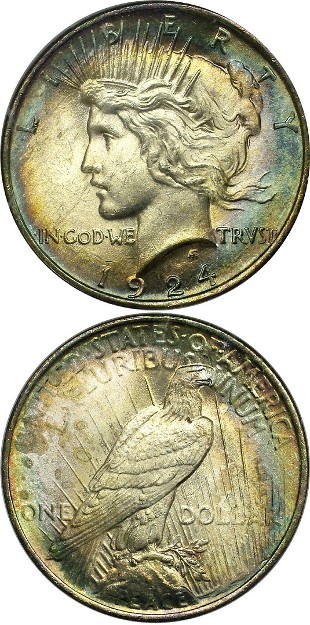
Quote:
If a coin was gassed to produce the toning (especially in the holder), would there be a residual left on the coins surface that would promote continued toning? If the toning is induced through an applied liquid (like an ms70 on copper), would not any residual left have the same effect? As far as heat, I don't know.
Just some thoughts, can't say I have ever messed around with any of this, and most of what I have learned has been from people who have been around for much longer than I and whose opinions I respect.
I'm reaching into the theoretical here, because I only know enough chemistry to get myself into serious, unrecoverable trouble.

Toning is a chemical reaction, requiring the presence of two or more interacting chemicals. Any reaction which continues after the initial "application" is proof positive that all those ingredients remained present, whether it be residual stuff left gaseously wandering the inside of a slab, or deposited on the surface, or even introduced during poor-condition storage afterwards. I think it safe to say that only Morgans have a sizable percentage of toning artifacts created during Mint storage; pretty much all the rest of "NT" adjudications are subsequent to the circumstances under which "civilian" owners of the coins held them - atmospheric conditions, storage media.
Coins change hands, and the circumstances - and relative moral purity - of the owners differ. The simple fact that
intent can be the only determiner between "AT" and "NT" remains, because the physical laws of chemistry are unchanging. Whether you do it deliberately or not, the color only comes from a specific chemical process. Even if done deliberately, done right
there is absolutely no way to tell the difference, and the only reason we can identify coins as "AT" is if the person doing it either uses flawed technique or has too little patience.
If you're willing to take a month about it instead of 24 hours, and choose your subjects carefully,
90% of your deliberate work will be NT because it can't be differentiated from NT. Fortunately for us, too few of the miscreants are willing to put in the work.
So the proper definition of toning is "market acceptable" or "not." Neither you, I or anyone else can tell when it's deliberately done right, because there is no physical difference.
Here's a couple of examples for you. First, a poster child for what MS70 is thought to do to copper (and a hint about the role photography plays in evaluation):
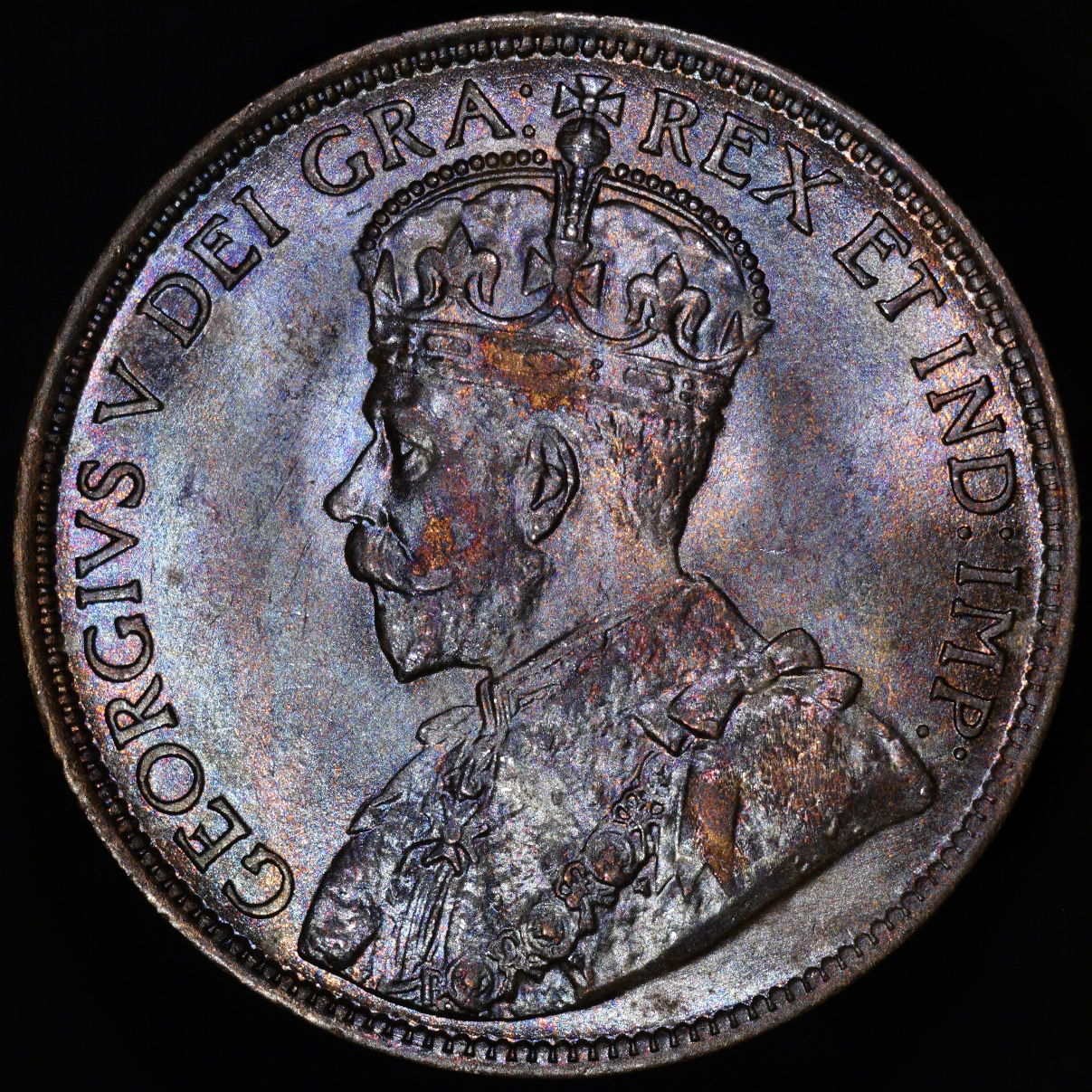
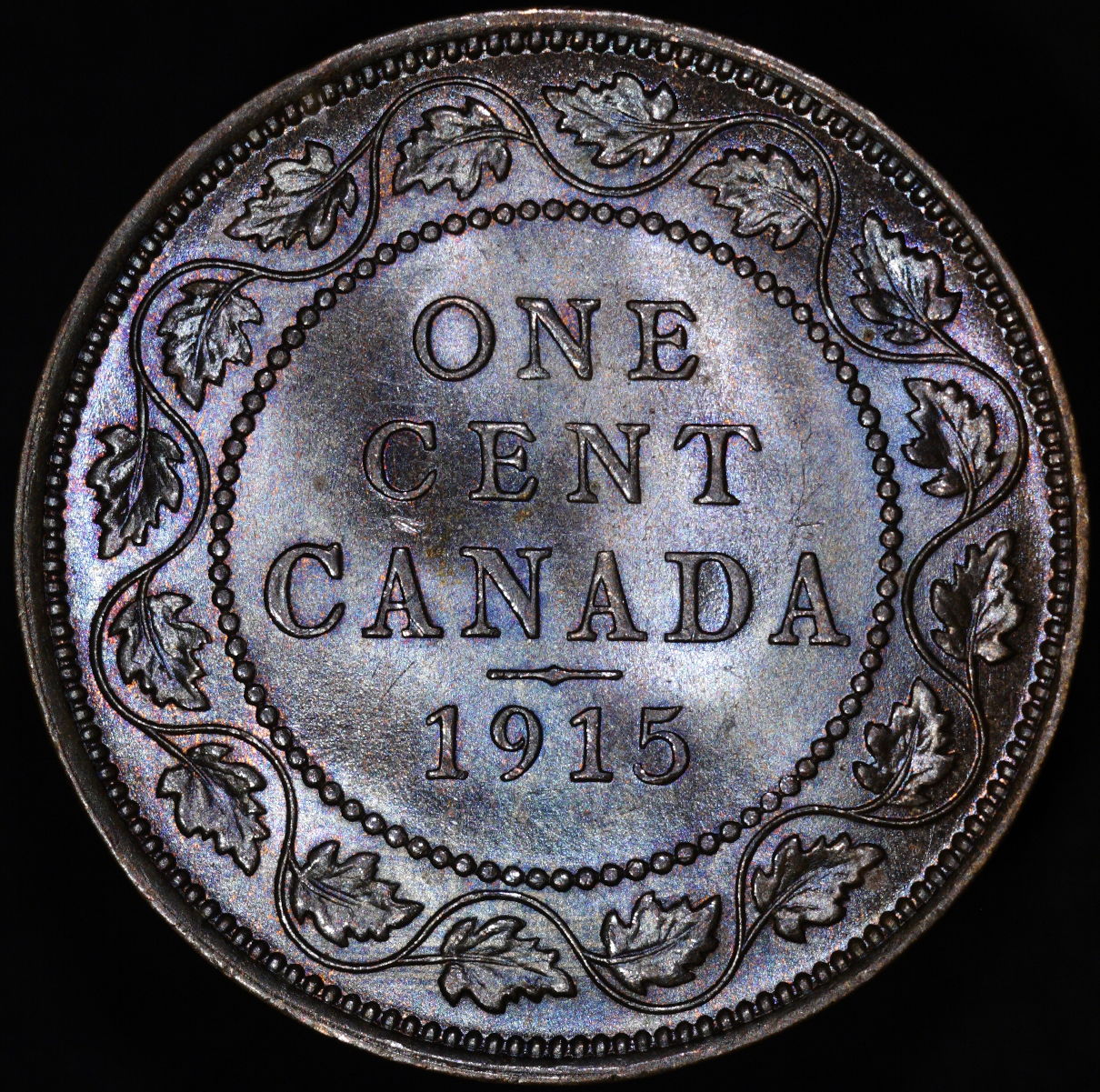
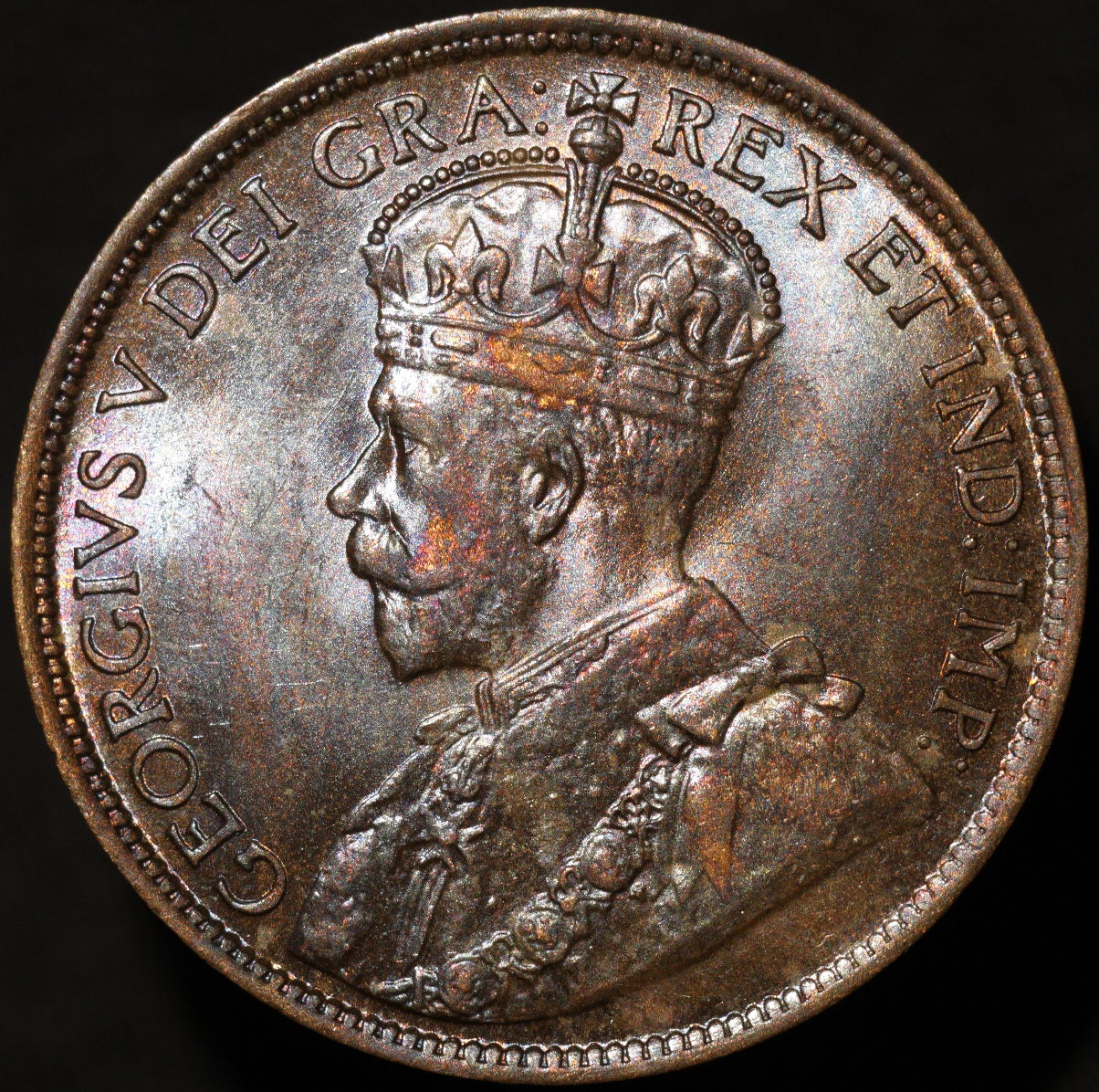
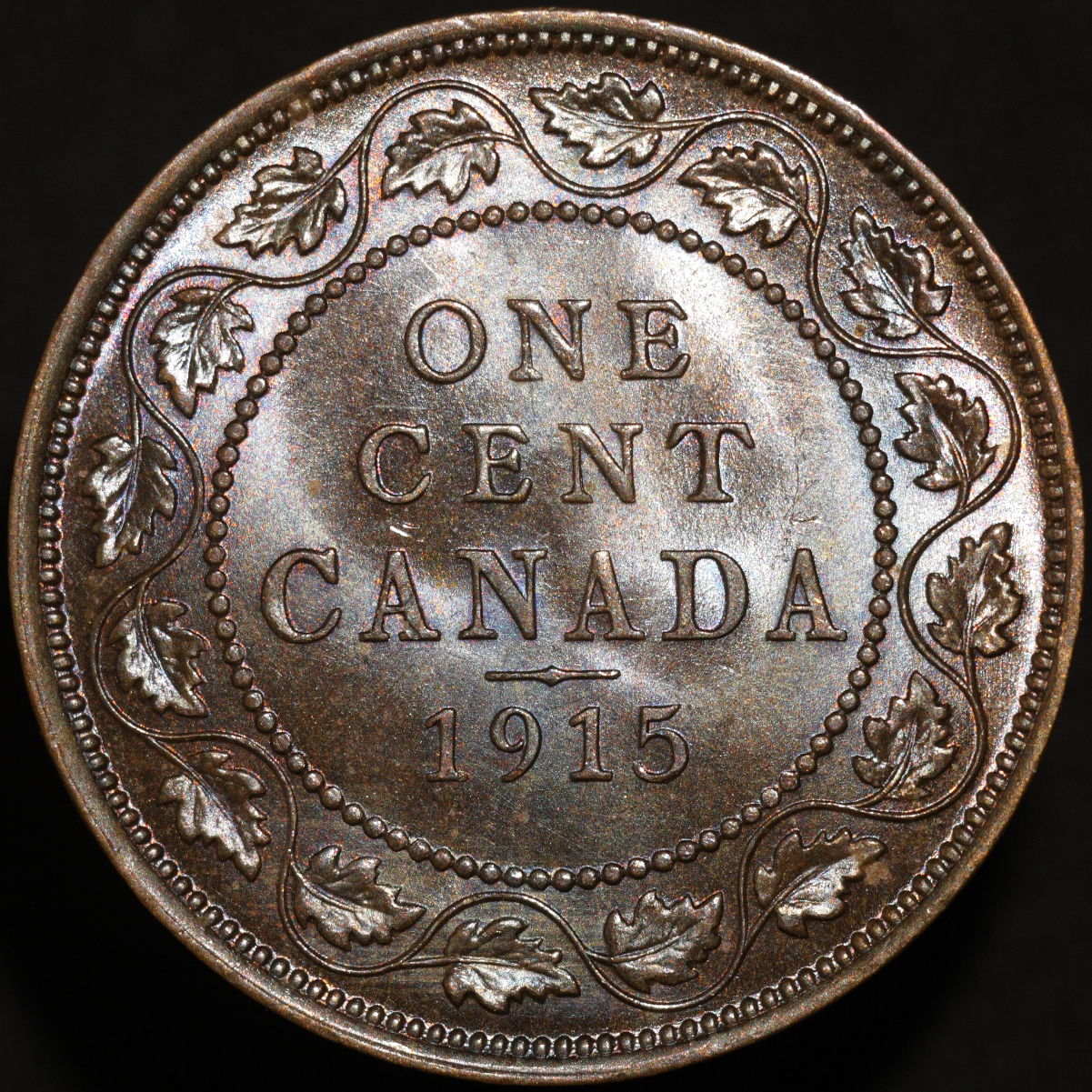
AT, or NT? Blue, or Brown? I'll never know for sure; I've only owned it for a few months of its' 102 years of life. I_do_know that I willingly paid more for this coin, raw, than any of my other LC's....who cares if it was MS70'd, or not? It is hands-down the most beautiful coin I own. Here's Number Two:
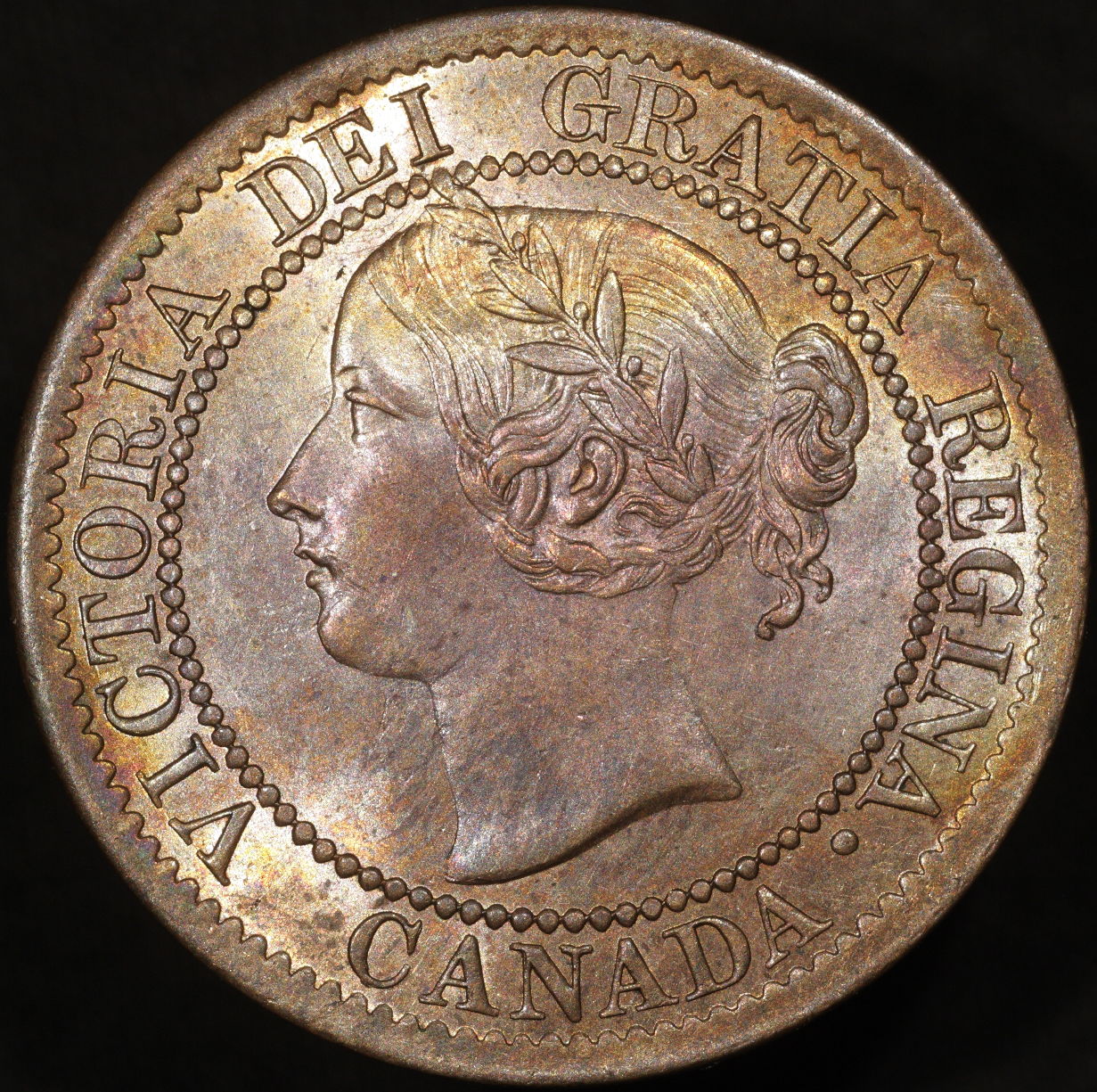
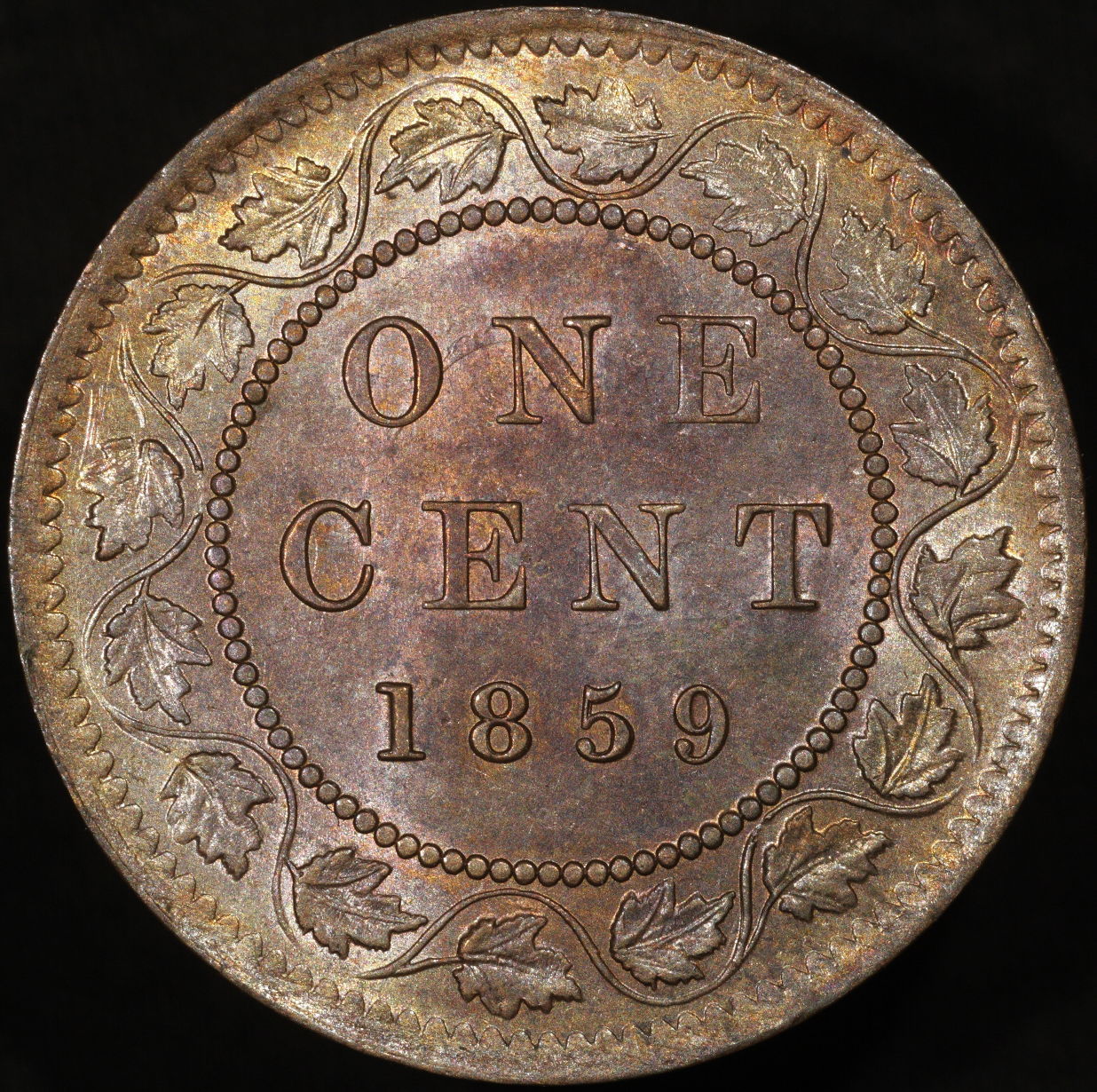
That one's pretty as well, in a far more subtle way. And there is no question in my mind that it is AT by more conservative definition, lacking only that I didn't
intend it to acquire the color. It acquired the color completely since being in my possession, and only because the surfaces had been stripped prior to my acquiring it. I'm sure, because it arrived in a CCCS slab, and looked like this 9 months ago:
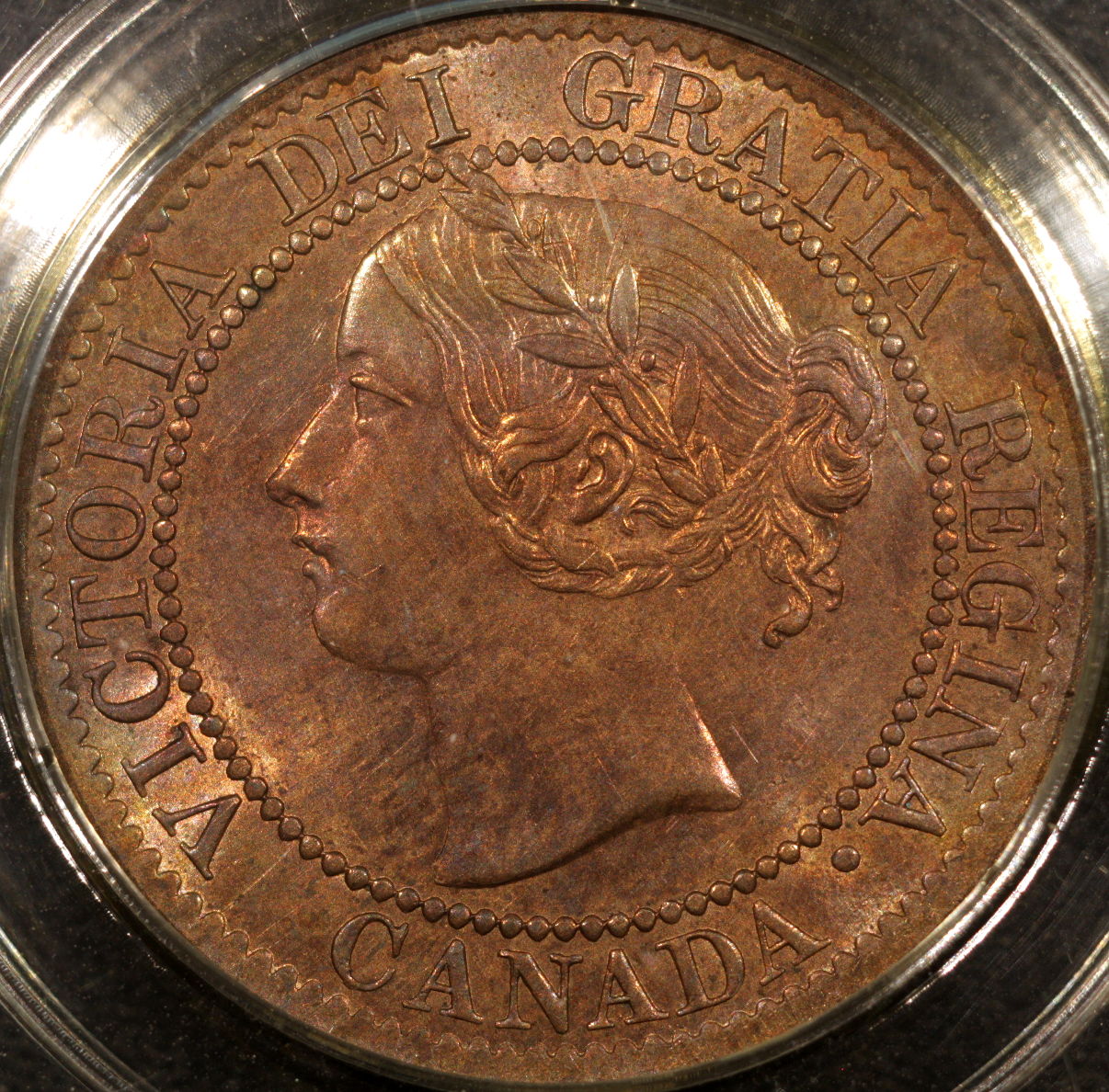
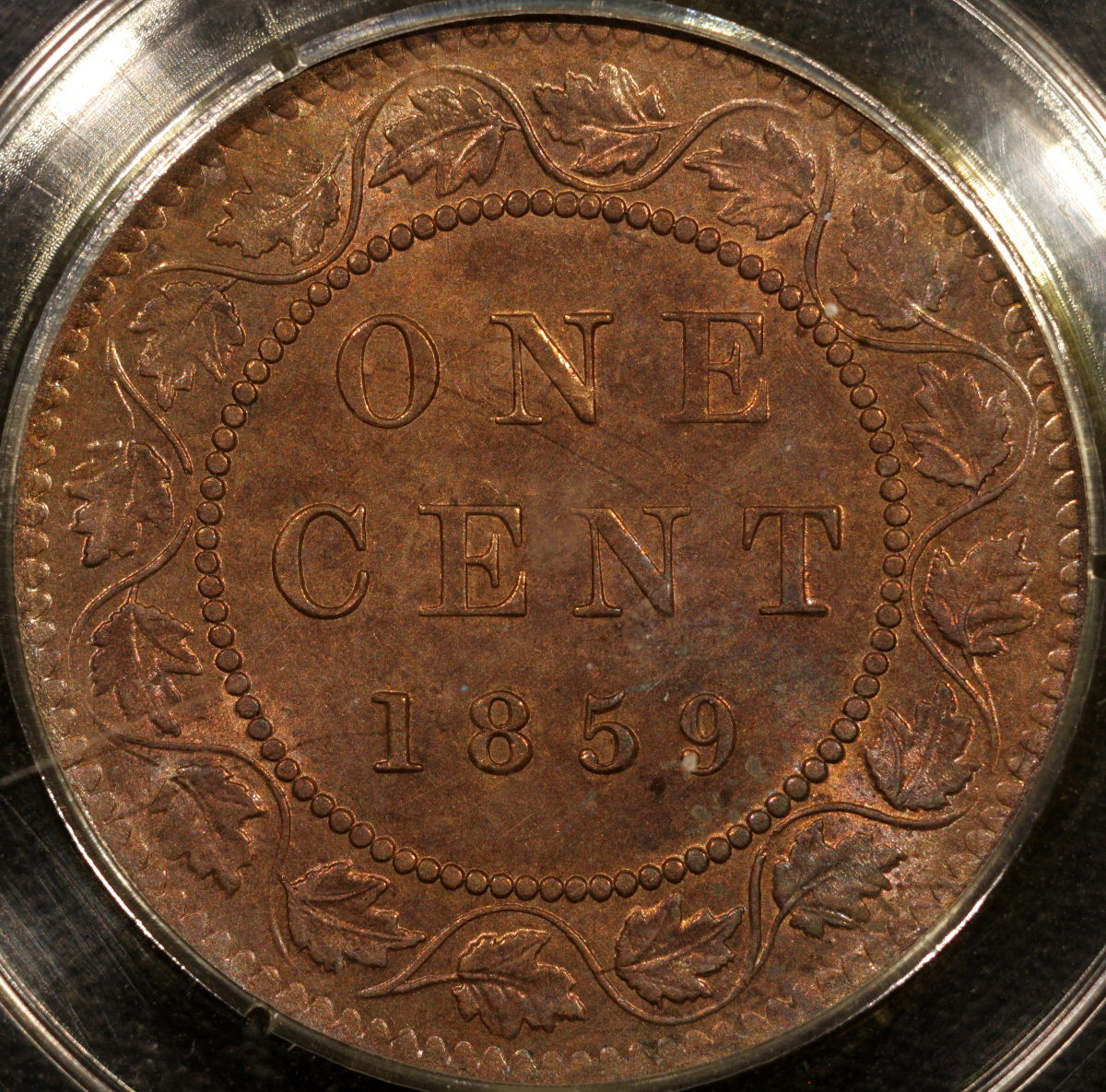
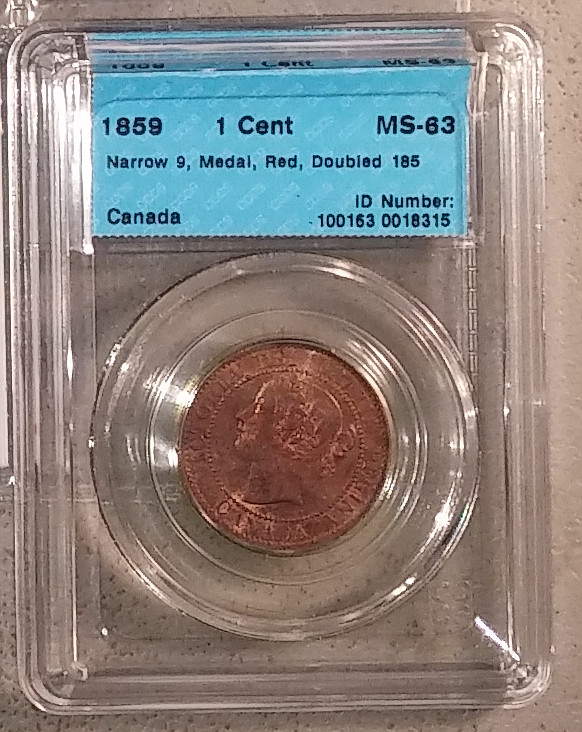
I cracked it from that slab, and stored it with the rest of my LC's, in the same SaFlip and the same box as the rest. Over the summer, it toned. None of the other coins - including that 1915 - showed the slightest change, yet the 1859 turned. Rather attractively, to my eye.
AT, or NT? And, considering the two
entirely different "looks" of the 1915, can you believe your eyes?








 First Page
 Previous Page


 Posted 10/19/2017 4:30 pm