| Author |
 Replies: 60 / Views: 10,087 Replies: 60 / Views: 10,087 |
|
|
|
Valued Member
United States
414 Posts |
Great and in depth response. Thanks Dave - I enjoyed reading your response and learned much from it.
Beautiful cents by the way.
|
|
Moderator
 United States
196100 Posts |
SsuperDdave, that post was crafted perfectly (and was added to my bookmarks).  |
|
Pillar of the Community
United States
5029 Posts |
 Excellent thread. I certainly appreciate discussions like this, as they provide more than a short sentence of an answer with no explanation of thought and fact backing it. Edited by scopru
10/23/2017 1:55 pm
|
|
Pillar of the Community
United States
1475 Posts |
Last night, I was curious whether AT'ed coins can be reverted back to white using acetone bath. If not, how much of an effect it has on AT'ed coins. So I ran to Walmart and bought a can of acetone & got a Morgan that I strongly suspect was At'ed. This coin was part of large batch of Morgans that I purchased recently. The obverse is probably torched but reverse is blast white. I initially dipped for 1 minute. Nothing.. 5 minutes. Nothing.. 1 hour. Nothing. Finally, over night (about 7 hours).. see for yourself below. Before ==================== 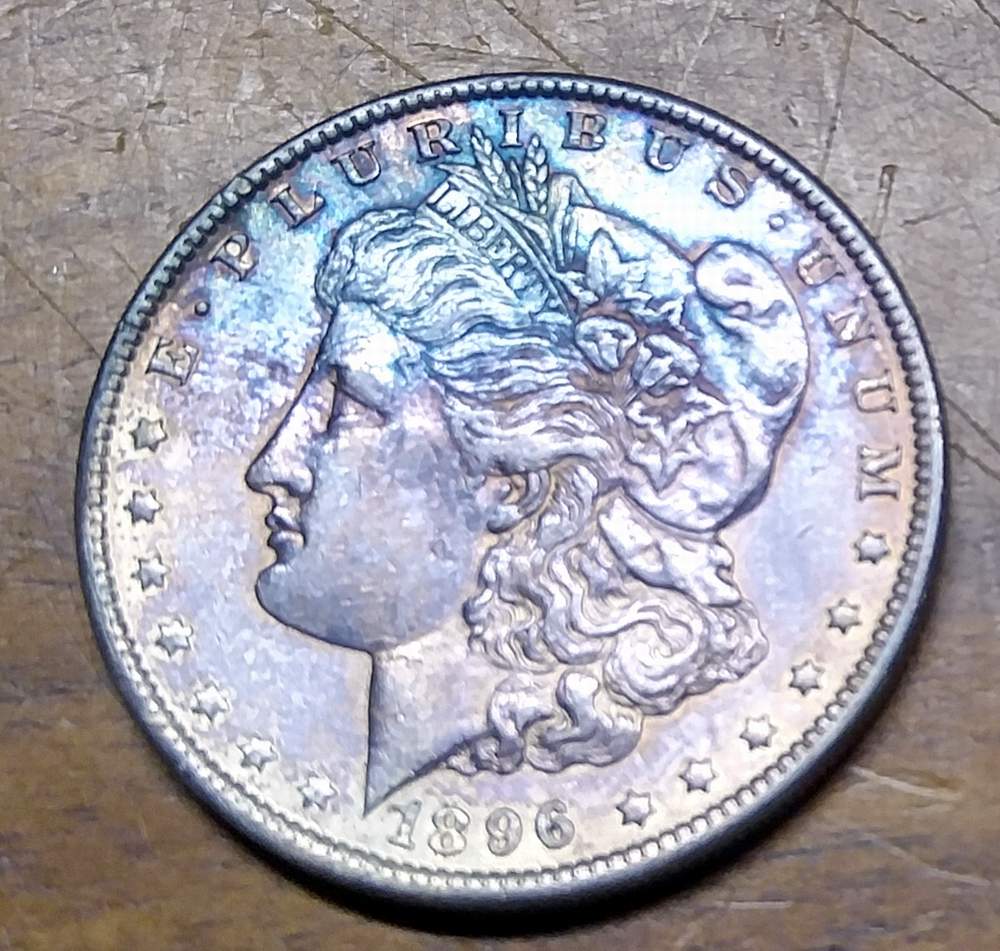 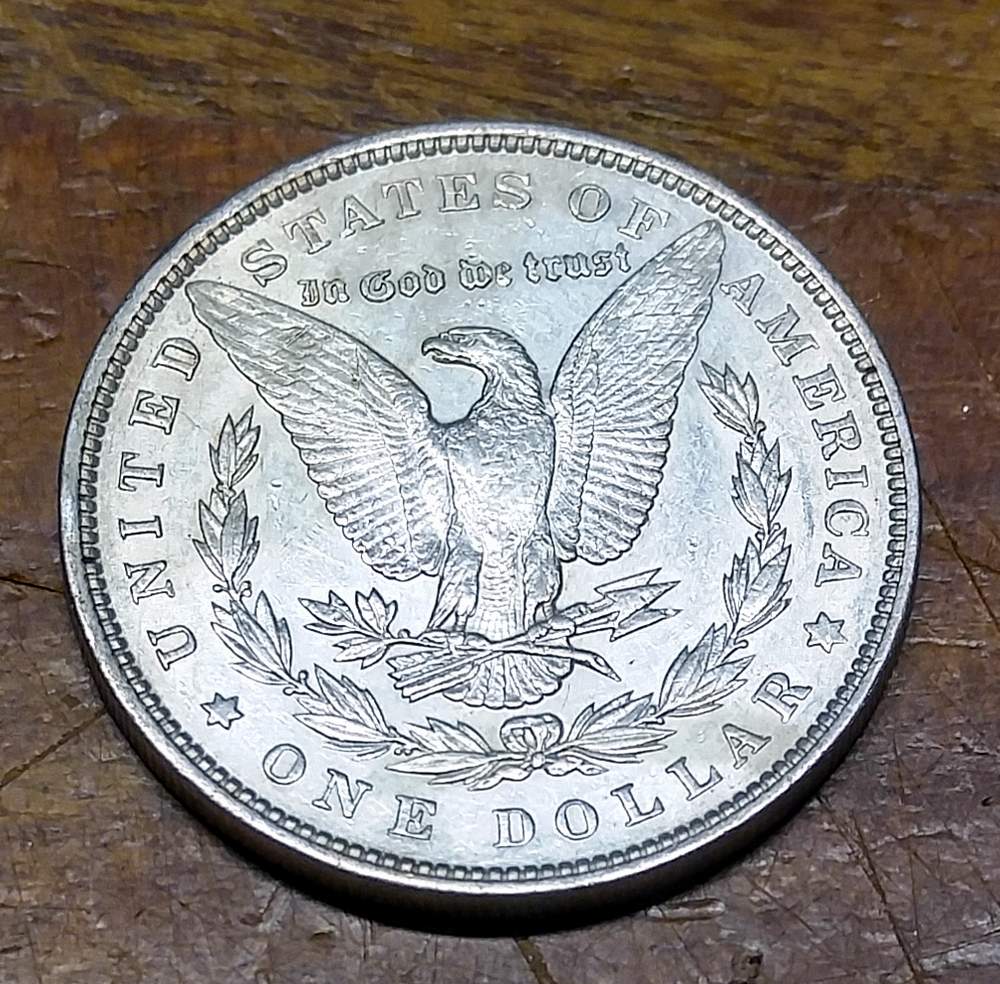 After 7 hours of acetone bath ======================== 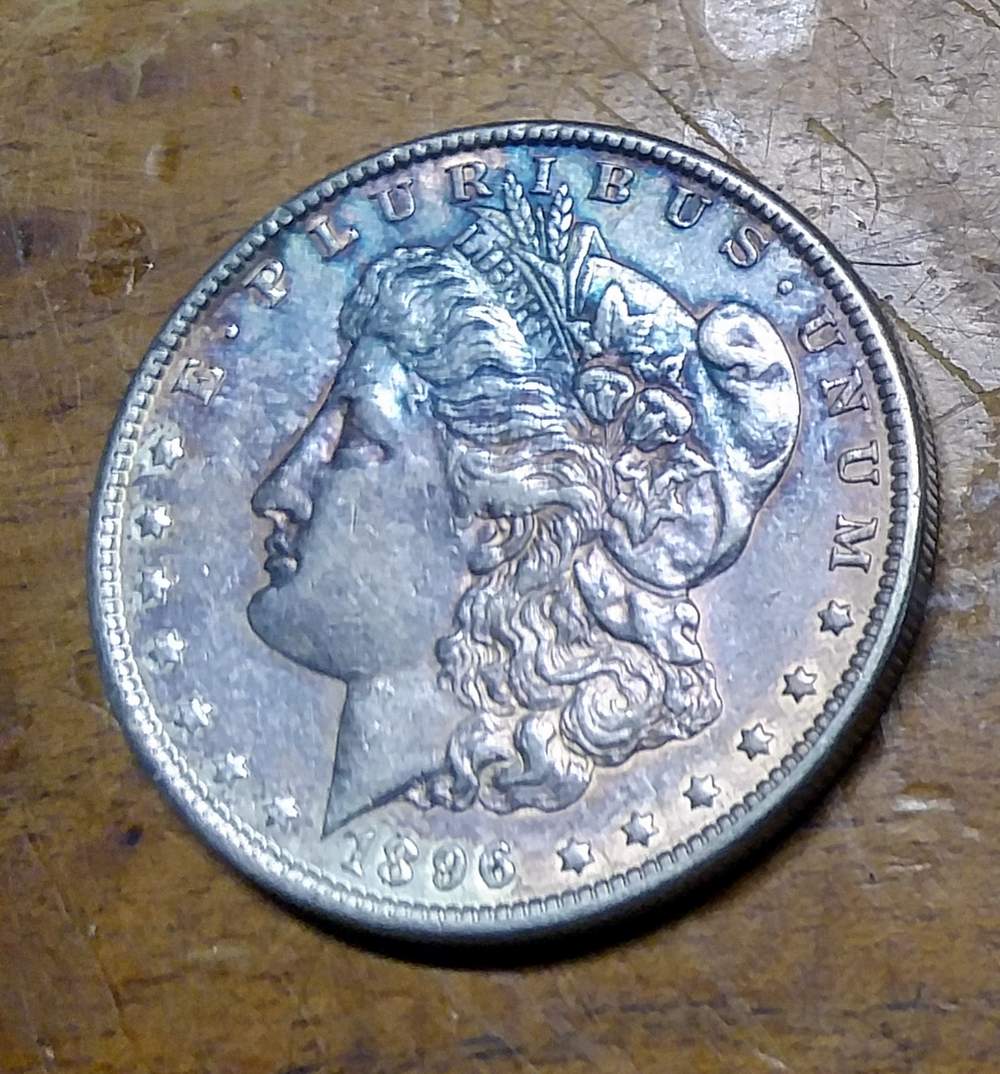 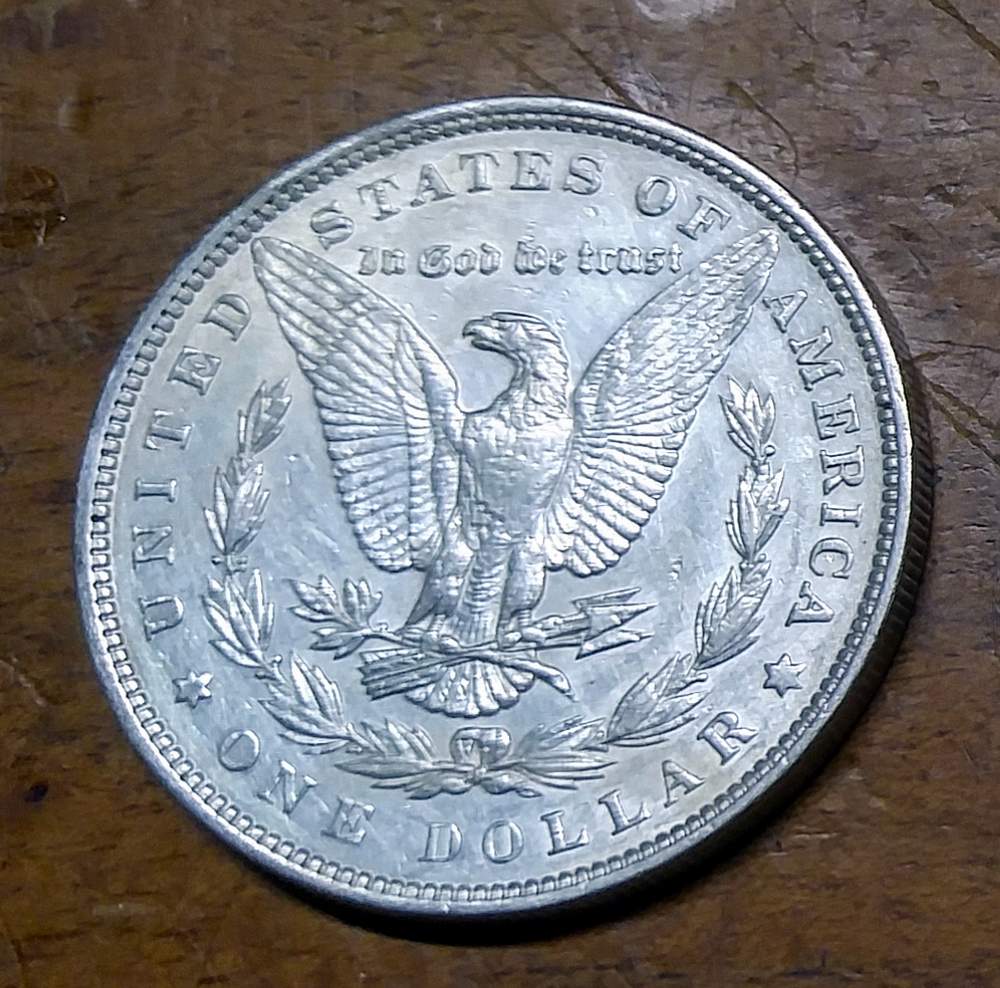 THE COIN RUINED!! |
|
Moderator
United States
196100 Posts |
Oh well, you tried.  |
|
Valued Member
United States
414 Posts |
Wow... after 7 hours in acetone I'm amazed you still had a coin left. They don't make acetone like they used to  |
|
Pillar of the Community
 United States
5720 Posts |
That's interesting--I wouldn't have thought acetone would have affected it at all. I was actually wondering if a dip like e-Zest would get rid of ugly toning like that. Probably not if it was a result of heat treatment.
|
|
Pillar of the Community
Canada
1267 Posts |
I had mentioned earlier on in this thread that AT'd coins were assumed to be unstable and could change over time. Besides all the times I have heard that, I knew I had read it somewhere from a reliable source, just couldn't remember where.....almost 400 12 hour days without a break will do that (also makes my posts a little disjointed). From the PCGS article Detecting Doctored Coins Part 1..... Quote:
Beyond the issue of intent, the practice of doctoring can often be harmful to the health of the coins. Some of the processes and chemicals applied to coins actually do help preserve them in certain cases. The problem is, many of them do not. When an organic solvent such as alcohol or acetone is used to remove damage from the surfaces of coins that were stored in PVC flips, those coins are not only improved, but probably saved from ruin. On the other hand, the use of abrasive or corrosive chemicals can directly cause irreparable damage, rather than save the coin. This damage may not be apparent at first, but over time the coin may change as the chemicals further react with the coin's metals. The instability of many altered coins is noted only with the passage of time, sometimes too late to "save" the patient. A very informative article, worth reading. Ssuperdave, your 1859 LC is gorgeous. Since you had no intent to tone it for profit or deceit, I would certainly consider it both natural and highly desirable. JMHO. Edited by hadleydog
10/26/2017 12:34 am
|
|
Valued Member
United States
414 Posts |
I'm confused... so cleaning coins with Alcohol or Acetone is ok?
|
|
Valued Member
United States
102 Posts |
|
|
Pillar of the Community
Canada
1267 Posts |
Cableguy, they are referring to saving an already damaged coin from pvc flips.
|
|
Valued Member
United States
414 Posts |
@Hadley Yes. However, if Acetone/Alcohol are OK for PVC then why not for other reasons?
|
|
Pillar of the Community
Canada
1267 Posts |
I believe dipping strips the coin of its 'skin'.
|
|
Moderator
United States
23522 Posts |
Quote:
@Hadley Yes. However, if Acetone/Alcohol are OK for PVC then why not for other reasons?
Because there's nothing else they can do which can't be accomplished with less-invasive means. I don't use alcohol anyways, because there's nothing it can do that pure water can't if you're patient. Acetone should not have any effect whatsoever on toning, because it's chemically incapable of affecting the reaction of silver sulfide toning. Any of these treatments have to be deemed more necessary than no treatment at all, before their employment. At what point is removing crud - when it will be plainly obvious that it was done - preferable to leaving the coin original? Often in the case of Ancients, always in the case of PVC, very rarely in the case of rare varieties whose details need to be revealed as a proof, and pretty much never any time else. |
|
Pillar of the Community
Canada
1267 Posts |
 Exactly. |
| |
Replies: 60 / Views: 10,087 |






 First Page
 Previous Page


 Posted 10/23/2017 1:35 pm





