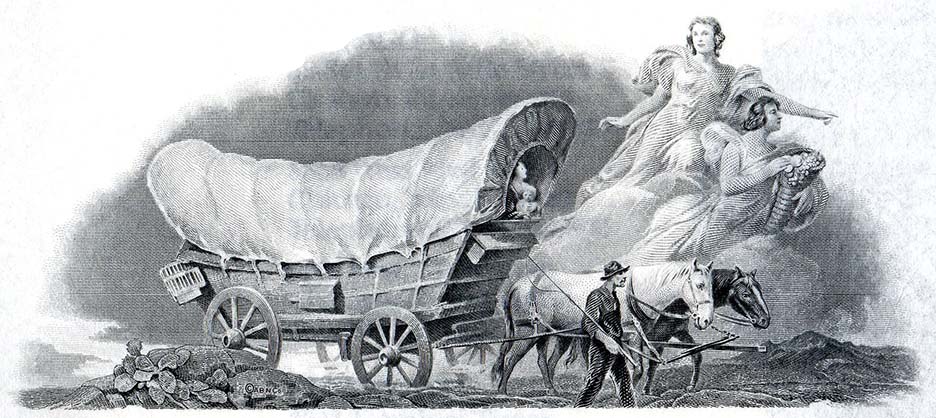
I like how the early Colonial notes were using anti counterfeiting techniques.
Benjamin Franklin printed money for Pennsylvania, New Jersey, and Delaware and beginning in 1739, in efforts to throw off counterfeiters, Franklin would deliberately misspell Pennsylvania on the bills. With the idea at the forefront that any person attempting to recreate the new currency would believe the real bill was a fake, they would then correct the spelling on their phony money.
To further protect the integrity of the new paper currency, Franklin had lead casts made of actual leaves, which he used to print the said foliage's' image onto the back of the bills. The leaves also contained finely detailed copper engravings of the intricate veins in leaves chosen for this revolutionary idea. His ingenious creation was not discovered until the 1960's when a historian stumbled across the information and shed light to the public.
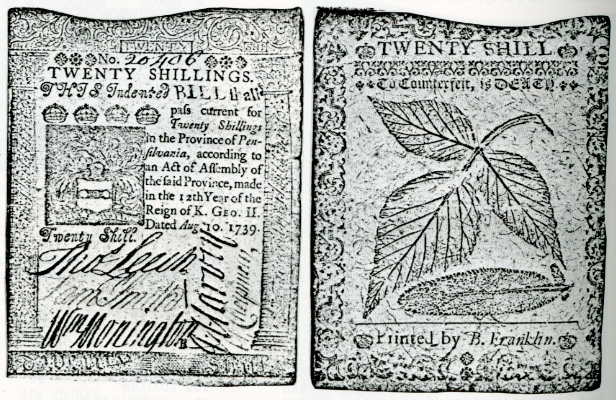
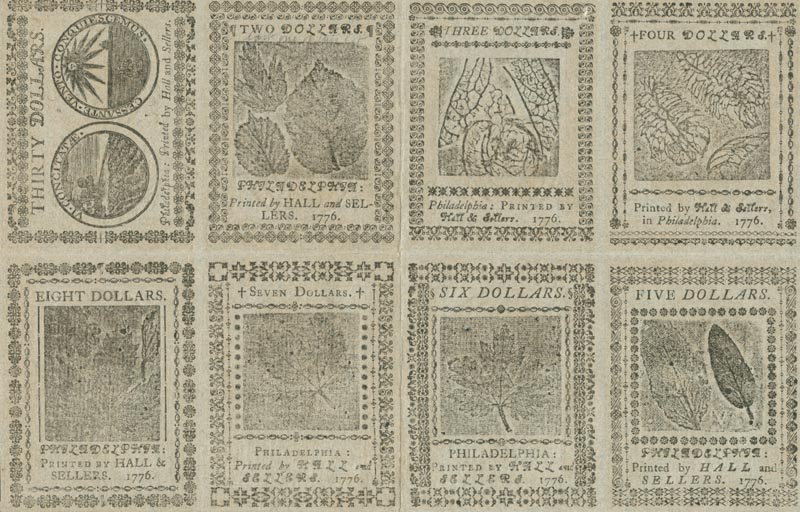
Not quite micro-printing of words, but in a similar vein! Those little veins were awfully tiny for a printer to pull off in the 1700's.
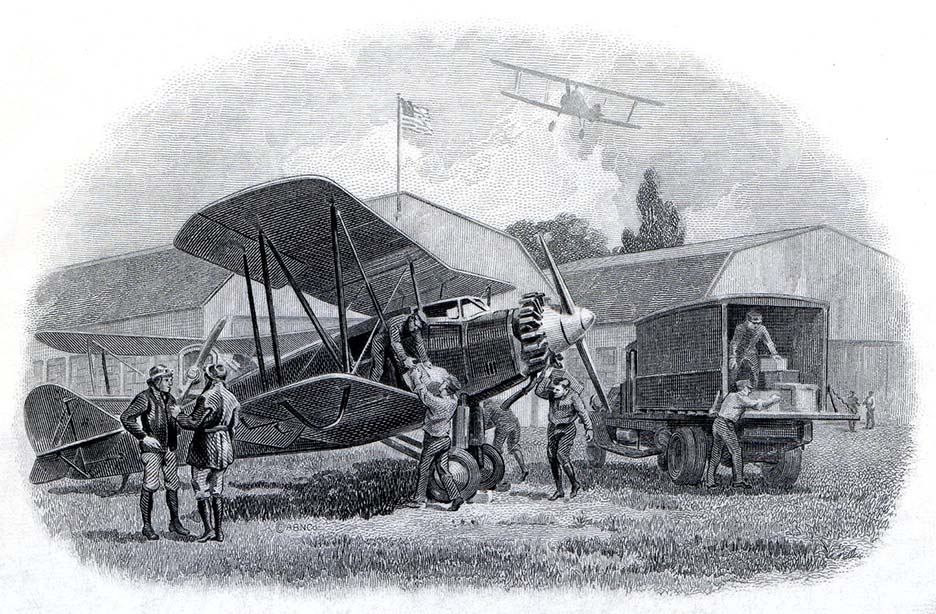
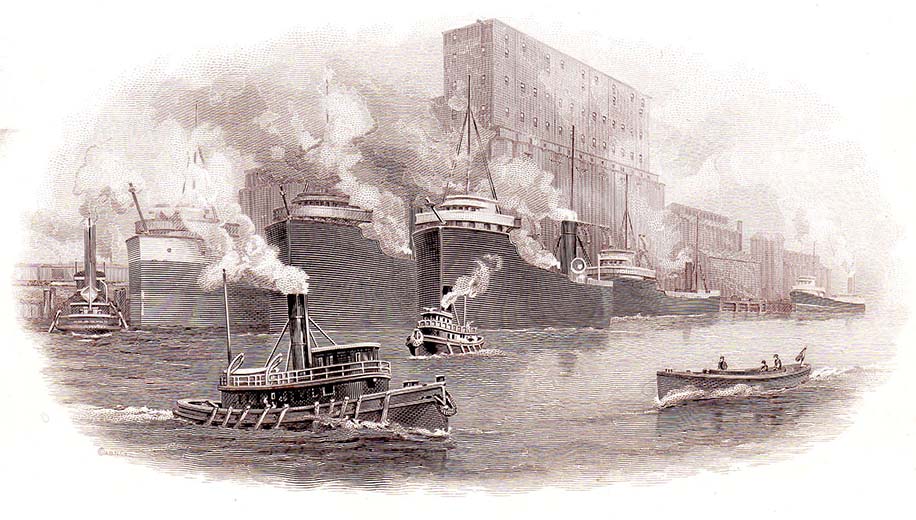
I know the older $100 used micro-printing around the portrait of Franklin, the current $20 has some micro-printing just to the left of Jackson's shoulder in the frame. I'm sure there are many current uses today, but to get print that was legible and that small in the 1700-1800's is pretty amazing! Some neat vignettes shown.
"Buy the Book Before You Buy the Coin" - Aaron R. Feldman - "And read it" - Me 2013!
ANA Life Member #3288 in good standing since 1981, ANS, Early American Coppers Member (EAC), Colonial Coin Collectors Club member (C4), Conder Token Collector Club member (CTCC), Civil War Token Society (CWTS) member, Liberty Seated Collectors Club (LSCC) & Numismatic Bibliomania Society member (NBS), USMex, Member in good standing, 2¢ variety collector.
See my want page:
http://goccf.com/t/140440




 First Page


 Posted 06/19/2021 03:24 am