| Author |
 Replies: 800 / Views: 43,042 Replies: 800 / Views: 43,042 |
|
|
|
Moderator
 United States
188770 Posts |
Quote:
1901 Republique Francaise. 10 Centimes. Outstanding!  |
|
Pillar of the Community
United States
878 Posts |
Quote:
1973 Greece.
10 Drachmai Regime of the Colonels. Wow, beautiful! This is a really nice series. |
|
Pillar of the Community
United States
878 Posts |
Hildegard the Valkyrie. She looks a little like a Slavic boy, though---her face, of course, not the rest! 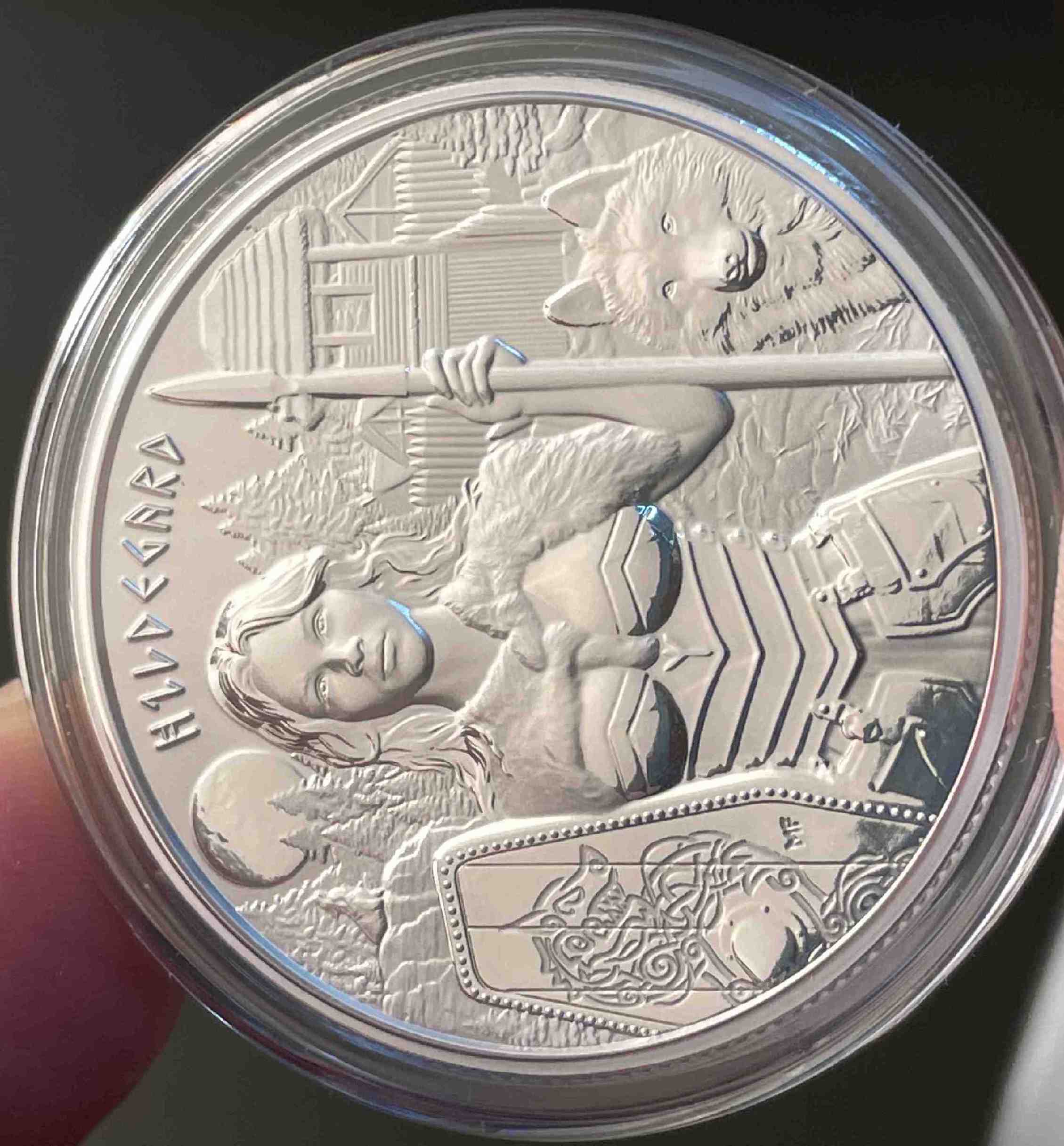 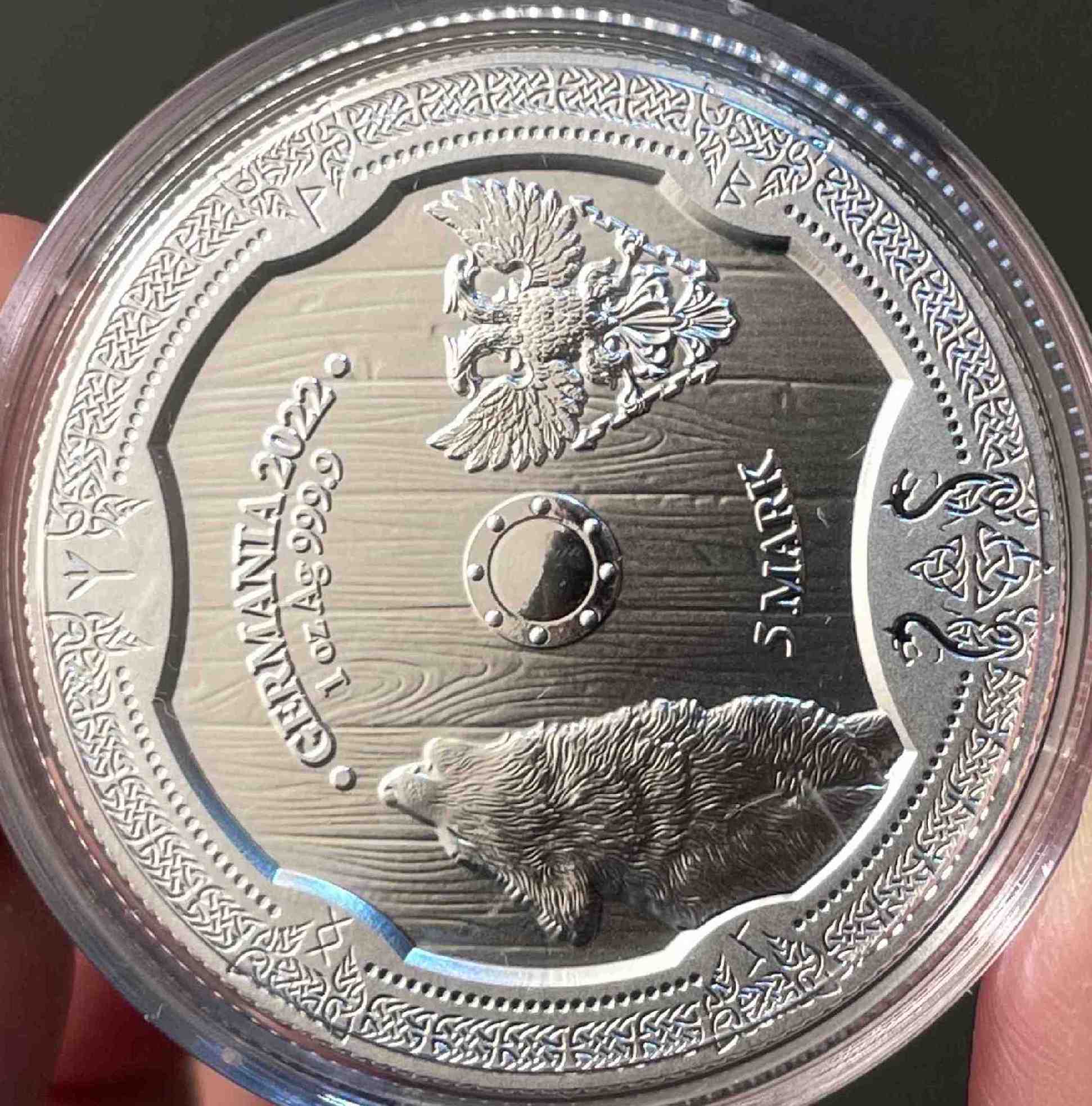 |
|
Pillar of the Community
  United States
6514 Posts |
Quote:
Hildegard the Valkyrie. What a cool coin. I love the reverse. Check out my counterstamped Lincoln Cent collection: http://goccf.com/t/303507 |
|
Moderator
United States
188770 Posts |
Excellent looking coin! |
|
Valued Member
Israel
81 Posts |
The abduction of Europe by Zeus as a bull, Cyprus 2002: 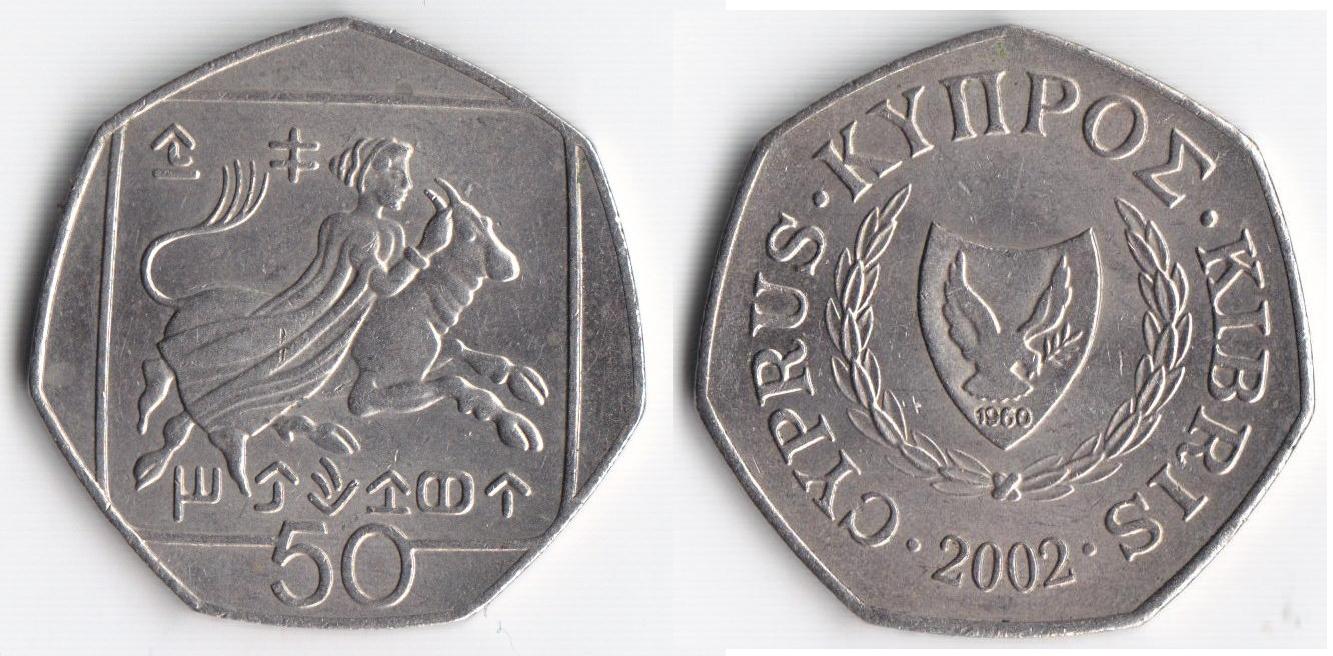 The design was taken from a silver coin of Timochares, King of ancient Marion, End of 5th century to beginning of 4th century BCE. The old coin on postcard, stamp and postmark: 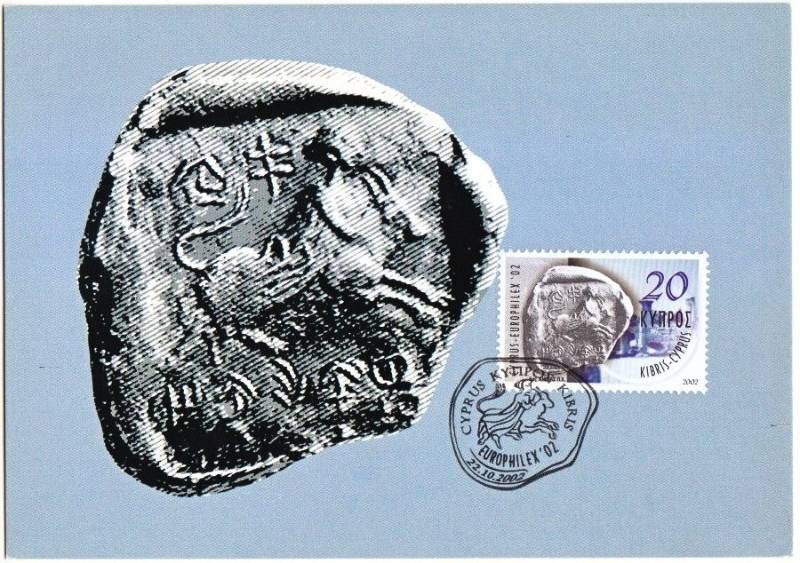 |
|
Moderator
United States
188770 Posts |
Quote:
The abduction of Europe by Zeus as a bull, Cyprus 2002: Fantastic! |
|
CCF Master Historian of USA Commemoratives
United States
12281 Posts |
Here's a commemorative medal that incorporates Norse mythology... The 1925 US Norse-American Centennial medal was struck to commemorate "the arrival in the United States of the first shipload of Norse immigrants on board the sloop Restaurationen'" they arrived in New York City in 1825 and many made their way west to present-day Minnesota. The first arrival was celebrated in Minnesota in 1925 on the Minnesota State Fair Grounds June 6th through June 9th. A large Viking longship is included within the design on each side of the medal - the medal is the work of James Earle Fraser (of Indian Head / "Buffalo" nickel fame). The prow of the ship features a dragonhead that was meant to scare an enemy and ward off evil spirits. Interesting side note, the dragonhead was to be removed (or at least covered) before entering home country waters so as not to scare off the country's friendly spirits. Iceland even codified the dragon removal requirement - one look at the Coat-of-Arms of Iceland gives you an immediate sense of the high regard Icelanders had/have for the protective powers of its mythological "good spirits." Government of Iceland description of the shield within its Coat-of-Arms: "The shield bearers are the four guardian spirits of Iceland as described in Heimskringla [by Snorri Sturluson, 13th century]: A bull on the right side of the shield; a giant, on the left; a vulture on the right above the bull; and a dragon on the left, above the giant." Not all Viking ships included a dragonhead (sometimes referred to as a serpanthead), just those that were larger, of important stature and/or owned by royalty and important figures/leaders (such as Leif Erikson). The ships are often referred to as "dragonships." Good and evil spirits were an important part of Norse mythology, and staying in favor of the good spirits was not a matter to be taken lightly! 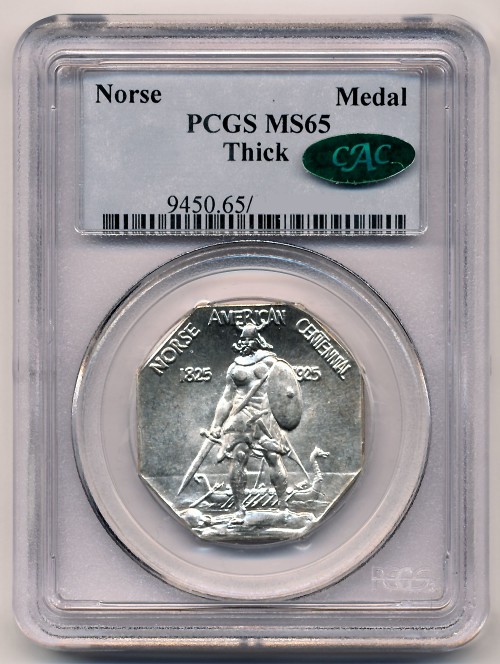 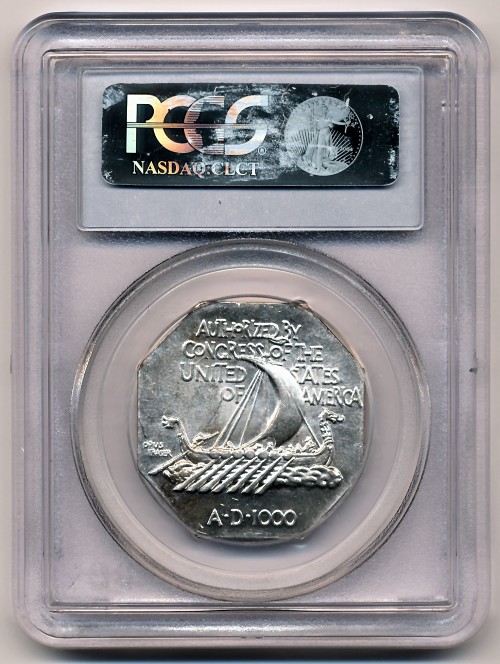 Collecting history one coin or medal at a time! (c) commems. All rights reserved.
|
|
Pillar of the Community
United States
6514 Posts |
This is one of my favorite coins of all time. . . 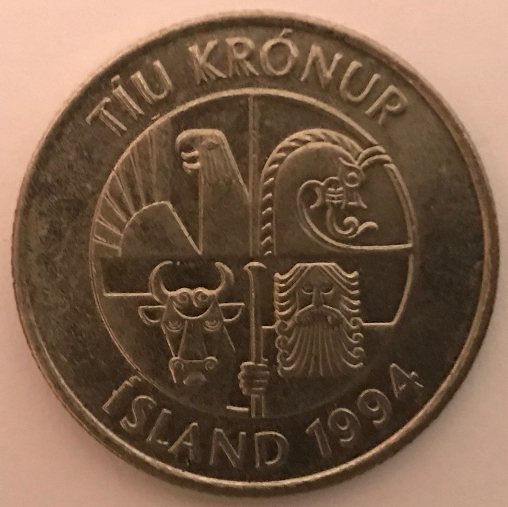 Thanks for reminding me Commems.  |
|
Moderator
United States
188770 Posts |
Outstanding examples! |
|
Bedrock of the Community
United States
36770 Posts |
I bought several of those 1925 Norse thick back in the mid 60's. $25 a pop back then, I made a killing selling them for $30 each. Now look at the price.
|
|
Bedrock of the Community
United States
36770 Posts |
That Hildegard the Valkyrie is one great design, a real beauty.
|
|
CCF Master Historian of USA Commemoratives
United States
12281 Posts |
Collecting history one coin or medal at a time! (c) commems. All rights reserved.
|
|
Pillar of the Community
United States
1648 Posts |
One of the important deities from Egyptian religion and mythology. Horus, the source of the famous symbol known as the Eye of Horus in a 2 oz silver Antique Ultra High Relief of the Egyptian Gods Series. Features Horus' figure as popularly captured in ancient Egyptian art. When depicted in works of art and statues, Horus is shown as a muscular male figure with the head of a falcon. He stands here in left-profile relief with his right hand clutching a staff as he holds onto the Ankh symbol in his left hand, a symbol that represents the concept of eternal life. In the lower-left field, the round design element displays a falcon, the hieroglyphic representation of Horus, as well as the Eye of Horus. In the background, the 2 oz Horus Rounds offer a unique addition that showcases the silhouette of another deity. In this case, Horus' opposing god, Set, is featured in the background. The inclusion of the cobra is important as many depictions of Horus from Egyptian records include a crown with a cobra representative of the pharaohs. Horus served many purposes in Egyptian religion and mythology, but arguably the most important was that of the God of Kingship. He was closely associated with the pharaohs in life, with his father Osiris associated with the pharaohs in death. In fact, Horus is a major player in the Osiris myth, one of ancient Egypt's most important myths. The god known as Set killed Osiris, his brother, and dismembered him. Osiris' wife, Isis, collected his body parts and revived him just long enough to conceive a son, Horus. Set had killed Osiris to assume power, but Horus would eventually engage in an extended conflict with Set that would cost Horus one of his eyes. However, his eyesight was restored by another god and resulted in the development of the popular symbol known as the Eye of Horus. 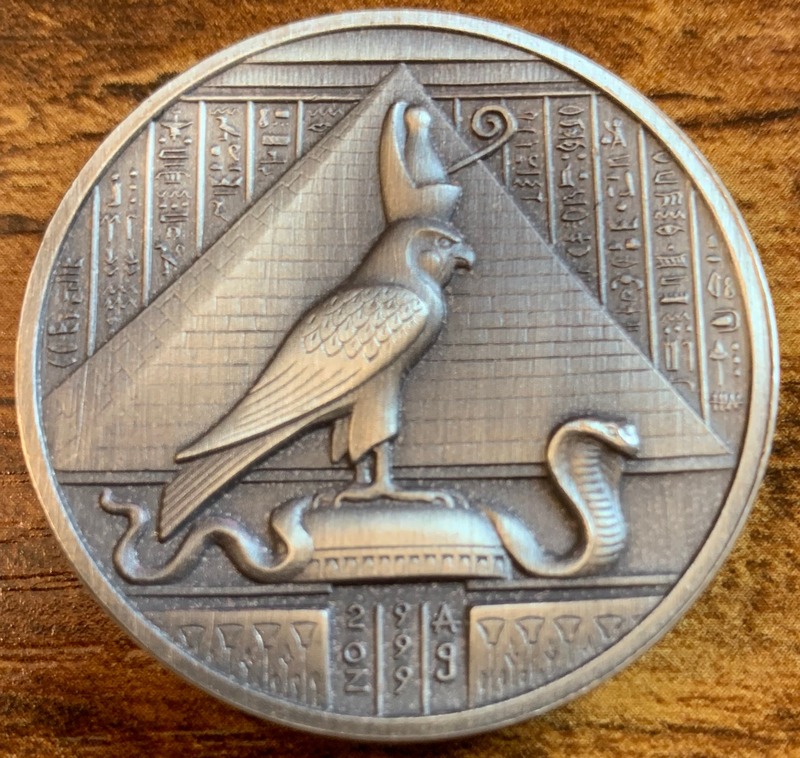 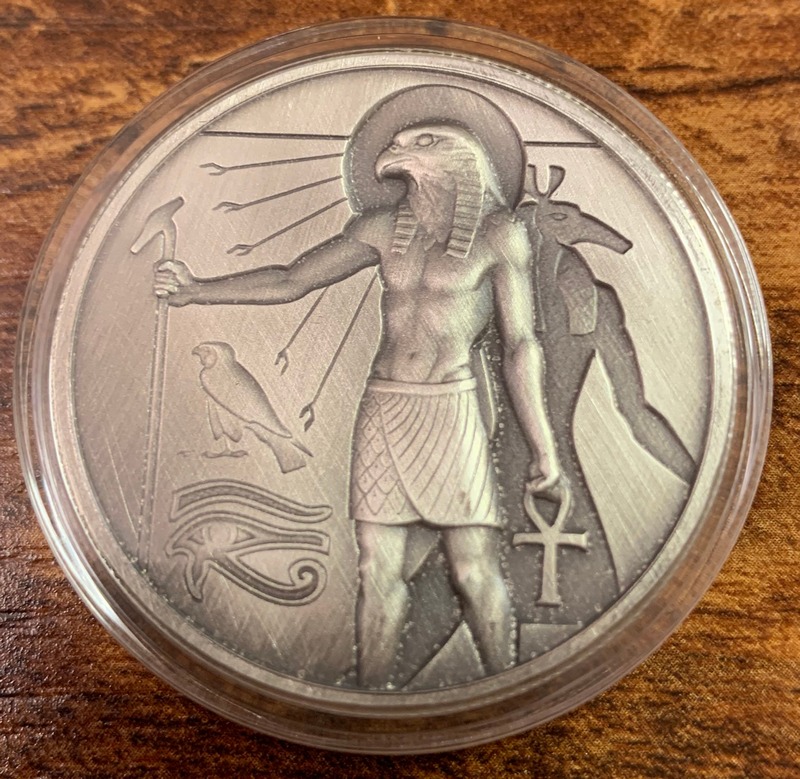 Edited by datadragon
08/07/2022 11:17 am
|
|
Pillar of the Community
United States
3402 Posts |
Nice Egyptian piece and info, data dragon.
KK
|
| |
Replies: 800 / Views: 43,042 |







 First Page
 Previous Page


 Posted 06/22/2022 01:26 am