| Author |
 Replies: 16 / Views: 1,914 Replies: 16 / Views: 1,914 |
|
Bedrock of the Community
United States
78191 Posts |
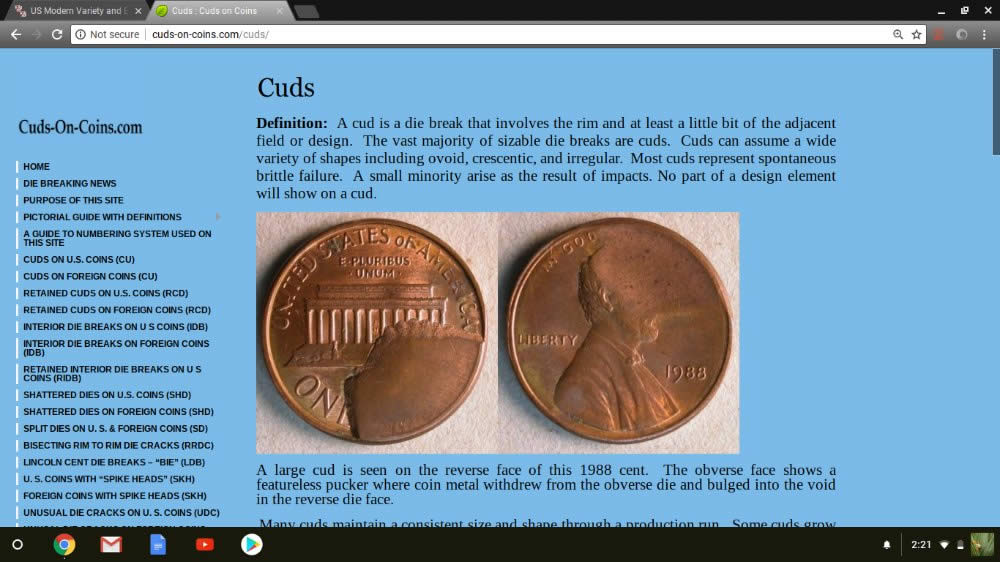
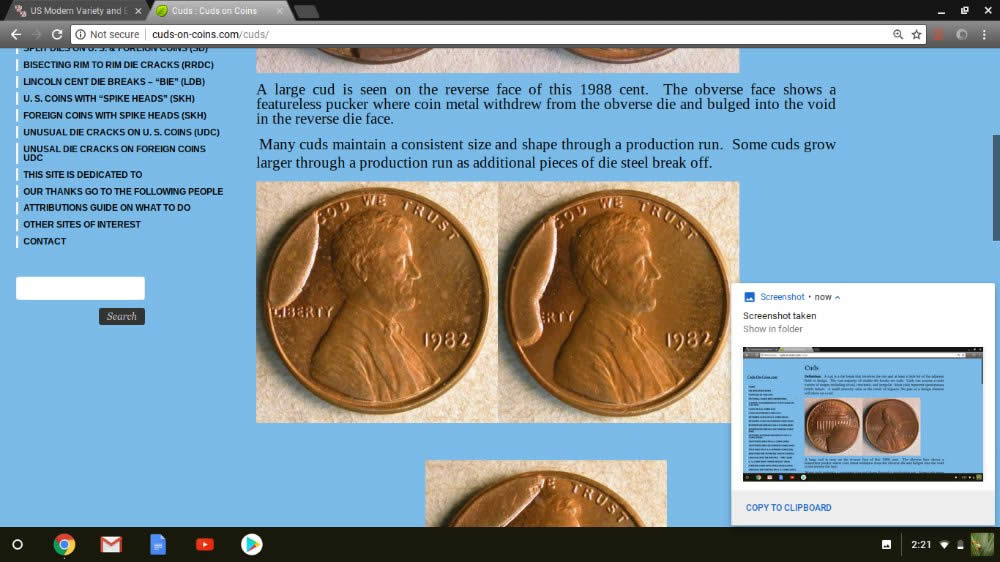
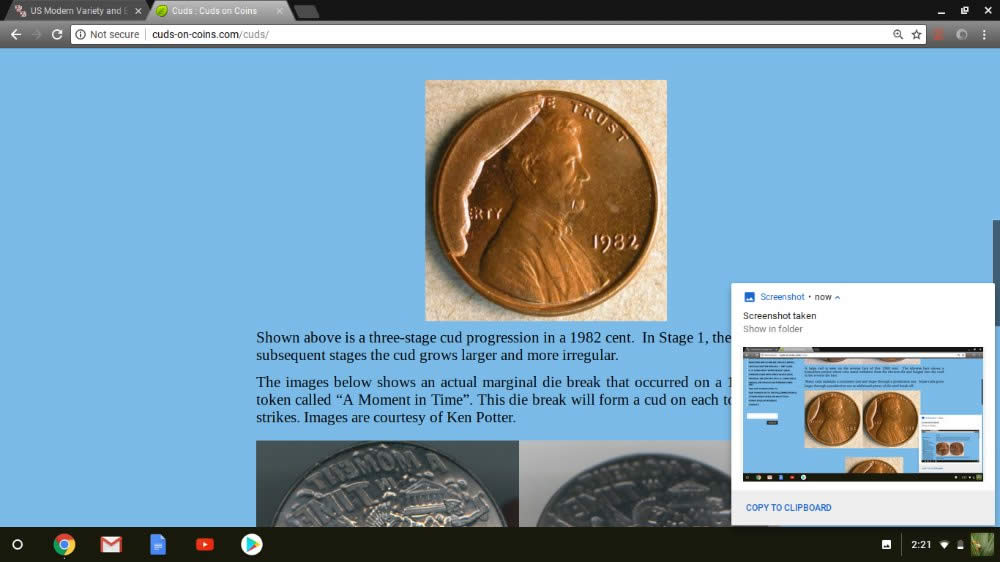
Here's my drawing, explaining what a Cud (Major Die Break) is. Here's what I wrote on my drawing. " Cud (Major Die Break). A Cud (Major Die Break) is a Die Break that involves the rim and at least some parts of the field. If the die isn't taken out of service in time, the Cud will get bigger, as the die continues to strike coins, and the die will break apart more. Drawing by David Curfman (AKA Errers and Varietys on CCF)." This post is meant mostly for new coin collectors starting out. Let me know what you think, and any feedback or suggestions would be great, if needed.  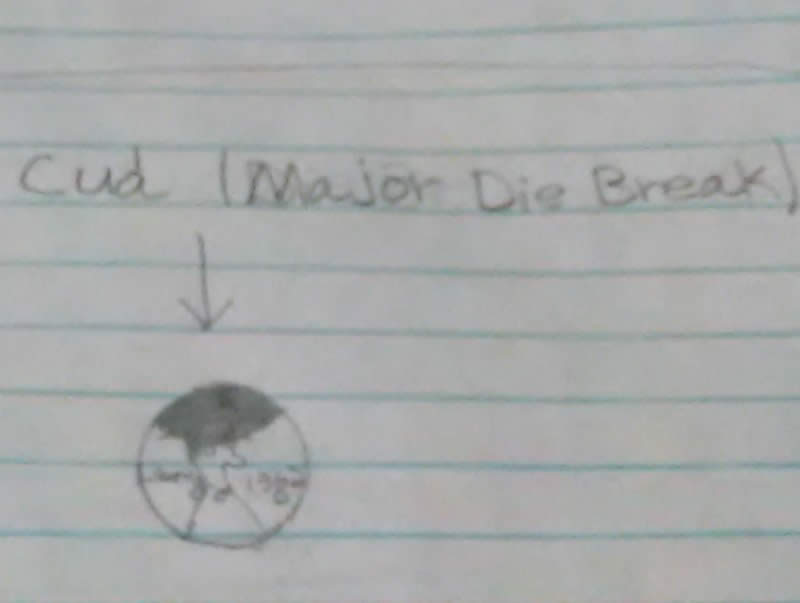 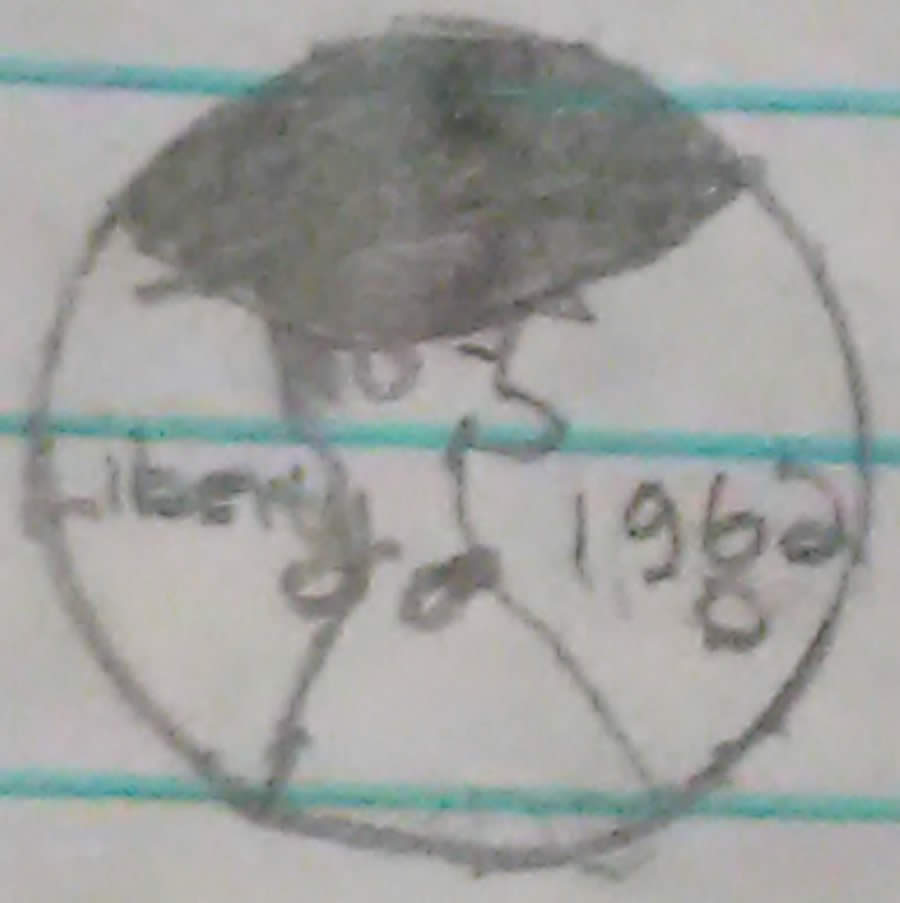 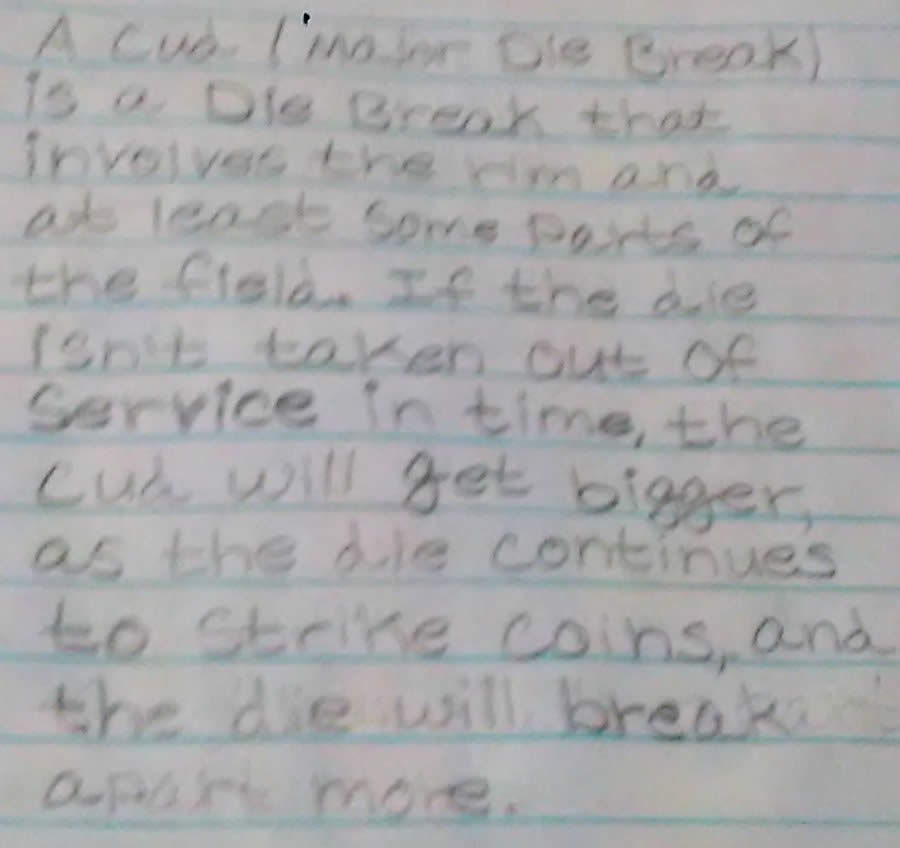 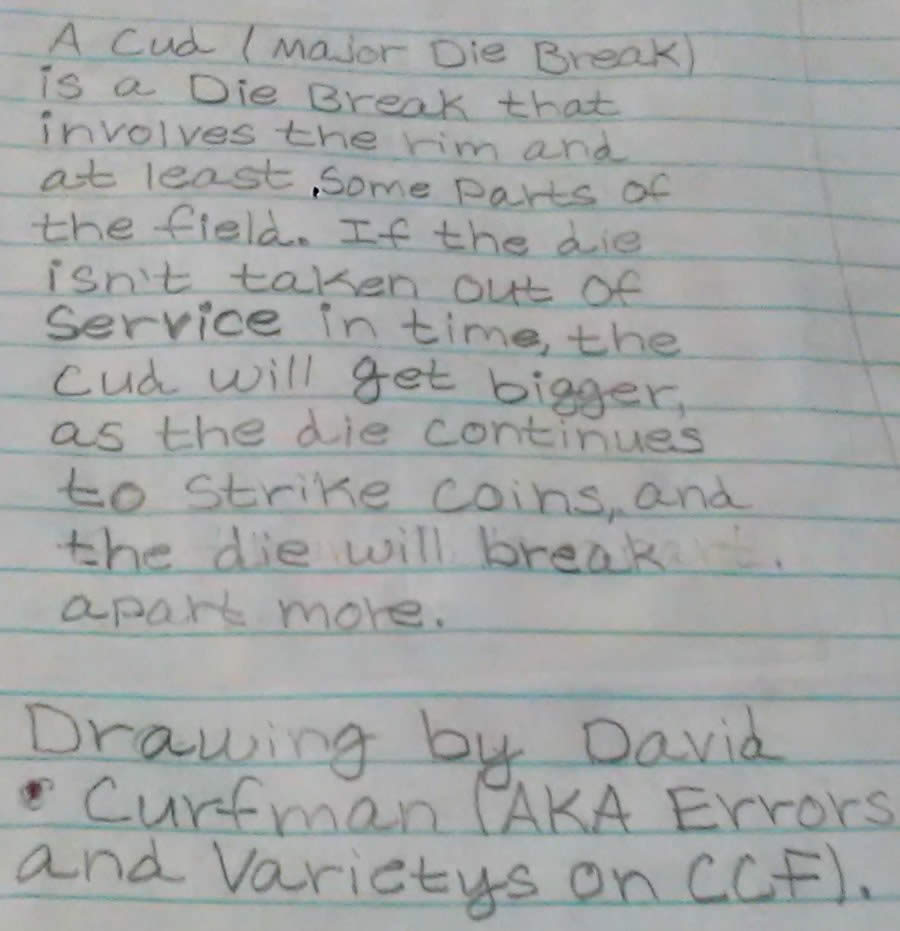 Errers and Varietys.
Edited by Errers and Varietys
08/20/2018 9:21 pm
|
|
|
|
Pillar of the Community
Canada
3733 Posts |
while the effort is appreciated, I am sorry but I see no benefit to this at all.
|
|
Bedrock of the Community
 United States
78191 Posts |
That's okay silverwolf. I appreciate your feedback!  Errers and Varietys.
|
|
Pillar of the Community
Canada
2527 Posts |
I think illustrations of the die faces (one pair in working order and the other broken), paired with matching images of the coin's obverse and reverse (one coin is okay, the other is showing a Cud and weakness of the other side), would be excellent in visualising how Cuds happen. Something like: Normal, repeat for Cud condition: Obv die Obv coin Rev coin Rev die |
|
Bedrock of the Community
United States
78191 Posts |
|
|
Pillar of the Community
7234 Posts |
Quote:
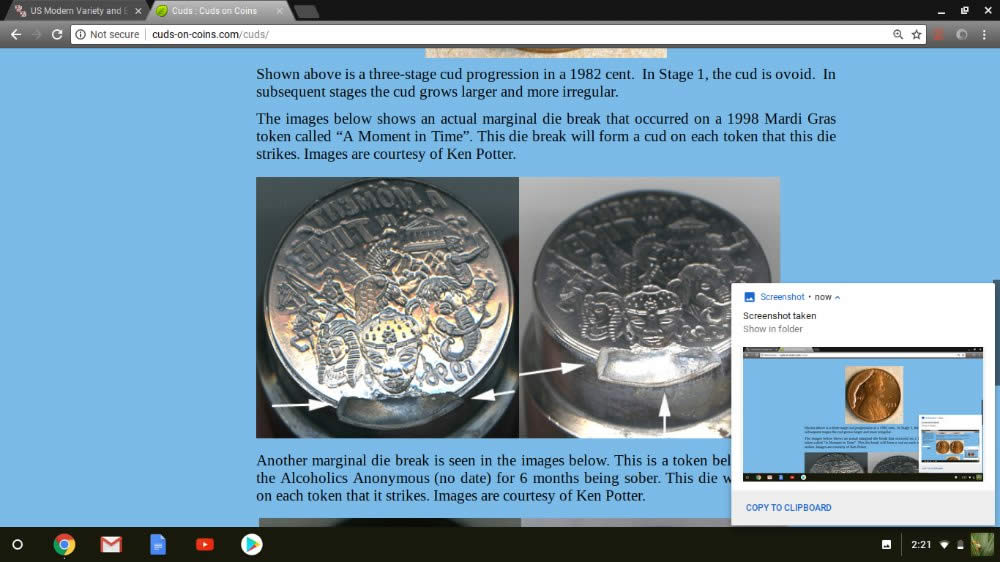
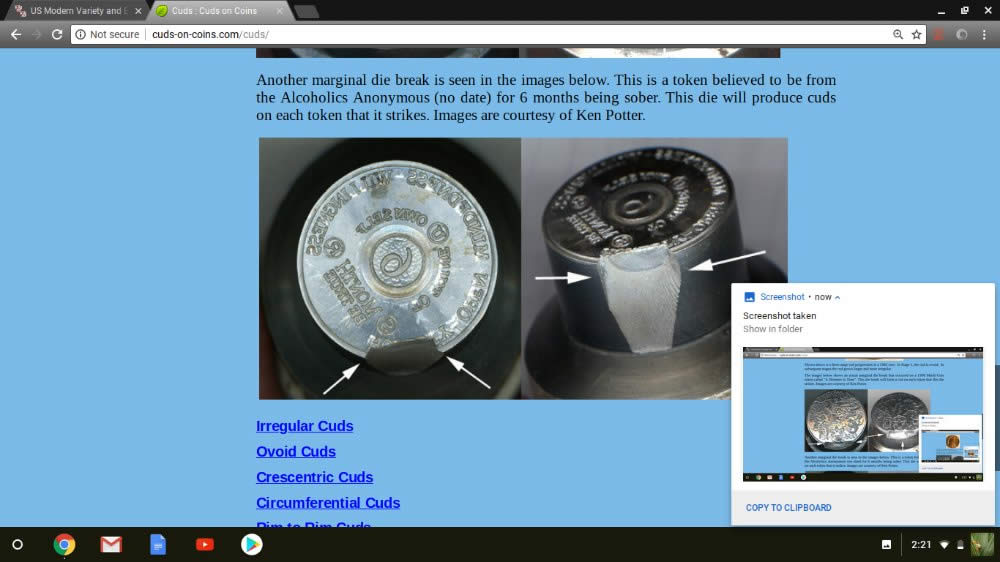
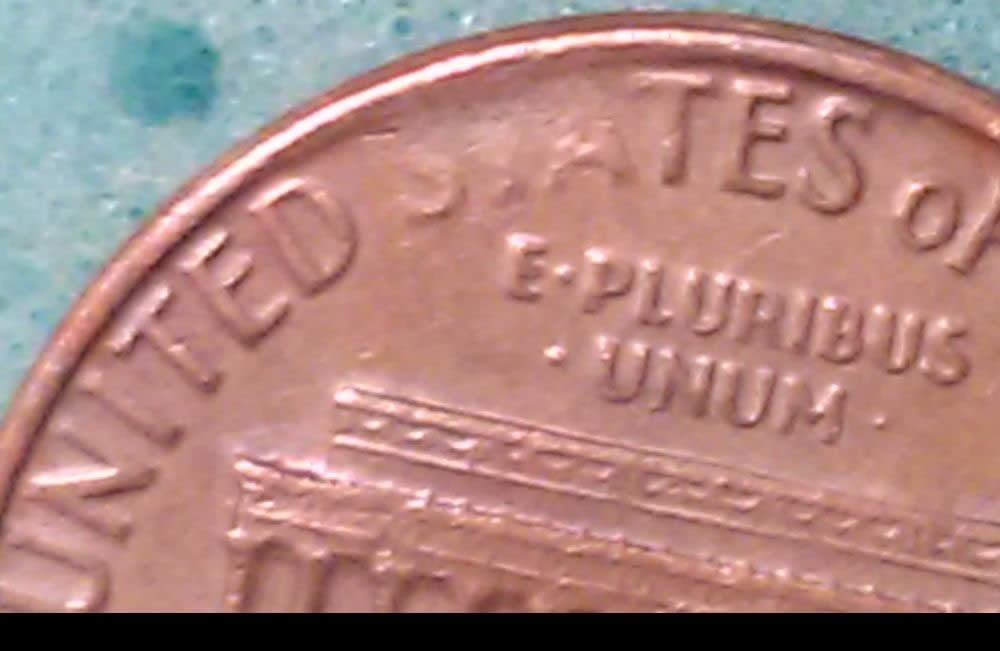
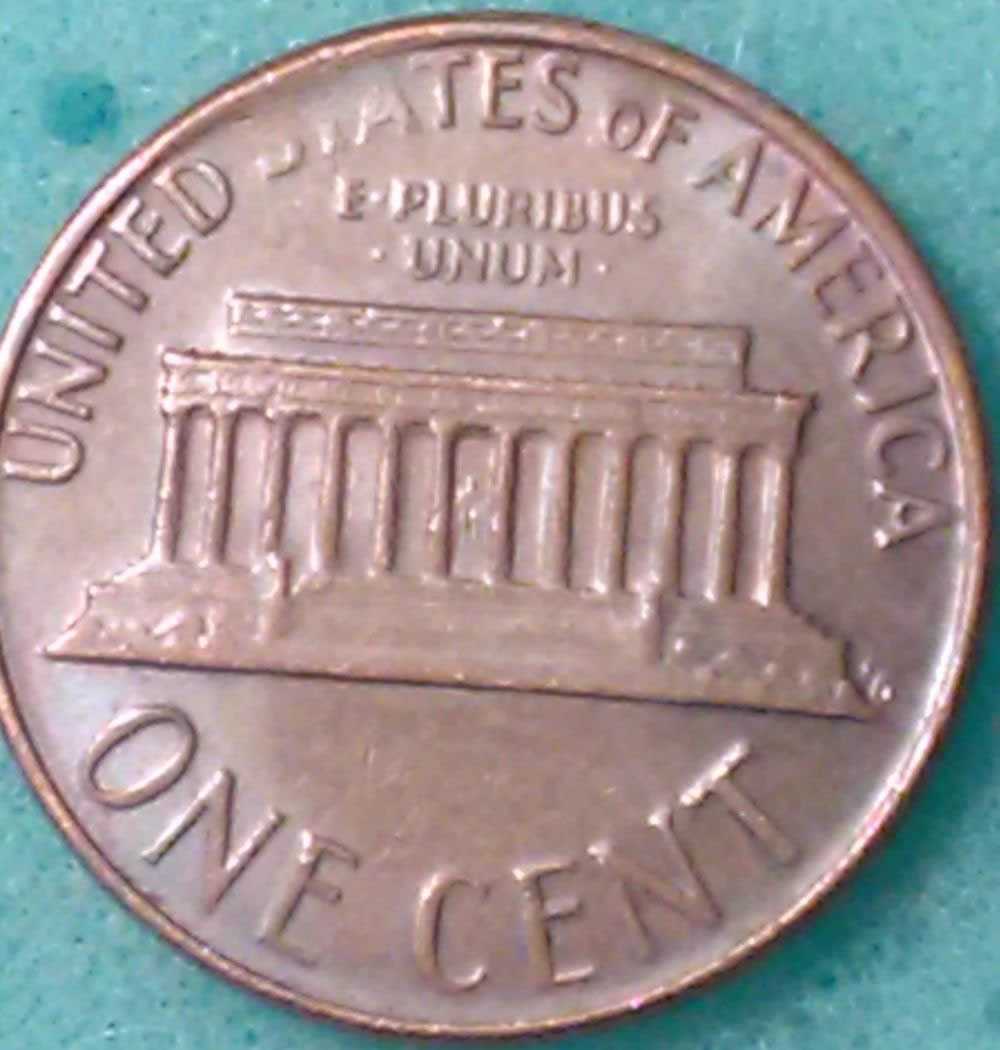
I don't have a picture of a broken die though. Picture from Mr Potter 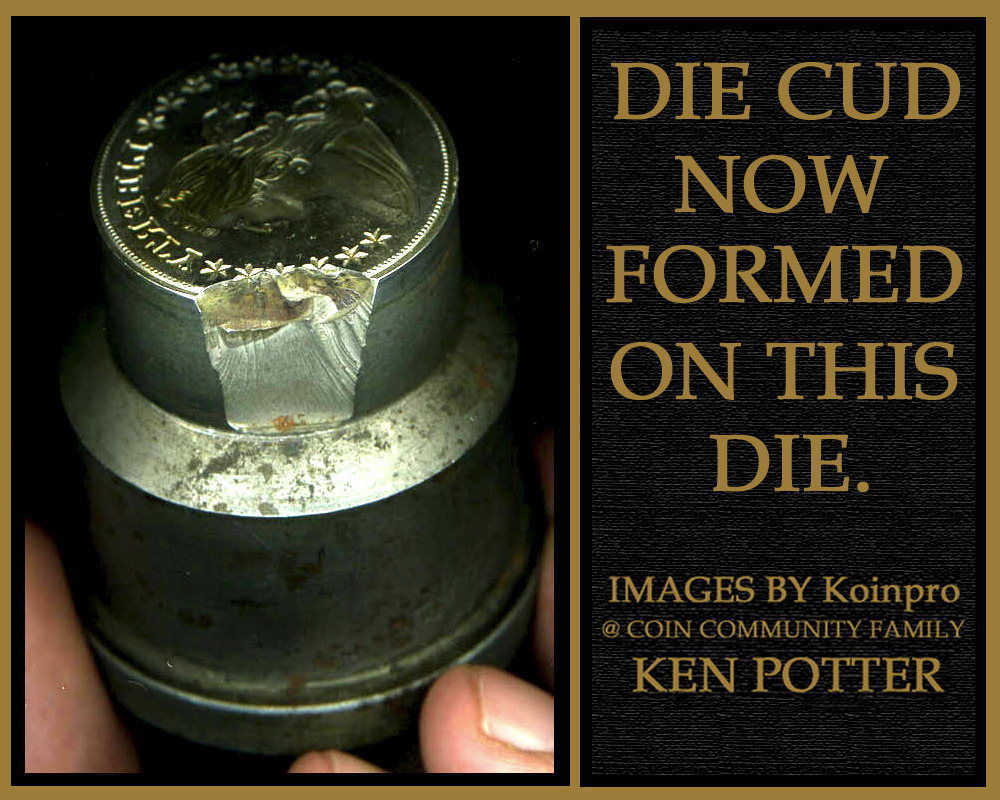 |
|
Bedrock of the Community
United States
78191 Posts |
Thank you very much Mark for providing a picture of what a broken die looks like! I appreciate it! I think that this is going to be transformed into an awesome and very educational thread for great information for viewers, if we can keep this thread going! Errers and Varietys.
Edited by Errers and Varietys
08/20/2018 10:06 pm
|
|
Pillar of the Community
Canada
2527 Posts |
For the die, you can also take a line drawing of a coin, mirror it, and black out some parts to represent the Cud areas. |
|
Bedrock of the Community
United States
78191 Posts |
Altaria, thank you for your suggestion! I should do that tomorrow later in the morning. Maybe I can add to my original drawing possibly? I'll update this thread tomorrow with an additional drawing of the reverse side. Errers and Varietys.
Edited by Errers and Varietys
08/21/2018 02:03 am
|
|
Pillar of the Community
Canada
2527 Posts |
You can! There's still a lot of blank space around that drawing of yours. I suggest including actual pictures of coins, so it's easily visible what a Cud means (also easier to show that reverse weakness). Just had another idea: the other die could be shaded in a different colour to signify an area that is unpaired now that the other die is broken, to match where the weakness is. |
|
Pillar of the Community
United States
7572 Posts |
Quote:
while the effort is appreciated, I am sorry but I see no benefit to this at all.  , I am sorry , it looks like a third grader's drawing and homework. There are ample detailed articles by experts readily available. Edited by Chase007
08/21/2018 1:33 pm
|
|
Pillar of the Community
United States
5240 Posts |
David, your effort is appreciated. The love for this hobby is apparent!
|
|
Bedrock of the Community
United States
78191 Posts |
Errers and Varietys.
Edited by Errers and Varietys
08/21/2018 2:30 pm
|
|
Pillar of the Community
United States
3402 Posts |
Nice effort put forth...appreciated.
KK
|
|
Bedrock of the Community
United States
78191 Posts |
Thank you Kurrency Ken! I trying my absolute best to make this thread as useful as possible. My love for this hobby is pretty apparent as you can see. Errers and Varietys.
|
|
Pillar of the Community
Canada
2527 Posts |
Line drawings should be straightforward, just pull up any random picture and trace the outlines. A little cheating when it comes to drawing, but easy.
|
| |
Replies: 16 / Views: 1,914 |







 Posted 08/20/2018 9:25 pm




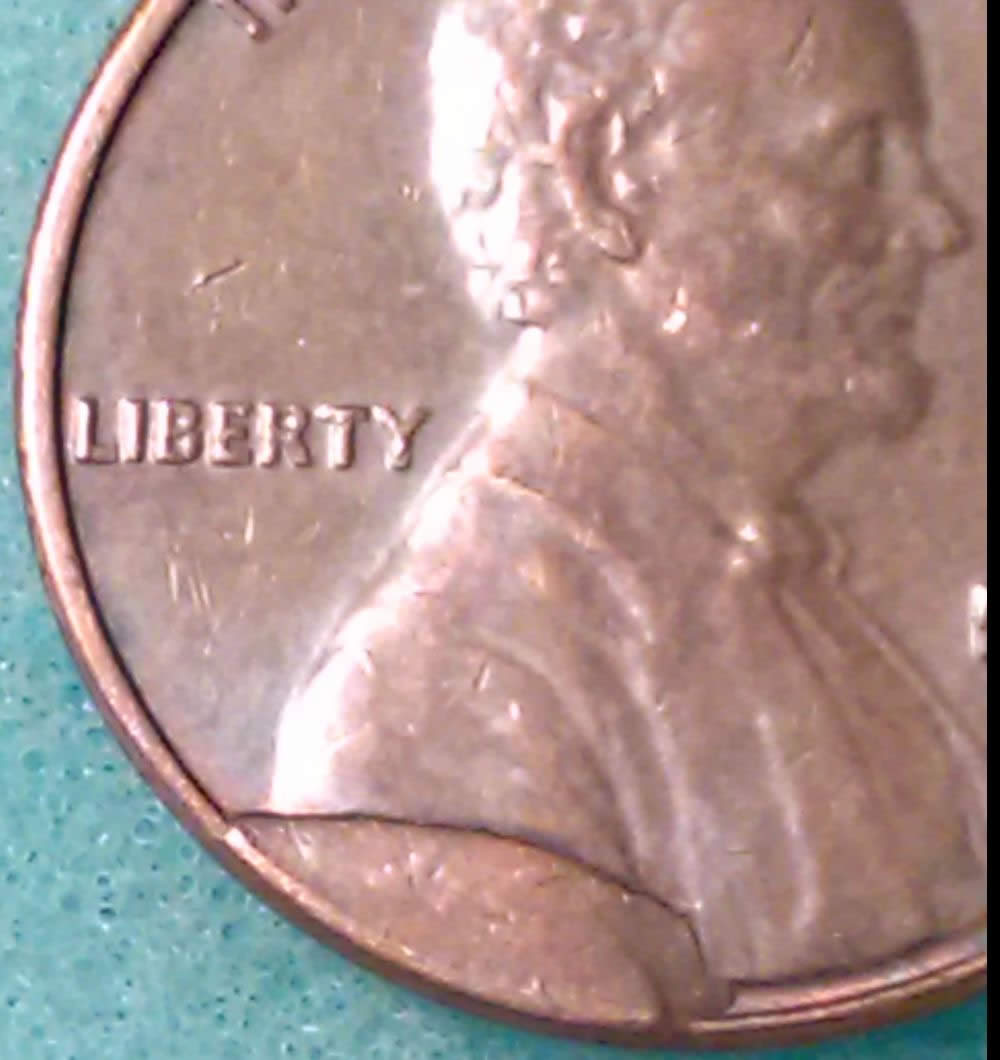
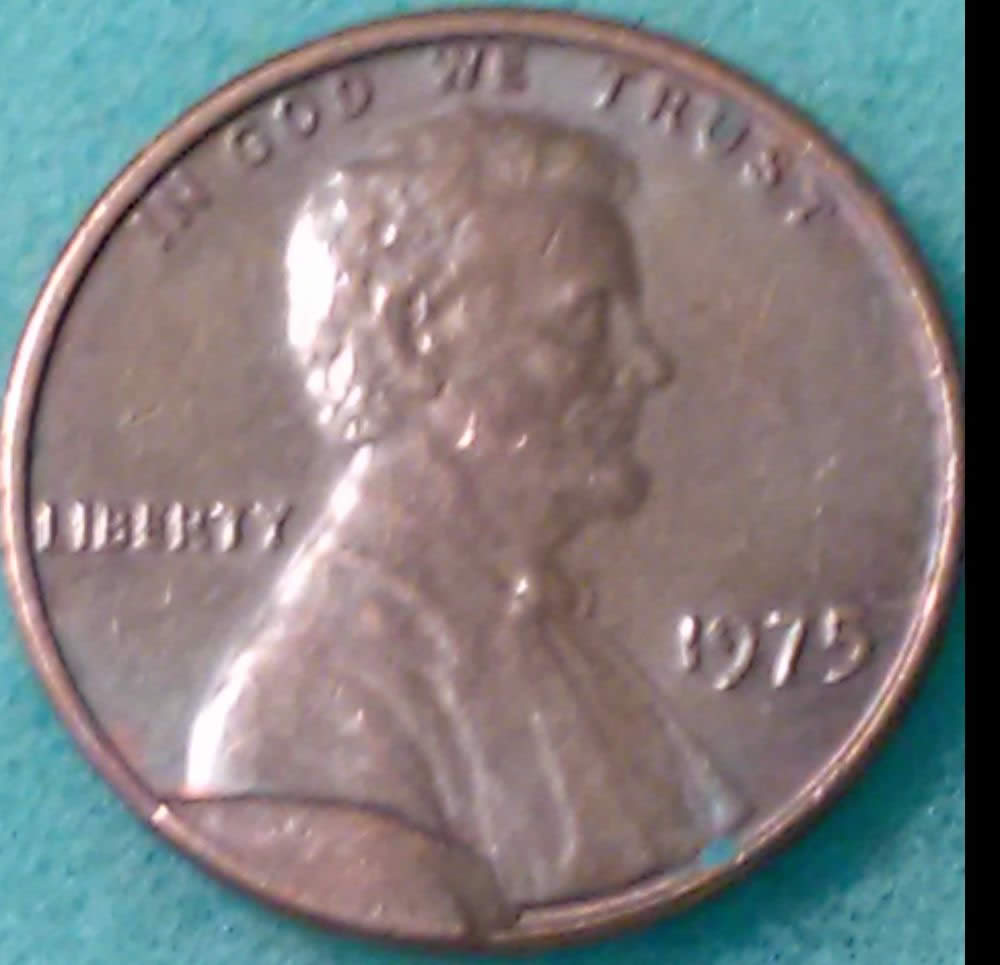


 Oh well, I love this hobby a lot, so it was an attempt to draw something useful hopefully.