| Author |
 Replies: 27 / Views: 9,631 Replies: 27 / Views: 9,631 |
|
|
|
Pillar of the Community
United States
2752 Posts |
CoinMom4 shows a coin that appears to represent an earlier stage in the formation of the die chip. Neat!
Error coin writer and researcher.
|
|
Pillar of the Community
United States
2589 Posts |
|
|
Valued Member
United States
202 Posts |
Looks like old George decided to get his ears pierced.
Edited by 1993Z
06/16/2019 8:05 pm
|
|
Valued Member
United States
223 Posts |
|
|
Pillar of the Community
United States
2752 Posts |
Steve Bernatowicz, whom I cite in both of my Coin World articles, suggests that the circular crack (and subsequent die chip) are both due to hubbing-induced brittle failure. The blank working die wasn't sufficiently annealed. As the hub pressed down upon the tip of the working die's cone-shaped face, a small circular crack developed. This led to worsening brittle failure as the press run proceeded. While speculative, it is certainly plausible and accounts for the perfect centering and near-perfect circularity of the defect. Error coin writer and researcher.
|
|
Pillar of the Community
 United States
5898 Posts |
Interesting die failure with resulting chip.
Just seeing this thread and noticed the incomplete "circle" on Coinmom's image as well.
(Another reason to like Mike, extremely knowledgeable and human. Thank you.)
Words of encouragement are one of the major food groups.
We need to consume them regularly to thrive and grow.
|
|
Valued Member
United States
485 Posts |
|
|
Valued Member
 United States
256 Posts |
Not intending to be OCD...but isn't a die chip's size categorized as 1mm or less, a small die break 1 to 3mm, and a large die break >3mm? What size do you determine to be of Washington's donut "die chip?"
|
|
Bedrock of the Community
United States
62064 Posts |
Thanks Mike:  |
|
Pillar of the Community
United States
2752 Posts |
It's entirely arbitrary what criteria one uses to distinguish between various forms of interior die breaks. Alan Herbert's criteria (which I believe you are citing) are just as arbitrary as anyone else's. I use a criterion of 4 square millimeters to distinguish between die chips and larger interior die breaks. But that's simply for my use and for anyone who chooses to adopt it.
Error coin writer and researcher.
|
|
Valued Member
United States
256 Posts |
Just received your follow up article in Coin World. Was looking forward to it and enjoyed it very much. I appreciate all your insight into the matter. Thank-you! |
|
Pillar of the Community
United States
7600 Posts |
I thought it would be more appropriate to re-visit this topic that was posted back in 2019. I came across One of these interior die breaks and wanted to share, all seem to have been minted in Philly ( although I live in the D minted coins district, Chicage suburb) and struck by the same die. Quite interesting. 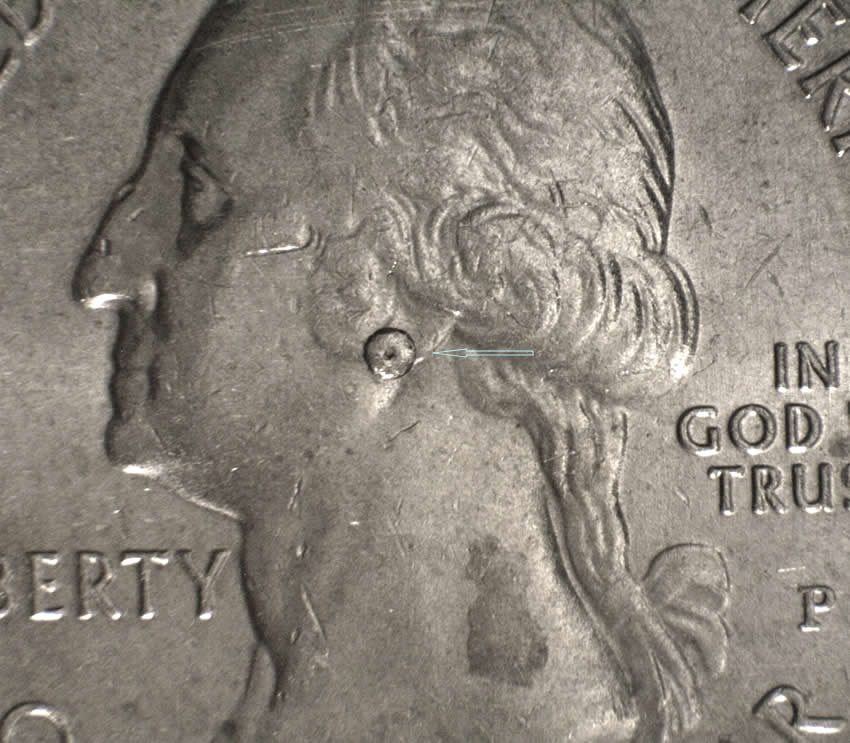 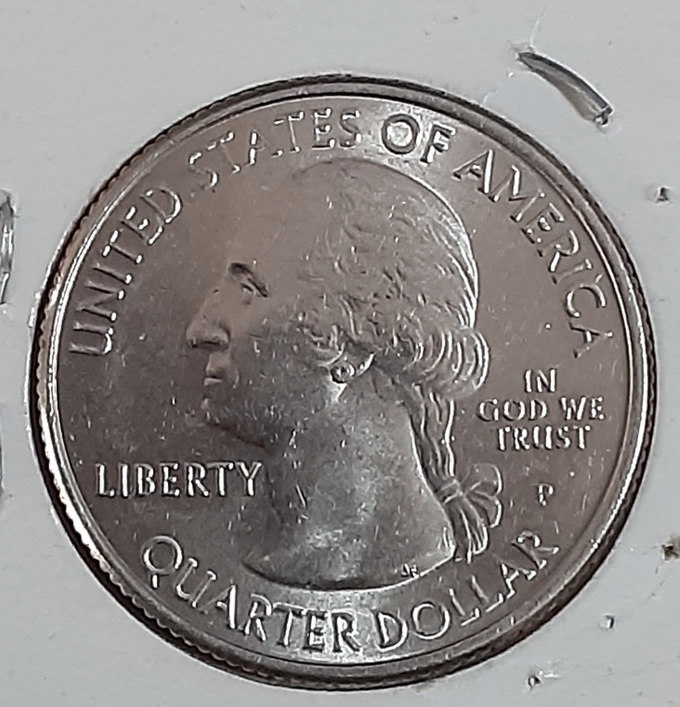 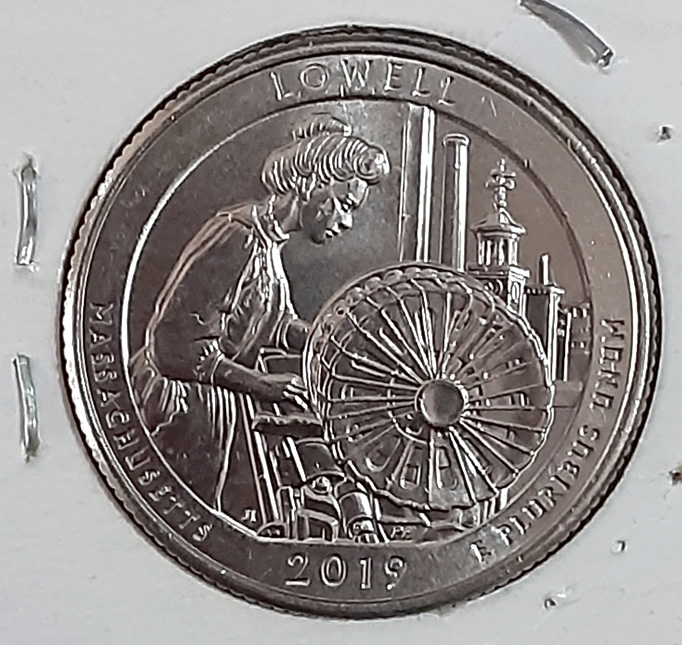 |
| |
Replies: 27 / Views: 9,631 |







 First Page


 Posted 06/15/2019 8:08 pm





