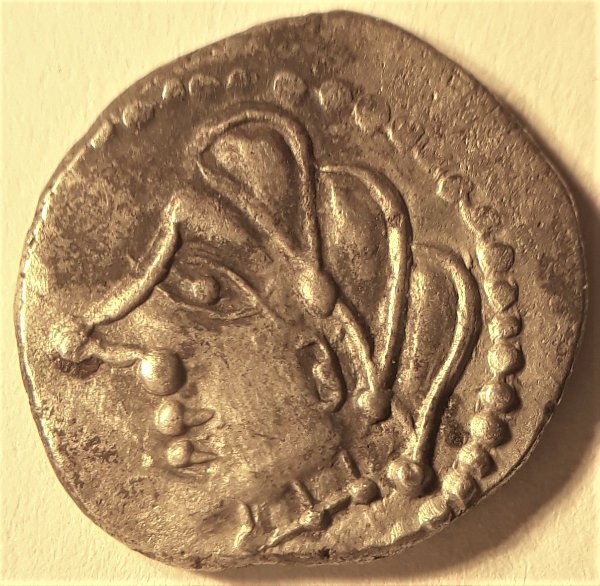
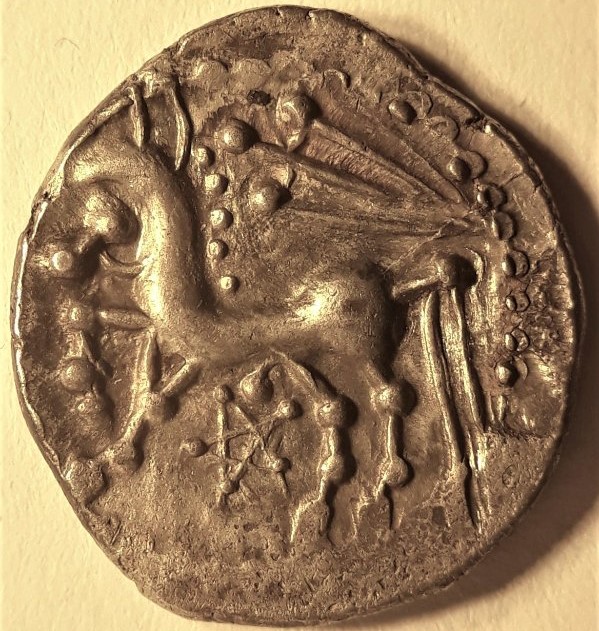
First Page
 Previous Page


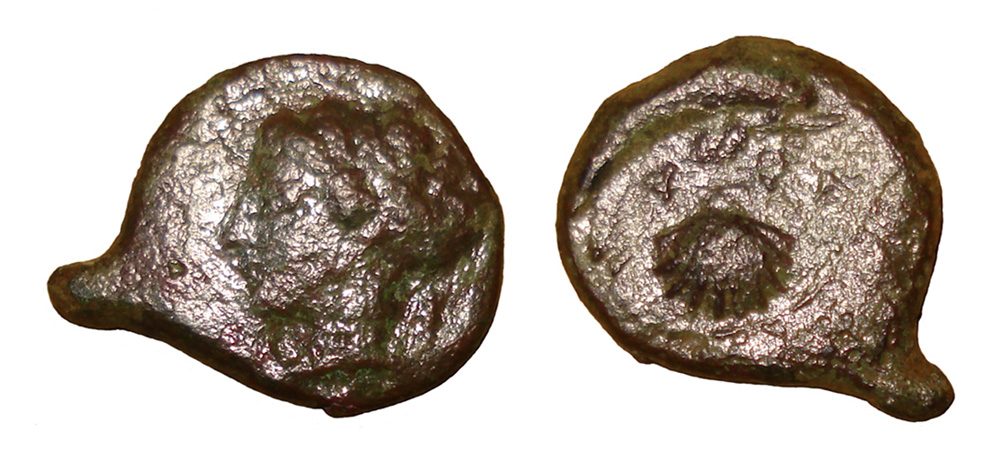

 Posted 02/02/2021 08:56 am


As requested, here is an index for the first 21 pages.
Page 1)
Julian II - Bull; Troas, Alexandria - Gallienus, Horse; Magnesia ad Maeandrum - Horse, Bull; Kyme, Aeolis - Horse forepart, one handled cup; Kyme, Aeolis - Eagle; City Commemorative, VRBS ROMA - Wolf and twins.
Page 2)
Alexandria, Troas - Caracalla, Wolf and twins; Parion, Mysia, Commodud - Capricorn; Kingdom of Pergamon, Mysia - Attalus II in the name of Philetairos, Coiled serpent; Kings of Northumbria, Eadberht; Thessalonica, Macedonia - Pegasos springing right.
Page 3)
Seleucus I - Elephant quadriga; Lysimachos Kingdom of Thrace - Lion charging; Shahis of Ohind AE Jital of Vakka Deva - Elephant, Lion; Thessalonica, Macedonia - Goat standing right; Lydian 1/2 stater - Lion head; Amphipolis, Macedonia - Two goats standing on their hind legs; Perseus, Kingdom of Macedonia - Eagle standing on thunderbolt; Seleukos I Nikator - Bull butting right.
Page 4)
Kujula Kadphises - Humped bull, Camel; Philip II Kingdom of Macedonia - Naked youth on horse; Philip V. Kingdom of Macedonia - Philip on horse rearing right; Seleukid Kingdom. Antiochos III Megas - Elephant standing left; Seleukid Kingdom, Demetrios I Soter - Horse's head, Elephant's head.
Page 5)
Seleucid Kingdom, Antiochos IV Epiphanes - Head of elephant; Seleukos I Nikator - Bull butting right; Antiochos VIII Gryptos - Eagle standing left; Seleucid Kingdom of Syria, Achaios - Eagle standing right; Lysimachia, Thrace - Head of a lion.
Page 6)
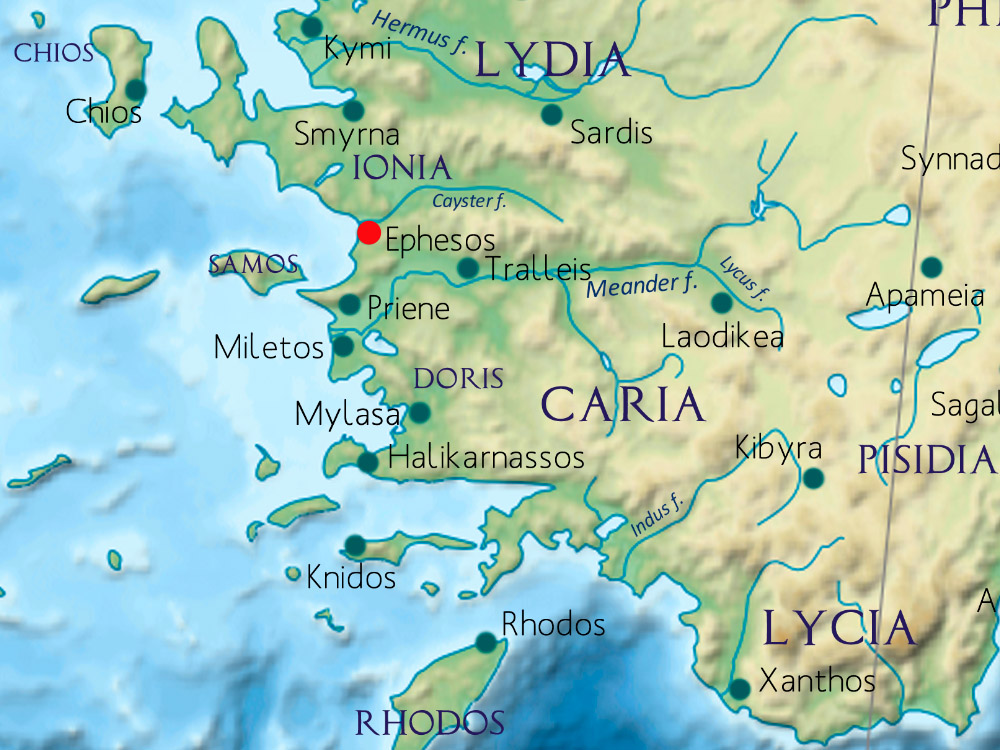
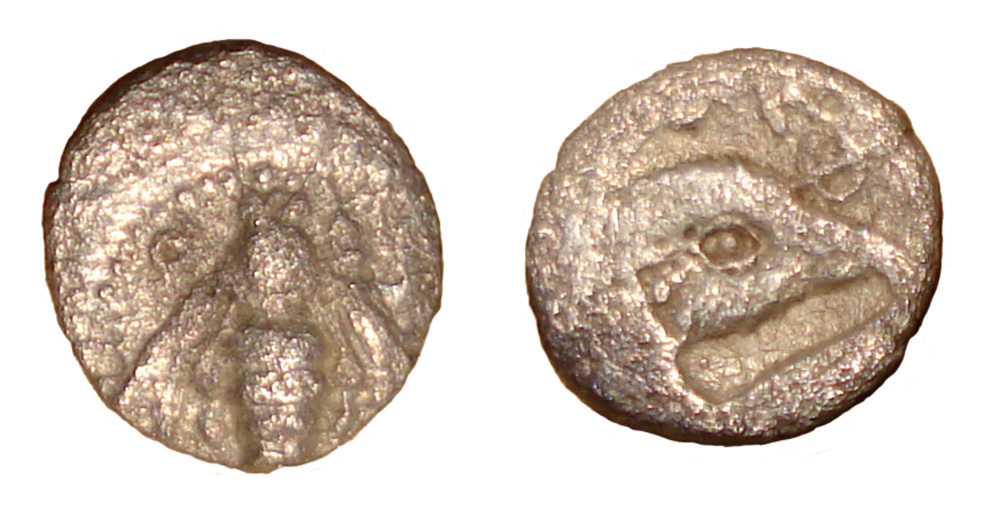
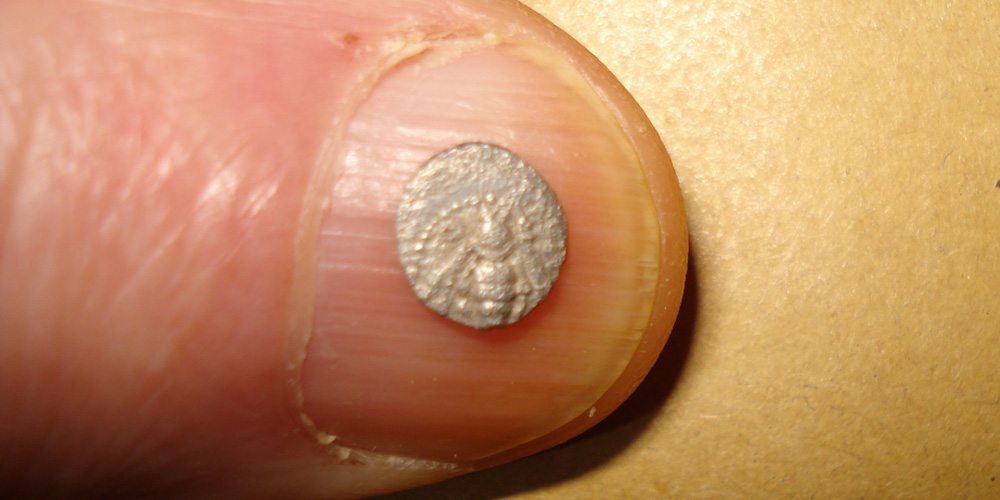
Kebren, Troas - Ram's head right; Skepsis, Troas - Forepart of Pegasos; Ephesos, Ionia - Bee with straight wings, Stag kneeling left; Ephesos, Ionia - Bee with straight wings; Kyme, Aeolis - Forepart of horse.
Page 7)
Atarneos, Mysia - Forepart of horse; Elaia, Aeolis - Rider with raised arm on horse; Cleopatra & Antiochos VIII. - Owl standing right; Pergamon, Mysia - Owl facing, wings spread.
Page 8)
Ephesos, Ionia - Bee with spread wings; Sicily, Akragas - Eagle left, holding a hare; Dionysios I. Syracuse, Sicily - Hippocamp left; Pergamon, Mysia - Serpent-entwined staff of Asklepios; Macedonian Kingdom, Perseus - Eagle, wings open, standing.
Page 9)
Perge, Pamphylia - Sphinx, wearing kalathos; "Did you say griffin?"; Mysian tunny hekte. Electrum; Sicily, Akragas - Eagle right and Fish, Crab and two Fish; Nagas of Padmavati - Hump-backed bull; Mysia, Priapos - Crayfish.
Page 10)
Mysia. Kyzikos - Tunny below amphora; Klazomenai, Ionia - Swan standing left; Athens Owl + Forepart of lion Thrace + Slightly mis-shapen turtle + Head of cow; Carthage - Horses head with three pellets; Philip II - Horse and rider; Alexandria, Troas - Horse grazing left; Sicily, Akragas - Eagle standing on dead hare. Crab with tunny fish below.
Page 11)
Troas, Dardanos - Rider on horse, Cockerel standing right; Parion, Mysia - Bull standing head turned back; Troas, Gergis - Sphinx sitting right; Lysimachos, Kingdom of Thrace - Forepart of lion right; Antigonos II Gonatas. Kingdom of Macedonia - Horseman right.
Page 12)
Ionia, Leukai - Swan standing left; Thrace, Pantikapaion - Forepart of Pegasos right; Mysia, Adramytteion - Eagle standing on altar, wings closed; Thrace, Cherronesos - Lion's head left; Cilicia, Tarsos - Sandan/Heracles standing on horned and winged lion.
Page 13)
Cyzicus (Kyzikos), Mysia - Forepart of running boar, Head of roaring lion; Plakia, Mysia - Lion right, devouring prey; Thessaly, Metropolis - Dove with wreath in beak; Eion, Macedonia - Goose standing right; Selge, Pisidia - Forepart of stag; Ionia, Magnesia ad Maeandrum - Horse pacing right.
Page 14)
"Large and little coins"; Thrace Sarmatia, Olbia - Dolphin swimming left; Ionia Phokaia - Head of Griffin left; Spain, Castulo - Bull right; Ionia, Miletus - Lion walking left.
Page 15)
Ionia, Miletus - lion standing right, looking back at star in upper field; Ionia, Miletos - Lion standing right; Lycia, Termessos Minor - Eagle standing right on kerykeion; Aeolis, Aigai - Forepart of goat right; Pisidia, Komama - Lion bounding right; Sicily, Leontini - Forepart of roaring lion left; Cyprus, Marion - Head of roaring lion right; Mysia, Pergamon - Two bulls' heads facing.
Page 16)
Sicily, Motya, Siculo-Punic issue - Crab; Euboia, Euboian League - Cow recumbent to left; Larissa, Thessaly - horse standing left; Egypt, Ptolemy VI? - Eagle standing left with closed wings; Amyntas III, Kingdom of Macedonia.
Page 17)
Sicily, Panormos - Livia seated right, Ram standing left; Egypt, Ptolemy VI Philometor - Head of Zeus Ammon, Eagle standing left; Parion, Mysia - Bull butting right, Lit altar; Aeolis, Kyme - Forepart of prancing horse right, Rosette; Aeolis, Kyme - Eagle's head left, Shallow quadripartite incuse square.
Page 18)
Coin storage; Cilicia, Hieropolis-Kastabala - Veiled and turreted head of Tyche right, Eagle standing left; Caria, Kaunos - Bull butting right, Sphinx seated right; Seleukid Kings Of Syria - Antiochos VI Dionysos, Radiate and diademed head right, Elephant advancing left; Thessaly, Trikka - Head of nymph Trikka to right, Young Asklepios seated on stool to right; Sicily, Syracuse - Head of Arethusa left, Forepart of Pegasos left; Sicily, Syracuse - Head of Arethusa facing, Octopus.
Page 19)
Sicily, Syracuse - Head of Kore left, Bull butting left, dolphin and Φ above, dolphin below; Sicily, Syracuse - Hieron II. Head of Persephone left, Bull butting left; Sicily, Syracuse - Head of Athena left, wearing Corinthian helmet, Hippocamp left; Sicily, Syracuse - reign of Hieron II. Diademed head of Hieron left, Cavalryman charging on horseback right; Mysian stater with the kneeling man and his tuna; Mysia, Lampsakos - Head of bearded Poseidon right,Forepart Pegasos right.
Page 20)
Macedon, Paroreia - Laureate head of Zeus right, Eagle standing right on thunderbolt; Kings of Macedon - Pausanias, Young male head to right, wearing tainia, Forepart of boar right; Sicily, Syracuse - reign of Hiketas. Head of Persephone left, Galloping biga driven right by charioteer; Aeolis, Boione - Female head right, Bull standing right; Troas, Alexandria - Turreted bust of Tyche right, Eagle flying right.
Page 21)
Aiolis, Aigai - Laureate head of Apollo right, ΑΙΓΑΕ behind goat's head; Aiolis, Aigai - Laureate head of Apollo right, Head of goat right; Ionia, Teos - Magistrate Polythros. Griffin springing right, Lyre, THIΩΝ above, magistrate's name ΠOΛY / ΘΡOYΣ; Ionia, Teos - Griffin standing right, Kantharos, THIΩΝ around; Macedon, Thessalonika - Pseudo-autonomous, Helmeted head of Athena to right, Horse galloping to right. Plus one from january1may.
Page 1)
Julian II - Bull; Troas, Alexandria - Gallienus, Horse; Magnesia ad Maeandrum - Horse, Bull; Kyme, Aeolis - Horse forepart, one handled cup; Kyme, Aeolis - Eagle; City Commemorative, VRBS ROMA - Wolf and twins.
Page 2)
Alexandria, Troas - Caracalla, Wolf and twins; Parion, Mysia, Commodud - Capricorn; Kingdom of Pergamon, Mysia - Attalus II in the name of Philetairos, Coiled serpent; Kings of Northumbria, Eadberht; Thessalonica, Macedonia - Pegasos springing right.
Page 3)
Seleucus I - Elephant quadriga; Lysimachos Kingdom of Thrace - Lion charging; Shahis of Ohind AE Jital of Vakka Deva - Elephant, Lion; Thessalonica, Macedonia - Goat standing right; Lydian 1/2 stater - Lion head; Amphipolis, Macedonia - Two goats standing on their hind legs; Perseus, Kingdom of Macedonia - Eagle standing on thunderbolt; Seleukos I Nikator - Bull butting right.
Page 4)
Kujula Kadphises - Humped bull, Camel; Philip II Kingdom of Macedonia - Naked youth on horse; Philip V. Kingdom of Macedonia - Philip on horse rearing right; Seleukid Kingdom. Antiochos III Megas - Elephant standing left; Seleukid Kingdom, Demetrios I Soter - Horse's head, Elephant's head.
Page 5)
Seleucid Kingdom, Antiochos IV Epiphanes - Head of elephant; Seleukos I Nikator - Bull butting right; Antiochos VIII Gryptos - Eagle standing left; Seleucid Kingdom of Syria, Achaios - Eagle standing right; Lysimachia, Thrace - Head of a lion.
Page 6)
Kebren, Troas - Ram's head right; Skepsis, Troas - Forepart of Pegasos; Ephesos, Ionia - Bee with straight wings, Stag kneeling left; Ephesos, Ionia - Bee with straight wings; Kyme, Aeolis - Forepart of horse.
Page 7)
Atarneos, Mysia - Forepart of horse; Elaia, Aeolis - Rider with raised arm on horse; Cleopatra & Antiochos VIII. - Owl standing right; Pergamon, Mysia - Owl facing, wings spread.
Page 8)
Ephesos, Ionia - Bee with spread wings; Sicily, Akragas - Eagle left, holding a hare; Dionysios I. Syracuse, Sicily - Hippocamp left; Pergamon, Mysia - Serpent-entwined staff of Asklepios; Macedonian Kingdom, Perseus - Eagle, wings open, standing.
Page 9)
Perge, Pamphylia - Sphinx, wearing kalathos; "Did you say griffin?"; Mysian tunny hekte. Electrum; Sicily, Akragas - Eagle right and Fish, Crab and two Fish; Nagas of Padmavati - Hump-backed bull; Mysia, Priapos - Crayfish.
Page 10)
Mysia. Kyzikos - Tunny below amphora; Klazomenai, Ionia - Swan standing left; Athens Owl + Forepart of lion Thrace + Slightly mis-shapen turtle + Head of cow; Carthage - Horses head with three pellets; Philip II - Horse and rider; Alexandria, Troas - Horse grazing left; Sicily, Akragas - Eagle standing on dead hare. Crab with tunny fish below.
Page 11)
Troas, Dardanos - Rider on horse, Cockerel standing right; Parion, Mysia - Bull standing head turned back; Troas, Gergis - Sphinx sitting right; Lysimachos, Kingdom of Thrace - Forepart of lion right; Antigonos II Gonatas. Kingdom of Macedonia - Horseman right.
Page 12)
Ionia, Leukai - Swan standing left; Thrace, Pantikapaion - Forepart of Pegasos right; Mysia, Adramytteion - Eagle standing on altar, wings closed; Thrace, Cherronesos - Lion's head left; Cilicia, Tarsos - Sandan/Heracles standing on horned and winged lion.
Page 13)
Cyzicus (Kyzikos), Mysia - Forepart of running boar, Head of roaring lion; Plakia, Mysia - Lion right, devouring prey; Thessaly, Metropolis - Dove with wreath in beak; Eion, Macedonia - Goose standing right; Selge, Pisidia - Forepart of stag; Ionia, Magnesia ad Maeandrum - Horse pacing right.
Page 14)
"Large and little coins"; Thrace Sarmatia, Olbia - Dolphin swimming left; Ionia Phokaia - Head of Griffin left; Spain, Castulo - Bull right; Ionia, Miletus - Lion walking left.
Page 15)
Ionia, Miletus - lion standing right, looking back at star in upper field; Ionia, Miletos - Lion standing right; Lycia, Termessos Minor - Eagle standing right on kerykeion; Aeolis, Aigai - Forepart of goat right; Pisidia, Komama - Lion bounding right; Sicily, Leontini - Forepart of roaring lion left; Cyprus, Marion - Head of roaring lion right; Mysia, Pergamon - Two bulls' heads facing.
Page 16)
Sicily, Motya, Siculo-Punic issue - Crab; Euboia, Euboian League - Cow recumbent to left; Larissa, Thessaly - horse standing left; Egypt, Ptolemy VI? - Eagle standing left with closed wings; Amyntas III, Kingdom of Macedonia.
Page 17)
Sicily, Panormos - Livia seated right, Ram standing left; Egypt, Ptolemy VI Philometor - Head of Zeus Ammon, Eagle standing left; Parion, Mysia - Bull butting right, Lit altar; Aeolis, Kyme - Forepart of prancing horse right, Rosette; Aeolis, Kyme - Eagle's head left, Shallow quadripartite incuse square.
Page 18)
Coin storage; Cilicia, Hieropolis-Kastabala - Veiled and turreted head of Tyche right, Eagle standing left; Caria, Kaunos - Bull butting right, Sphinx seated right; Seleukid Kings Of Syria - Antiochos VI Dionysos, Radiate and diademed head right, Elephant advancing left; Thessaly, Trikka - Head of nymph Trikka to right, Young Asklepios seated on stool to right; Sicily, Syracuse - Head of Arethusa left, Forepart of Pegasos left; Sicily, Syracuse - Head of Arethusa facing, Octopus.
Page 19)
Sicily, Syracuse - Head of Kore left, Bull butting left, dolphin and Φ above, dolphin below; Sicily, Syracuse - Hieron II. Head of Persephone left, Bull butting left; Sicily, Syracuse - Head of Athena left, wearing Corinthian helmet, Hippocamp left; Sicily, Syracuse - reign of Hieron II. Diademed head of Hieron left, Cavalryman charging on horseback right; Mysian stater with the kneeling man and his tuna; Mysia, Lampsakos - Head of bearded Poseidon right,Forepart Pegasos right.
Page 20)
Macedon, Paroreia - Laureate head of Zeus right, Eagle standing right on thunderbolt; Kings of Macedon - Pausanias, Young male head to right, wearing tainia, Forepart of boar right; Sicily, Syracuse - reign of Hiketas. Head of Persephone left, Galloping biga driven right by charioteer; Aeolis, Boione - Female head right, Bull standing right; Troas, Alexandria - Turreted bust of Tyche right, Eagle flying right.
Page 21)
Aiolis, Aigai - Laureate head of Apollo right, ΑΙΓΑΕ behind goat's head; Aiolis, Aigai - Laureate head of Apollo right, Head of goat right; Ionia, Teos - Magistrate Polythros. Griffin springing right, Lyre, THIΩΝ above, magistrate's name ΠOΛY / ΘΡOYΣ; Ionia, Teos - Griffin standing right, Kantharos, THIΩΝ around; Macedon, Thessalonika - Pseudo-autonomous, Helmeted head of Athena to right, Horse galloping to right. Plus one from january1may.
Edited by Novicius
02/02/2021 6:06 pm
02/02/2021 6:06 pm


 ....Thanks for spending the time doing this really appreciated!




 Thanks for sharing, Jim.

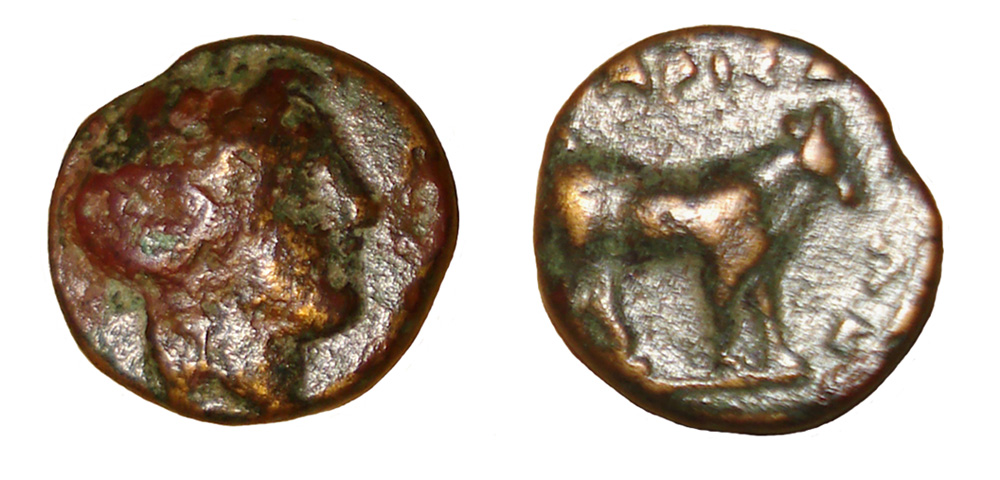

 . Gallic coins, to be more precise.