| Author |
 Replies: 7,432 / Views: 410,323 Replies: 7,432 / Views: 410,323 |
|
|
|
Bedrock of the Community
United Kingdom
19153 Posts |
1791 British Spade Guinea: 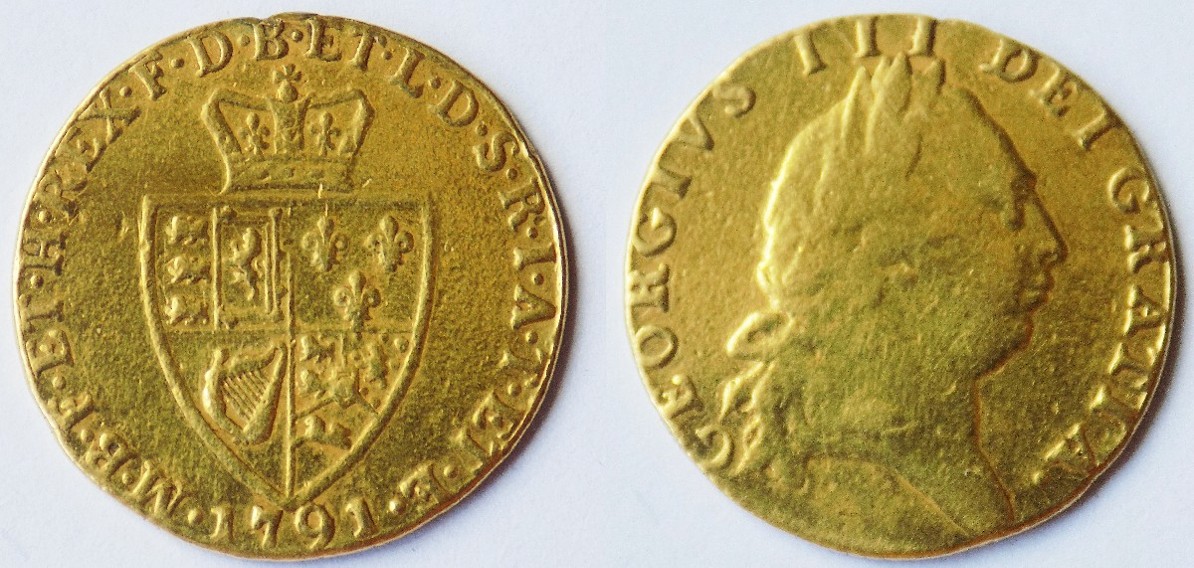 |
|
Pillar of the Community
 Sweden
2124 Posts |
France 1791, 2 sols, Paris/Couvent des Barnabites (A with dot).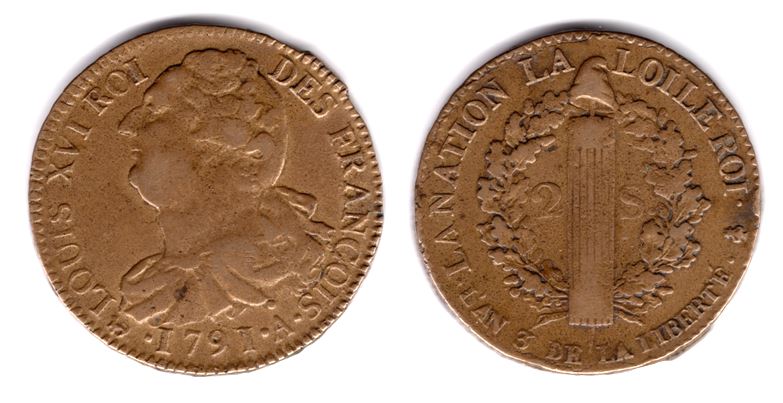 1791 is a transitional year for French coins. The old pre-revolutionary coins are still striked, but new designs like this one now appear. It is two years after the revolution and Louis XVI still sits, but stripped of the absolute powers he used to have. The coins no longer say that he is "King of France by the Grace of God" - he is now ROI DES FRANÇOIS, "King of the French." Meaning, the French can do away with him, if they want (and it is only one more year before they do). Also, the inscription is in French, not Latin as it used to be. The reverse states LA NATION LA LOI LE ROI - "The Nation, The Law, The King," in that order. By this time, production of bronze coins from melted church bells was in full swing. This coin was made in a temporary mint set up in the Church of Barnabites, located on the island Île de la Cite in Paris (where also Notre Dame is located). Its bells fell victim to the money making, possibly in this very coin. France 1791, 1 sol, Paris (A).Still during the second half of 1791, pre-revolutionary coins like this are minted. 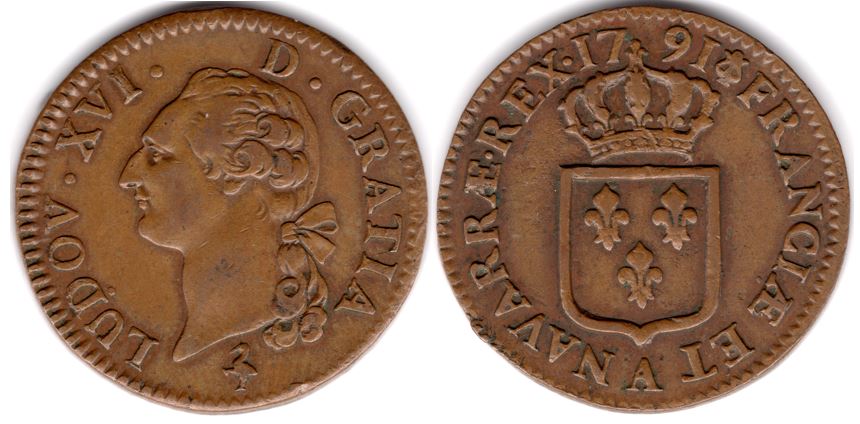
|
|
Pillar of the Community
4628 Posts |
I love your history lessons and in a thread like this, its all reverse history, 3 years further back and he will be absolute ruler with no variations.
That portrait of him on the 1792 coins is not flattering at all, then again what late 18th century ruler was an oil painting, big nose Charles III and IV of Spain, George III of England, the pin head Christian VII of Denmark or Louis and his chins.
In this post wigged up era, what was left before the sideburns and flashy hair of the 1810s and 1820s. Napoleon's emergence at least bought some glamour back to rulers (Of course I am no oil painting).
|
|
Pillar of the Community
United States
2289 Posts |
1791 half penny 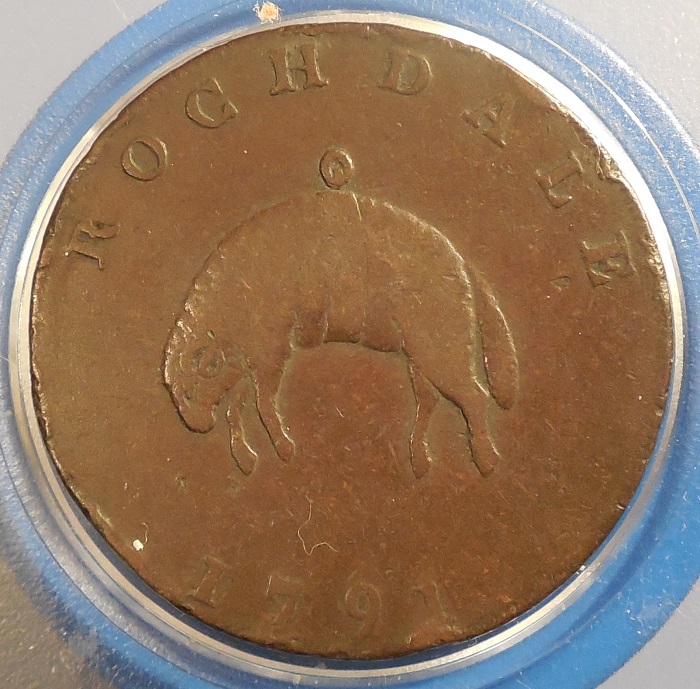 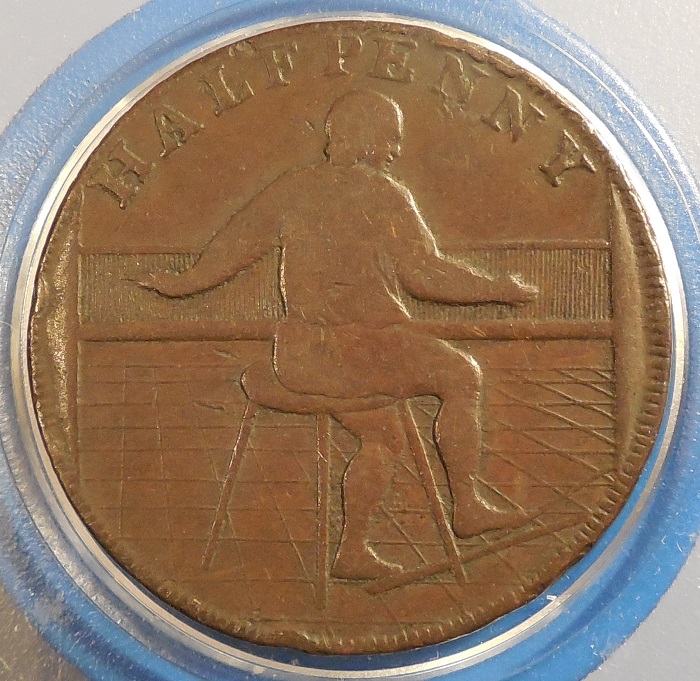 |
|
Pillar of the Community
United States
2645 Posts |
|
|
Moderator
 United States
34572 Posts |
Here is a Grano from the Italian City State of Naples & Sicily dated 1791: 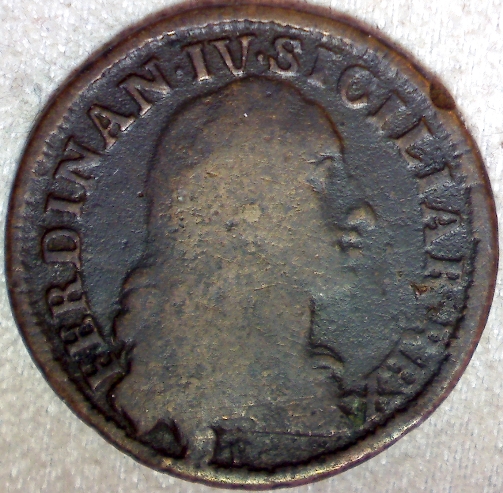 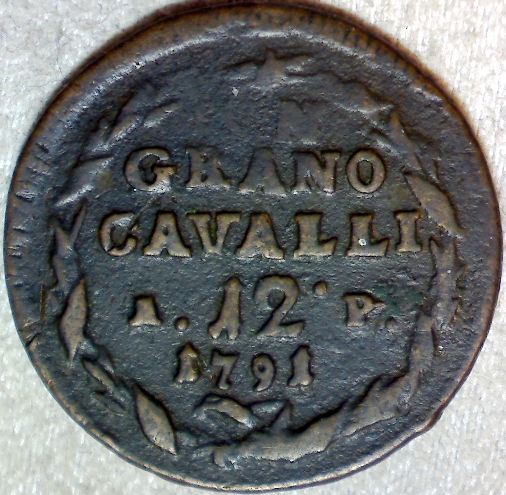 "If you climb a good tree, you get a push."
-----Ghanaian proverb
"The danger we all now face is distinguishing between what is authentic and what is performed."
-----King Adz
|
|
Bedrock of the Community
United States
12057 Posts |
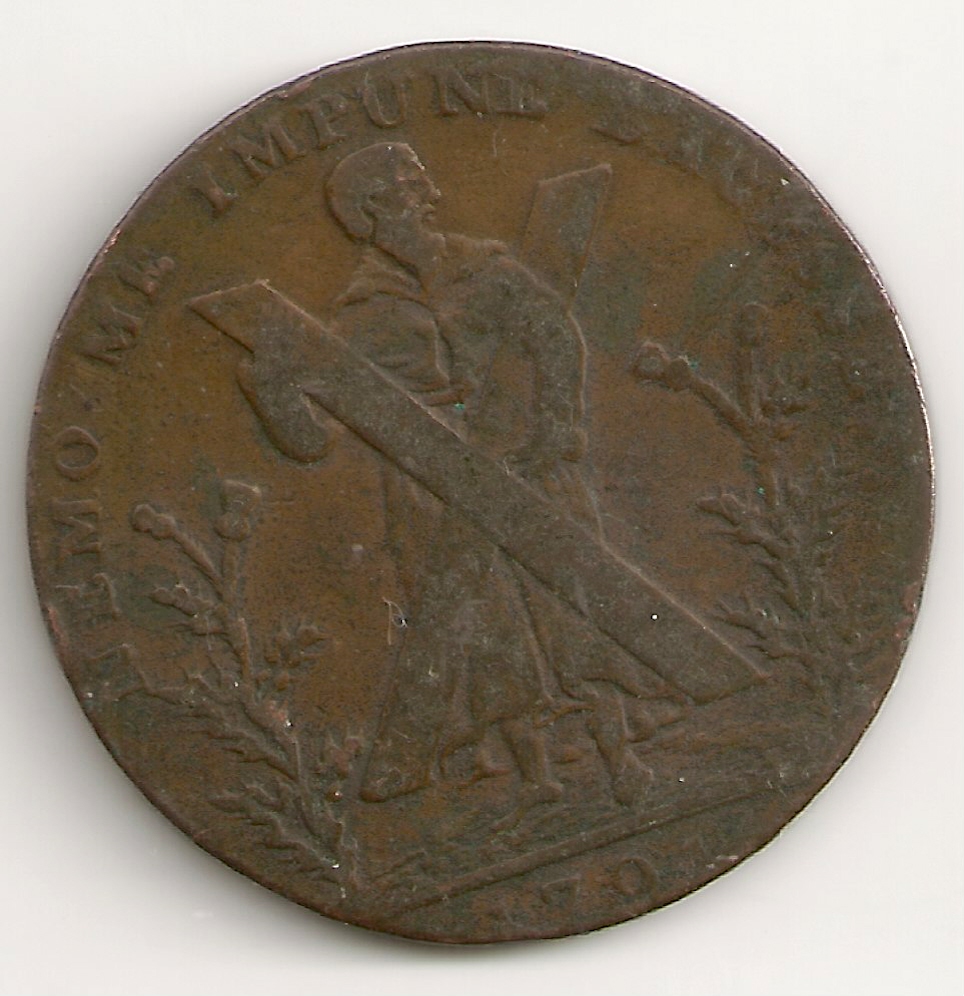
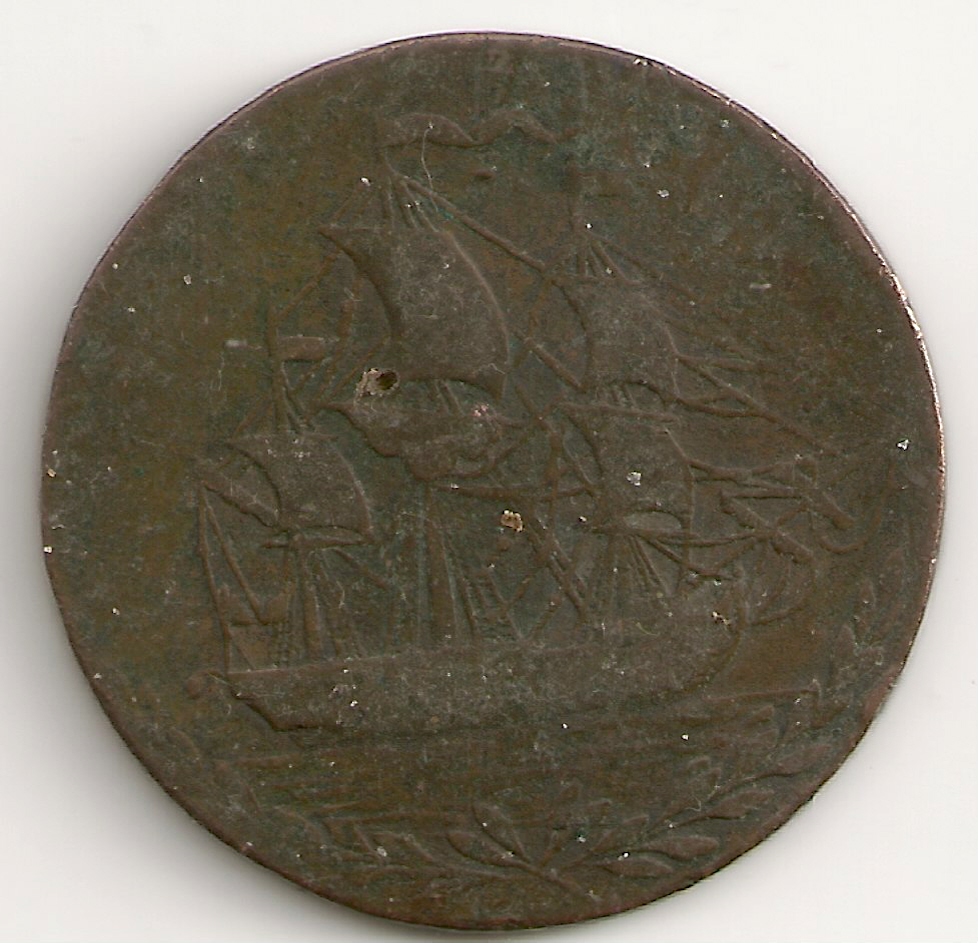
The history lessons are always welcome. This 1791 halfpenny token features the River Clyde and its personification in Father Clyde. Note the Latin on the reverse: NUNQUAM ARESCERE (Never to dry), but probably meant to be understood/interpreted as reflecting an hortative mood (May it never dry up!) You can see that the engraver had to make a hasty correction for the C in ARESCERE. D&H Lanarkshire 3c (Glasgow) 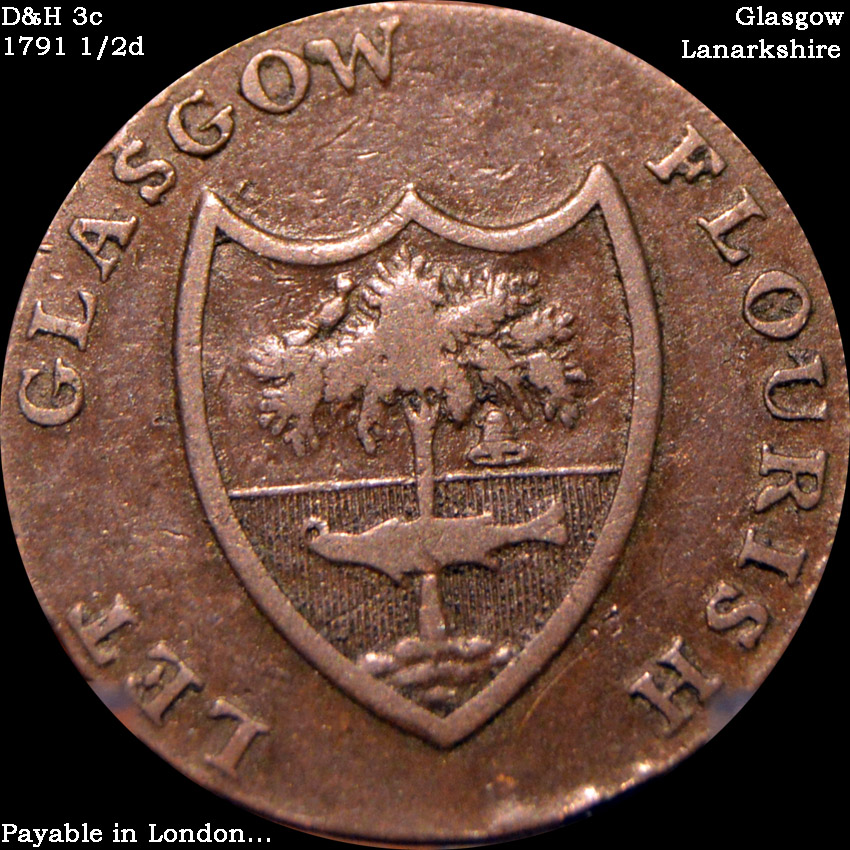 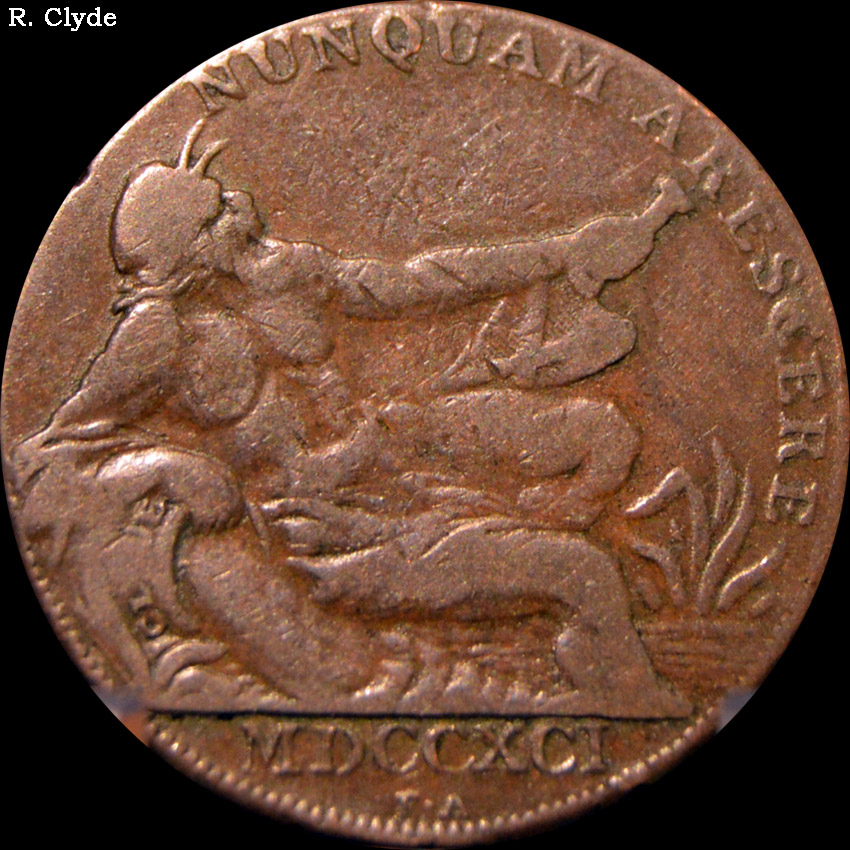 This one from Leeds features the enigmatic Bishop Blaize -- not the famous football pub at Old Trafford in Stretford, Manchester which bears his name, but the patron saint of wool combers, the sheep and lamb business being a vital industry in Leeds, and in all of England, in the late 18th c. The "Bishop Blaize" obverse, with the Bishop's dual-pointed miter and shepherd's crozier, was used on a large variety of tokens, most notably from various merchants, towns and cities in Devonshire, Lancashire and Yorkshire. Much like the Rochdale token above (Lancashire), this token also has a lamb, in this case on the Leeds city arms. ARTIS NOSTRAE CONDITOR - Founder of our craft (the wool industry.) D&H Yorkshire 44 (Leeds) 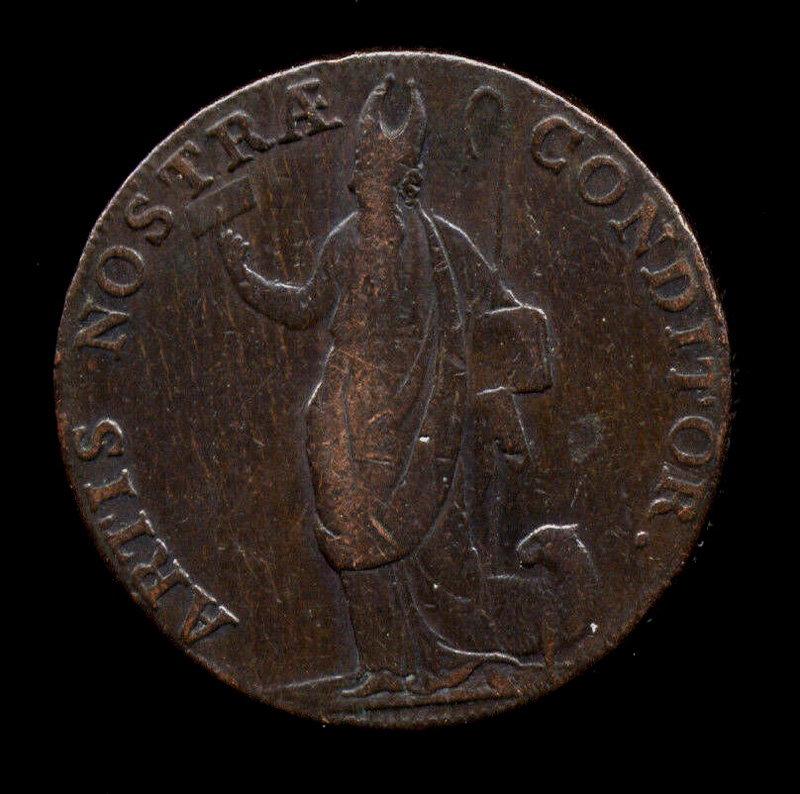 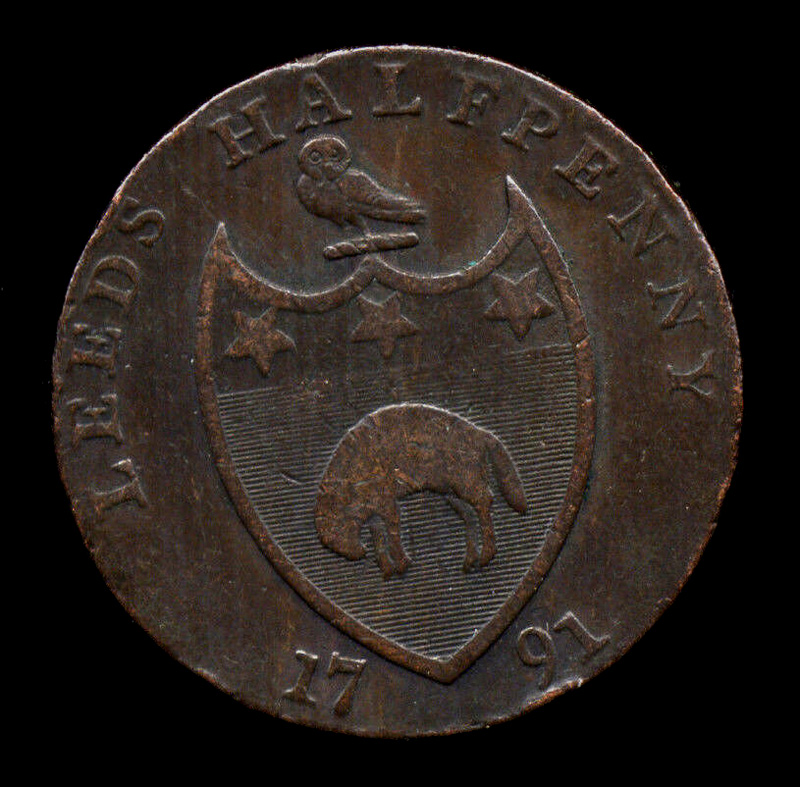 Member ANA - EAC - TNA - SSDC - CCT #890 "Most of the things worth doing in the world had been declared impossible before they were done." -- Louis D. Brandeis Edited by paralyse
09/06/2020 6:12 pm
|
|
Bedrock of the Community
United States
12057 Posts |
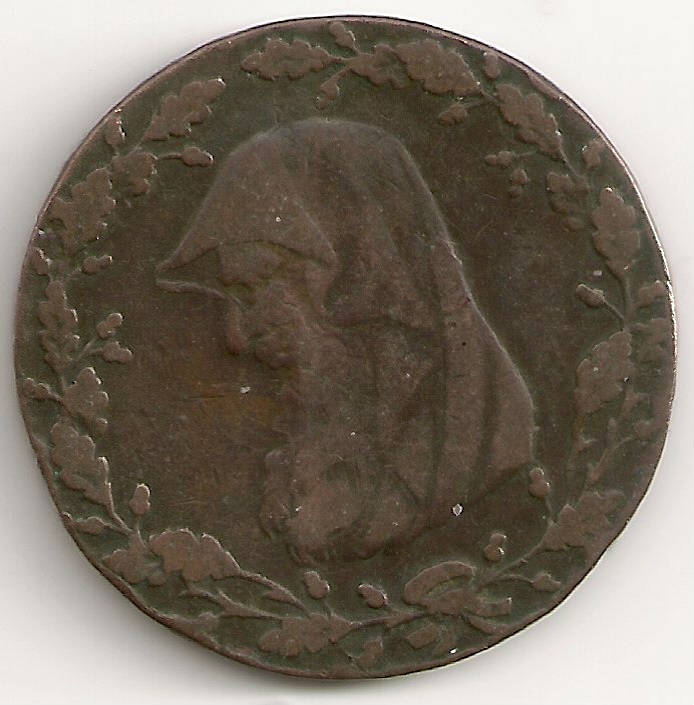
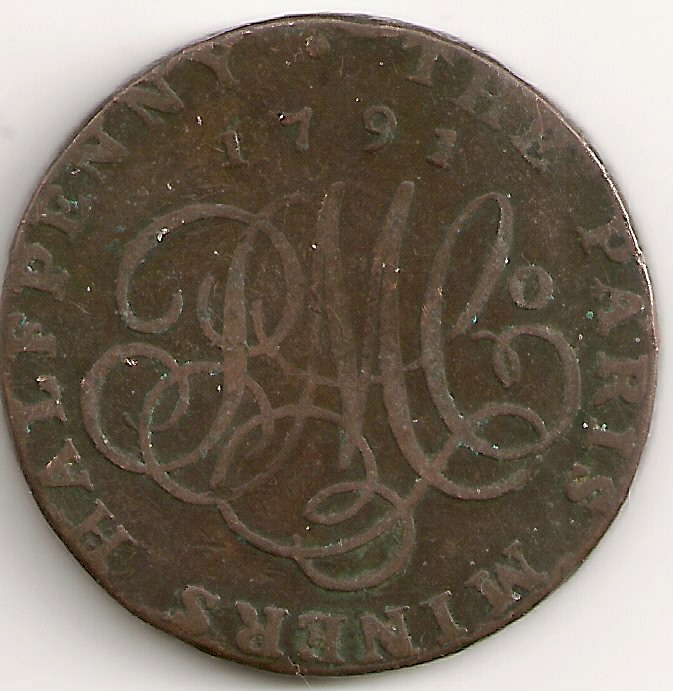
A 1791 Halfpenny token from Macclesfield in Cheshire. Charles Roe, depicted on the obverse, founded the successful silk processing industry in Cheshire; after the industry crashed in the 1750s, he got into the copper smelting business, processing ore for mines, including those in Anglesey, home of the Parys Miners Company as seen on one of the Druid Head tokens posted above! Neither Roe (nor his businesses) survived by the time this token was struck. 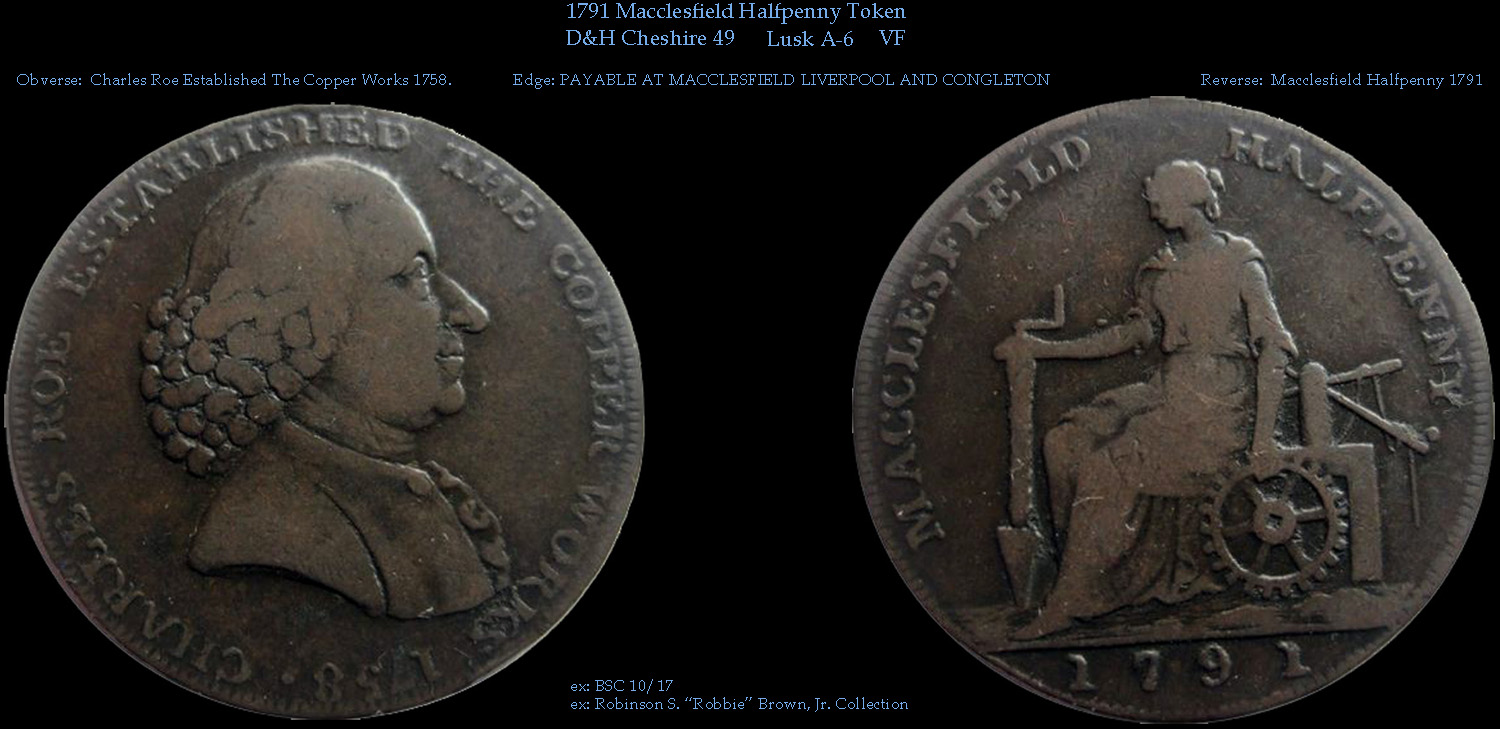 Member ANA - EAC - TNA - SSDC - CCT #890 "Most of the things worth doing in the world had been declared impossible before they were done." -- Louis D. Brandeis Edited by paralyse
09/06/2020 6:21 pm
|
|
Pillar of the Community
United States
9395 Posts |
1790 -- Archduchy of Austria, 1 kreutzer: 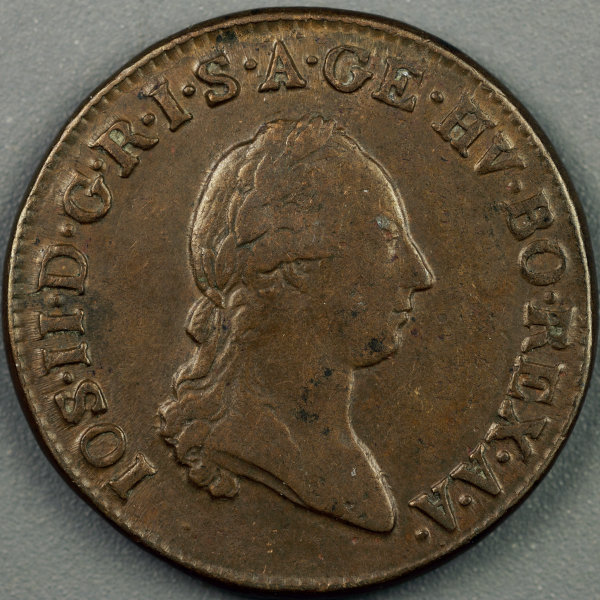 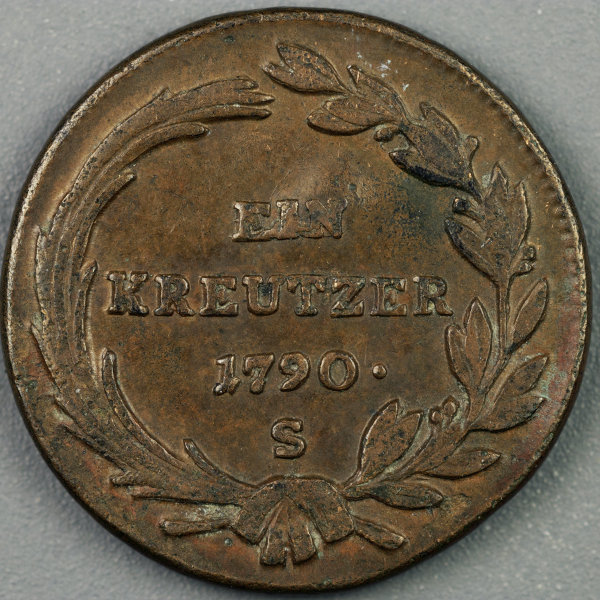 |
|
Pillar of the Community
Sweden
2124 Posts |
Quote:
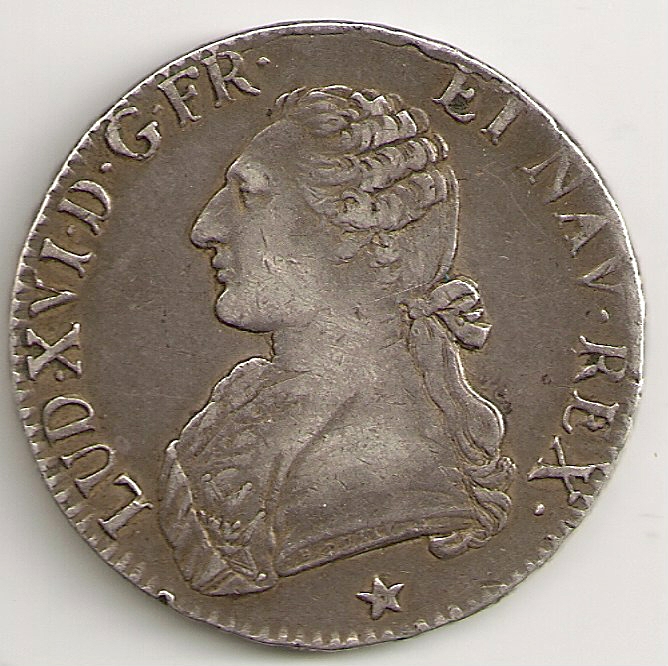
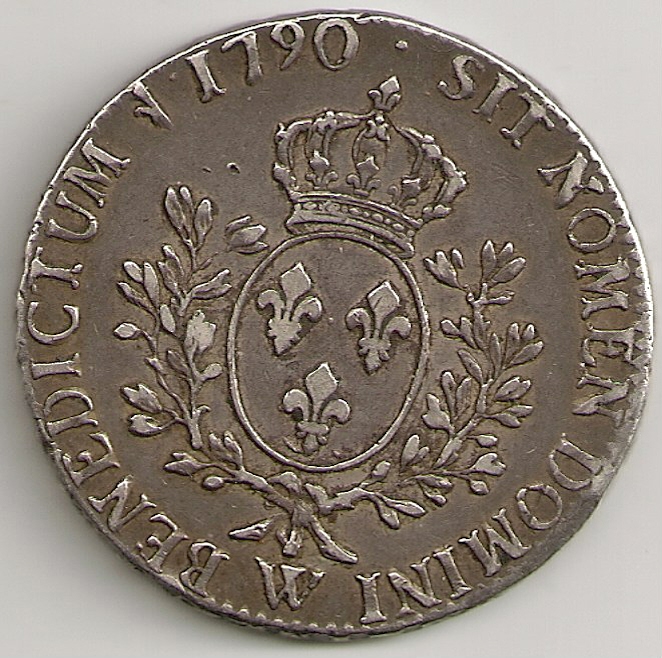
I love your history lessons ... Thank you, Princetane, and likewise. Your monetary history essays are always interesting reading. An interest for history was what originally brought me into coin collecting. I realized that coins to a large extent reflect historical events, and that there is a history behind every coin. Finding out for a coin what its history is, is one of the driving forces for me. And I just can't resist sharing what I find  France 1790, ecu, Paris (A). France 1790, ecu, Paris (A).The pre-revolutionary coins continued to be minted until 1792. There is perhaps not so much history associated with this coin - except possibly that the portrait from Louis XVI's year of accession 1774 is by this time a bit historic. 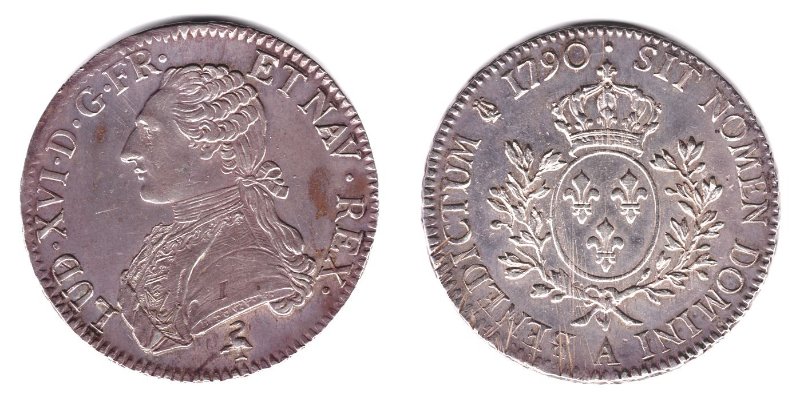 |
|
Bedrock of the Community
United Kingdom
19153 Posts |
1790 United Kingdom half-guinea: 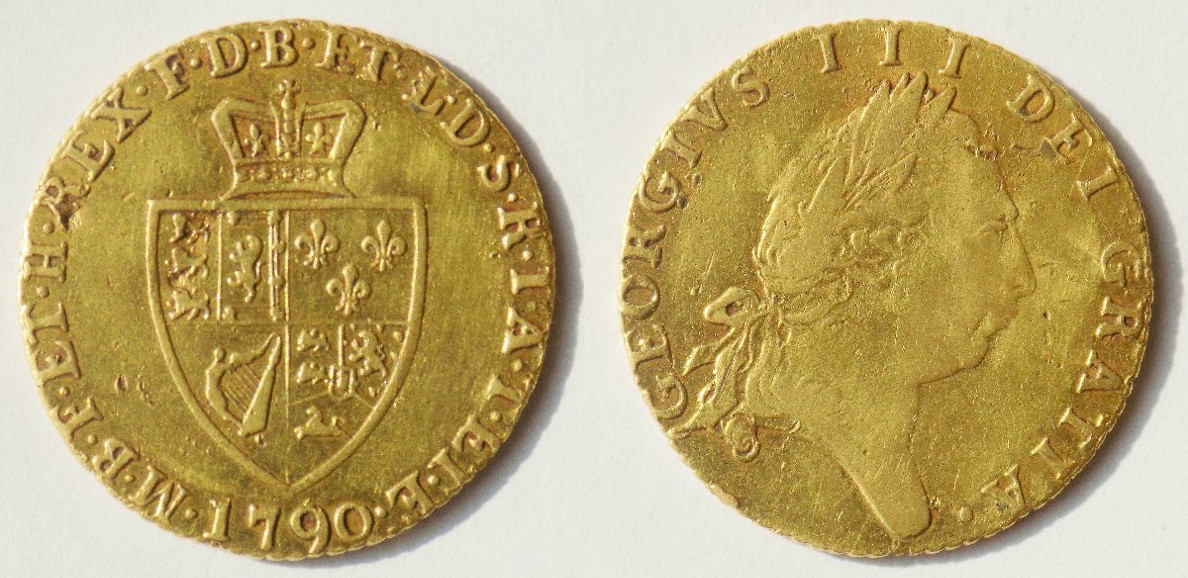 Despite the drastic shortage of small change that forced many merchants to strike their own tokens in the 1790s, production of gold guineas and half-guineas was remarkably constant, so the toffs had plenty of cash for the gaming tables at Bath and Tunbridge Wells... 1790 Russian 5 kopecks: 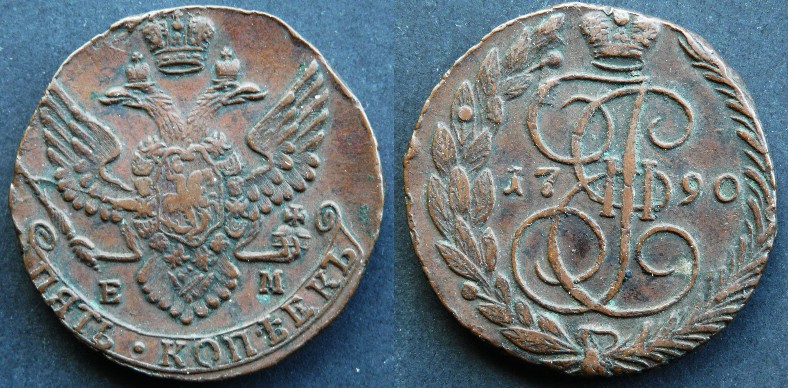 This huge and heavy copper coin bears the monogram of Catherine II (Ekaterina II), Russia's longest-serving female leader, and has the mintmark EM for the Ekaterinburg Mint. |
|
Pillar of the Community
United States
2645 Posts |
Edited by Arkie
09/07/2020 11:38 am
|
|
Bedrock of the Community
United States
12057 Posts |
Ecu-se me, but that is a gorgeous ecu! (And a bad pun.) Here is a not so good 1790 EM (Yekaterinburg) 5 Kopeks from Russia, as struck during the reign of Catherine II. These are HUGE coins, and VERY heavy, 42mm and over 50 grams -- imagine carrying around a pocketful of these! 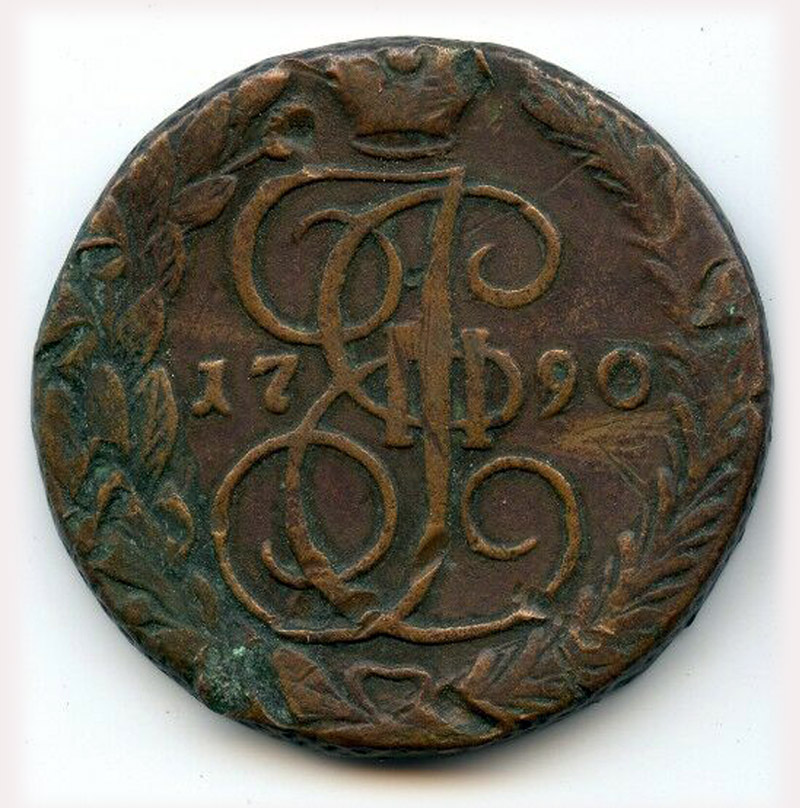 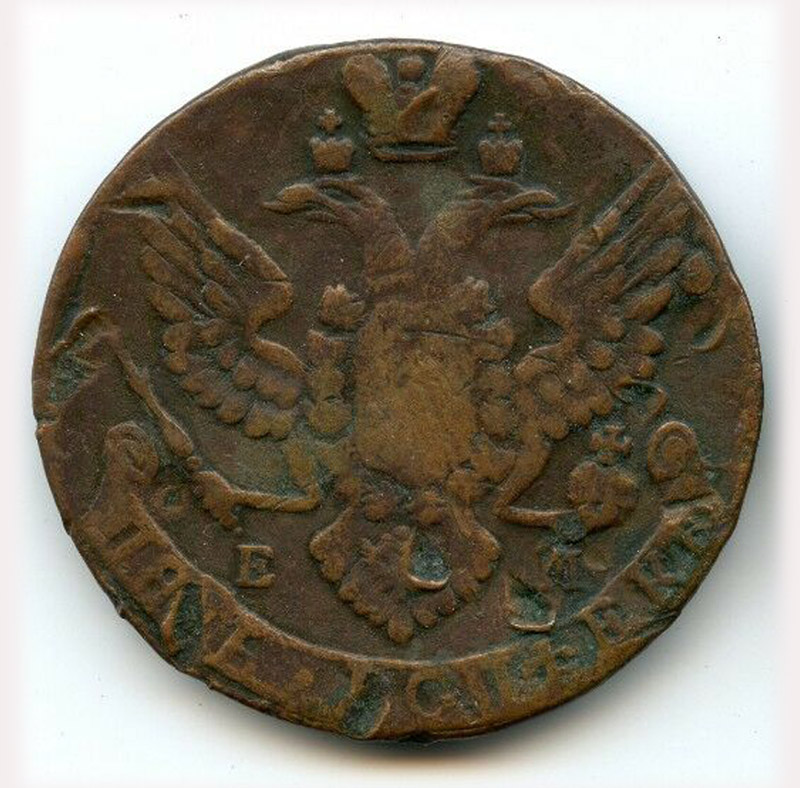 Member ANA - EAC - TNA - SSDC - CCT #890 "Most of the things worth doing in the world had been declared impossible before they were done." -- Louis D. Brandeis |
|
Bedrock of the Community
United States
12057 Posts |
Going the other direction, both size-wise and condition-wise, we have a 1790 Kreuzer from the German State of Lowenstein, or more accurately, the Principality of Löwenstein-Wertheim-Rochefort. At 16mm and a scant 0.7 grams, carrying around a pocketful of these wouldn't have been much of a burden at all, provided you didn't lose all of them! The reverse features one of my favorite designs of any German States coin, second only to the Madonna Thaler -- a very classically inspired depiction of Fortuna, holding a cornucopia and with rudder and ball, that would have not been out of place on a Roman coin minted 1500 years prior. The mint (Wertheim) is represented by the W on the obverse, which features the crowned arms of Dominik Konstantin (Dominic Constantine), Prince of Rochefort. An interesting bit of trivia: Princess Maria, his last daughter by his second wife, was the wife of Prince Karl of Solms-Braunfels, who led the first wave of German immigrants to Texas in the 1840s, including founding the town of New Braunfels which bears his name today. I've been to New Braunfels quite often and it is beautiful and historic and a great place to visit (along with Fredericksburg) if you are of German heritage or just interested in the German Texan culture -- but if you just want to cool off at the Schlitterbahn or tube the Comal or the Guadalupe, that's fun, too! 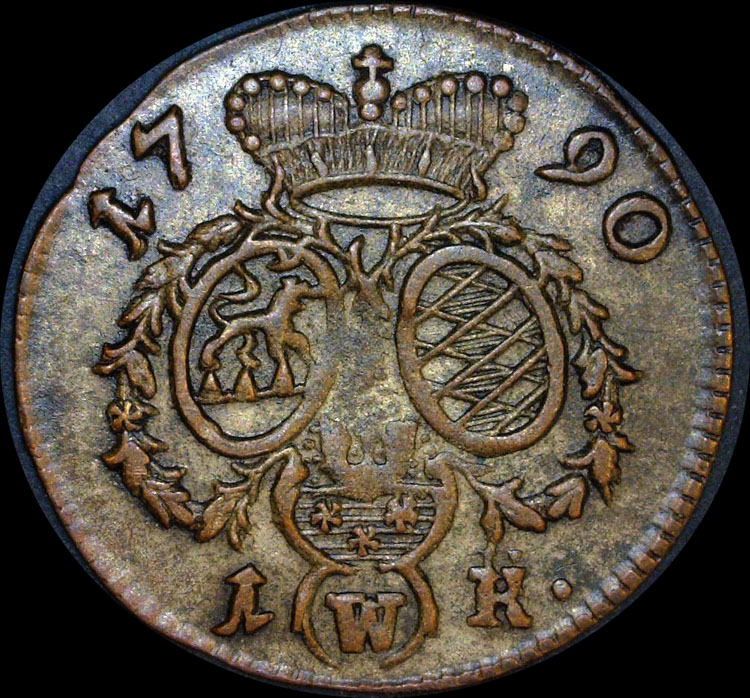 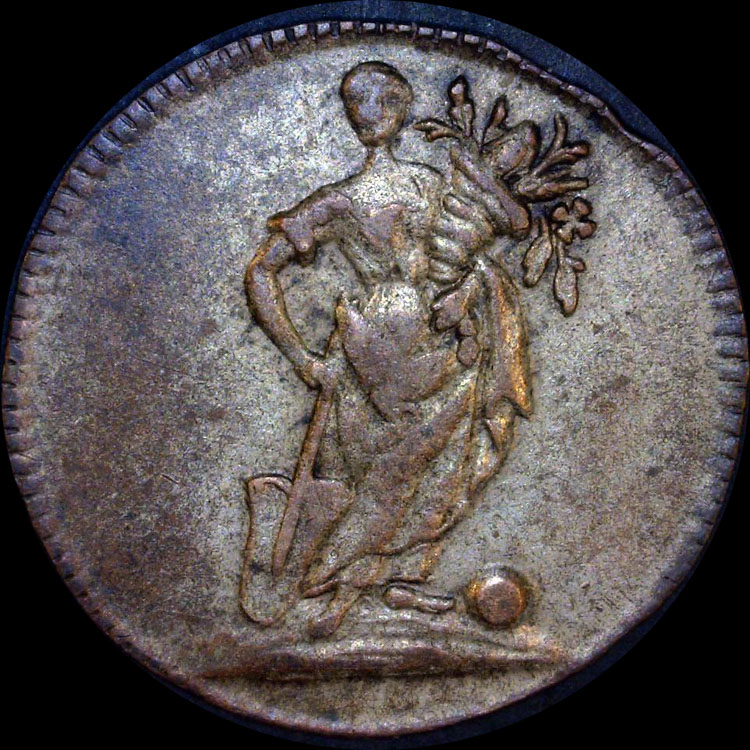 Member ANA - EAC - TNA - SSDC - CCT #890 "Most of the things worth doing in the world had been declared impossible before they were done." -- Louis D. Brandeis |
|
Bedrock of the Community
United States
12057 Posts |
One more Conder token before we hit the 1780s. This imitation halfpenny token was struck ca. 1790 for Dublin, Ireland, and is catalogued as D&H Dublin 334. Lower grade, but this is a scarcer issue. The interesting reverse combines sheaves of wheat with doves, matching the legend: PEACE AND PLENTY HALFPENNY. The monogram of H. S. & Co. is notable because there was no H. S. & Co. It is one of many fictitious companies made up for tokens in an attempt to pass them off as genuine tokens struck with copper from the Hibernian Mining Co (H. M. Co.) or the Associated Irish Mining Company, among other legitimate mining operations. 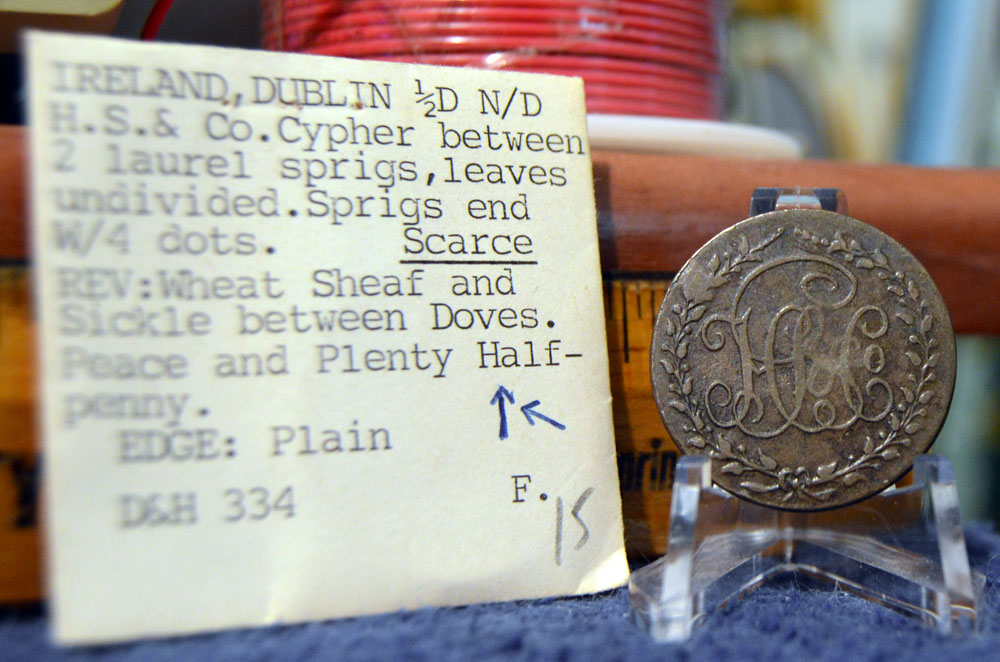 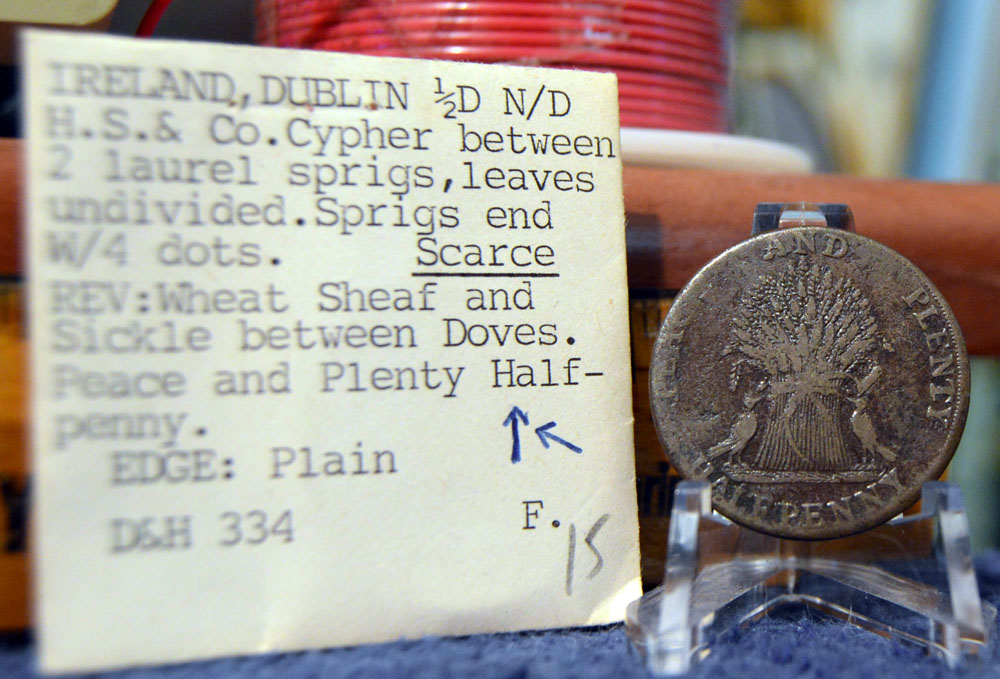 Member ANA - EAC - TNA - SSDC - CCT #890 "Most of the things worth doing in the world had been declared impossible before they were done." -- Louis D. Brandeis Edited by paralyse
09/07/2020 2:35 pm
|
| |
Replies: 7,432 / Views: 410,323 |





 First Page
 Previous Page


 Posted 09/06/2020 03:45 am