| Author |
 Replies: 22 / Views: 5,025 Replies: 22 / Views: 5,025 |
|
Pillar of the Community
United States
607 Posts |
Edited by TippyCanoe
03/30/2021 8:44 pm
|
|
|
|
Bedrock of the Community
United States
62064 Posts |
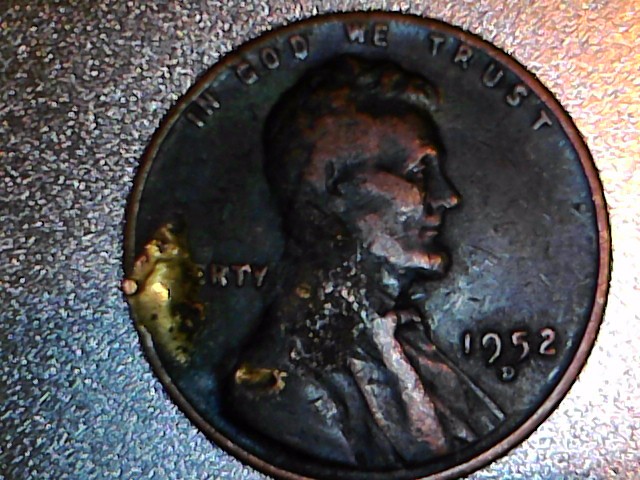
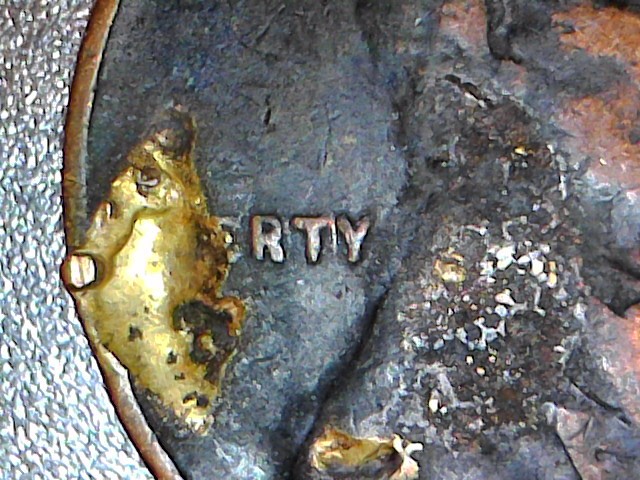
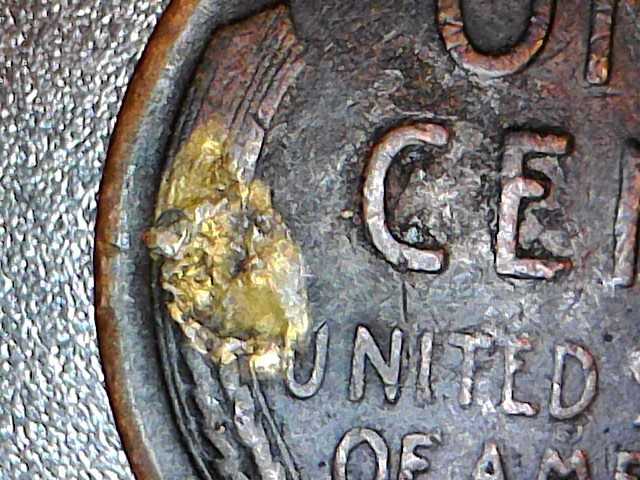
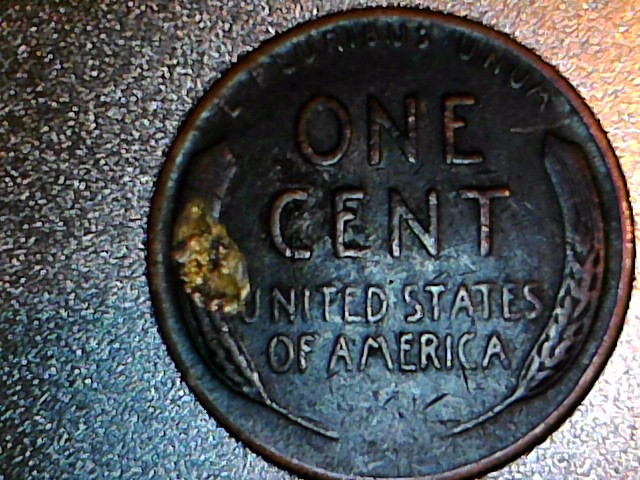
Probably there was a hole there, and someone filled with brass. But why put a hole in that location?  |
|
Pillar of the Community
 United States
607 Posts |
I also see the remnants of what looks like the bottom of the letter B just at the top of the damage
|
|
Moderator
 United States
106312 Posts |
 with Coop on this one. Brass back fill to repair damage |
|
Pillar of the Community
United States
607 Posts |
Would you expect to see brass on both sides of the coin? Damage on the reverse is similar
|
|
Bedrock of the Community
United States
62064 Posts |
He wanted to make sure the cent didn't leak and sink.  |
|
Bedrock of the Community
United States
94367 Posts |
Piece of PMD junk spender. |
|
Pillar of the Community
United States
607 Posts |
I do have one more question if anyone would like to entertain it. Brass weighs less then copper. So how do we explain the extra weight?
|
|
Pillar of the Community
United States
3505 Posts |
Looks like someone broke a stack of brazed Lincoln cents apart. The left over brass welding material accounts for the extra weight.
|
|
Bedrock of the Community
United States
62064 Posts |
The hole in the coin was covered over with extra brass, thus now it weights more.
|
|
Pillar of the Community
2145 Posts |
Quote:
The hole in the coin was covered over with extra brass, thus now it weights more. But why would any body bother to fill a hole with Brass on a Cent? It makes no "Cents" - It would take a temperature of 1710F to melt a brass rod to fill the hole - but then would also melt the coin in the process - Right? |
|
Valued Member
United States
356 Posts |
I think this is a very interesting subject and a valid question from the OP. It interested me too so I ran it by a good friend of mine who is a jewelry maker. He is NOT a numismatic or coin guru at all. He said it appeared to be a failed attempt, most likely homemade, at creating a penny bracelet or charm of some type. We both noticed the posts, or the small raised dot looking things on the obverse and reverse, and my friend said it definitely looked to be braised or soldered (if I'm saying that correctly) in the attempt to join this coin to another one. Just my thoughts, I'm not an expert, but a lot of good questions here on this post.  |
|
Pillar of the Community
Canada
6244 Posts |
If a jewelry want to do a bracelet the hole will be concentric on both parts, but his theorem expand to the the try to attache the coin to something also. If this was the case, just a bad newbies worker, and the coin detached fast. The spots are clear solder. And bad ones, probably an try with electrical one. A jewelry maker is complete different.
It is extra material on coin and affect the weight.
PS electrical brass molding need just 50A for brass and jewelry is 300 Celsius (572F).
|
|
Bedrock of the Community
Canada
21877 Posts |
I don't think it really matters exactly what happened as unless you were there you might not
really know. The important thing is that it could not happen during the striking of the coin
so it is some form of damage, not an error.
|
|
Bedrock of the Community
Australia
21789 Posts |
|
|
Valued Member
United States
123 Posts |
I think the failed weld concept is the answer. 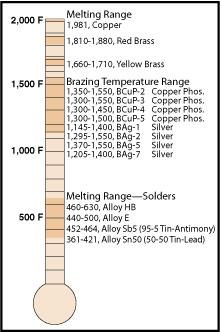 My guess, Brazing Edited by PPorro
04/02/2021 12:51 pm
|
| |
Replies: 22 / Views: 5,025 |












 Posted 03/30/2021 9:03 pm


