| Author |
 Replies: 6,699 / Views: 165,406 Replies: 6,699 / Views: 165,406 |
|
|
|
CCF Master Historian of Commemorative Coins
  United States
12552 Posts |
In 1922, the US Mint struck two different commemorative coins in honor of the 100th anniversary of the birth of Ulysses S. Grant, the famous General who led the Union Army to victory in the US Civil War and the beloved leader who went on to be a two-term US president. A silver half dollar and a gold $1.00 were struck. The two coins share the same obverse and reverse designs - created by Laura Gardin Fraser. The flora side of the coin is its reverse. Depicted is Grant's birthplace house in Point Pleasant, OH. The house is presented under a thick canopy of trees (the scene appears to incorporate be a bit of artistic license, however, as contemporary images/descriptions present trees of a less robust nature near the house). 1922 Grant Birth Centenary Gold $1.00, Plain Variety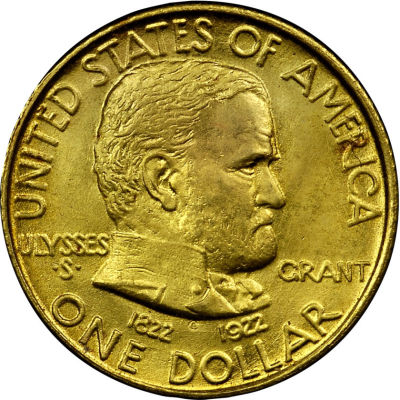 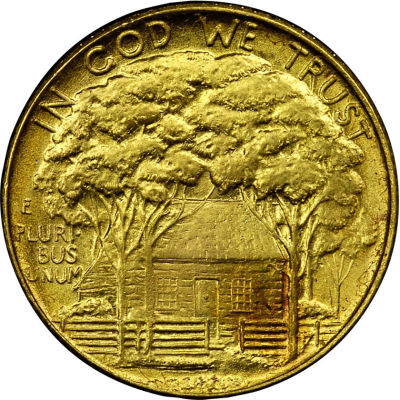 1922 Grant Birth Centenary Half Dollar, Star Variety (Star is above "GRANT" on Obverse) 1922 Grant Birth Centenary Half Dollar, Star Variety (Star is above "GRANT" on Obverse)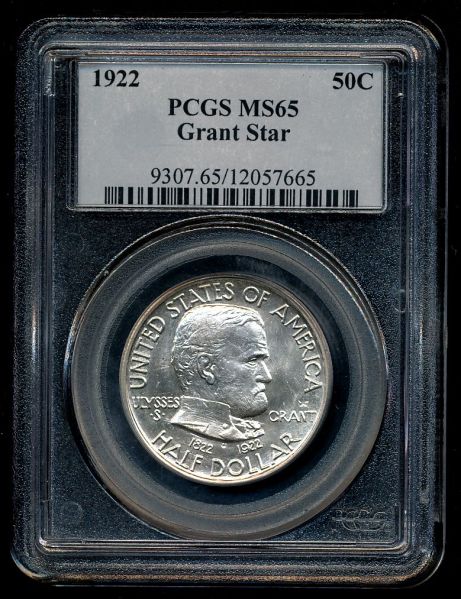 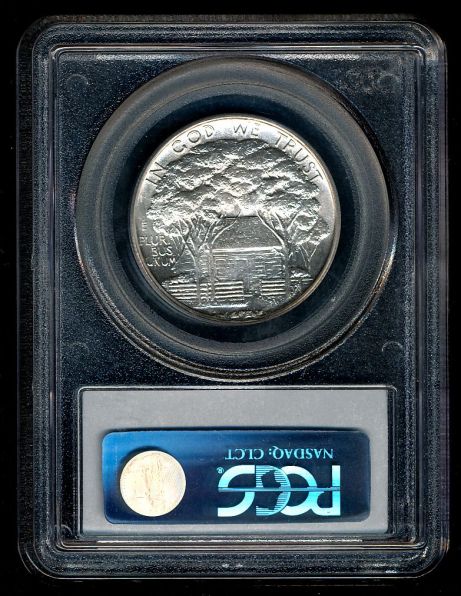 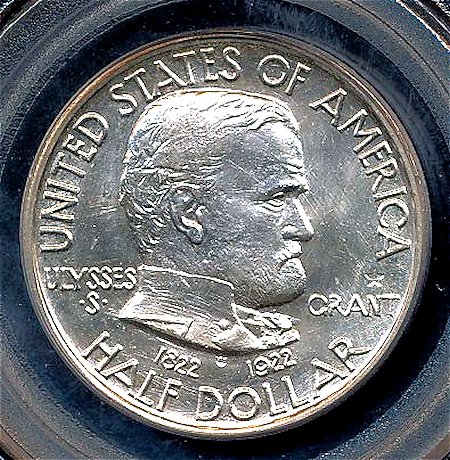 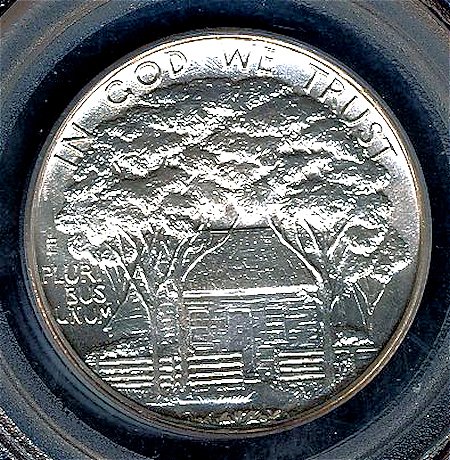 You can find my previous posts about the Grant coins, here: - 1922 Grant Birth Centenary Half Dollar, Plain Variety- 1922 Grant Birth Centenary Half Dollar, with Star Variety- 1922 Grant Memorial "Cousin"- 1922 Grant Birth Centenary Coins - Coins with Beards Thread. - 1922 Grant Birth Centenary Coins - Coins Depicting Places Thread. Other of my posts about commemorative coins and medals can be found here: Read More: Commems Collection. Collecting history one coin or medal at a time! (c) commems. All rights reserved.
|
|
Moderator
United States
195559 Posts |
Quote:
Here's a coin that's all about the flora! The 1997 US Botanic Garden commemorative silver dollar. An excellent play!  Nice examples!  |
|
CCF Master Historian of Commemorative Coins
United States
12552 Posts |
The 1923 Monroe Doctrine Centennial half dollar was struck to commemorate the one hundredth anniversary of President James Monroe's address to Congress in which he stated that intervention in the Western Hemisphere by a European power would be considered a potentially hostile act against the United States and that the countries of South America were "not to be considered as subjects for future colonization" and that any such initiatives would be considered "dangerous to [US] peace and safety." In essence, European countries were warned to stay away if they had any colonial expansion aspirations. The coin features one of the most unusual designs of the entire US classic commemorative coin series thanks to the highly-stylized map that is found on the coin's reverse. The designs are credited to Chester Beach, though they are not entirely original. Beach apparently modeled his design after the logo of the Pan-American Exposition that was held in Buffalo, NY in 1901; the Exposition's logo was designed by Ralph Beck. (See the link below for "Coins With Hands" for more.) The coin's reverse presents stylized versions of North and South America - the primary land masses of the Western Hemisphere. To create the overall map, Beach went far beyond the relief map the coin's sponsor expected, and used two contorted female figures to mimic the general shape of North and South America. The figures themselves are not enrough to fill out the contintents, however, so Beach used items of flora to make his "maps" complete. In her left hand, North America holds a multi-stemmed tree branch that somewhat forms the eastern portion of Canada; in her right hand, she holds a smaller branch as she reaches out to South America and, with her right arm, uses the branch to create an approximate rendering of Central America. The figure representing South America holds a full cornucopia in her right hand and arm; the cornucopia fills in the northern reaches of Brazil and the countries positioned along the continent's northeast coast - Guyana, Suriname and French Guiana. 1923 Monroe Doctrine Centennial Half Dollar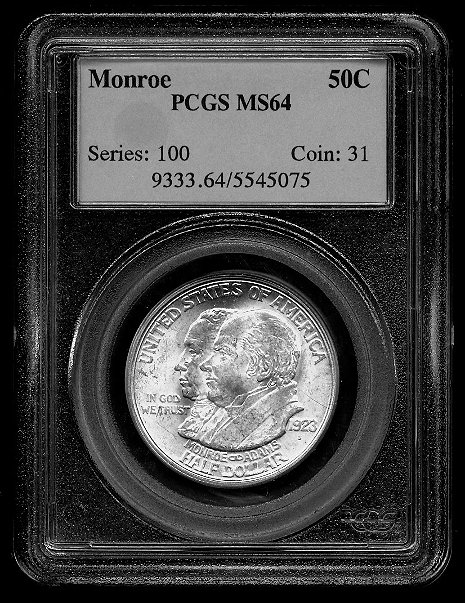 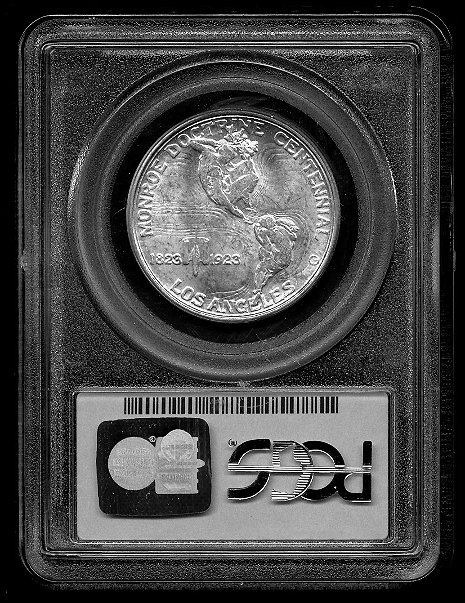 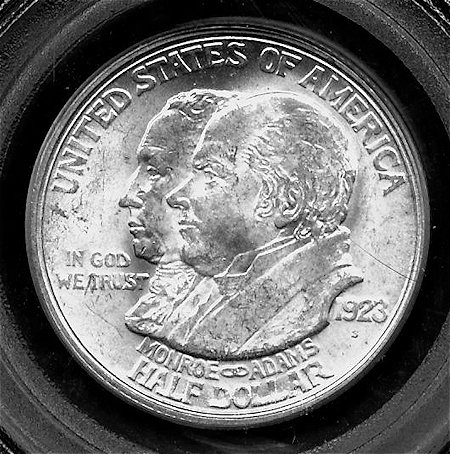 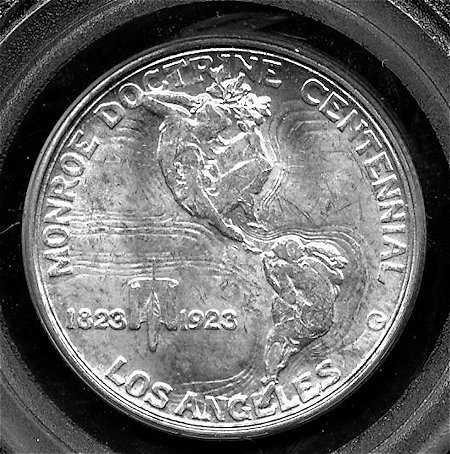 To learn more about the Monroe Doctrine half dollar, check out: - 1923 Monroe Doctrine Centennial- 1923 Monroe Docttine Centennial - Coins With Hands Thread. For other posts about commemorative coins and medals, see: Read More: Commems CollectionCollecting history one coin or medal at a time! (c) commems. All rights reserved.
Edited by commems
05/13/2021 4:04 pm
|
|
Moderator
United States
195559 Posts |
A great example! I can match it. You were there when I got it.  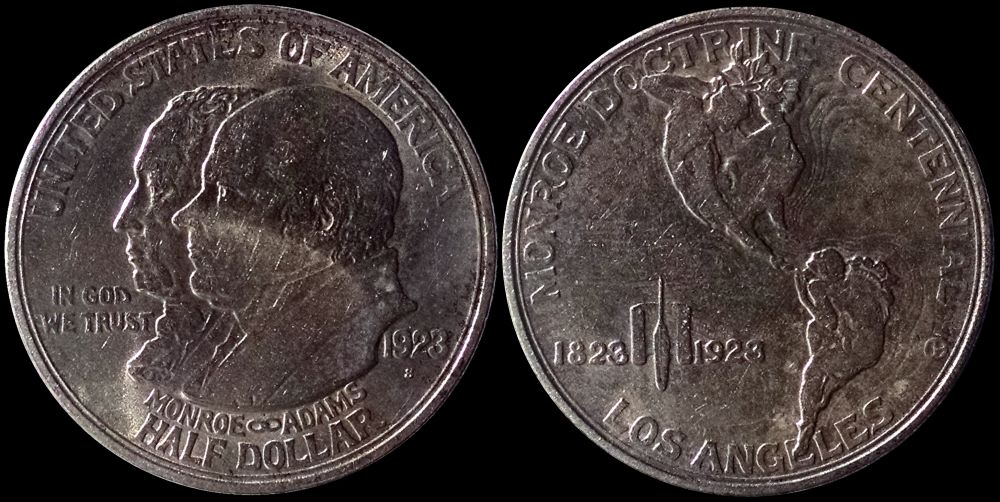 |
|
CCF Master Historian of Commemorative Coins
United States
12552 Posts |
Collecting history one coin or medal at a time! (c) commems. All rights reserved.
|
|
CCF Master Historian of Commemorative Coins
United States
12552 Posts |
Quote:
I can match it. You were there when I got it. A nicely-struck example - many come with mushy, indistinct design elements! Collecting history one coin or medal at a time! (c) commems. All rights reserved.
|
|
Moderator
United States
195559 Posts |
Quote:
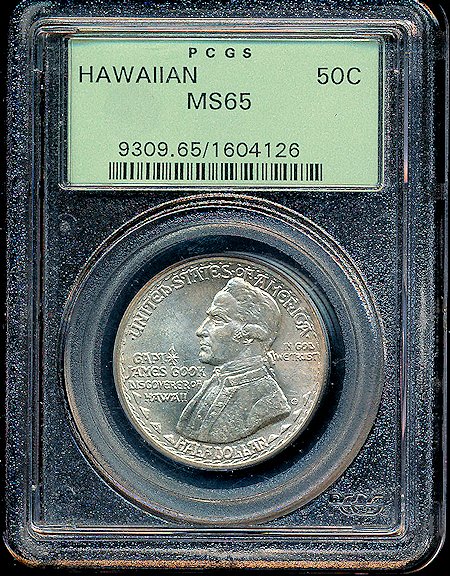
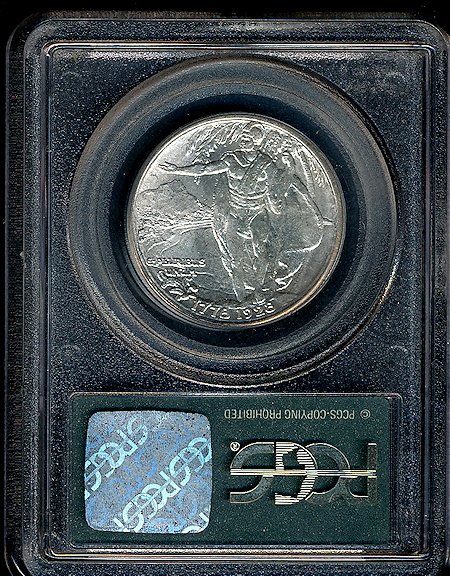
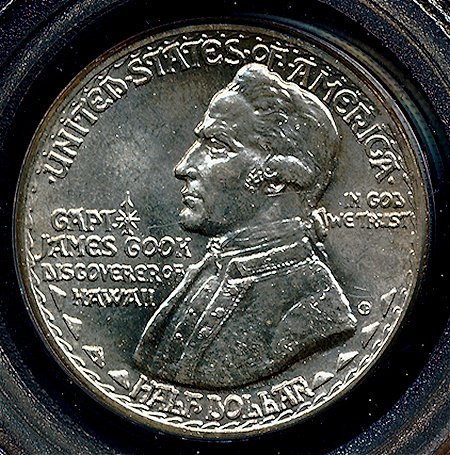
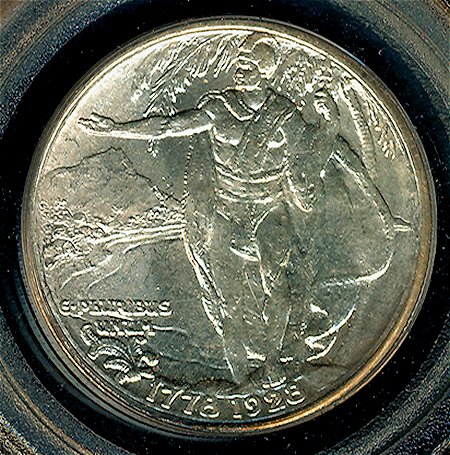
The reverse of the 1928 Hawaiian (European) Discovery Sesquicentennial half dollar includes coconut trees... Fantastic! Quote:
A nicely-struck example - many come with mushy, indistinct design elements! Thank you!  |
|
Bedrock of the Community
Canada
24885 Posts |
1993 Croatia. 50 Lipa. 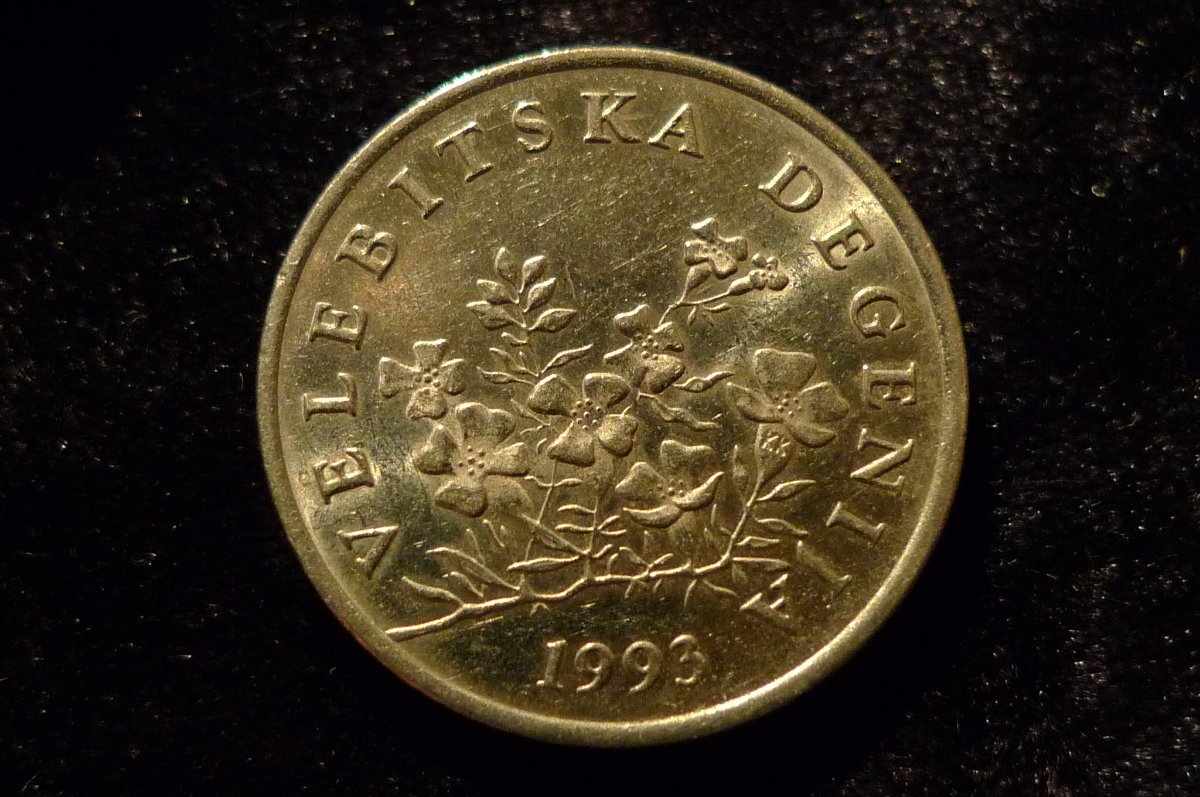 Degenia velebitica (no common name in English) is endemic to rocky slopes and screes of Croatia's Velebit and Kapela mountain ranges. 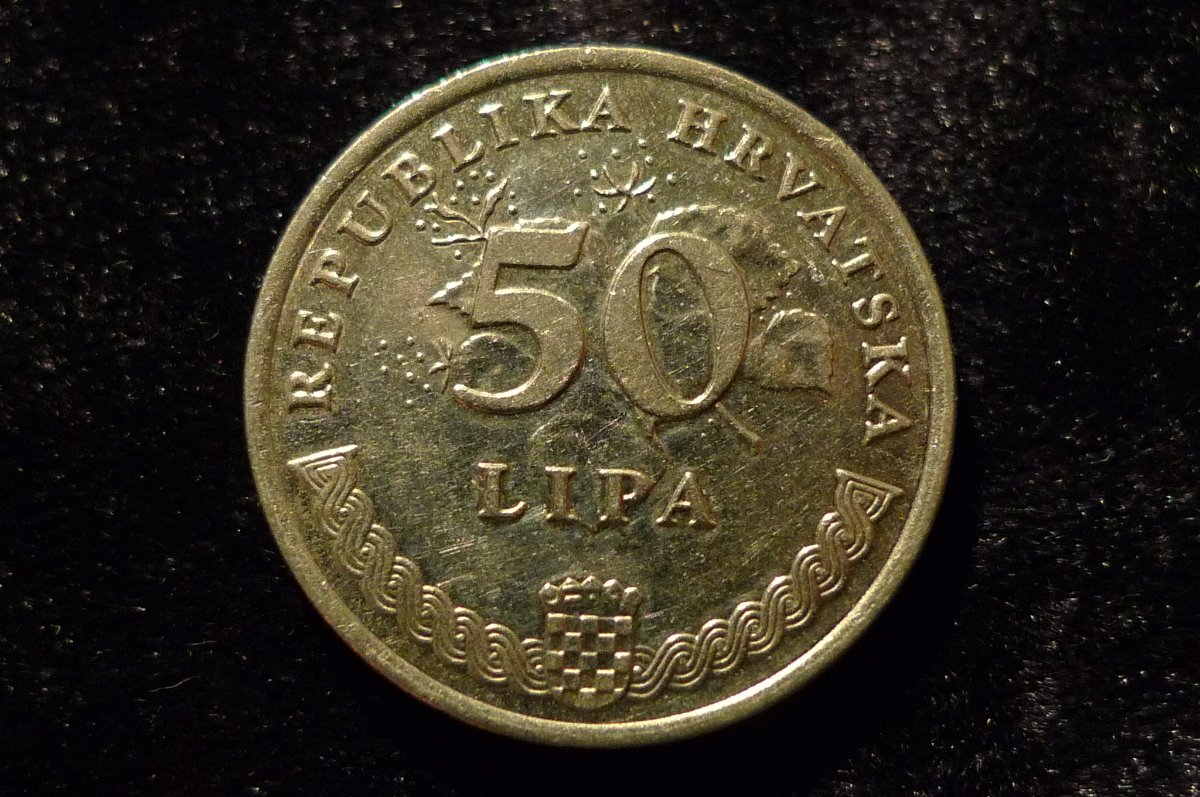 |
|
CCF Master Historian of Commemorative Coins
United States
12552 Posts |
It's tough to miss the flora design element on the 1935 Connecticut Tercentenary half dollar - a large oak tree fills the coin's obverse. The coin was issued to mark the 300th anniversary of the founding of the Colony of Connecticut, and the oak tree on its obverse is the famous "Charter Oak." Legend has it that the Charter Oak was the hiding place for the colony's Royal Charter when an attempt was made by King James II (through his local administrator Sir Edmund Andros) to revoke it. The tree stood for centuries (it is believed the tree dated to at least the 12th century) before it was knocked down during a strong storm in 1856. Here's a link to the story of te Charter Oak on the Connecticut History web site: The Legend of the Charter Oak. The coin's reverse features a standing eagle with 13 small stars (representing the original 13 colonies, of which Connecticut was one) just under "UNITED STATES OF AMERICA" near the rim of the upper half of the coin. The coin was designed by Henry Kreiss. 1935 Connecticut Tercentenary Half Dollar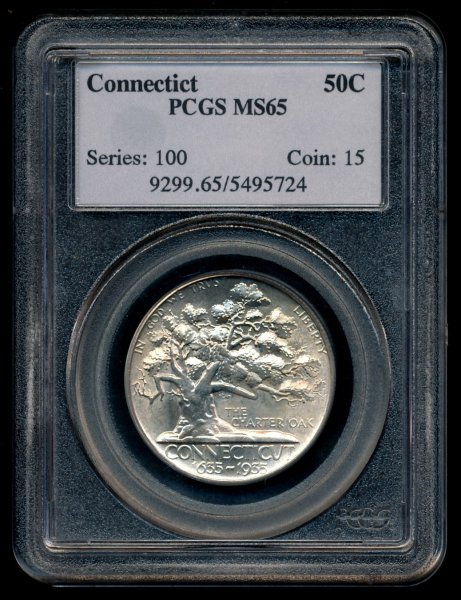 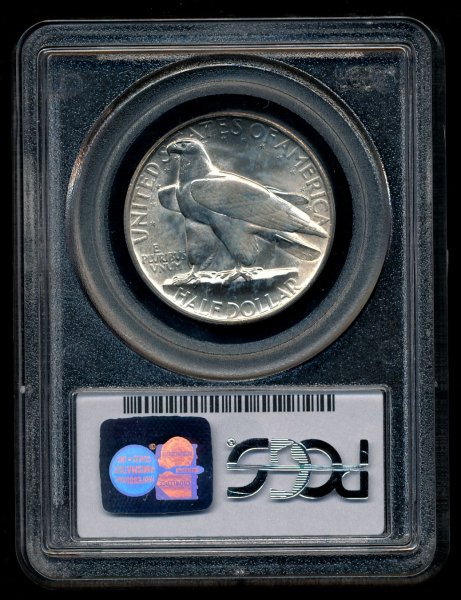 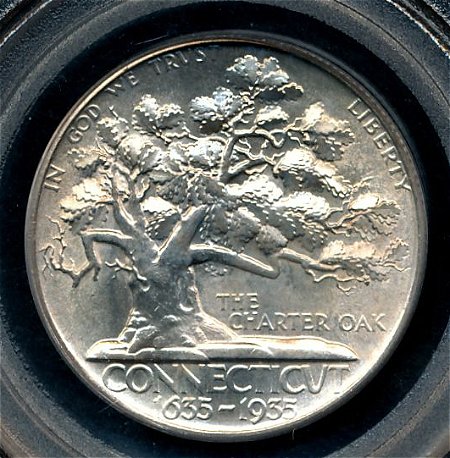 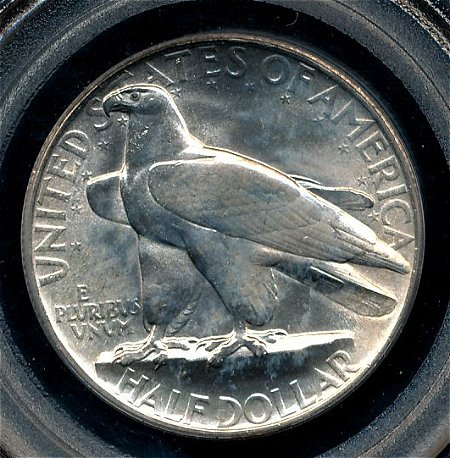 For other posts about the Connecticut half dollar, see: - 1935 Connecticut Tercentenary- 1935 Connecticut Tercentenary - Ephemera- 1935 Connecticut Tercentenary - Ephemera II- 1935 Connecticut Tercentenary - Philatelic Tie-InOther of my posts on commemorative coins and medals can be found here: Read More: Commems Collection. Collecting history one coin or medal at a time! (c) commems. All rights reserved.
|
|
Pillar of the Community
United States
1494 Posts |
2020 St Lucia 2 dollars 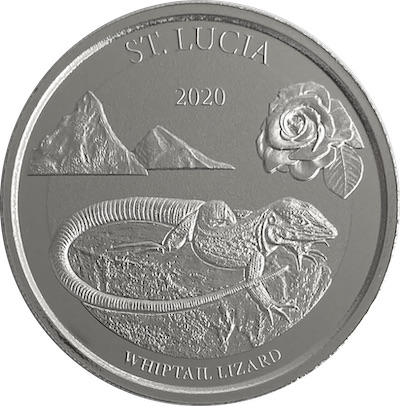 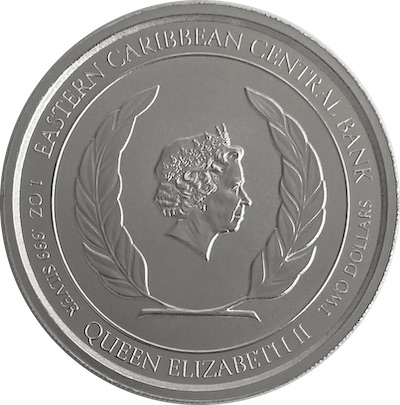 |
|
Bedrock of the Community
United Kingdom
18783 Posts |
Guernsey 50 pence (freesia): 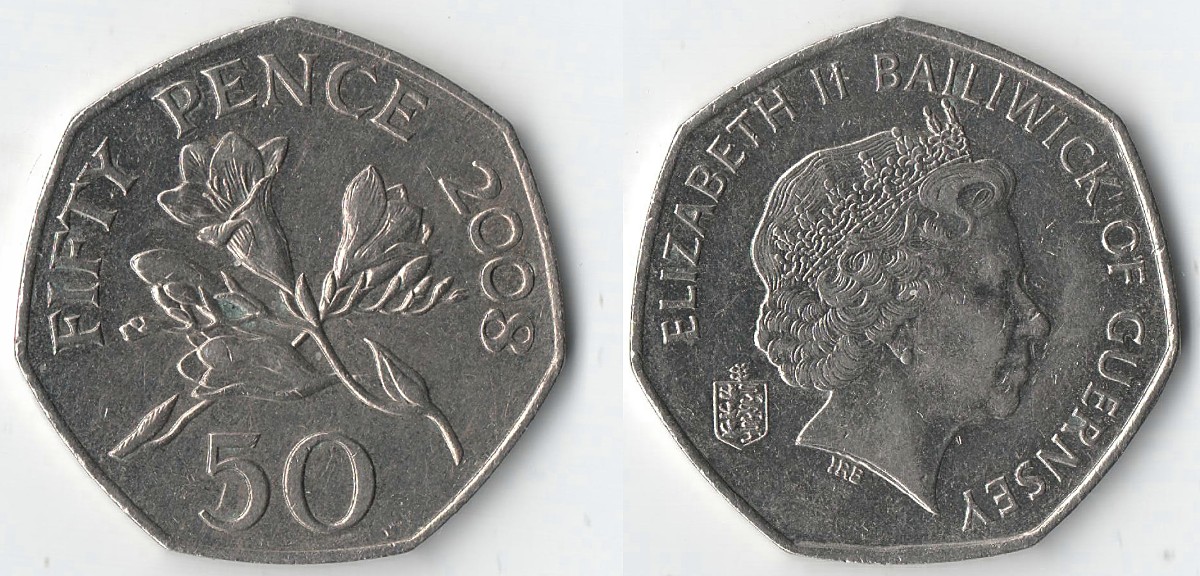 |
|
CCF Master Historian of Commemorative Coins
United States
12552 Posts |
An olive branch is once again the "ticket" for entry into the "Flora Club" with the 1934-38 Texas Independence Centennial half dollar being the latest classic US commemorative coin to join. The flora element in question is seen on the coin's reverse. It's on that side that we find Winged Victory, with her wings fully spread, looking to her right (viewer's left), kneeling and resting her left arm/hand on Texas' iconic Alamo. In her right hand, she holds an olive branch representing the peace that came to Texas once it gained its freedom through its War of Independence with Mexico. Though the olive branch of peace is a relatively minor element in Pompeo Coppini's overall design, it represents an important element within Texas' history in the years following its hard-fought battle for independence. For example, Texas' transition from independent Republic to 28th State of the Union came about via words (political debate) rather than armed conflict. 1934-38 Texas Independence Centennial Half Dollar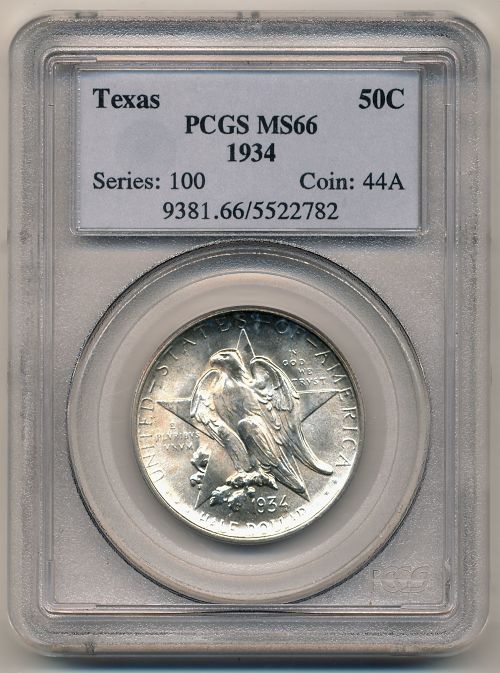 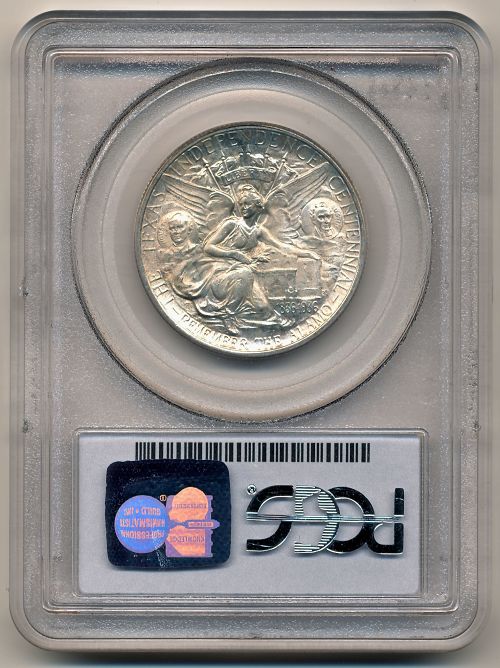 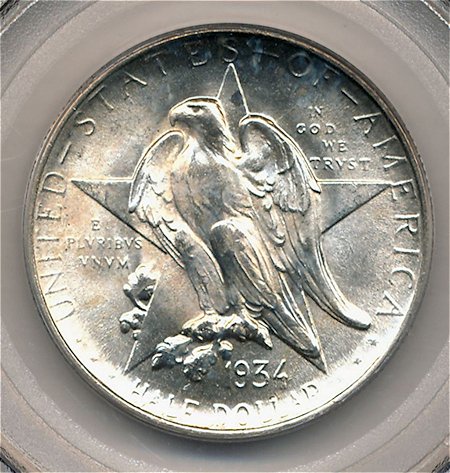 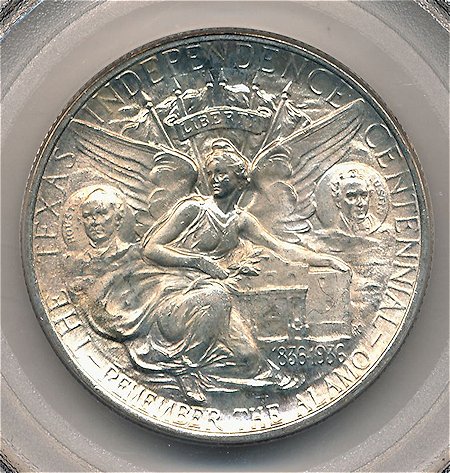 If you'd like to learn more about the Texas half dollar, check out: - 1935 Texas Independence Centennial - Texas Centennial - There Could Have Been Five!- Texas Independence Centennial - Coins Depicting Places Thread- Texas Independence Centennial - Coins with Hats Thread- Texas Independence Centennial - Mythology on Coins ThreadI also have other commemorative coin and medal posts that can be found at: Read More: Commems Collection. Collecting history one coin or medal at a time! (c) commems. All rights reserved.
|
|
Bedrock of the Community
United Kingdom
18783 Posts |
Beautiful coin, commems!  2-rupiah coin, 1970, from Indonesia, with rice and cotton stalks: 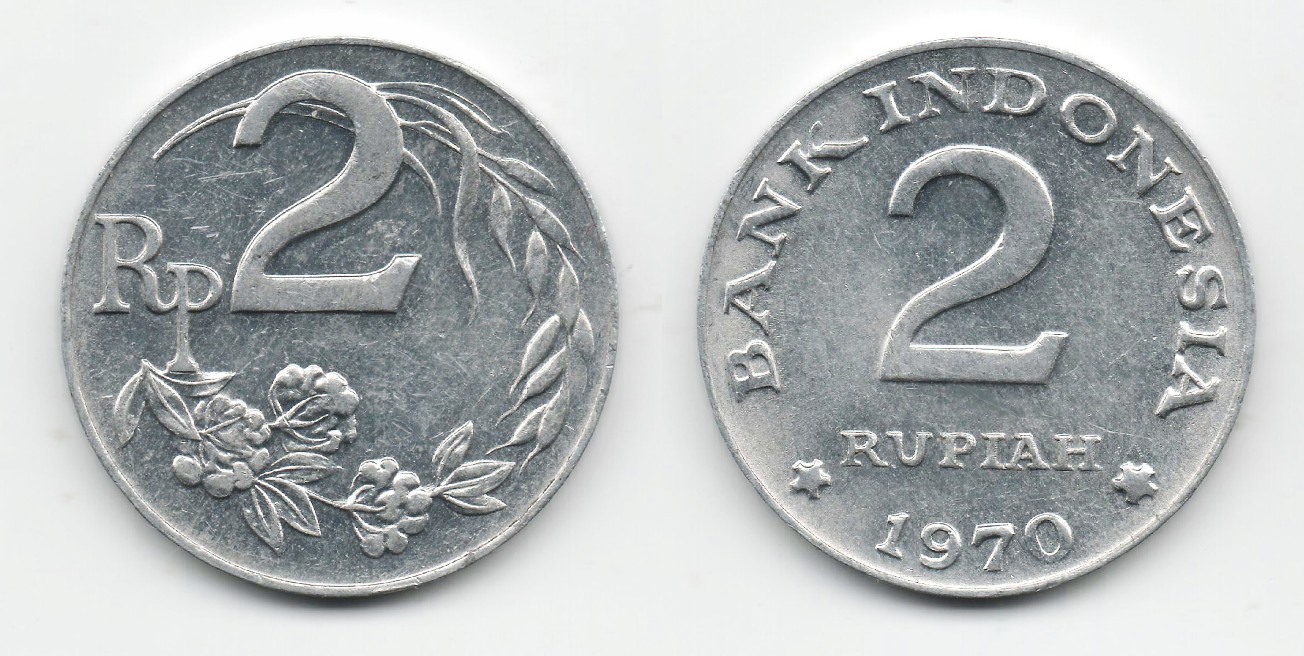 |
|
CCF Master Historian of Commemorative Coins
United States
12552 Posts |
Next up is the 1935 US commemorative half dollar that was issued to commemorate "the four hundredth anniversary of the Expedition of Cabeza de Vaca and the opening of the Old Spanish Trail." (Public Law 74-97) The coin's overall design is widely criticized and the history that drove its issue is definitely questionable. (See the link below for more of the story.) The coin's reverse is where we find the flora design element. A blooming yucca tree is shown in the center foreground, with a trail map in the background that is, in fact, unrelated to the actual "Old Spanish Trail" the coin is said to commemorate. (See link below.) The yucca plant/tree is very common in the American southwest - there are over 40 different species; it is a perennial evergreen that can go long periods without water. About once per year, the tree produces a flower spike or stalk with clusters of white flowers at its top - this state is depicted on the coin. The petals and stalk of the flower can be eaten! 1935 Old Spanish Trail Half Dollar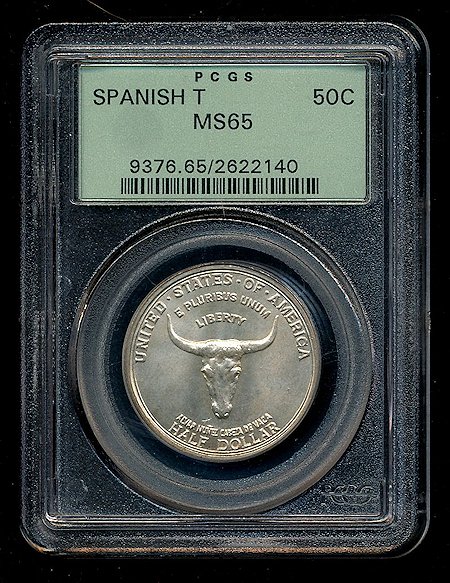 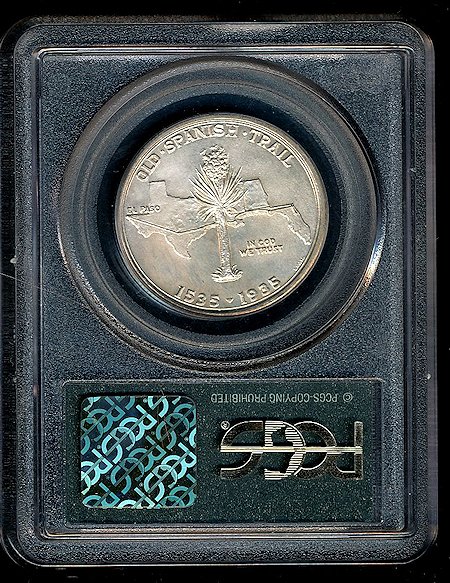 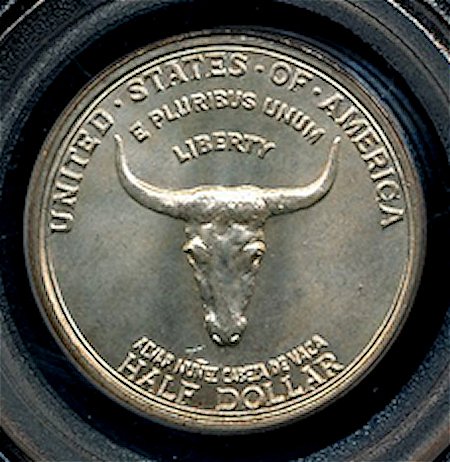 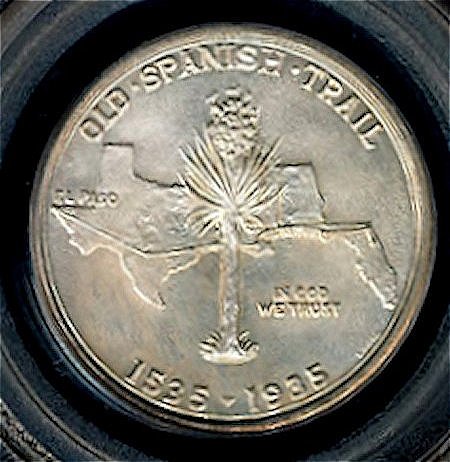 To learn more about the Old Spanish Trail half dollar, check out: - 1935 Old Spanish Trail - Redux- 1935 Old Spanish Trail - DesignersFor more posts about commemorative coins and medals, check out: Read More: Commems Collection. Collecting history one coin or medal at a time! (c) commems. All rights reserved.
Edited by commems
05/17/2021 12:28 pm
|
|
CCF Master Historian of Commemorative Coins
United States
12552 Posts |
Quote:
Beautiful coin, commems! Thanks! Collecting history one coin or medal at a time! (c) commems. All rights reserved.
|
| |
Replies: 6,699 / Views: 165,406 |








 First Page
 Previous Page


 Posted 05/12/2021 09:01 am