| Author |
 Replies: 6,699 / Views: 165,410 Replies: 6,699 / Views: 165,410 |
|
|
|
Bedrock of the Community
United Kingdom
18783 Posts |
A rose for England and a thistle for Scotland on the UK £5 coin issued in 1990 to commemorate the Queen Mother's 90th birthday: 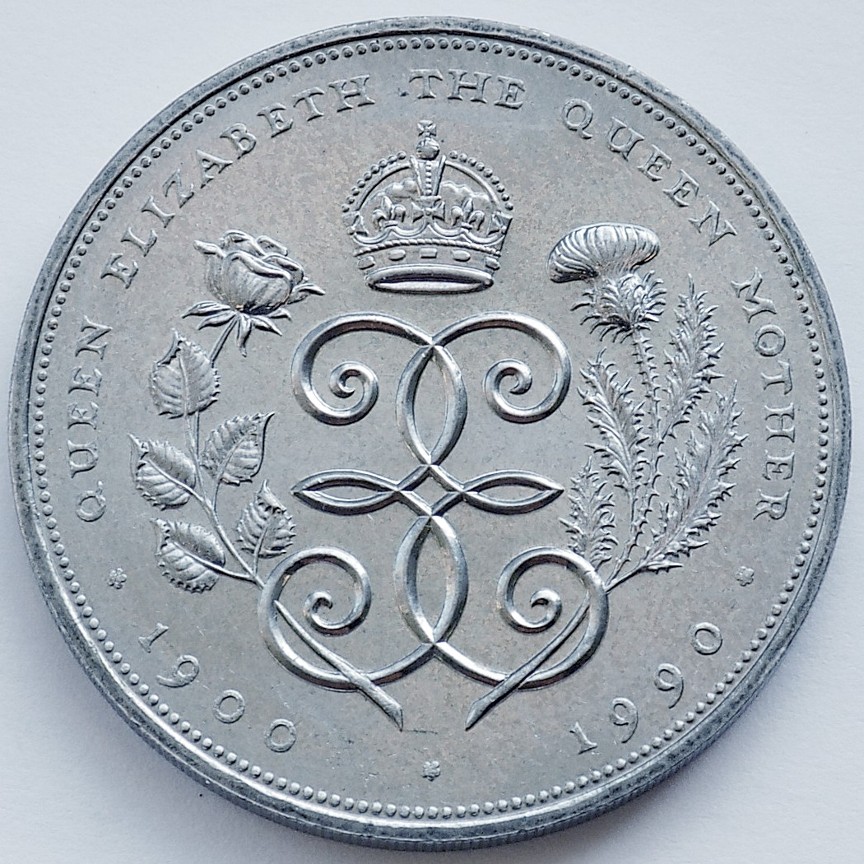 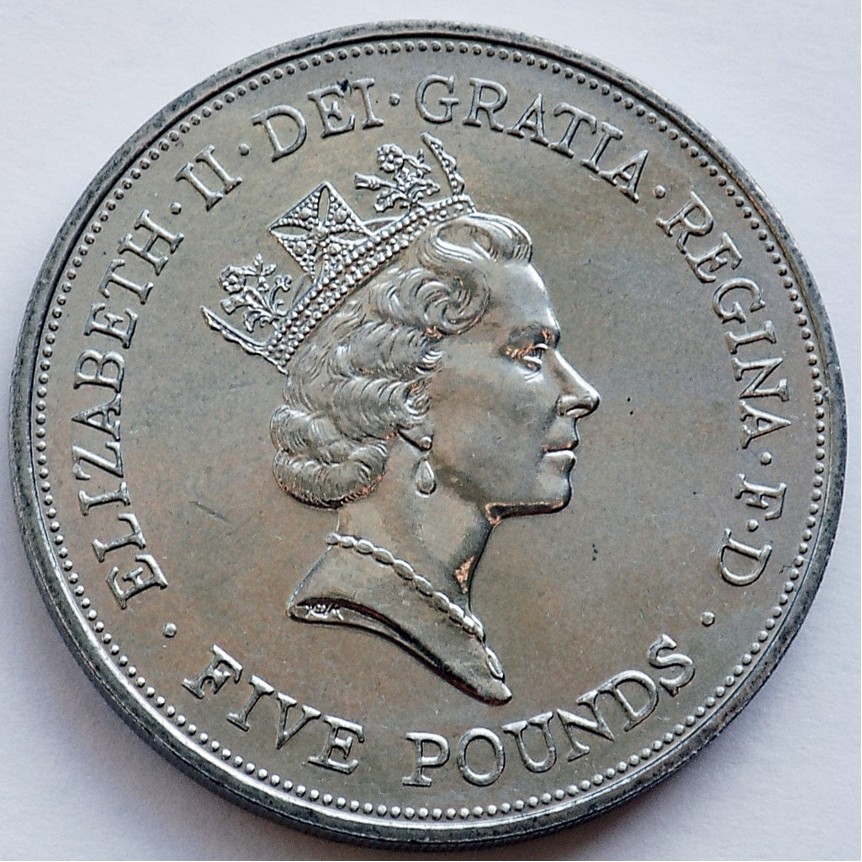 |
|
Moderator
 United States
195559 Posts |
Nice examples!  |
|
CCF Master Historian of Commemorative Coins
 United States
12552 Posts |
The primary design element of the obverse of the 1936 Albany. NY Charter 250th Anniversary half dollar is clearly the realistic beaver sculpted by Gertrude Lathrop. the coin's designer/modeler. But, a beaver's got to be a beaver! Lathrop presents the beaver in the midst of making a meal out of a maple tree branch. Beavers eat the bark, stems and twigs of a variety of trees, as well as leaves, grass, mushrooms and roots. Hard or soft, a beaver is always ready to gnaw some flora for food! The primary scene on the reverse is that of Governor Thomas Dongan (left) shaking hands with Peter Schuyler after he presented the city's charter to him (the Charter is the rolled-up document being held by Schuyler). Robert Livingston, the regional Secretary for Indian Affairs, is depicted to Schuyler's right. Behind Dongan, is depicted a small pine tree with its branches and pine cones clearly evident, The lumber industry was of primary importance to Albany in its early history - along with beaver pelts - with many pine trees being felled to make the lumber needed to build a growing community. Small pine cones are also used to separate the inscription "SETTLED - 1614 - CHARTERED - 1836" from "ALBANY - N - Y." In the artist's own words, "The maple branch is used with the beaver because the maple is the New York State tree, and the introduction of maple leaves on this side and pine cones on the reverse is symbolic of the growth and fertility of the community." 1936 Albany, NY 250th Anniversary of City Charter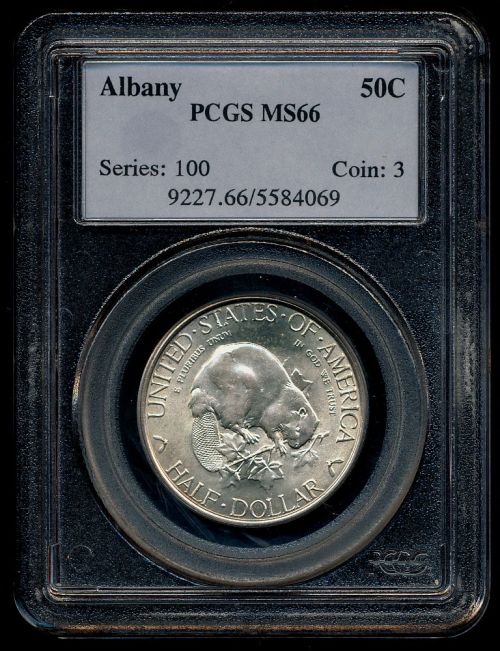 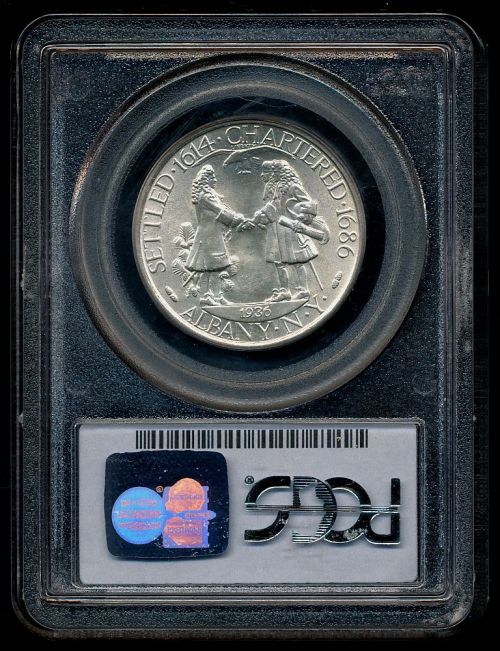 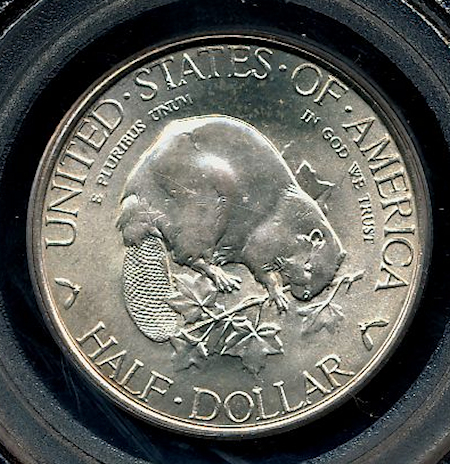 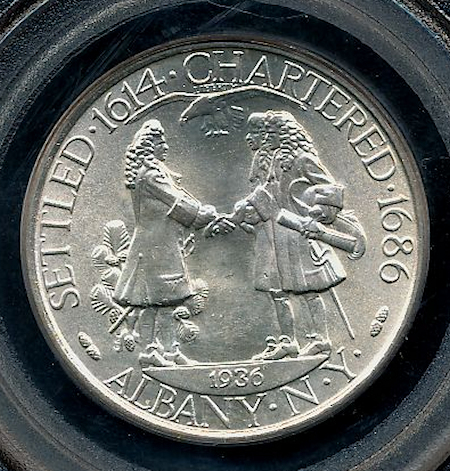 I've posted more details about the Albany half dollar: - 1936 Albany Charter 250th - 1936 Albany Charter 250th - Ephemera- 1936 Albany Charter 250th - Unused FundsYou can read more about commemorative coins and medals here: Read More: Commems CollectionCollecting history one coin or medal at a time! (c) commems. All rights reserved.
|
|
Moderator
United States
195559 Posts |
Fantastic example! Quote:
The primary scene on the reverse is that of Governor Thomas Dongan (left) shaking hands with Peter Schuyler Peter (Pieter) Schuyler's great-nephew was General (later Senator) Philip Schuyler, the father-in-law of Alexander Hamilton. I will not break out into song this time.  |
|
Bedrock of the Community
Canada
24885 Posts |
1836 M.T Republica Peruana 8 Reales 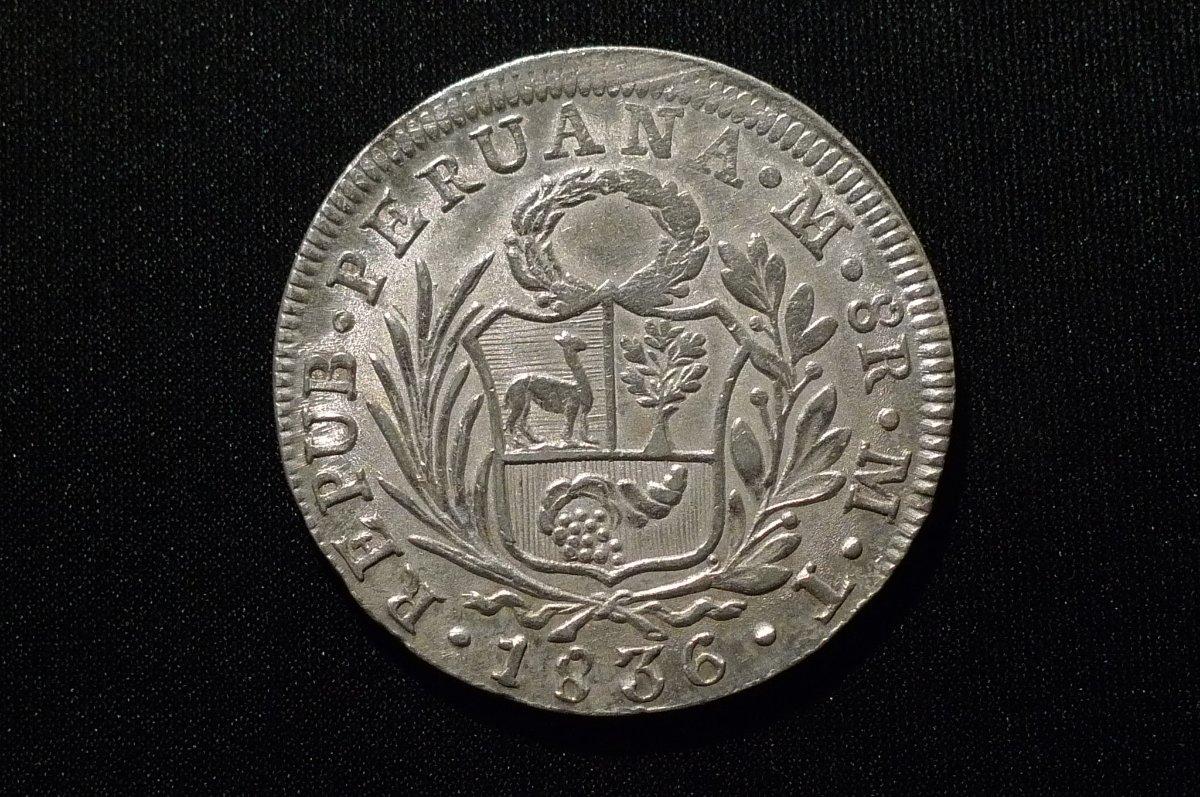 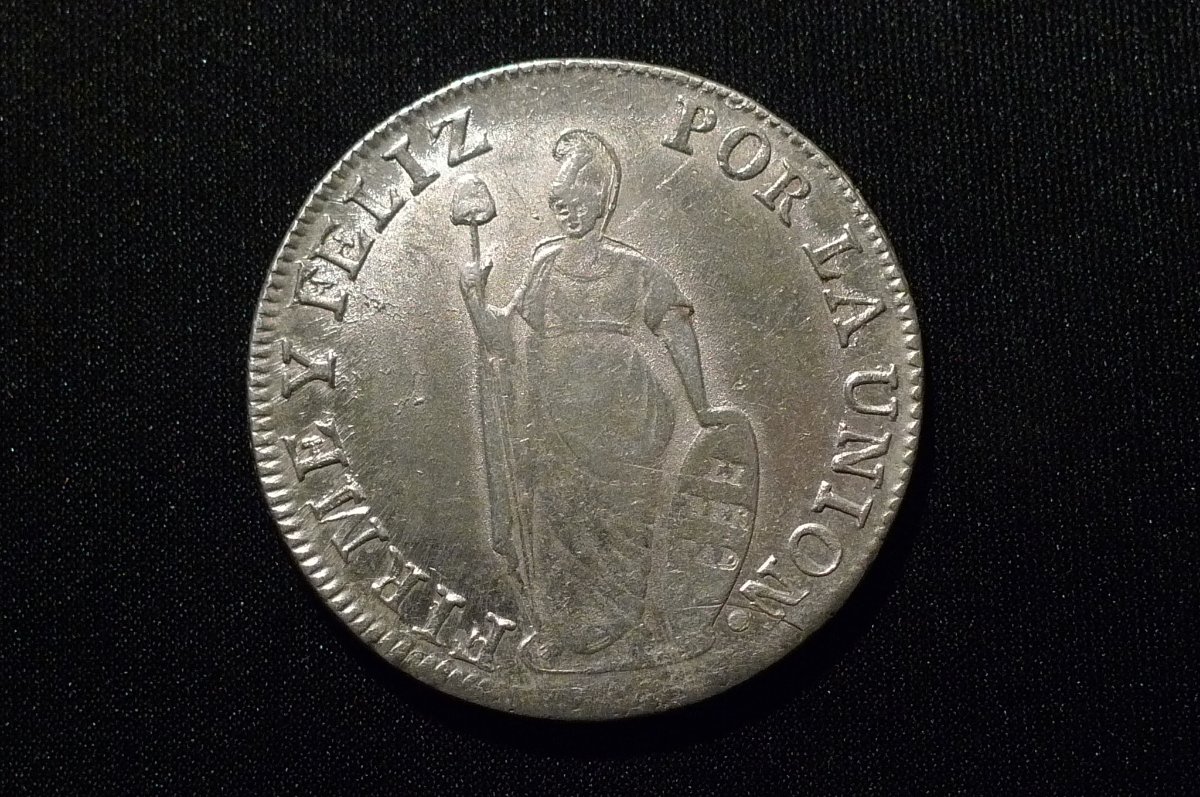 |
|
CCF Master Historian of Commemorative Coins
United States
12552 Posts |
The 1936 Columbia, SC Sesquicentennial half dollar was issued to commemorate the sesquicentennial (i.e., 150th) anniversary of the founding of the capital of South Carolina at Columbia, South Carolina. It is the reverse of the coin on which we find the flora - a palmetto tree is the central design element of the reverse. Wood from local palmetto trees was used in the construction of the fort built on Sullivan's Island to protect Charleston, SC. On June 28, 1776, a group of nine British Navy ships, under the command of Commodore Sir Peter Parker, attacked the still-under-construction fort. The attack lasted approximately nine hours, but the Palmetto logs withstood the barrage and the fort held - Charleston was saved! After the successful battle, the fort was named after its commander, Colonel William Moultrie. The Palmetto tree, and its strength, soon became a popular symbol of South Carolina and has remained such through to the present. The tree's selection as a design element for the Columbia coin was inevitable, considering its place in the history of the city. On the coin's obverse, Lady Justice, is depicted holding a balance scale in her upraised left hand while holding a sword, pointed down, in her right hand. Abraham Wolfe Davidson is the artist responsible for the coin's designs. 1936 Columbia, SC Sesquicentennial Half Dollar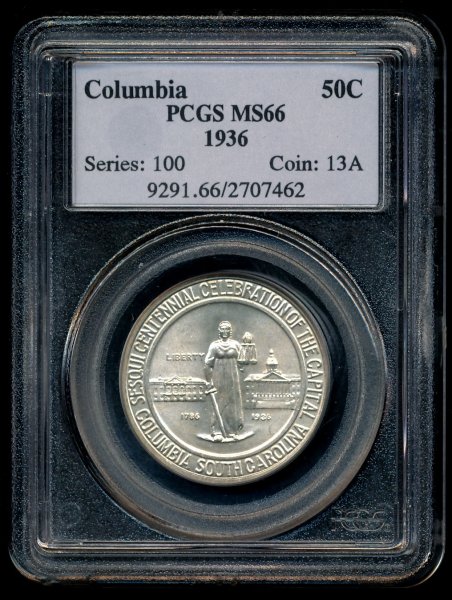 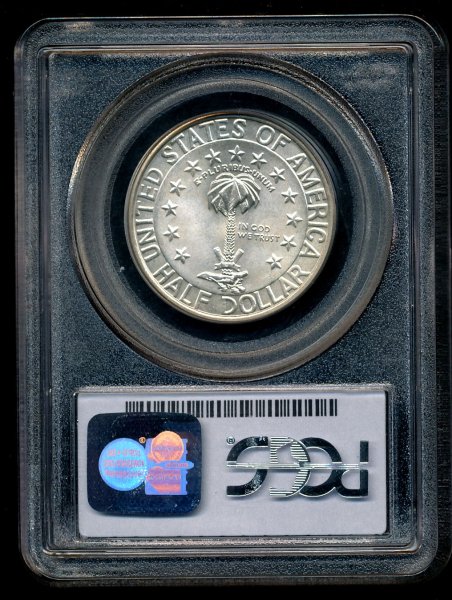 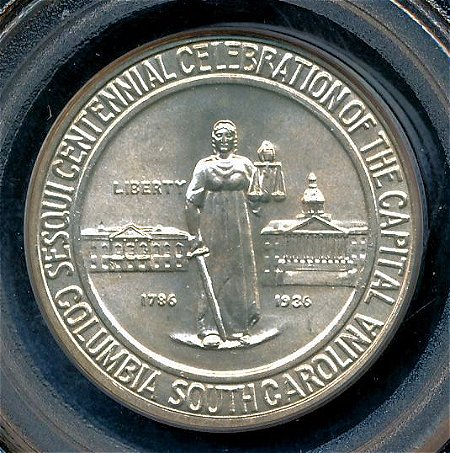 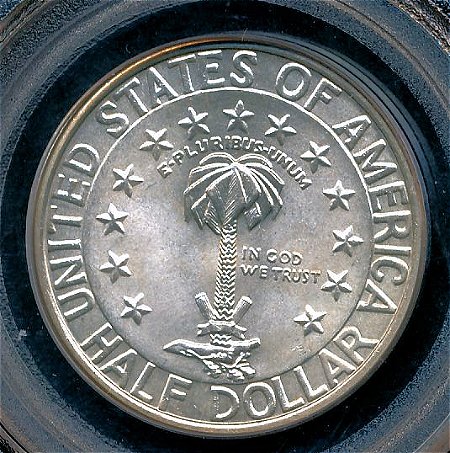 You can read more details about the Columbia, SC half dollar, its original holder and various related ephemera by checking out: - 1936 Columbia, SC Sesquicentennial- 1936 Columbia, SC Sesquicentennial - Ephemera- 1936 Columbia, SC Sesquicentennial - Ephemera #2- 1936 Columbia, SC Sesquicentennial - "Cousin"- 1936 Columbia, SC Sesquicentennial - Coins Depicting Mythology Thread- 1936 Columbia, SC Sesquicentennial - Coins Depicting Places Thread- 1936 Columbia, SC Sesquicentennial - Coins With Stars ThreadMore of my posts about commemorative coins and medals can be found here: Read More: Commems CollectionCollecting history one coin or medal at a time! (c) commems. All rights reserved.
|
|
Moderator
United States
195559 Posts |
Quote:
1836 M.T Republica Peruana 8 Reales Excellent! Quote:
1936 Columbia, SC Sesquicentennial Half Dollar Always good to see this commemorative, especially here to showcase the palmetto.  |
|
Bedrock of the Community
Canada
24885 Posts |
1974 Hungary. 2o Forint 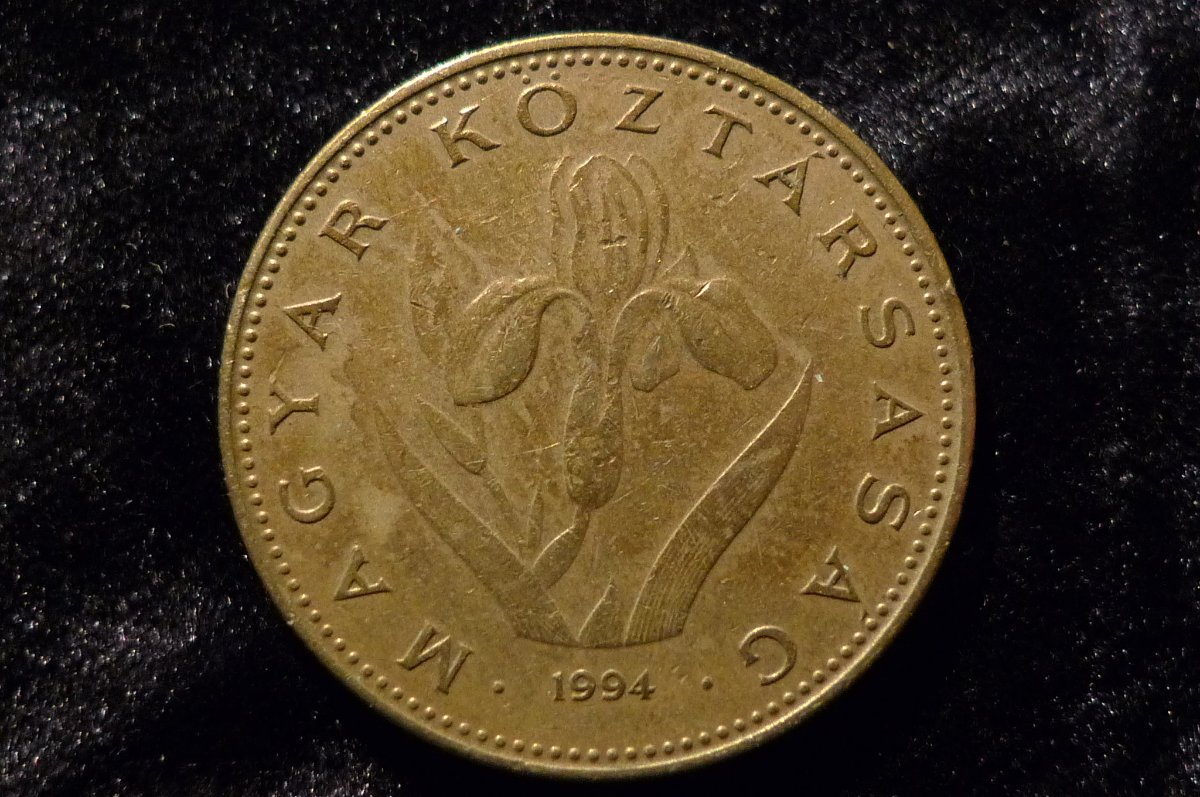 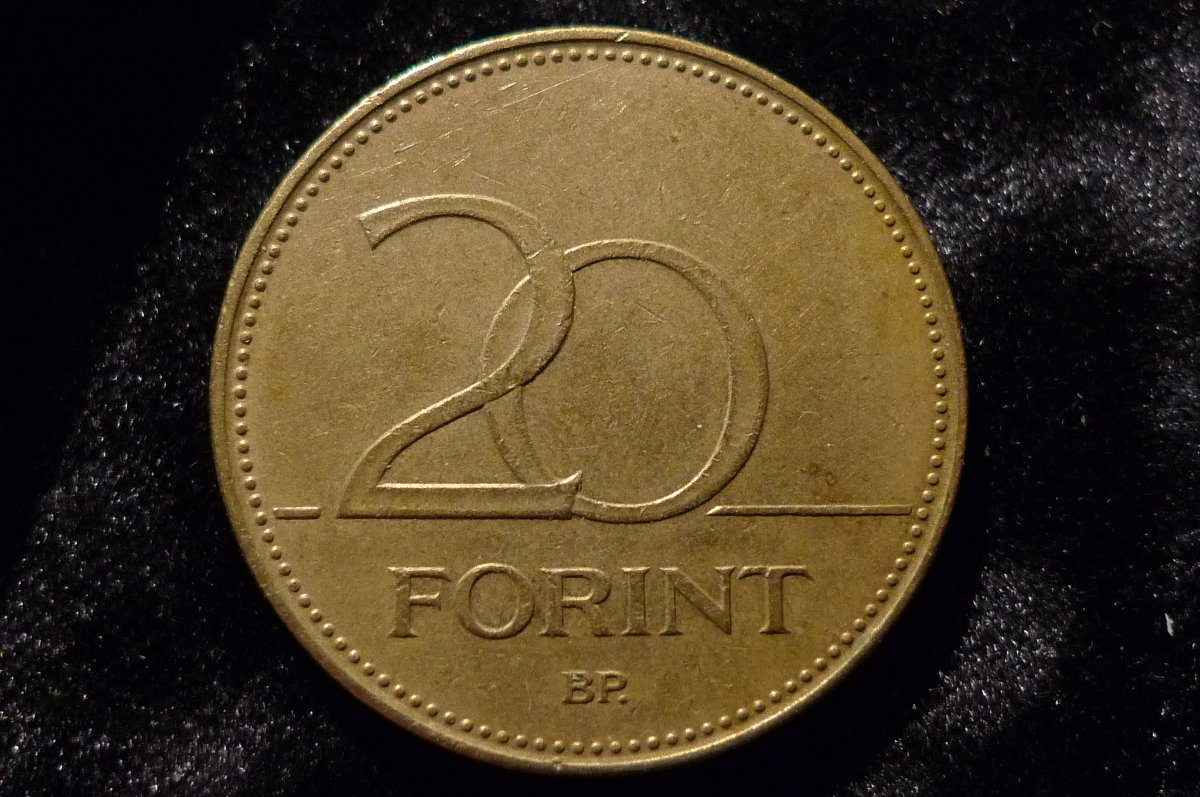 Obverse Hungarian iris (Binomial Name: Iris variegata) |
|
Bedrock of the Community
United Kingdom
18783 Posts |
1993 Malta 2 cents with olive branch on the reverse: 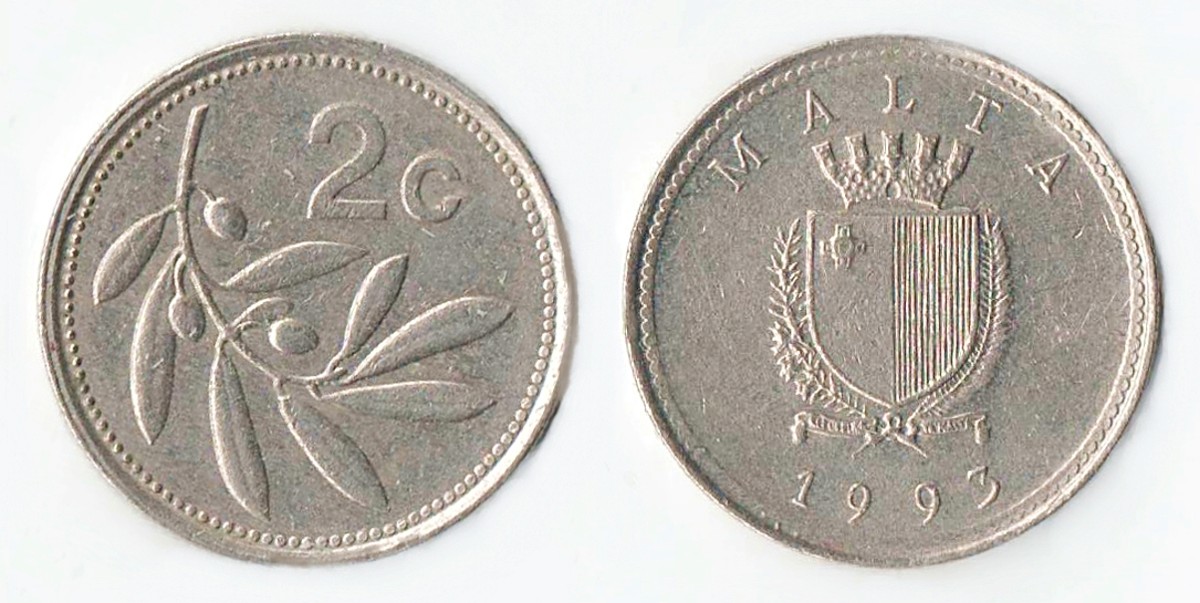 |
|
CCF Master Historian of Commemorative Coins
United States
12552 Posts |
Collecting history one coin or medal at a time! (c) commems. All rights reserved.
|
|
Bedrock of the Community
United Kingdom
18783 Posts |
Beautiful coin, commems - that's definitely one I'd like to get sometime! Floa on both sides of this Guatemala 10 centavos - jungle plants either side of the monolith on the reverse, and laurel branches forming part of the coat-of-arms on the reverse! 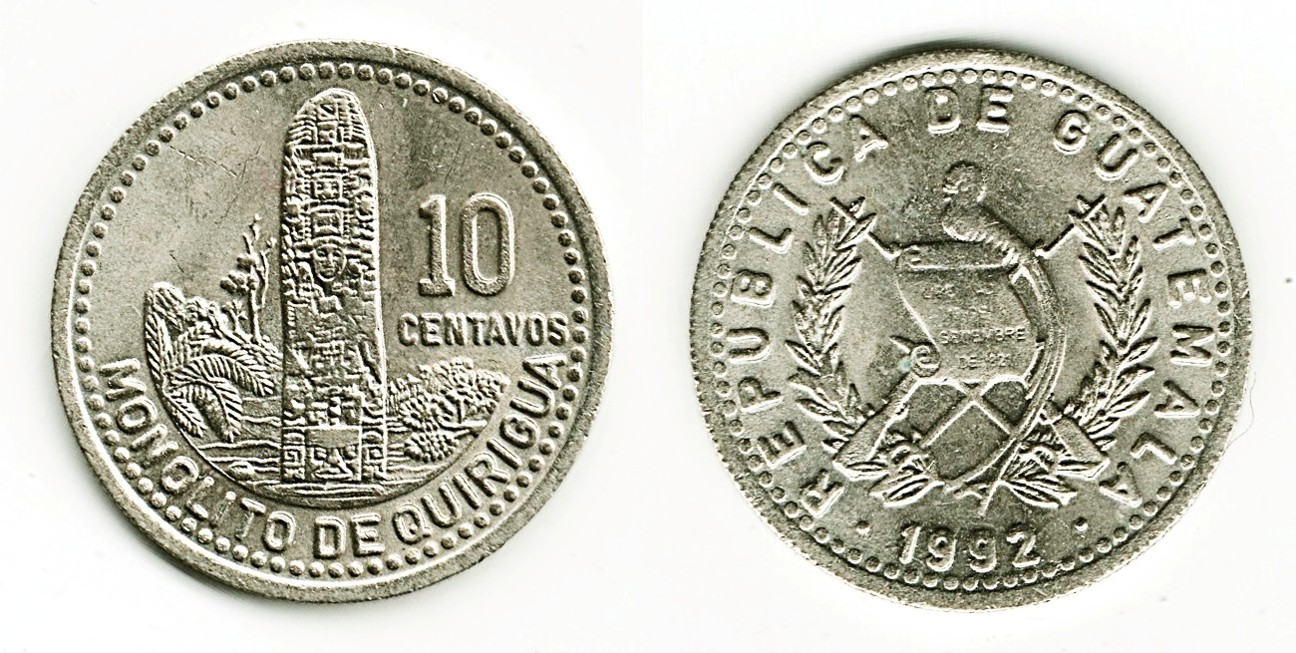 |
|
Moderator
United States
195559 Posts |
Great examples! |
|
CCF Master Historian of Commemorative Coins
United States
12552 Posts |
The 1936 Norfolk commemorative half dollar marks the 300th anniversary of the 1636 land grant that led to the founding of the Village of Norfolk, as well as the 200th anniversary of the 1736 establishment of the Borough of Norfolk, VA. Its flora element - the American Dogwood - is found on the coin's reverse. The coin's dominant reverse design element is the Royal Mace of Norfolk. The mace is flanked by "16" and "36" - the year of the original land grant. The date is flanked by flowering dogwood (aka American Dogwood, Cornus florida) branches, one on each side; the elements are spread across an imaginary horizontal line between the 9 o'clock and 3 o'clock positions. Flowering (American) dogwood is very common in Virginia; it has been the official Virginia State Tree and Flower since 1918 when such was declared by the Virginia General Assembly. In selecting the American Dogwood, Virginia legislators hoped to "stimulate an interest in the history and traditions of the Commonwealth." One relevant historical note is the fact that Thomas Jefferson grew Dogwood at his Monticello (Virginia) estate. The coin was jointly designed by William Marks Simpson and his wife Majorie Emory Simpson. 1936 Norfolk Bicentennial/Tricentennial Half Dollar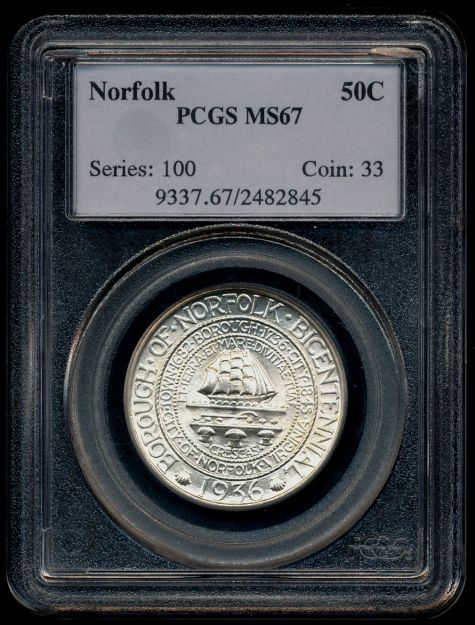 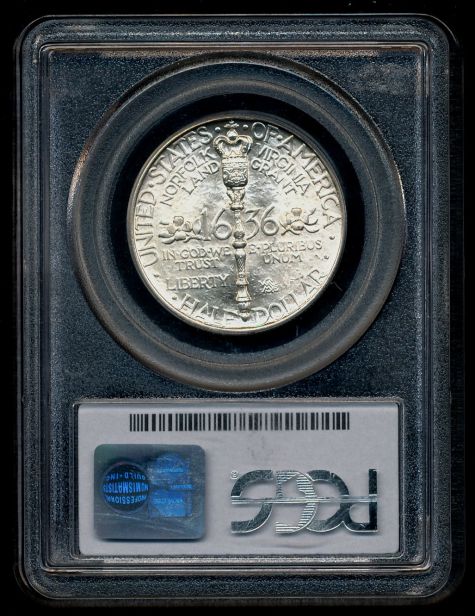 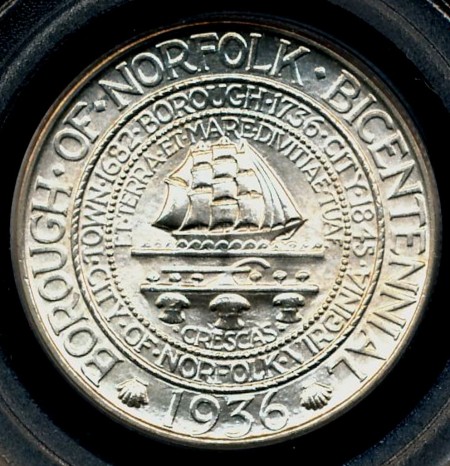 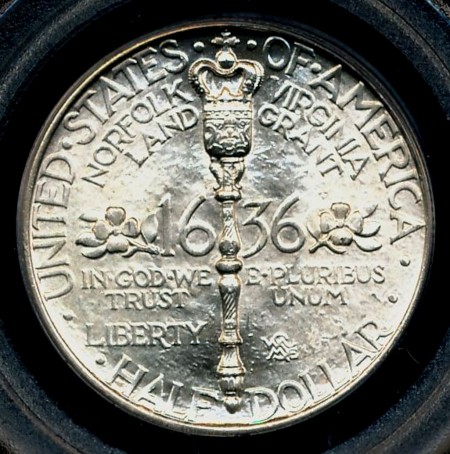 You can learn more about the Norfolk half dollar here: - 1936 Norfolk, VA Bicentennial / Tricentennial- 1936 Norfolk, VA Bicentennial / Tricentennial - Original Models vs. Final Coins- "Thanks! But No Thanks!" - The Norfolk Medal- Raleigh's Portrait - Raleigh Coin's Design Team- 1936 Norfolk, VA Tricentennial / Bicentennial, Coins Designed by a Woman Thread- 1936 Norfolk, VA Tricentennial / Bicentennial, Coins With Hats ThreadFor other of my posts about commemorative coins and medals, see: Read More: Commems Collection. Collecting history one coin or medal at a time! (c) commems. All rights reserved.
|
|
CCF Master Historian of Commemorative Coins
United States
12552 Posts |
Quote:
Beautiful coin, commems - that's definitely one I'd like to get sometime! Thanks much! It's definitely one of the more popular coin in the series. Hopefully, your acquisition of an example will come sooner rather than later! Collecting history one coin or medal at a time! (c) commems. All rights reserved.
|
|
Moderator
United States
195559 Posts |
Quote:
The date is flanked by flowering dogwood (aka American Dogwood, Cornus florida) branches, one on each side Very interesting! I did not realize the significance before. |
| |
Replies: 6,699 / Views: 165,410 |







 First Page
 Previous Page


 Posted 05/17/2021 10:28 am