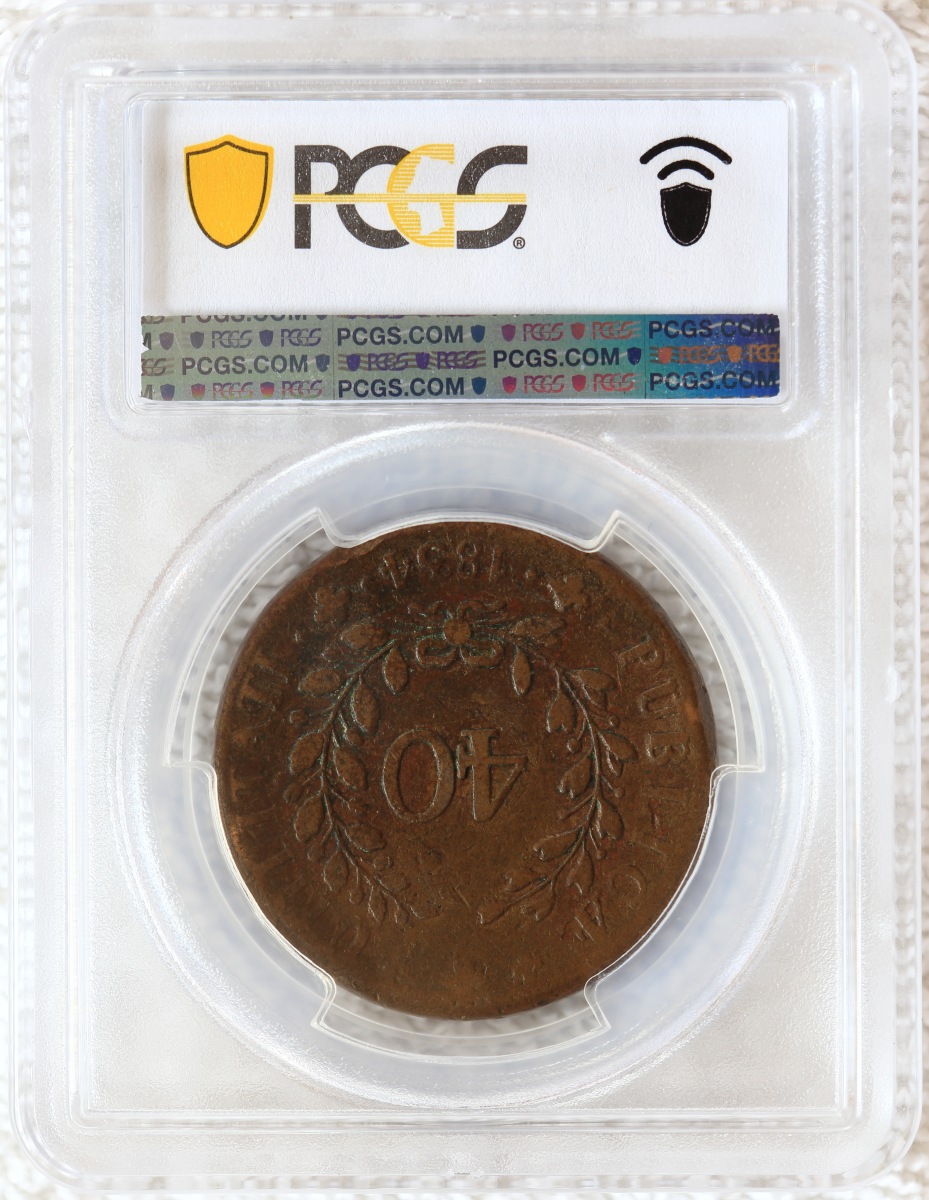
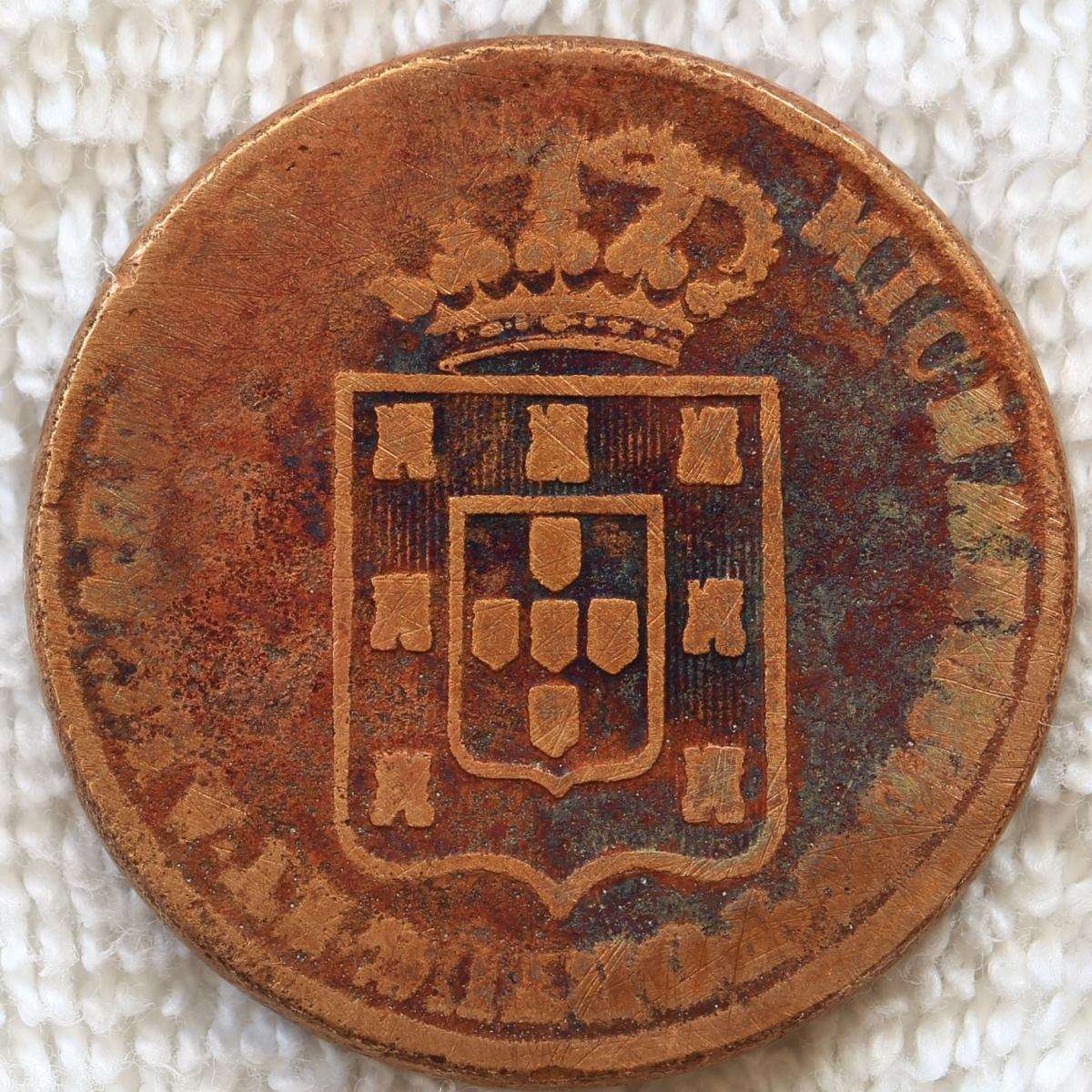
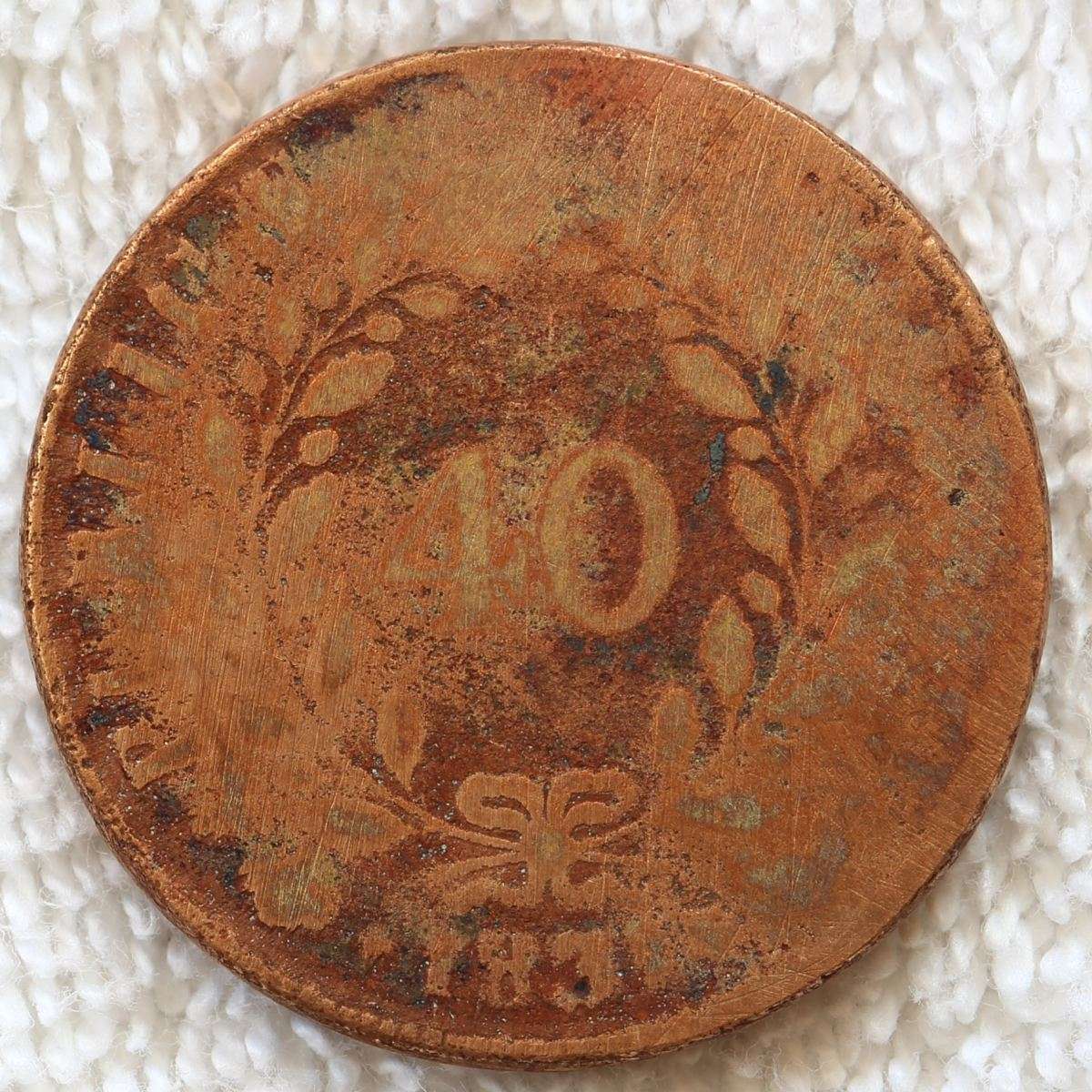
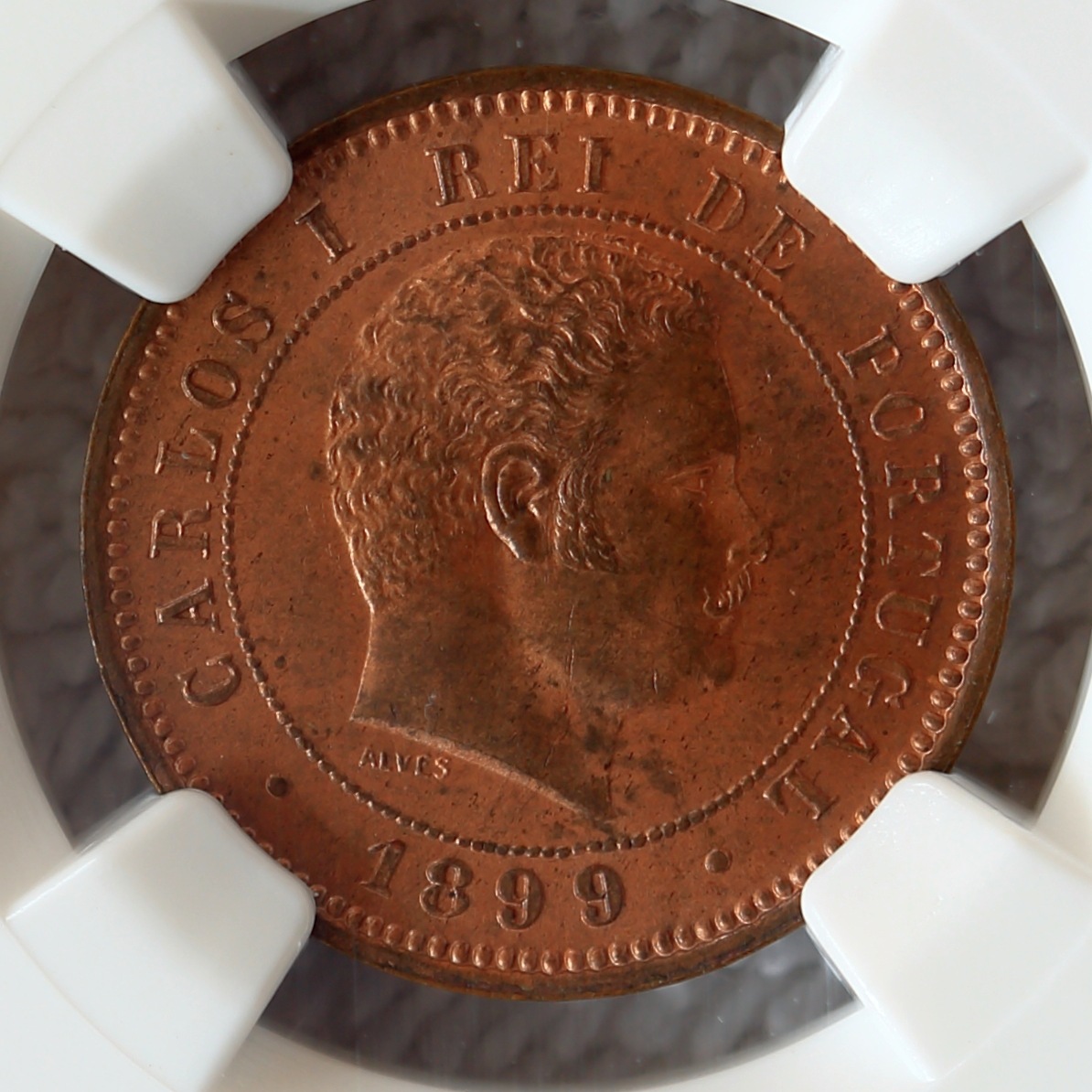
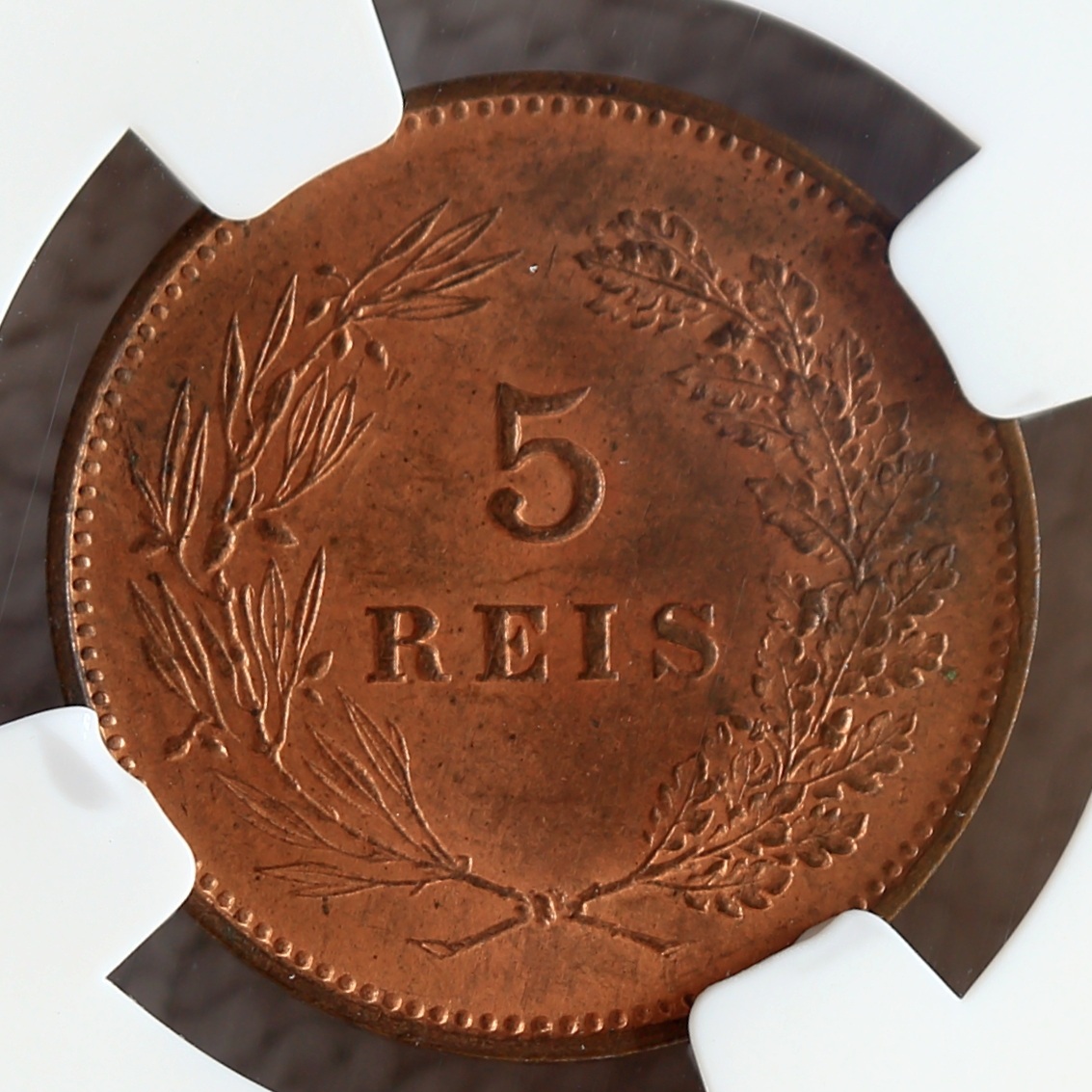
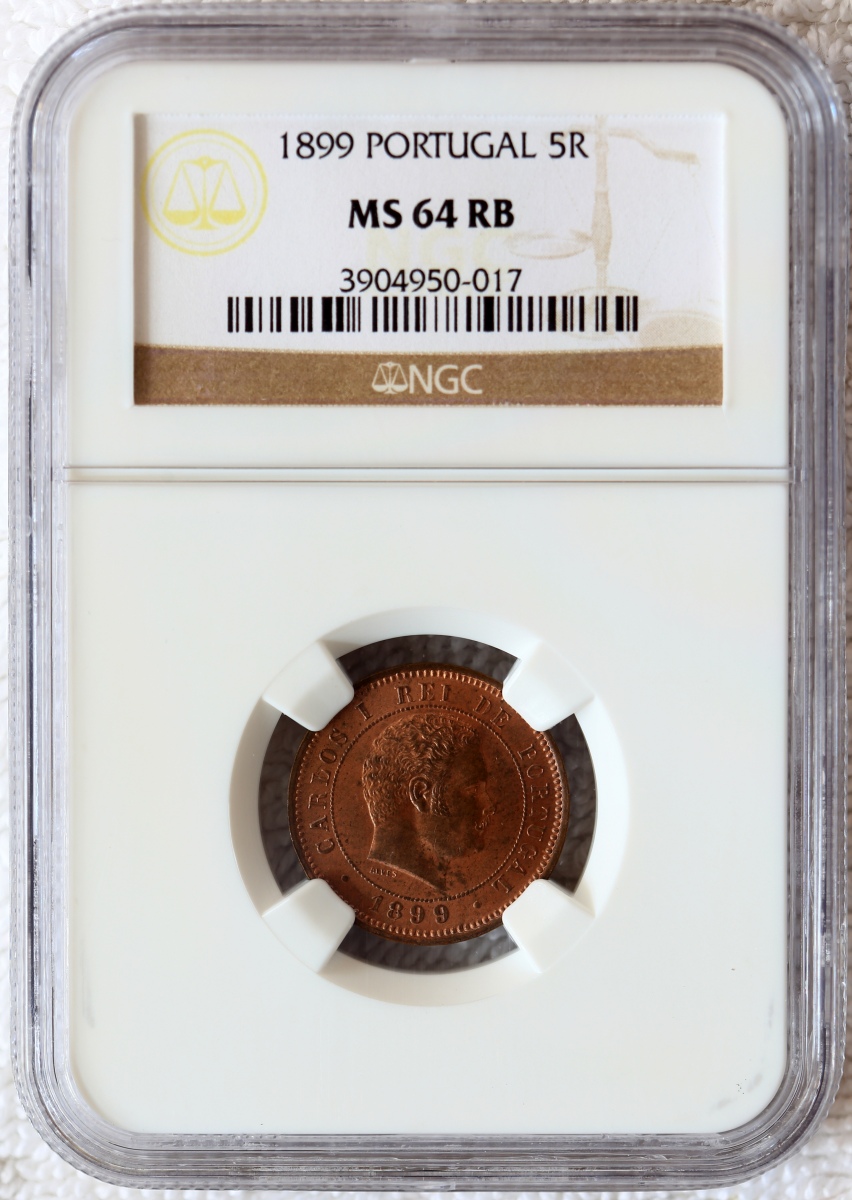
Today's coin while not technically from "Portugal" as the Islands of the Azores are officially autonomous regions. The autonomous regions were established due to their distinct geography, economy, social and cultural situation. Although they are separate from a political-administrative autonomy the Portuguese constitution specifies that there is both a regional and national connection, obliging their administrations to maintain democratic principles and promote regional interests, while still reinforcing national unity.
The Azores have a rich history in coinage, issuing their own coins from 1750 and currency from 1843 until 1911.Although the coinage was minted in Lisbon. With the changeover to Escudo, the 3 regions of Portugal (Azore, Madeira and mainland) are all on the same coins/currency.
The Azores are an archipelago composed of nine volcanic islands in the North Atlantic Ocean, about 1,400 km (870 mi) west of Lisbon and about 1,930 km (1,200 mi) southeast of Newfoundland, Canada. The island chain stretches for over 600 miles.
Its main industries are agriculture, dairy farming, livestock, fishing, and tourism. The largest city of the Azores is Ponta Delgada. The culture, dialect, cuisine, and traditions of the Azorean islands vary considerably, because these remote islands were settled sporadically over a span of two centuries.
There are nine major Azorean islands and an islet cluster. All of the islands have volcanic origins, although some, such as Santa Maria, have had no recorded volcanic activity. Mount Pico, on the island of Pico, is the highest point in Portugal, at 2,351 m (7,713 ft). If measured from their base at the bottom of the ocean to their peaks, which thrust high above the surface of the Atlantic, the Azores are among the tallest mountains on the planet. In many ways the Azores are comparable to the Islands of Hawai'i.
The climate of the Azores is very mild for such a northerly location, being influenced by the Gulf Stream. Because of the marine influence, temperatures remain mild year-round. Daytime temperatures normally fluctuate between 16 and 25 °C (61 and 77 °F) depending on season.Temperatures above 30 °C (86 °F) or below 3 °C (37 °F) are unknown in the major population centres. It is also generally wet and cloudy.
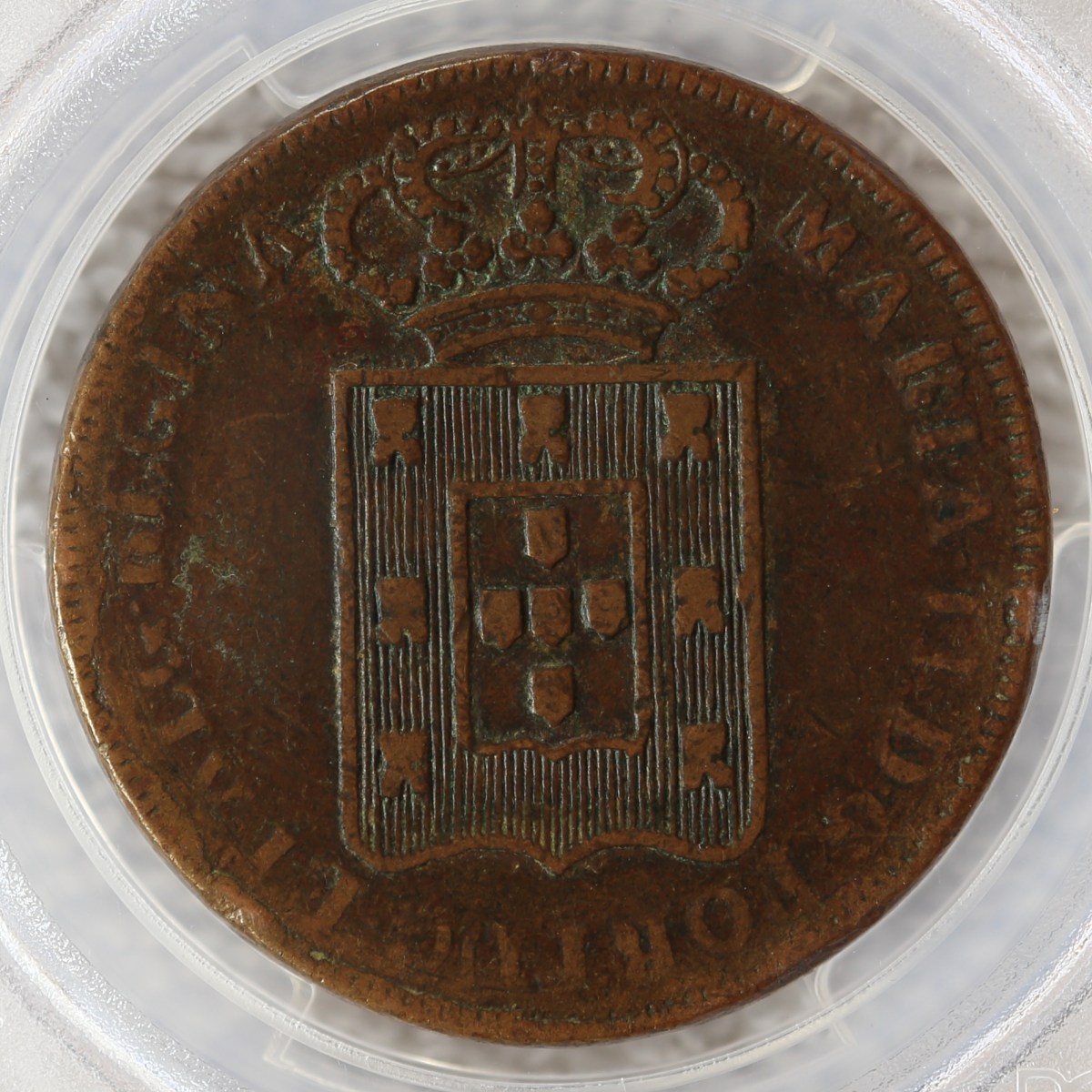
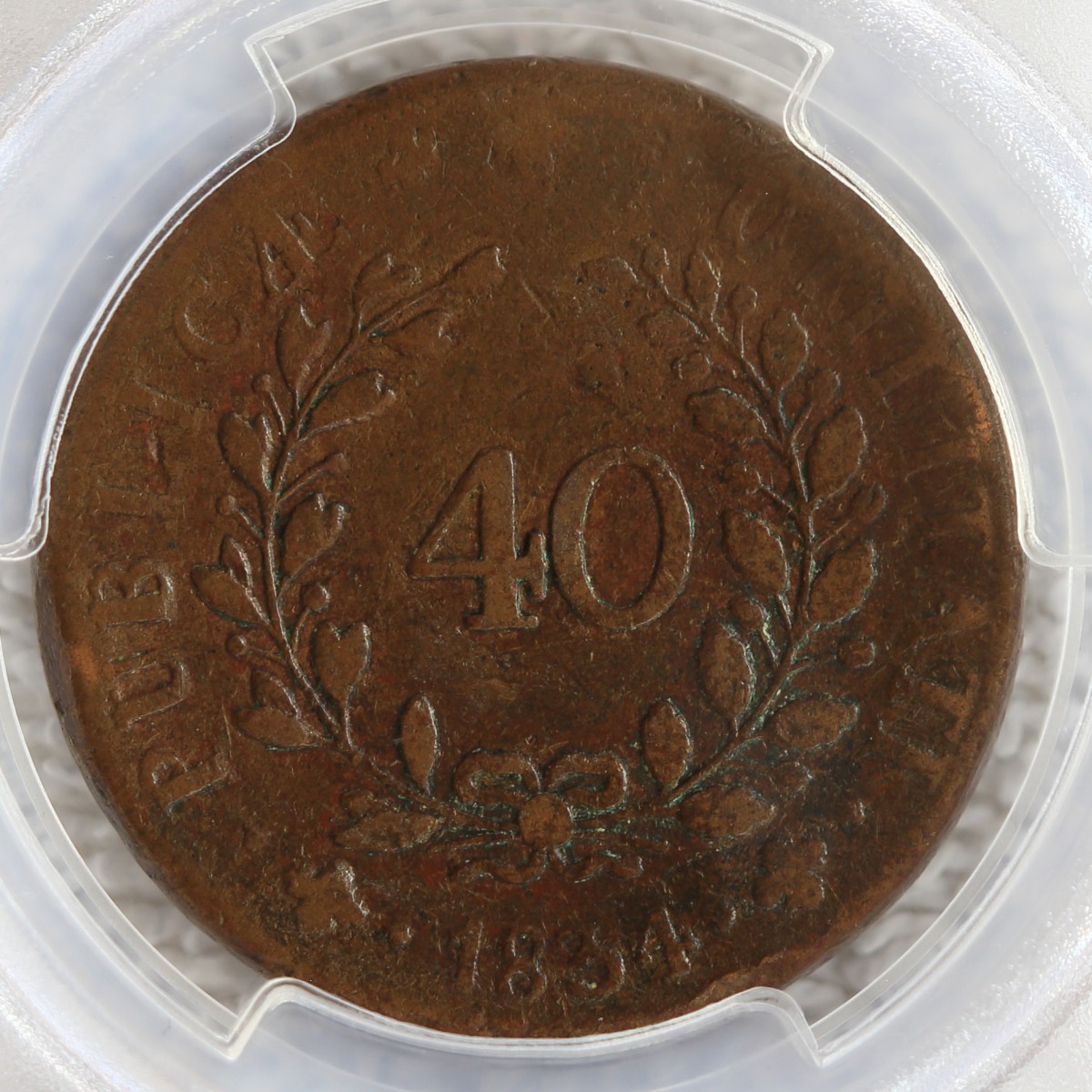
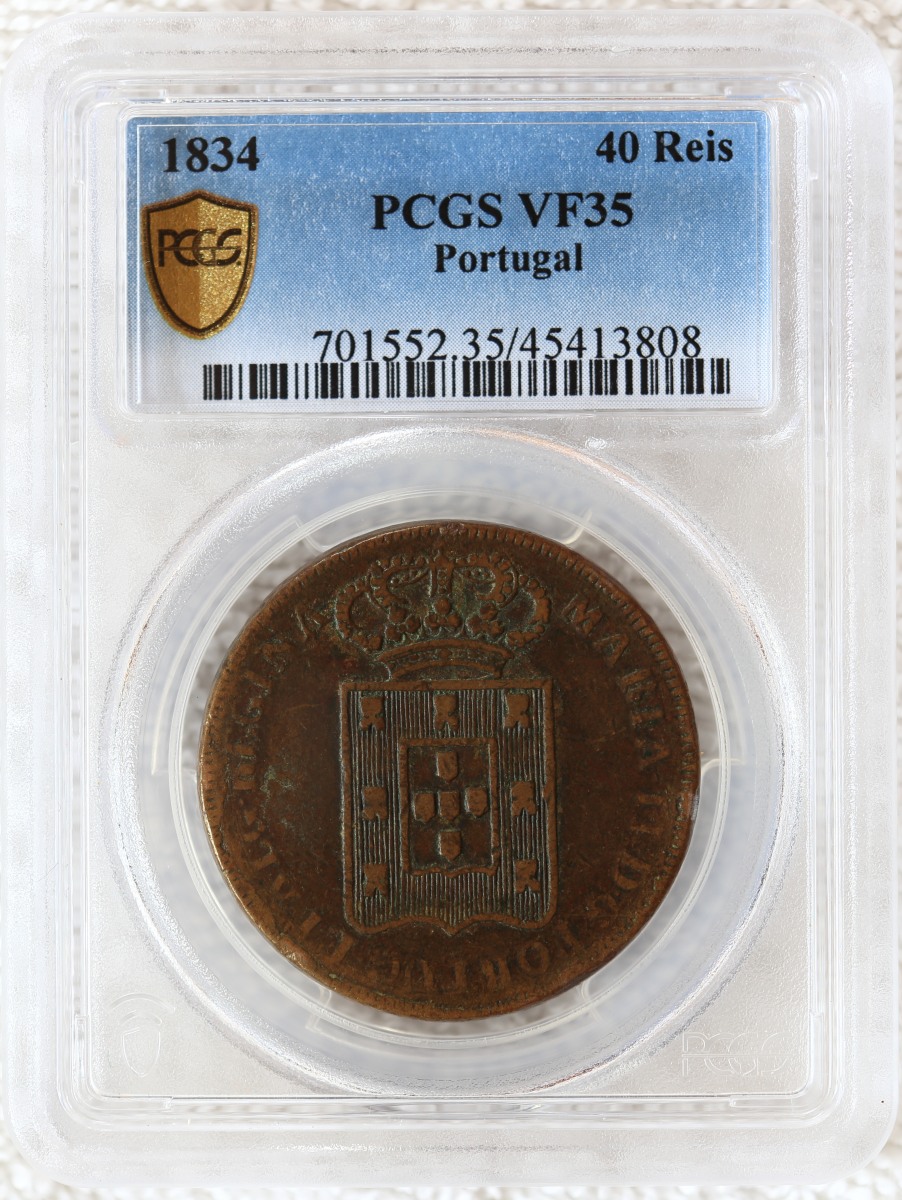
The coin:
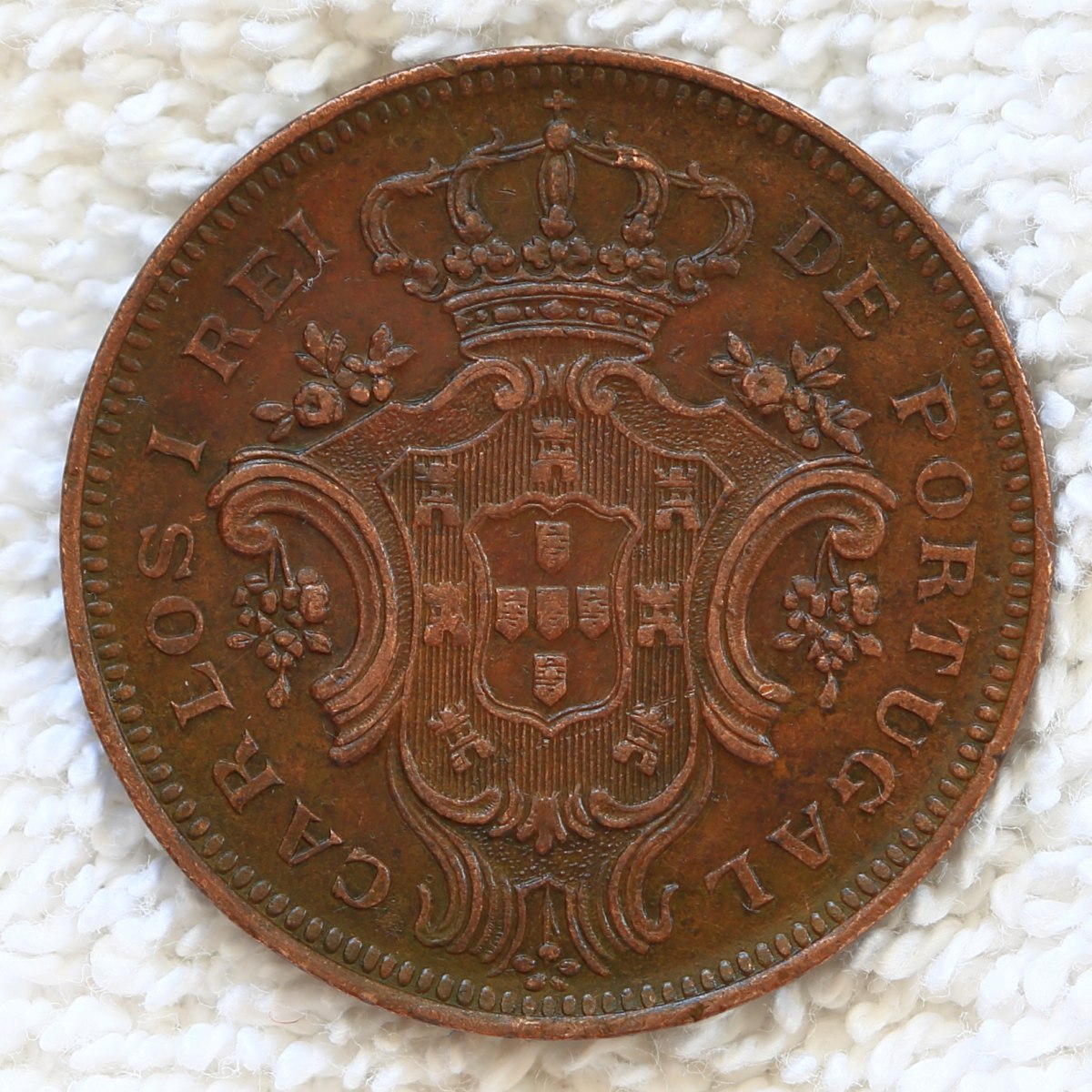
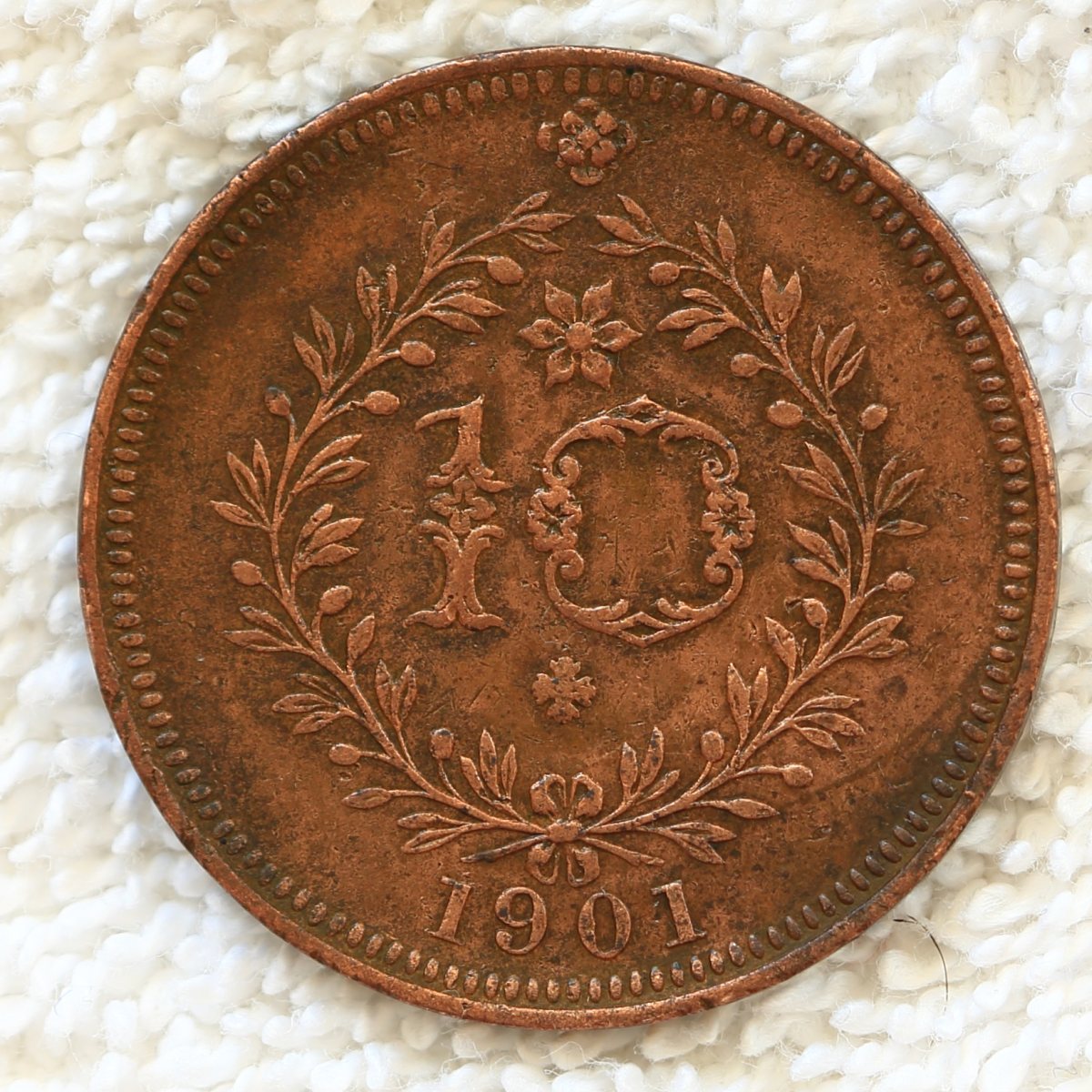
The coin was much darker when I received it but there was a sticky substance on the observe, so it went into Acetone for a day and then it was conserved with Verdi-Care. What ever was on the coin only affected the obverse (where the date is).
This was a 1 year issue.
Issuer: Azores (Portugal)
King Charles I the Diplomat (1889-1908)
Type: Standard circulation coin
Year : 1901
Value: 5 Reis
Currency: Real (decimalized, 1843-1911)
Composition: Copper
Weight: 4.9 g
Diameter: 25.4 mm
Thickness: 1 mm
Shape: Round
Orientation: Coin alignment
Demonetized: 1915
References: KM16
Mintage: 800,000








 First Page
 Previous Page


 Posted 12/01/2022 07:39 am