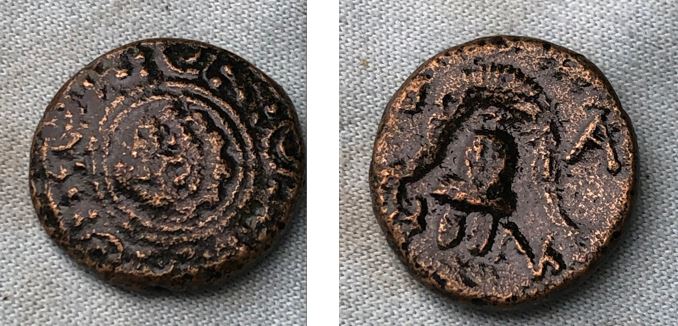
I somehow missed the link in your post, Joe.
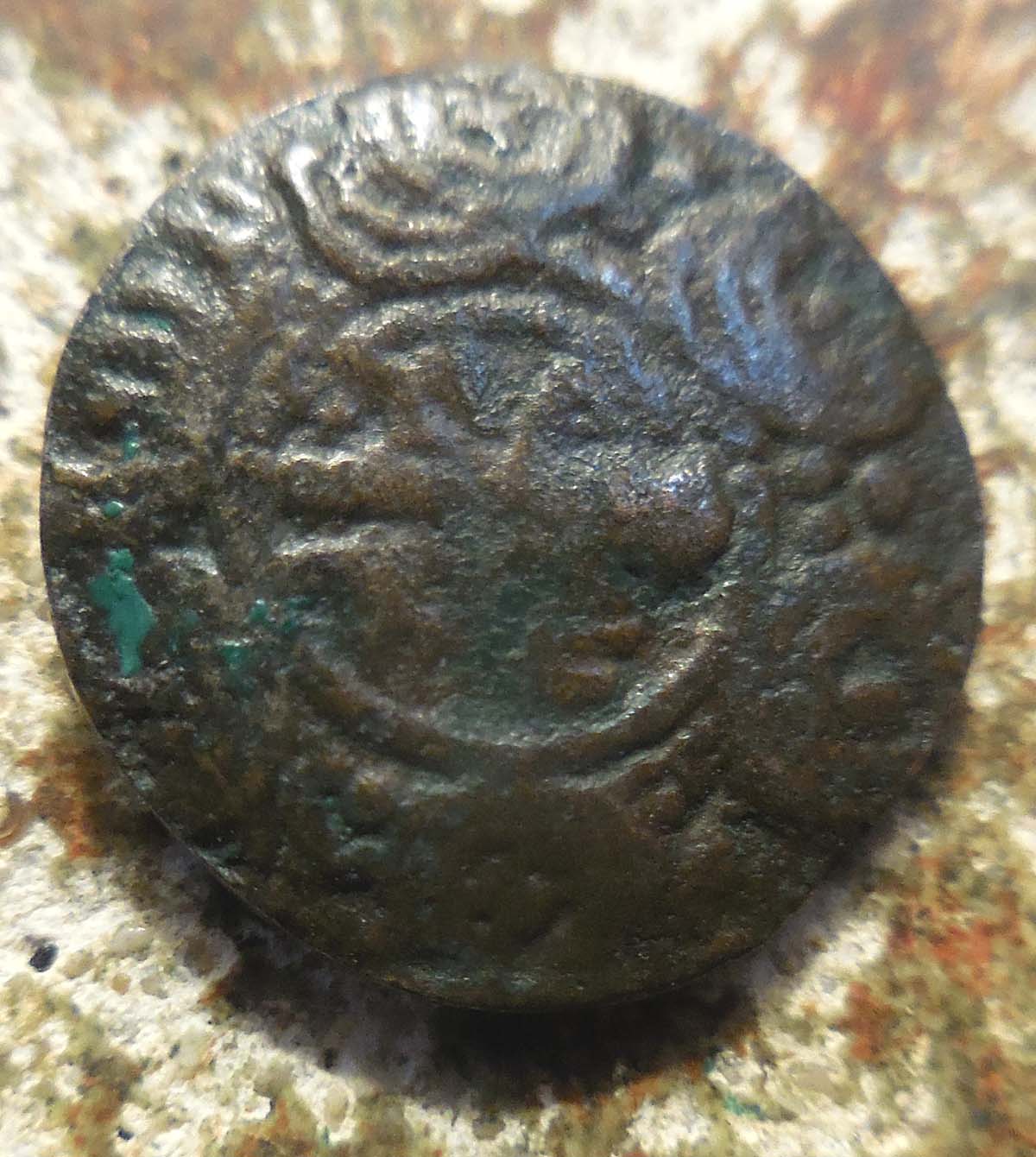
I suppose there are a few possibilities, right? Contemporary counterfeiters' fouree cores, unlisted AE denominations, emergency currency, types that are published/known (by specialists) but that are very rarely encountered and perhaps not posted online, or modern copies produced in the wrong metal. (Both coins do look legitimately ancient to me, though)
Another possibility that comes to mind, though it's quite unlikely, is that both were test strikes in base metal. I am reminded of a
Celator article written by Robert Gonnella shortly before his death in 2009, about a copper Parthian tet. In running through the possible explanations, he states - as "Reason 1" - "Test strikes were usually made using non-precious metal, in order to avoid wasting scarce resources." He was not referring, specifically, to Parthian mints. An endnote to that sentence leads to an R. Göbl article in
Antike Numismatik, Vol. 1 (Munich, 1978), p. 32. It sounds rather speculative and problematic to me, since metals can be melted and restruck, anyway. But, I guess we can add it to the list of possibilities.










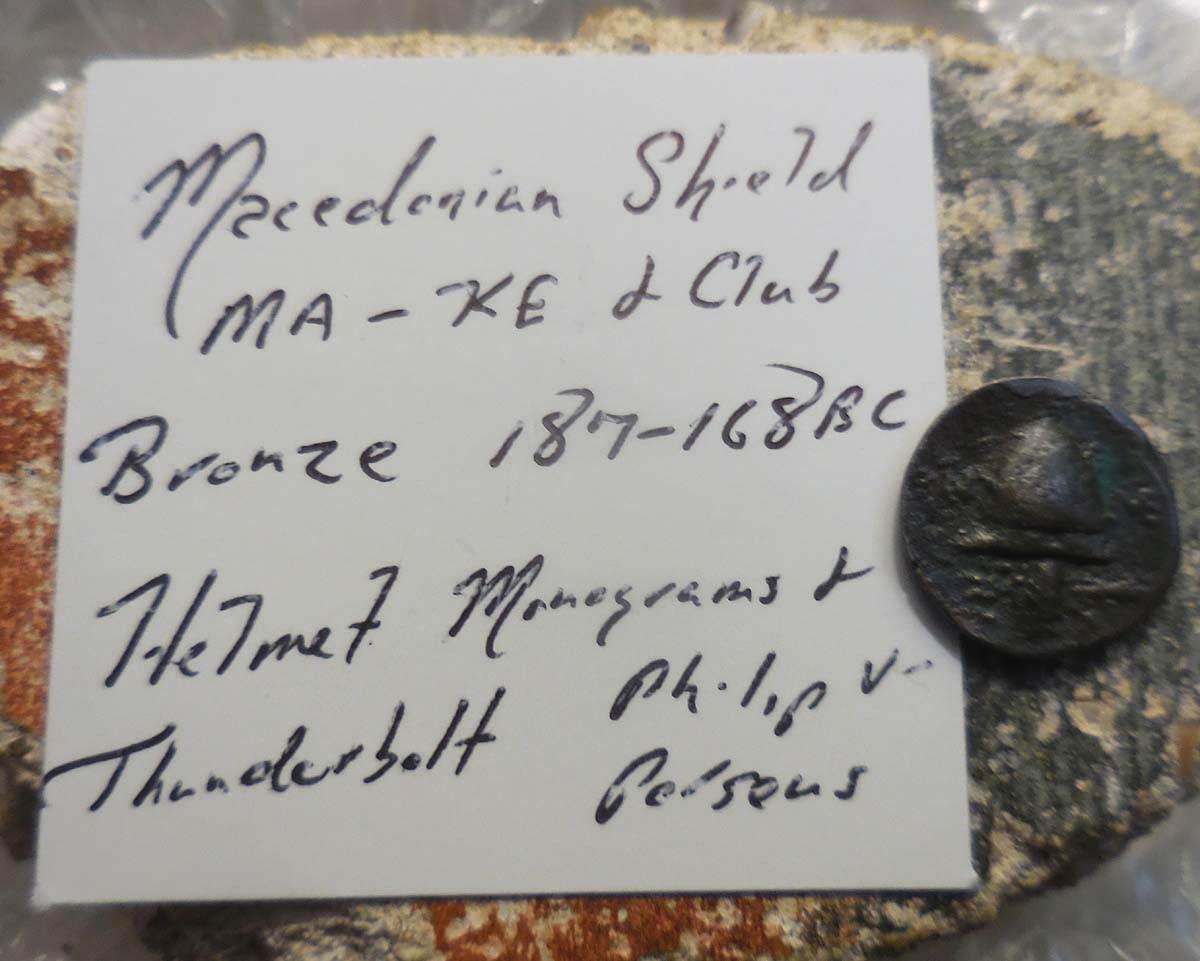
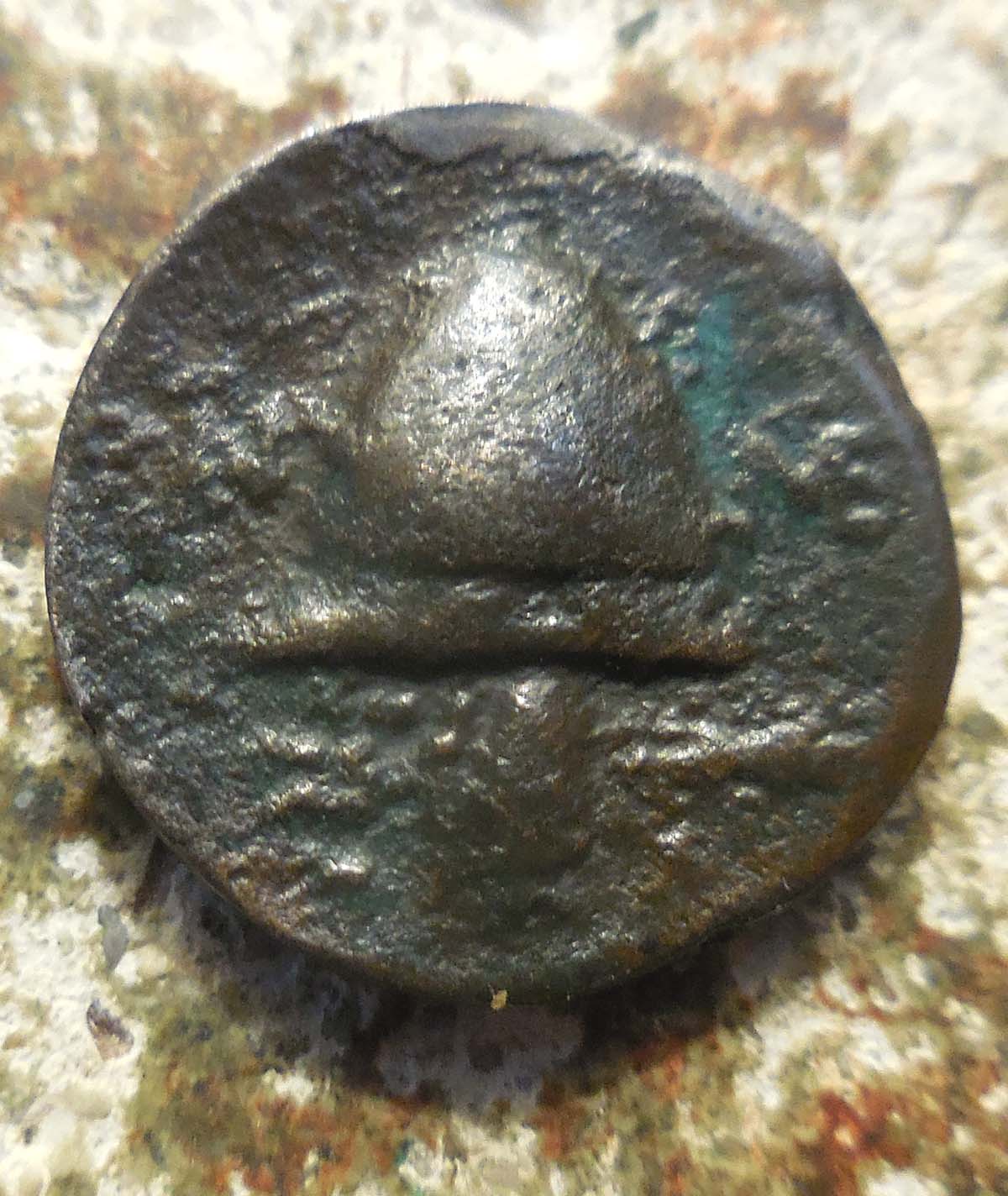
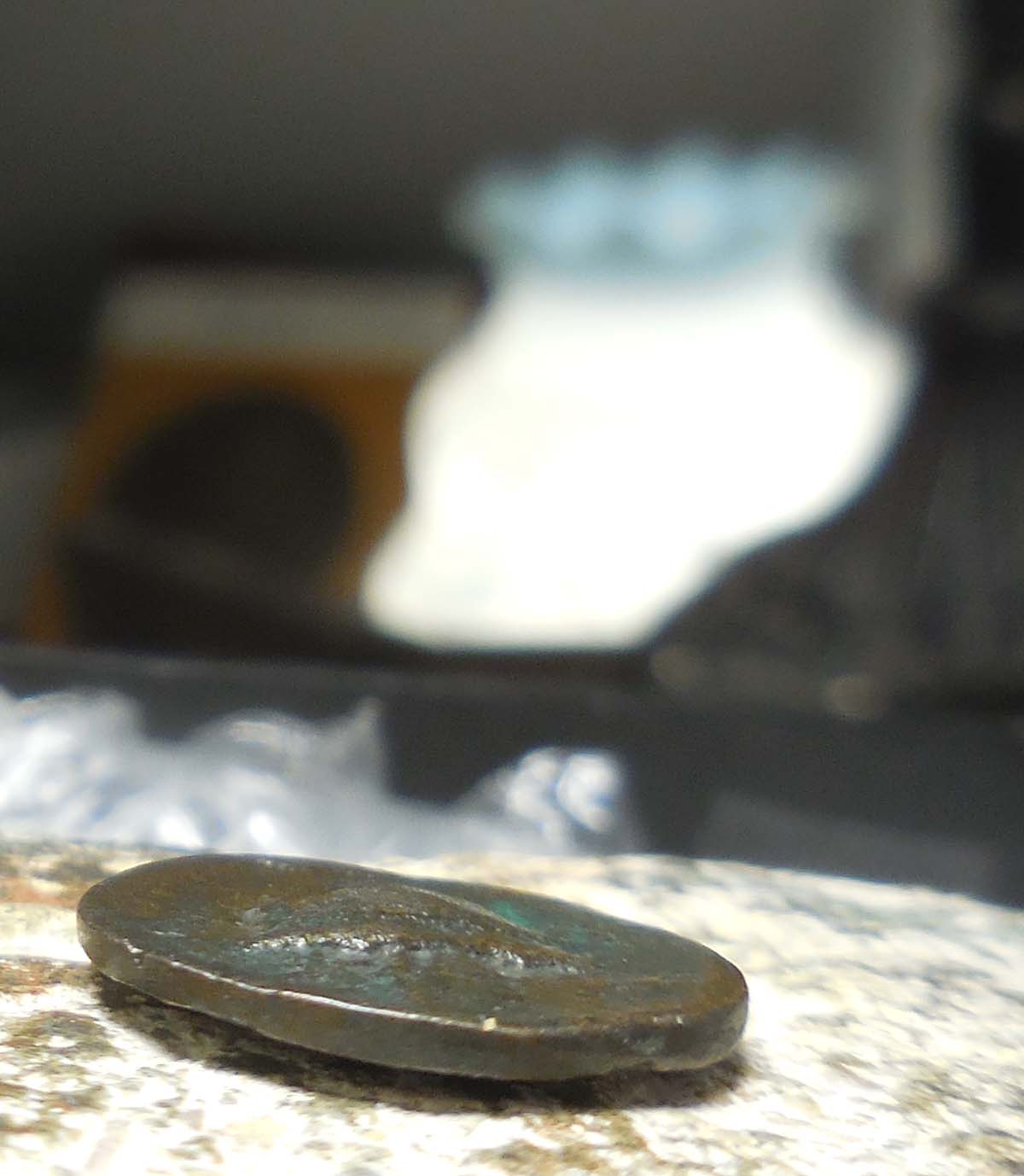


 Posted 10/31/2021 12:17 am