| Author |
 Replies: 10 / Views: 1,155 Replies: 10 / Views: 1,155 |
|
|
Pillar of the Community
Italy
1135 Posts |
Hello, While searching here in Rome, I come across a fair number of coins in jewlery. I have attached four photos - the first two are silver Florentina Florins fashioned into earrings. The second - no idea? It is struck on both sides which confused me since most jewlery only coins I have seen are black on one side - any ideas? My question is, 1) should these type coins be avoided at all costs? 2) is the second set, the semi-Egyptian looking earrings/coin, anything? Thanks, again, in advance! chris 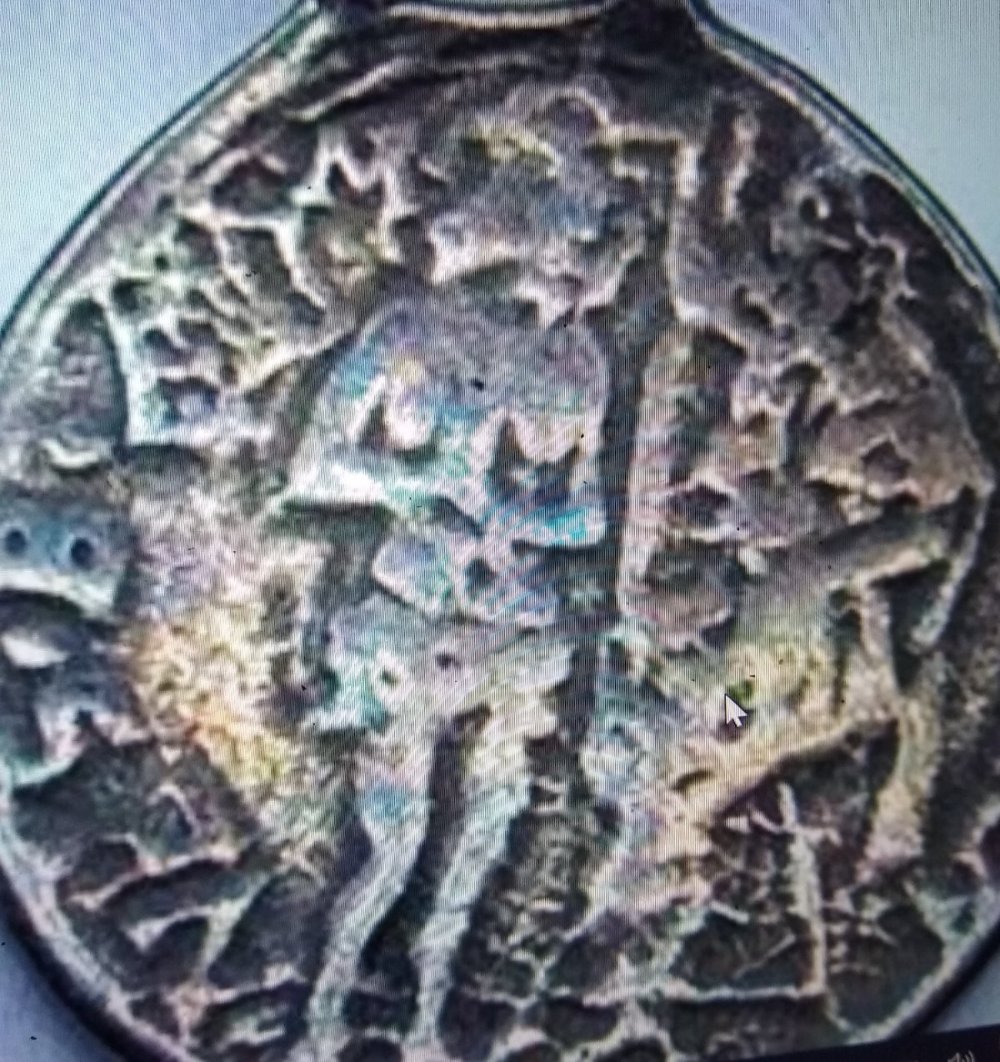 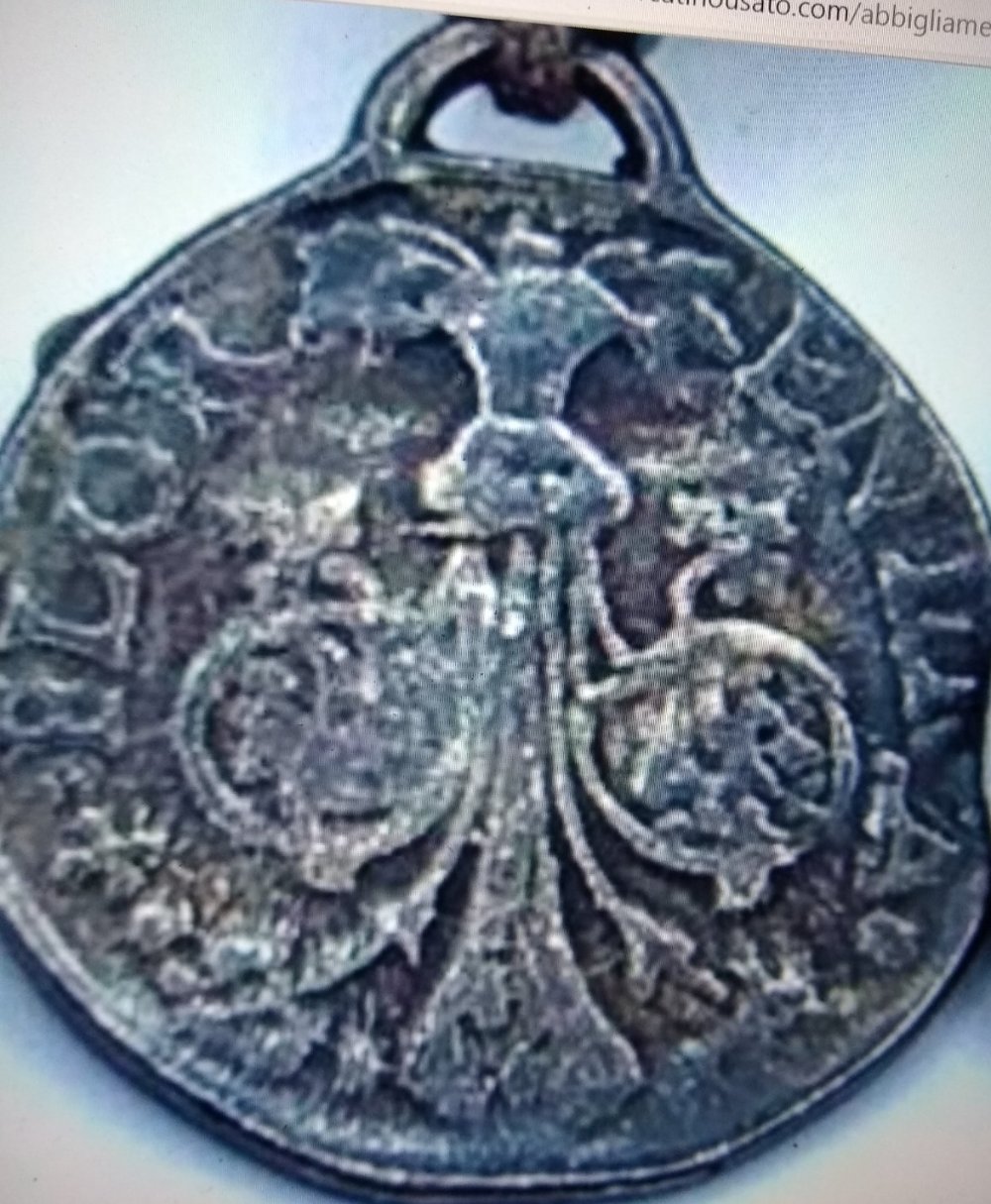 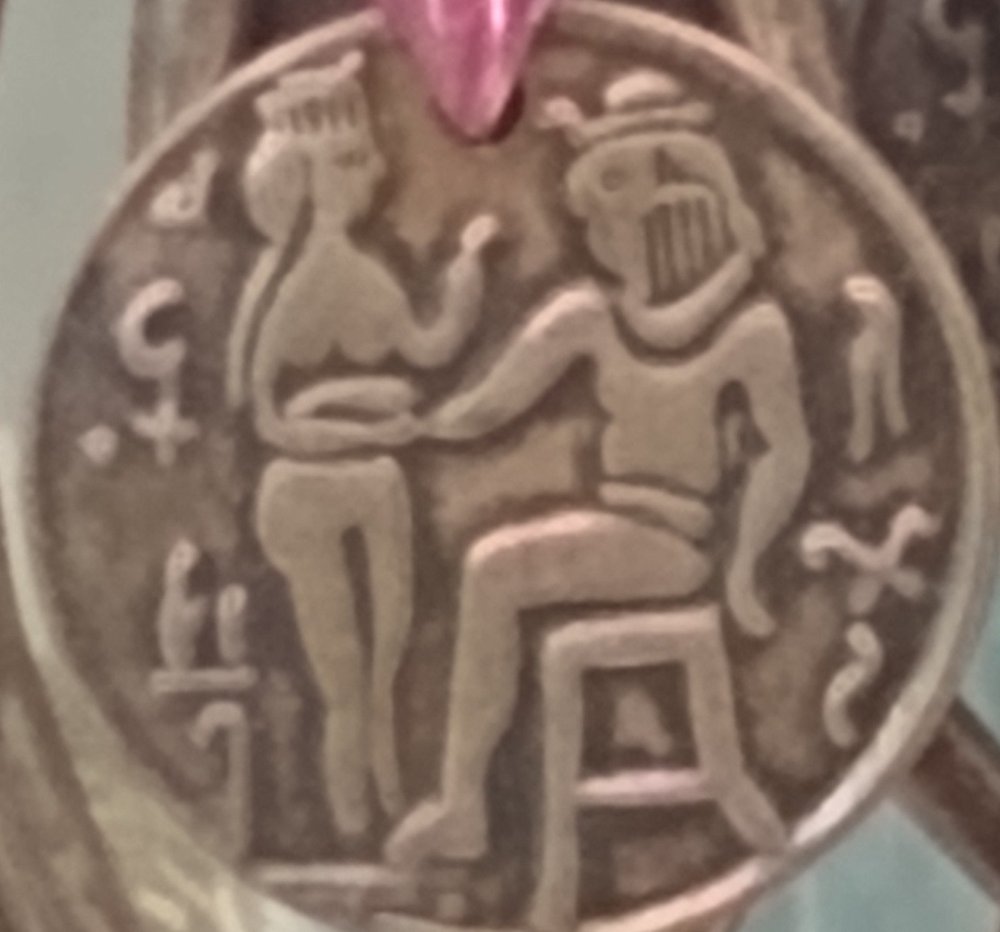 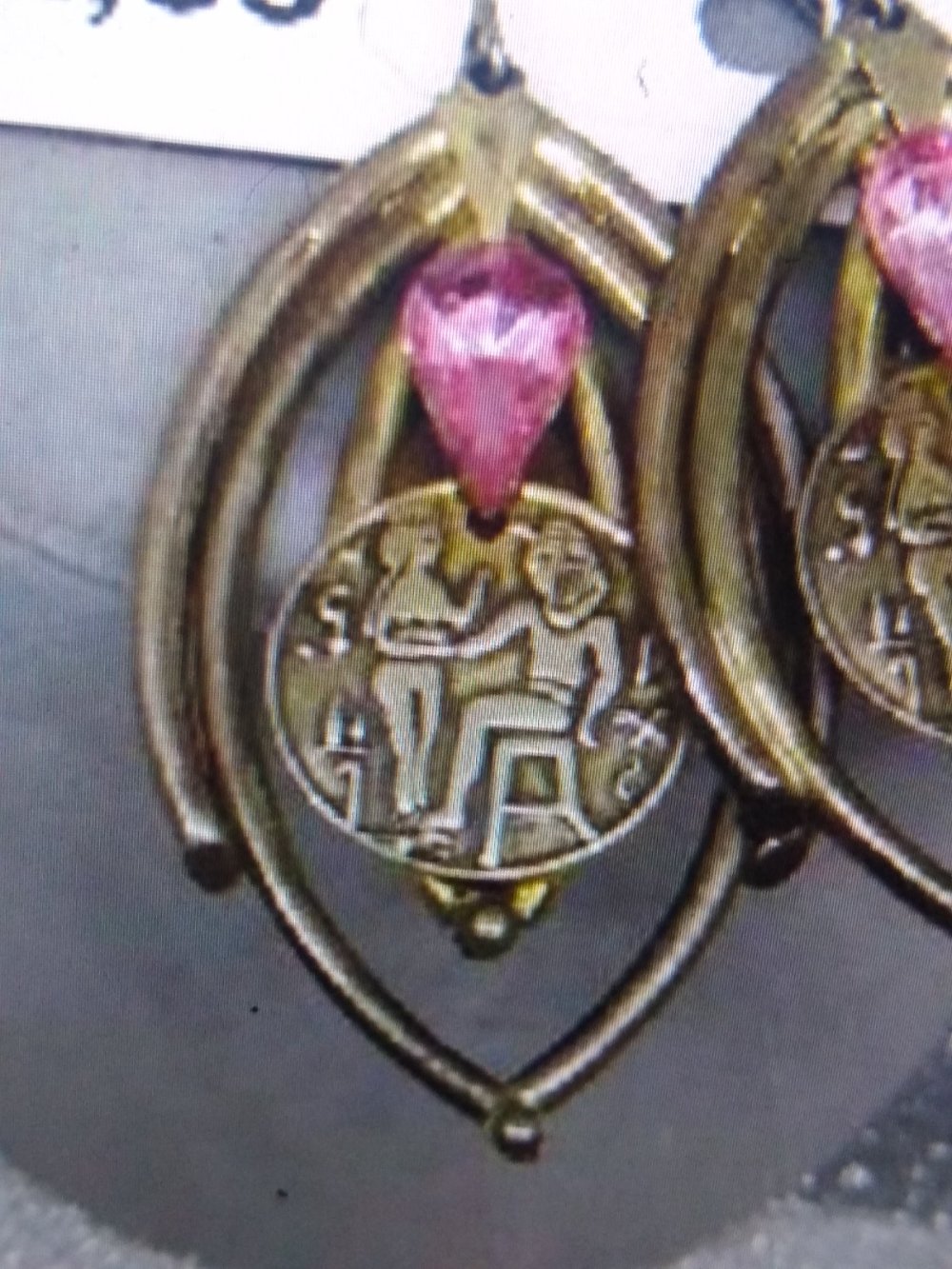 |
|
|
|
Pillar of the Community
 Italy
1135 Posts |
Nobody seems to like this thread! haha
|
|
Moderator
 United States
23731 Posts |
These are not genuine coins, so I would avoid them.
|
|
Pillar of the Community
 Spain
2752 Posts |
 ....The fake/fantasy coins are quite obvious.. But for sure some people like to wear things like this purely as a decorative feature. |
|
Pillar of the Community
Italy
1135 Posts |
|
|
Pillar of the Community
United States
616 Posts |
Italian laws are quite strict when it comes to antiquities including coins, so it doesn't surprise me that the coins you find for sale in Rome are replicas. As someone who has been to Rome numerous times and finds it my favorite city in the world, it's kind of ironic that the Eternal City is one of the few places I cannot purchase ancient Roman coins which I collect. All the coins I have seen for sale in shops are replicas except for modern coinage.
I have seen some ancient coins which were "liberated" from jewelry, and they are all damaged to some degree - which is why I don't support the practice of turning coins into jewelry. But it is an ancient practice. If you come across authentic pieces, you should never pay full numismatic value.
|
|
Pillar of the Community
Italy
1135 Posts |
js -
I agree with you that laws are quite strict, but the law and the enforcement may be two different things.
In the four years I have lived here, I have seen hundreds (hundreds!) of fake Roman items. In fact, 'Grand Tour' fakes are their own category of actual collecting; some people like the 19th century replicas, but they collect them as replicas. There are two or three numismatic shops in Rome that sell coins - ancient and otherwise - but their prices are retain+, etc. I think it is as easy to find genuine coins here as it is anywhere else in Europe, No.America, Aust., etc. but the prices are higher.
I prefer looking through the wonderful used market scene here and finding things; undervalued things, etc. The only actual Roman coin I have bought is a near slick Nero and I Probably paid low retail for it.
best,
R.
|
|
Pillar of the Community
United States
1122 Posts |
In general, I believe coin collectors avoid getting coins that were made into jewelry. In fact, I think you would be able to get a better deal in some instances. I was able to pick up a Galba on the cheap, that was made into a pin. I took it to my jeweler, the workmanship was so good, he couldn't pry it out without possibly damaging the coin (said that it was probably done late 19th early 20th century). I figured it out myself though. 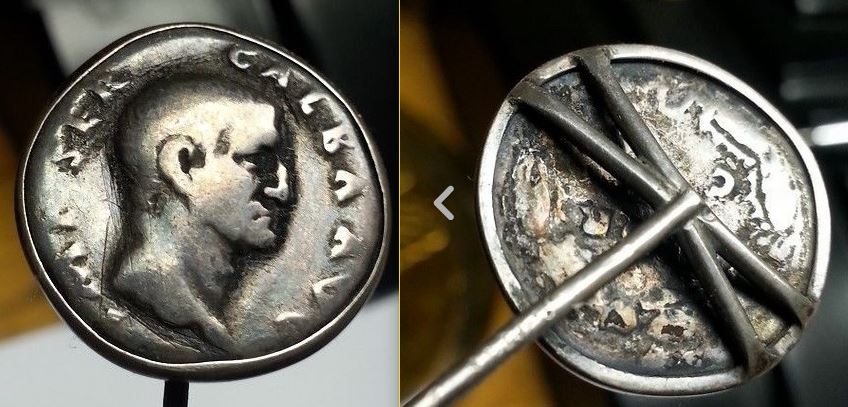 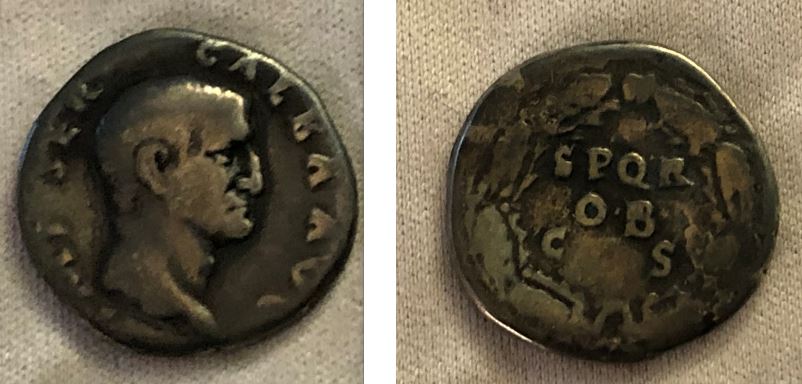 |
|
Bedrock of the Community
Australia
21789 Posts |
I have never bought coin jewelry out of a numismatic consideration. Instead, buying such items as jewelry pieces quite OK. They could even have a much higher value as jewelry items.
|
|
CCF Advertiser
United States
1318 Posts |
You know, ancient are so common people often today want to make jewelry from them. But honestly, they are often dark and not appealing to women I know like my wife never reaches for them. Silver has a better chance, but I made a piece for the wife of a Thasos Stater and today it is just a dark thing on a chain no one would recognize anymore. You kill the ancient patina wearing it so often.
|
|
Moderator
Australia
16974 Posts |
I will confirm that all the pieces the OP has posted are replicas or fantasies.. They were specifically made as replicas for jewellery.
As for the more general question, coin collectors generally avoid, or pay only melt value for, a coin that's been turned into jewellery. It's virtually impossible to turn a coin into jewellery without damaging it, so the majority of coins so altered have been damaged.
There are, of course, exceptions to the rule. A noteworthy exception that comes to mind are Boer Republic of South Africa 1902 "veld ponds" - gold coins made by the Boer guerrillas while on the run from the British. Less than a thousand were minted, and the majority of these were captured by the British and melted down. Most of the survivors were in the hands of prisoners of war, or as trophy loot in the hands of British soldiers - and both of these groups of people tended to turn the coins into jewellery. A majority of the surviving known examples are "ex-jewellery". While non-jewellery-altered coins do exist and command a premium, an ex-jewellery ZAR veld pond is still worth considerably more than it's bullion value, and is still highly desired by collectors.
Don't say "infinitely" when you mean "very"; otherwise, you'll have no word left when you want to talk about something really infinite. - C. S. Lewis
|
| |
Replies: 10 / Views: 1,155 |
|







 Posted 12/28/2021 3:33 pm





