| Author |
 Replies: 40 / Views: 3,228 Replies: 40 / Views: 3,228 |
|
|
|
Moderator
  United States
106908 Posts |
Quote:
You need to compare your result what are you implying? |
|
Bedrock of the Community
Australia
21792 Posts |
Just need to distinguish a fire affected coin from a genuine black beauty.
Comparison is one of the best ways of doing so.
|
|
Pillar of the Community
Canada
6244 Posts |
I repeat copy past the explanation I give today.: If was a really BB, has the point. Coop was right when say is peeled. So it is a imitation. the really B/B is form primary in the melting alloy. some how the alloy is not mixt correct and a layout of carbon is form. This layout which it is inside the bloom, will be rolled and can come to the surface. I want to mention this C layout is connected with all crystalline structure of the alloy and is not dense enough to broke during the rolling, blank cut where the material has to support exterior forces.
the effect come from the annealing, in this case 450 deg. which will make the carbonic surface to become blue black dark petrol. It is not black saturation the color.
|
|
Moderator
United States
106908 Posts |
Quote:
the really B/B is form primary in the melting alloy. some how the alloy is not mixt correct and a layout of carbon is form. Wrong. They are NOT created during the mixing of the alloys, if it were, then an entire full sheet of blanks would come out as black beauties. They are formed into BB's when the planchet are placed into an 'oven' to soften the metal just prior to striking. Some planchets get left in the 'oven' too long and it is a random accidental incident that allows them to 'cook' too long and darken them. Also BB's can differ from very dark to a light grey. This is not like how Lincoln Cent woodies are made which IS part of an improper mix of alloys. Also, If I read Coop's posting correctly, I believe that he agrees that this is a real one. He stated that you can see in areas where the surface was disturbed and the color stayed consistent underneath. Quote:
One interesting variety that can add some value is what is known as the "black beauty" nickel. These nickels are the result of improper annealment, the process by which planchets are heated to prepare them for striking.
It seems these nickels were left in the furnace a bit too long, producing a darker color that can range from gunmetal gray to jet black. Improper annealment can be found in all denominations, but 1959 nickels are particularly known for this error. reference: https://treasurepursuits.com/1959-n...r%20striking. Edited by Dearborn
02/05/2022 8:58 pm
|
|
Moderator
United States
106908 Posts |
Quote:
Just need to distinguish a fire affected coin from a genuine black beauty.
Comparison is one of the best ways of doing so. Ok, I see what you are saying. What is the best way to do this comparison? |
|
Pillar of the Community
Canada
6244 Posts |
To explain more: The black oxide is form only and only on the metallic surfaces and in this case is form during the processes of annealing. Dear is right to say that is the words around. Everyone agrees with the annealing. When I say carbon film was form I was complete right. All the cooper alloys has zinc which eliminate the carbon during the melting processes. After this the coating is apply which it is ferrous. After the coating and blanking; the blank go to the processes of annealing, cleaning and dry. Here the molecules react each others and reorganize and in some cases not really proved for coins production form this coat of the carbonic black oxide. What it is good it is give more protection to main metals. The worst: could be applied after very easy and few investments.
|
|
Pillar of the Community
United States
945 Posts |
looking at the edge helps in my opinion. 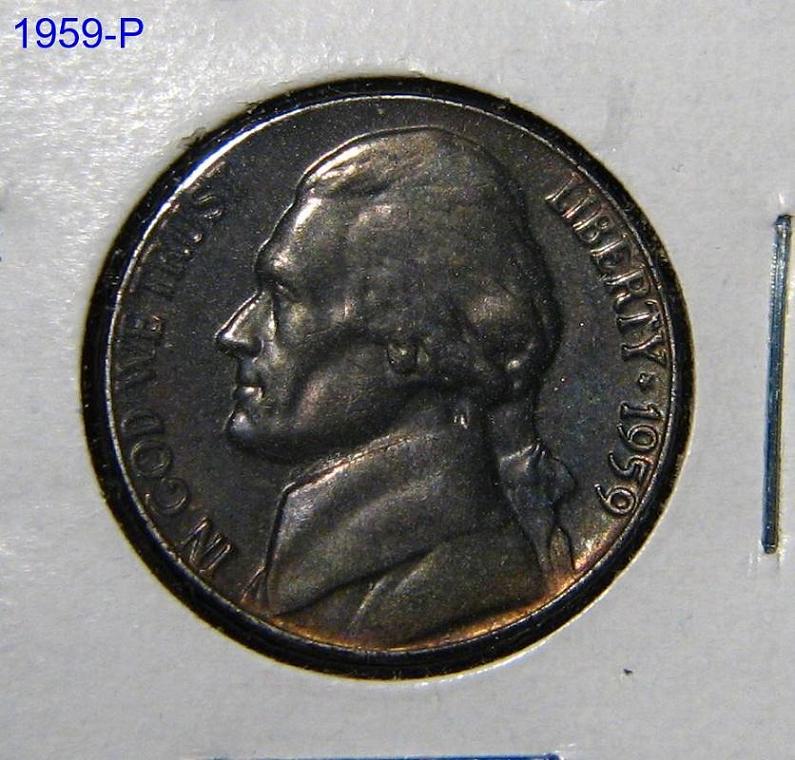 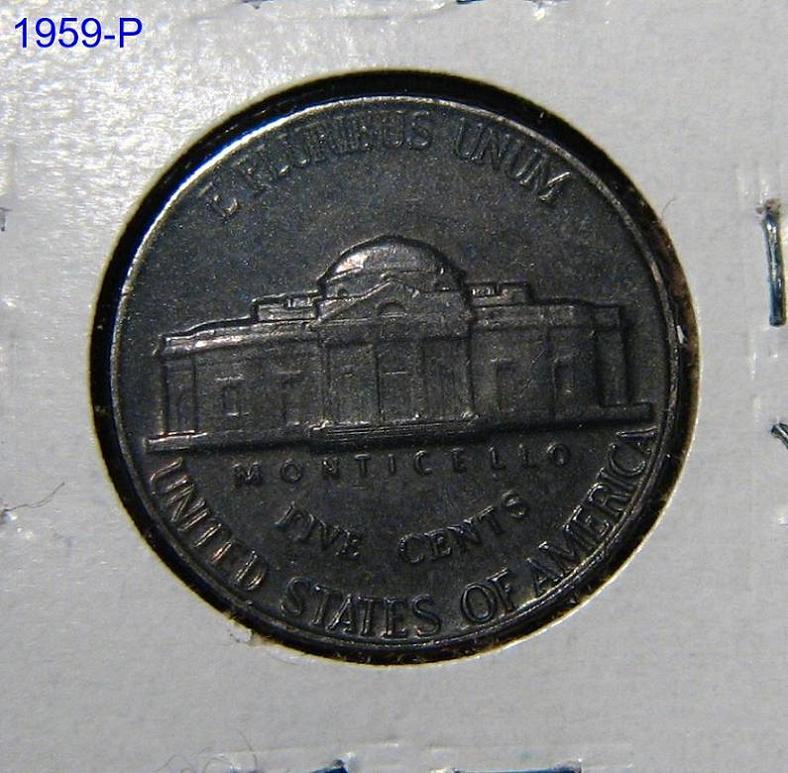 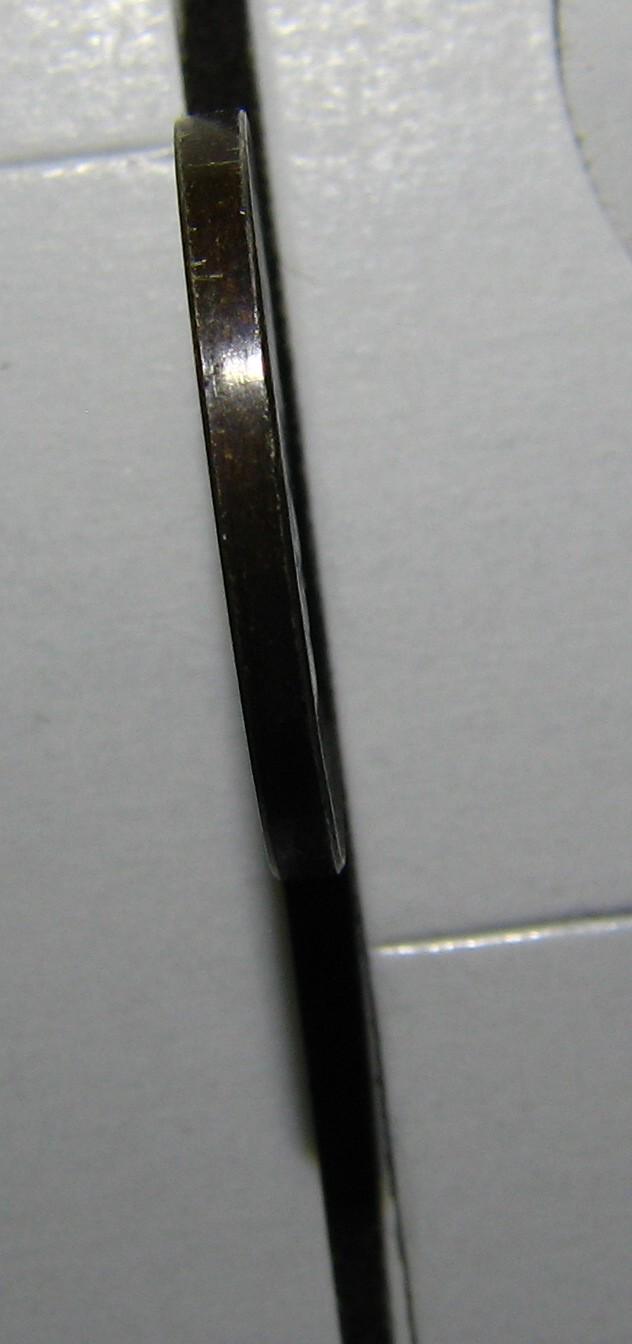 Put it in an album, Dearborn! |
|
Pillar of the Community
United States
945 Posts |
This is not (in my opinion). I believe it was subject to environmental damage after minting. Spoiler - both pictures below are of are the same coin, a 1985 P 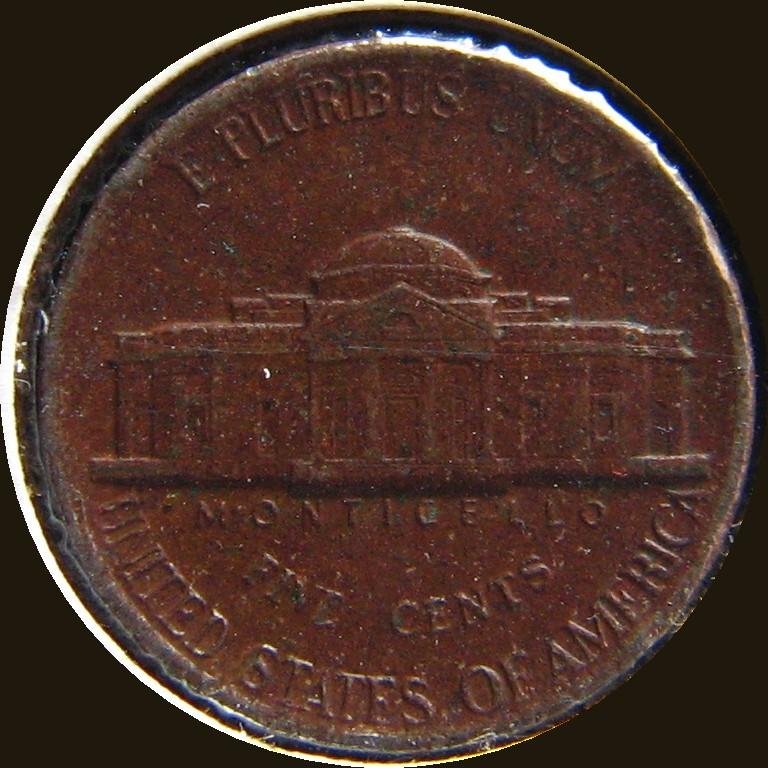 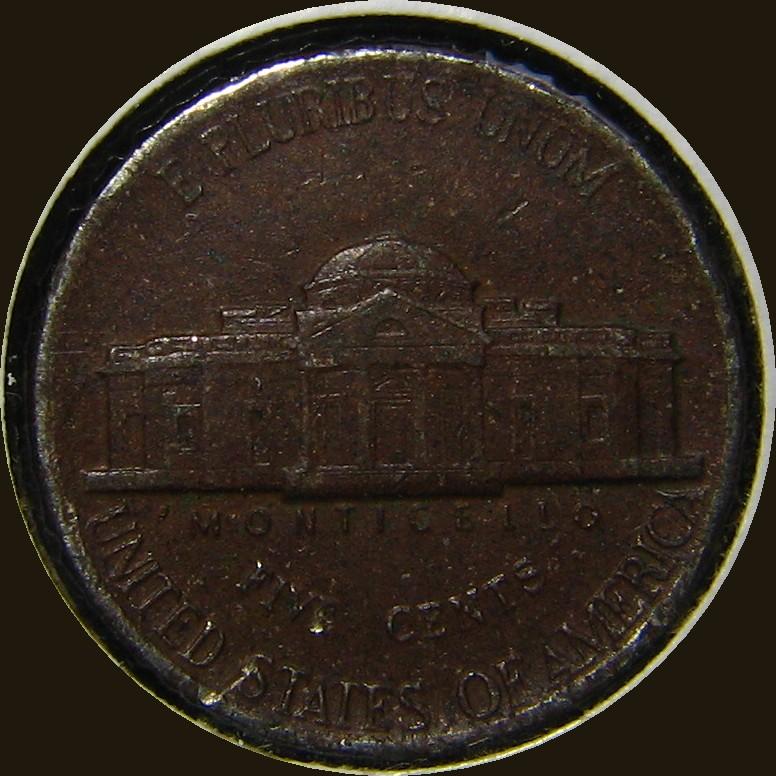 Edited by PlumCrazy814
02/05/2022 11:32 pm
|
|
Rest in Peace
United States
18456 Posts |
Quote:
Just need to distinguish a fire affected coin from a genuine black beauty.
Comparison is one of the best ways of doing so. Ah ha , so you do admit that genuine Black Beauties really do exist .  |
|
Moderator
United States
106908 Posts |
@PlumCrazy814: Thanks! I'll break it out of the 2x2 and get a good edge picture of it, then I'll find an album to place it in.
|
|
Pillar of the Community
United States
3237 Posts |
Quote:
Note the highest spots on your coin. You can see where it is peeling on the rims. The color on the black beauties runs through the planchet. So it they would wear, the color would not change. Just like the wheat woody coins, the wear does not remove the wood affect. (Un-like the rolling lines on the new copper planchet cents) Are you sure about that, Coop? My understanding has always been that the annealing error that causes them results in a disproportional alloy of copper/nickel rising to the surface of the blanks, which would only affect the color of the outer later of the coin. |
|
Moderator
United States
106908 Posts |
ok, lets try this. 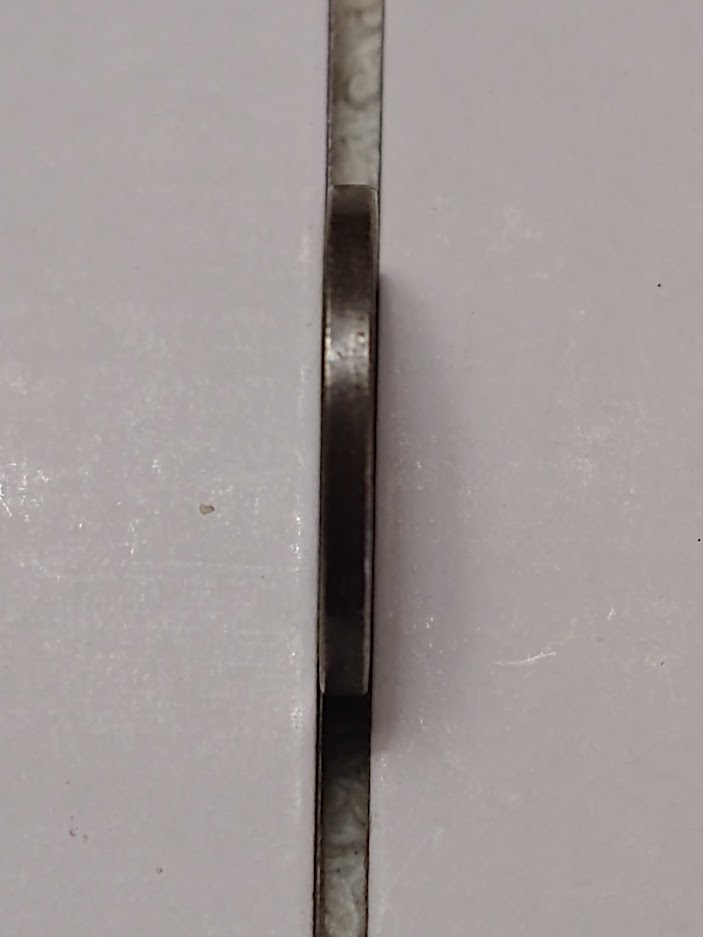 |
|
Pillar of the Community
United States
3237 Posts |
@Dearborn my understanding is that equally dark edges are a sign of environmental damage as the collar die and the ejection from the striking chamber supposedly should wear away some of the outer later on a true improperly annealed planchet. Here's a topic in which Fred Weinberg discusses it. https://www.cointalk.com/threads/20...ling.307775/ |
|
Moderator
United States
106908 Posts |
In that topic, he is referring to a reeded clad (with a purely copper core) coin. Does his reasoning carry over to a non-reeded Ni/Cu coin with no copper core?
Going back to Fred and his posts you put up, take a good look at the edge of the coin in question. The copper core got shiny upon ejection from the striking chamber but NOT the Cu/NI cladding on the edge. Why is that? Well Because there is no nickel in the copper core to change the color dark...
Edited by Dearborn
02/06/2022 5:24 pm
|
|
Pillar of the Community
United States
945 Posts |
I'd say you got one, Dearborn - that's my story and I'm sticking to it. Either put it in an album or add it to a few dollars and go to your local coffee shop for a beverage.
|
| |
Replies: 40 / Views: 3,228 |







 First Page


 Posted 02/05/2022 7:46 pm





