Plating blisters develop in the coin in the immediate aftermath of the strike, as gas expands between the core and poorly bonded plating. Among domestic coins, plating blisters are the exclusive province of copper-plated zinc cents. Blisters are generally small and subcircular, with a smooth surface and soft outline. They can occur anywhere on the field and design. The design continues uninterrupted as it crosses a blister.
6. Occluded gas bubbles
Solely the province of solid-alloy coins, occluded gas bubbles form just beneath the surface and push up the overlying metal immediately after the strike. Like plating blisters, the surface is smooth and the edges soft. The design is uninterrupted.
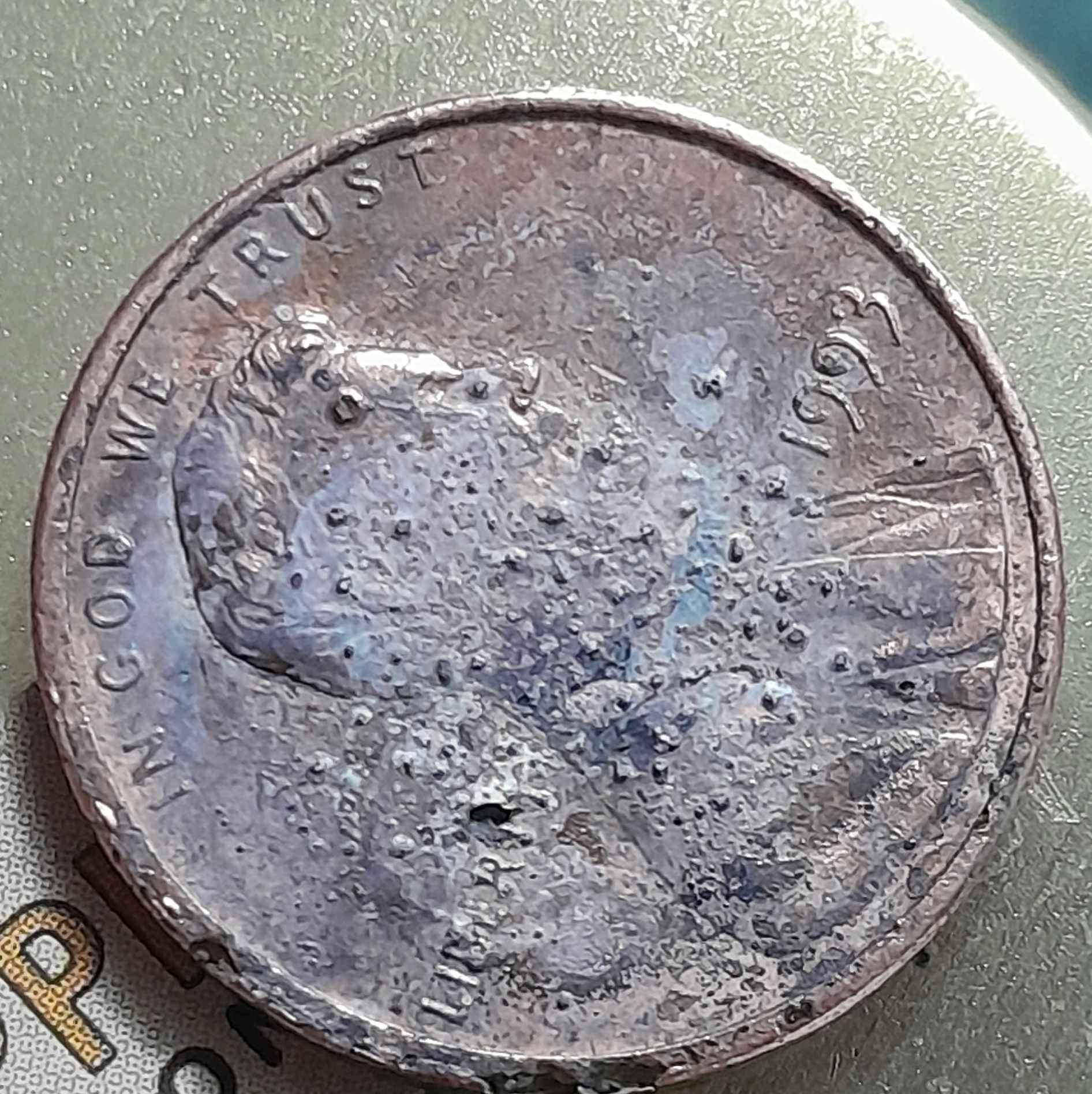
7. Corrosion domes
Contaminants trapped beneath or penetrating the surface of aluminum, plated zinc, and plated steel coins can react with surrounding metal to form an expanding front of spongy, corroded metal. The resulting solid dome will superficially resemble a hollow plating blister or occluded gas bubble. In many cases the corroded metal bursts through and may fall out, leaving a crater.
Disclaimer: While a tremendous amount of effort goes into ensuring the accuracy of the information contained in this site, Coin Community assumes no liability for errors. Copyright 2005 - 2026 Coin Community Family- all rights reserved worldwide. Use of any images or content on this website without prior written permission of Coin Community or the original lender is strictly prohibited. Contact Us | Advertise Here | Privacy Policy / Terms of Use












 Posted 01/26/2023 3:56 pm


