| Author |
 Replies: 1,026 / Views: 35,629 Replies: 1,026 / Views: 35,629 |
|
|
|
Bedrock of the Community
United States
76510 Posts |
More nice examples.  Errers and Varietys.
|
|
Moderator
 United States
101425 Posts |
great additional additions tdz and Spence!! |
|
Pillar of the Community
 United States
7992 Posts |
Maybe my last denier from 12th century, attributed to the first part of the reign of Henry I of Brabant, 1190-1210, recent auction win not yet in hand. Too bad for the scratches obverse, but I like the duke's chain mail, and the lion reverse with feet that more resemble those of a chicken. 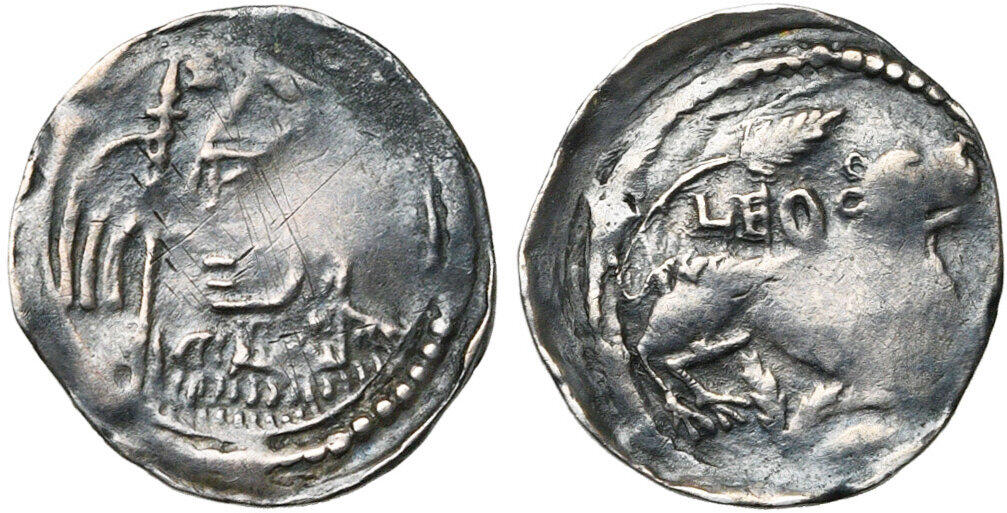 |
|
Moderator
United States
192126 Posts |
Excellent! |
|
Bedrock of the Community
United States
76510 Posts |
Nice addition, tdziemia. Errers and Varietys.
|
|
Moderator
United States
101425 Posts |
great coin tdz!! |
|
Pillar of the Community
 Sweden
2124 Posts |
Interesting coin, tdziemia, I like it. And to remove any doubts, it says LEO on the reverse.  |
|
Pillar of the Community
Russian Federation
5186 Posts |
Quote:
And to remove any doubts, it says LEO on the reverse. Yeah, I got surprised by that too - what's up with that? Why did they label the lion? Is it intended to be a zodiac sign or something? |
|
Pillar of the Community
United States
7992 Posts |
The type was first struck late in the reign of his father, Godfrey III, c. 1183-1184, and I think is the first type that uses a lion as a heraldic device on Brabant coins.
All rulers thereafter use it.
I have no idea why they felt they needed to write the word. They were of the House of Leuven, so maybe some kind of pun on that?
|
|
Pillar of the Community
United States
7992 Posts |
OK, one more that dates from the end of the 12th, this denier of the Flemish town of Bethune (in modern France), struck from 1191 until sometime into the 13th century. When France began debasing its deniers in the late 12th century, the Flemish (whose coinage was linked to the French standards) decided to continue making their deniers of good silver, but shrank the size to continue matching the silver content. At the same time, there appears to have been some granting of coinage rights to many towns (there were ongoing struggles between the towns and the Counts in medieval Flanders), resulting in a rich variety of these "petits deniers/kleine denarii" struck at this time (c.1180-1300) 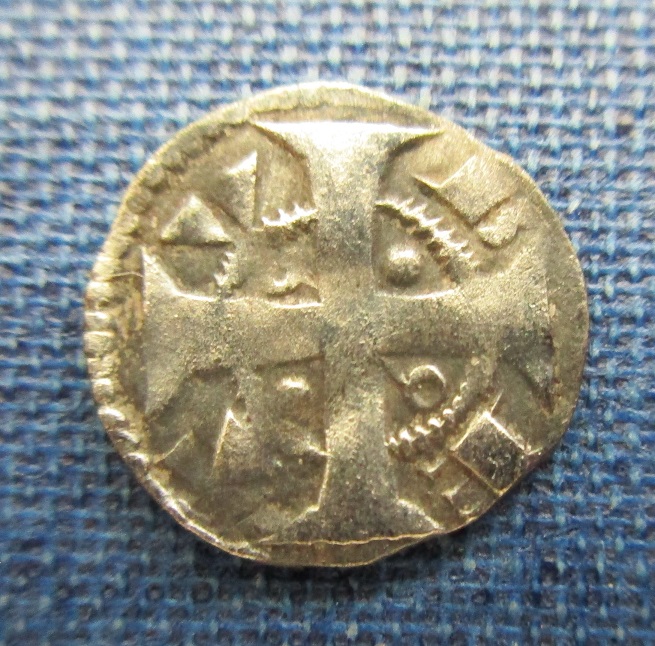 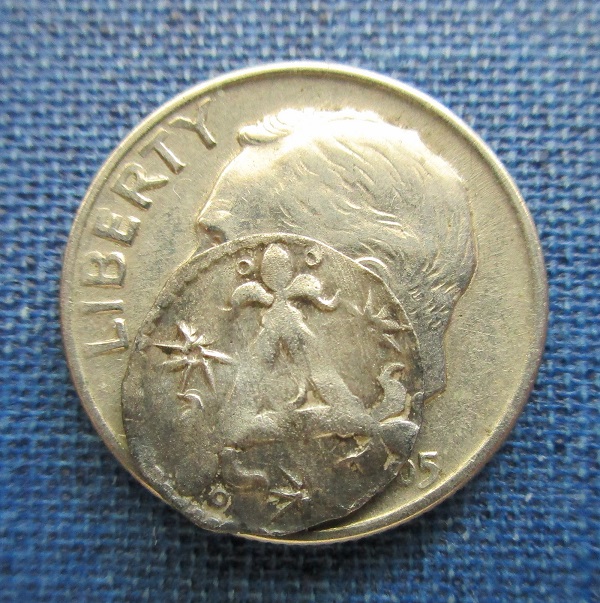 Edited by tdziemia
07/10/2024 09:59 am
|
|
Moderator
United States
192126 Posts |
Fantastic! |
|
Bedrock of the Community
United States
76510 Posts |
Very nice addition, tdziemia. Errers and Varietys.
|
|
Pillar of the Community
Sweden
2124 Posts |
What a nice petit denier, tdziemia! And interesting info about the Flemish coinage.
|
|
Moderator
United States
101425 Posts |
very nice on the very tiny coin tdz!!
|
|
Moderator
United States
34501 Posts |
Here is a late-12th to early-13th century Denier from the Priory of Souvigny. I'll have a Petit Denier to post in a day or so--we can compare designs with @tdz's post from yesterday. 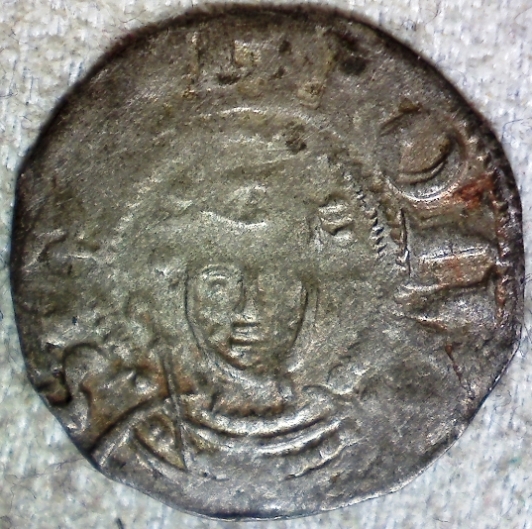 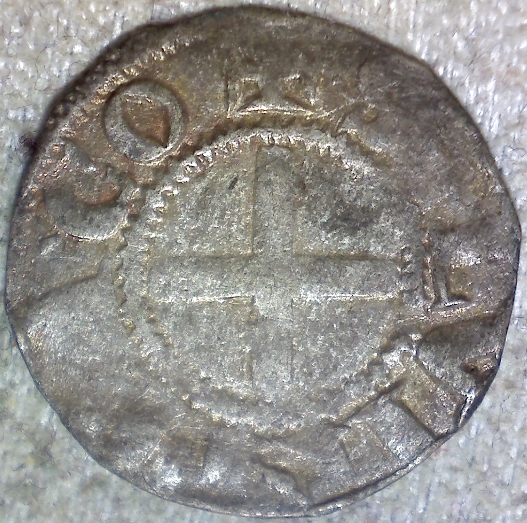 "If you climb a good tree, you get a push."
-----Ghanaian proverb
"The danger we all now face is distinguishing between what is authentic and what is performed."
-----King Adz
|
| |
Replies: 1,026 / Views: 35,629 |






 First Page
 Previous Page


 Posted 07/08/2024 2:58 pm


 Uncirculated American Silver Eagles


